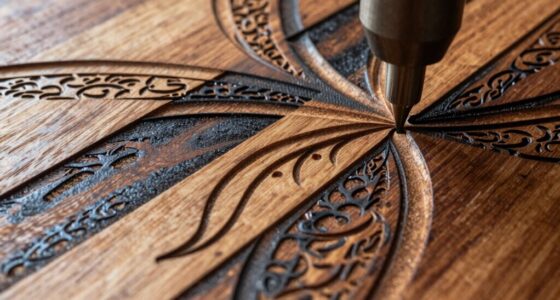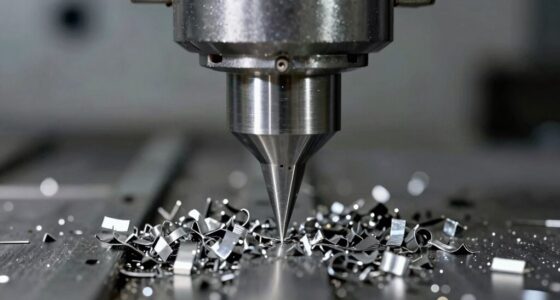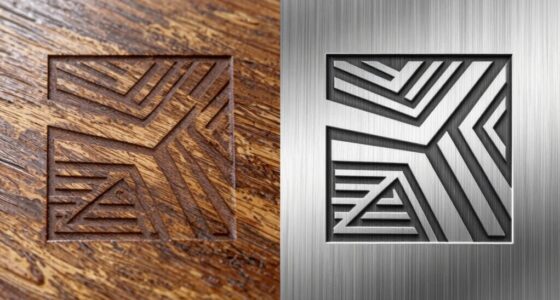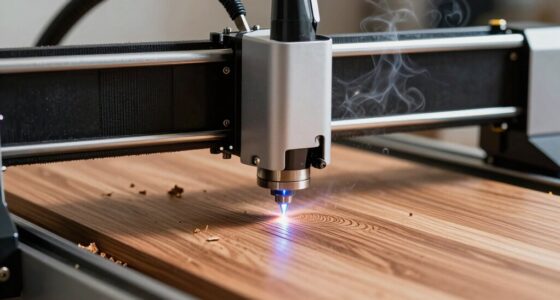
Choosing between a desktop CNC and a benchtop CNC depends on your needs. If you’re a hobbyist or working on small, soft materials, a desktop model offers affordability, portability, and ease of use. For more professional or diverse projects, a benchtop CNC provides greater versatility and material compatibility. Understanding your project scope helps you pick the right upgrade. Keep exploring, and you’ll uncover more details to make an informed decision.

Get business pricing on tools and workshop supplies
- Business-only prices and quantity discounts
- Tax-exempt purchasing
- Multiple users, one account, clear invoices
Key Takeaways
- Benchtop CNCs generally offer broader material compatibility and higher precision than smaller desktop models.
- Desktop CNCs are more portable and suitable for limited workspace, making them ideal for hobbyists or small projects.
- Upgrading to a benchtop CNC provides increased capability for professional or complex applications.
- Cost differences favor desktop CNCs for beginners, while benchtop models may require a larger investment for advanced features.
- Technological advancements in both types enhance ease of use, but benchtop CNCs often support more diverse and demanding tasks.
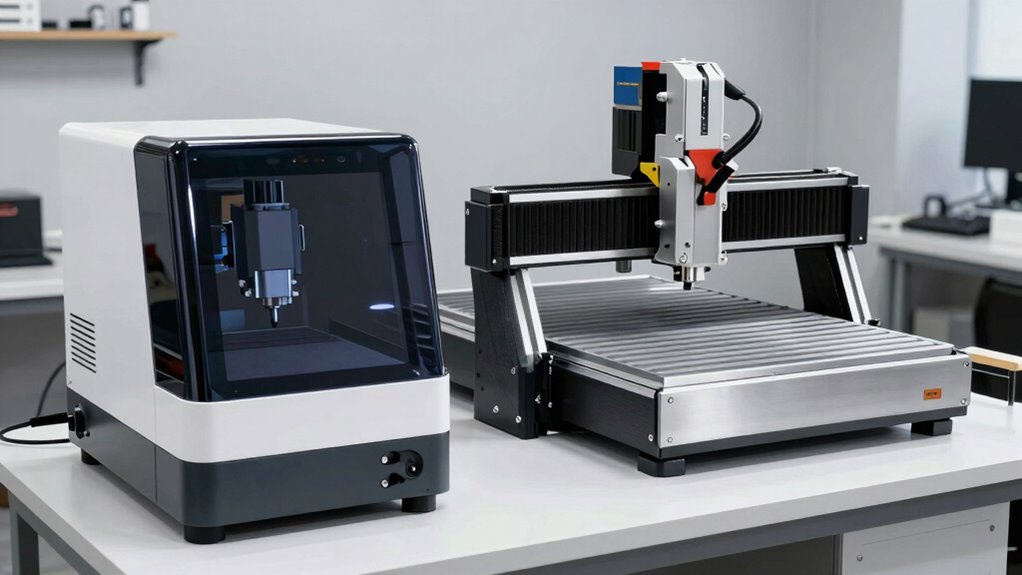
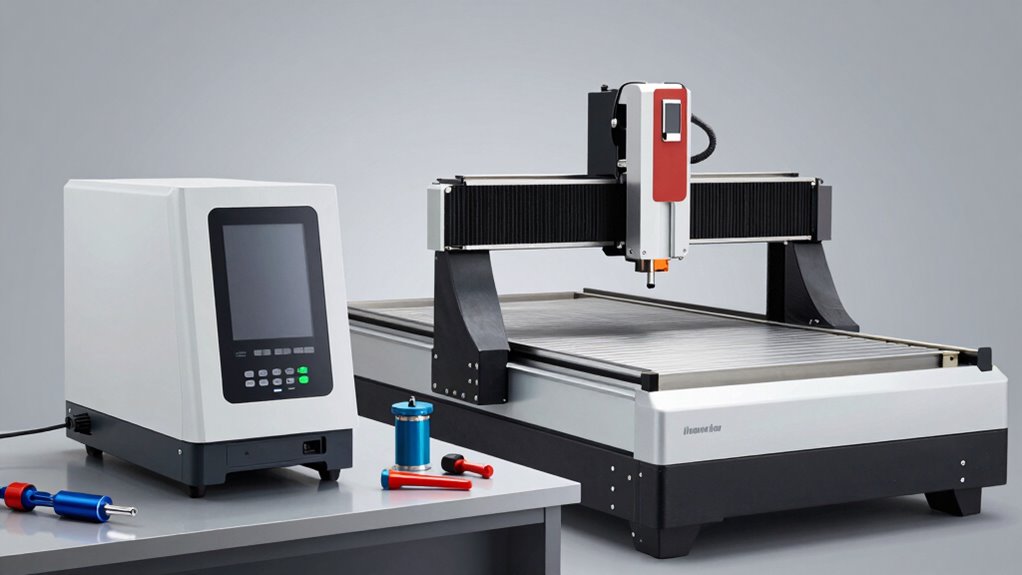
When choosing a CNC machine, understanding the differences between desktop and benchtop models is essential, as each offers distinct advantages suited to different needs. Both types are designed to fit into smaller workspaces compared to industrial machines, but they serve different purposes based on their features. As you evaluate your options, consider how material compatibility and machine portability influence your decision. Desktop CNC machines tend to be more portable, making them ideal if you need a setup you can easily move around your workspace or take to different locations. They often have a compact footprint, enabling you to fit them into tighter spaces or home workshops without sacrificing much on functionality. However, their material compatibility is typically limited; they work best with softer materials like plastics, woods, and light metals, due to their smaller size and less powerful motors. This makes them excellent for hobbyists, small-scale projects, or prototyping, where precision on softer materials is sufficient. Additionally, machine versatility is an important factor that can influence long-term satisfaction with your CNC choice. Recognizing the different applications for each type can help you select a machine that aligns with your specific project needs. Furthermore, advances in technology mean that even desktop models are increasingly capable of delivering high-quality results with minimal setup. It’s also worth noting that ongoing improvements in software have made CNC machines more accessible and easier to operate for users at all skill levels. Plus, the cost factor is often a crucial consideration, as desktop models tend to be more budget-friendly for beginners.
desktop CNC machine for hobbyists
As an affiliate, we earn on qualifying purchases.
As an affiliate, we earn on qualifying purchases.
Frequently Asked Questions
What Safety Precautions Are Necessary for Both CNC Types?
You should always prioritize safety by performing tool calibration before each use to guarantee precision and reduce accidents. Keep emergency protocols clear and accessible, and know how to shut down the machine quickly if needed. Wear appropriate safety gear, such as goggles and gloves, and ensure the workspace is clean. Regularly inspect cables and guards, and stay alert to prevent injuries when operating either type of CNC machine.
How Much Maintenance Do Desktop and Benchtop CNC Machines Require?
You’ll find that both desktop and benchtop CNC machines need regular upkeep to keep them running smoothly. This includes routine machine calibration to maintain precision and proper lubrication to extend tool longevity. While they don’t demand constant attention, occasional cleaning and checks ensure peak performance. By staying proactive, you’ll help prevent issues, prolong the machine’s life, and ensure your projects stay accurate and efficient.
Can These CNC Machines Be Operated Remotely?
Yes, you can operate CNC machines remotely, especially with advanced software integration. Remote operation allows you to control and monitor your desktop or benchtop CNC from anywhere using compatible software and internet connectivity. You’ll need reliable software that supports remote access, like VNC or specialized CNC control programs, to guarantee smooth operation. This setup provides convenience, saves time, and enhances your workflow by enabling you to manage projects off-site.
What Are the Typical Power Requirements for Each CNC Type?
Think of power requirements like the heartbeat of your machine—steady and essential. Desktop CNCs usually run on standard household outlets, requiring around 100-200 watts, emphasizing power efficiency. Benchtop CNCs may need slightly more, around 200-400 watts, depending on their electrical specifications. Both types prioritize manageable power needs, but always check your specific model’s electrical specs to guarantee safe operation and peak performance.
Are There Specific Software Compatibility Considerations for These CNCS?
You should consider software integration and compatibility challenges when choosing your CNC. Confirm the CNC’s firmware supports your preferred CAD/CAM software to avoid frustration. Some models may have limited compatibility, causing delays or needing additional software updates. Check the manufacturer’s specifications for software compatibility, and consider user reviews for real-world insights. This way, you’ll prevent workflow disruptions and make a more informed upgrade choice.
benchtop CNC router professional
As an affiliate, we earn on qualifying purchases.
As an affiliate, we earn on qualifying purchases.
Conclusion
So, whether you stumble upon a sleek desktop CNC in a cozy corner or a sturdy benchtop model in your workshop, the choice feels like fate guiding you. Both options promise to elevate your craftsmanship, fitting seamlessly into your space. In the end, it’s less about the machine and more about your passion and vision. Sometimes, the perfect upgrade appears just when you least expect it—ready to turn your ideas into reality.
small CNC machine for woodworking
As an affiliate, we earn on qualifying purchases.
As an affiliate, we earn on qualifying purchases.
As an affiliate, we earn on qualifying purchases.
Fall yard work Picks
leaf blowers
As an affiliate, we earn on qualifying purchases.