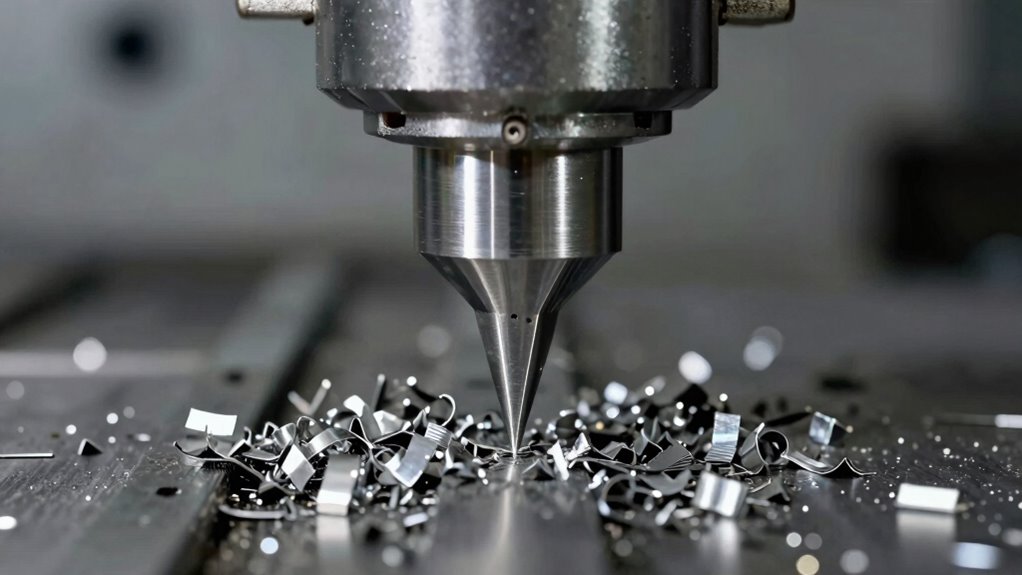
Kerf compensation in CNC is your go-to adjustment for precision cuts. It accounts for the small width of the tool’s cut, which prevents loose fits and gaps between parts. By offsetting your tool path by half the kerf width, you guarantee that your cuts align perfectly with your design specifications. This not only boosts the quality of your projects but also minimizes material waste. Stick around, and you’ll discover even more tips to enhance your machining process.

Get business pricing on tools and workshop supplies
- Business-only prices and quantity discounts
- Tax-exempt purchasing
- Multiple users, one account, clear invoices
Key Takeaways
- Kerf compensation adjusts the tool path to account for the material removal width, ensuring precise fits in CNC machining.
- Accurate kerf measurement is crucial for different cutting tools to maintain alignment in parts during assembly.
- Offsetting the tool path by half the kerf width helps achieve intended specifications in CNC designs.
- Implementing kerf compensation reduces gaps and looseness in assembled parts, enhancing overall quality and efficiency.
- Proper kerf considerations minimize material waste and lower costs by preventing rework and ensuring optimal material usage.
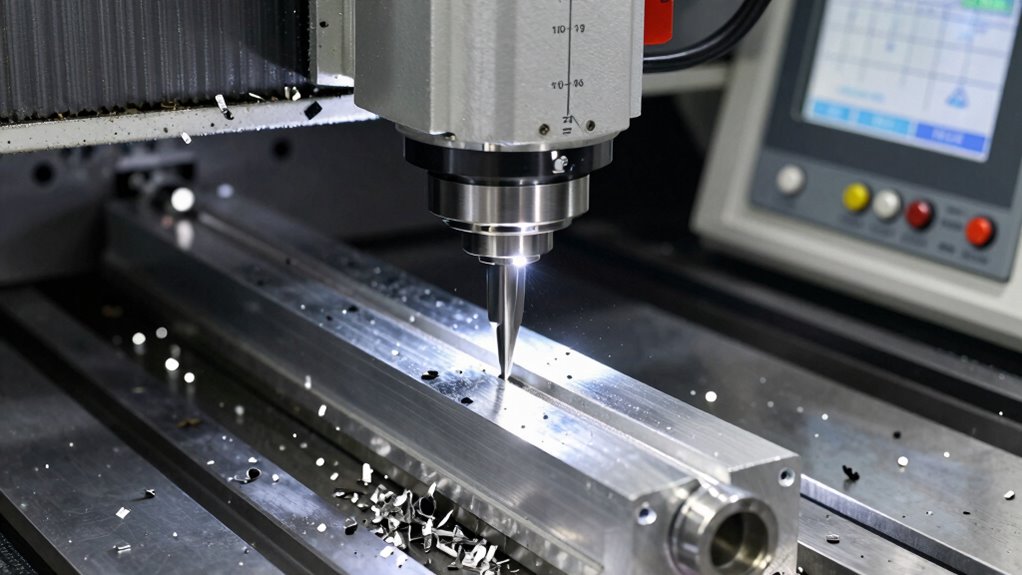
When you’re working with CNC machining, understanding kerf compensation is important, especially if you want precise cuts. Kerf compensation refers to adjusting your tool path to account for the material that’s removed during the cutting process. This adjustment is essential because the width of the cut, known as the kerf measurement, directly impacts the final dimensions of your workpiece. If you’re unaware of how to factor in the kerf, you might end up with pieces that don’t fit together as intended.
To guarantee cutting precision, you first need to determine the kerf measurement for your specific cutting tool. Different tools produce different kerf widths. For example, a laser cutter has a much narrower kerf compared to a traditional saw blade. By measuring the kerf, you can accurately adjust your CNC program to compensate for this loss. Ignoring this small yet significant detail can lead to loose fits or gaps in assembled parts, which can compromise the integrity of your project.
Once you have your kerf measurement, you can implement it in your CNC software. Most modern CNC systems allow you to input this value directly into the cutting parameters. By offsetting your tool path by half the kerf width, you effectively guarantee that the actual cut aligns perfectly with your design specifications. This process is often referred to as “offsetting for kerf” and is a crucial step in achieving high-quality results.
It’s worth noting that kerf compensation isn’t just about making cuts that fit. It also affects the overall efficiency of your machining process. When you account for kerf correctly, you minimize waste and maximize the use of your material. This not only saves you money but also reduces the time spent on rework or adjustments.
As an affiliate, we earn on qualifying purchases.
Frequently Asked Questions
What Materials Benefit Most From Kerf Compensation Adjustments?
Materials like aluminum, wood, and plastics benefit most from kerf compensation adjustments. When you’re working with tighter tolerance levels, these adjustments help guarantee precise fits in applications like cabinetry or aerospace components. For example, in woodworking, you want perfect joints, while in aerospace, even minor discrepancies can affect safety. Adhering to industry standards becomes vital, so always consider these factors when designing your CNC projects to achieve ideal results.
How Does Kerf Compensation Affect Cutting Speed?
Kerf compensation directly affects your cutting speed by ensuring machine accuracy and enhancing cutting precision. When you adjust for kerf, your CNC machine can cut more effectively, reducing the time spent on adjustments and rework. This means you’ll achieve tighter tolerances in less time. By optimizing the kerf, you can maintain a steady cutting speed while ensuring your finished parts meet specifications, ultimately boosting productivity and quality in your projects.
Can Kerf Compensation Be Applied to 3D Printing?
Yes, you can apply kerf compensation techniques to 3D printing. By adjusting for the printer’s nozzle diameter and material flow, you improve 3D printing precision. When you incorporate kerf adjustment techniques, you’ll minimize gaps and enhance fit accuracy in your prints. This is especially useful for parts that require tighter tolerances. Experimenting with these adjustments helps you achieve better results, ensuring your prints match your design specifications more closely.
Is Kerf Compensation Necessary for All CNC Machines?
Kerf compensation isn’t necessary for all CNC machines, but it’s essential for those requiring high CNC precision. Kerf refers to the material removed during cutting, which can affect fit and finish. If you’re working with tight tolerances, understanding kerf definition and applying compensation can enhance the accuracy of your cuts. However, for less precise applications, you might not need to worry about it as much.
How Do I Calculate Kerf for My Specific Tool?
To calculate kerf for your specific tool, start by measuring the tool’s diameter. Use kerf measurement techniques like cutting a test piece and measuring the gap afterward. Adjust your tool diameter in your CNC software based on this measurement. If your cut’s wider than expected, account for this difference in your design by reducing dimensions slightly. Always test and adjust until you achieve the fit you want for your project.
As an affiliate, we earn on qualifying purchases.
Conclusion
In CNC machining, kerf compensation is like adjusting a recipe to get the perfect dish. Just as a pinch of salt can transform a bland meal, a small adjustment in kerf can turn a loose fit into a precise one. Take the time to calculate that tiny number—it can make all the difference in your project’s success. Remember, it’s the small details that elevate your work from good to great, ensuring everything fits together just right.
As an affiliate, we earn on qualifying purchases.
CNC material waste reduction accessories
As an affiliate, we earn on qualifying purchases.
As an affiliate, we earn on qualifying purchases.
Fall yard work Picks
leaf blowers
As an affiliate, we earn on qualifying purchases.