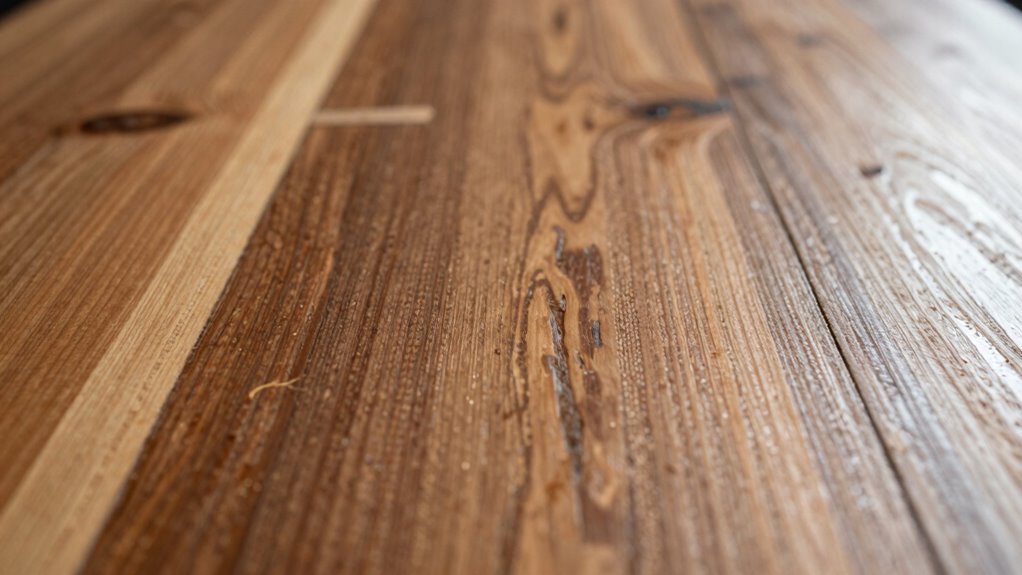

Some woods, especially softwoods like pine, need a washcoat before color to guarantee an even finish and prevent blotchiness. Washcoats help create a uniform surface, controlling stain absorption and enhancing color results. They also improve adhesion for subsequent finishes, making your final product smoother and more polished. By applying a washcoat properly, you can avoid unexpected surprises with your project. There’s more to discover about achieving the perfect finish, so keep exploring!

Get tools and workshop supplies delivered free — and shop member deals
- Fast, free delivery on millions of items
- Access to Prime Big Deal Days deals on October 6–7
- Prime Video, Amazon Music and more included
Key Takeaways
- Washcoat creates a uniform surface, ensuring even stain absorption and preventing blotchiness in softwoods like pine.
- It primes different wood types, enhancing their acceptance of stains and finishes for consistent results.
- Applying a washcoat improves adhesion of subsequent finishes, increasing durability and longevity of the final product.
- Washcoat seals wood pores and fills small imperfections, contributing to a smoother and more refined surface appearance.
- Properly applied washcoats minimize finishing surprises, leading to professional-looking outcomes in woodworking projects.
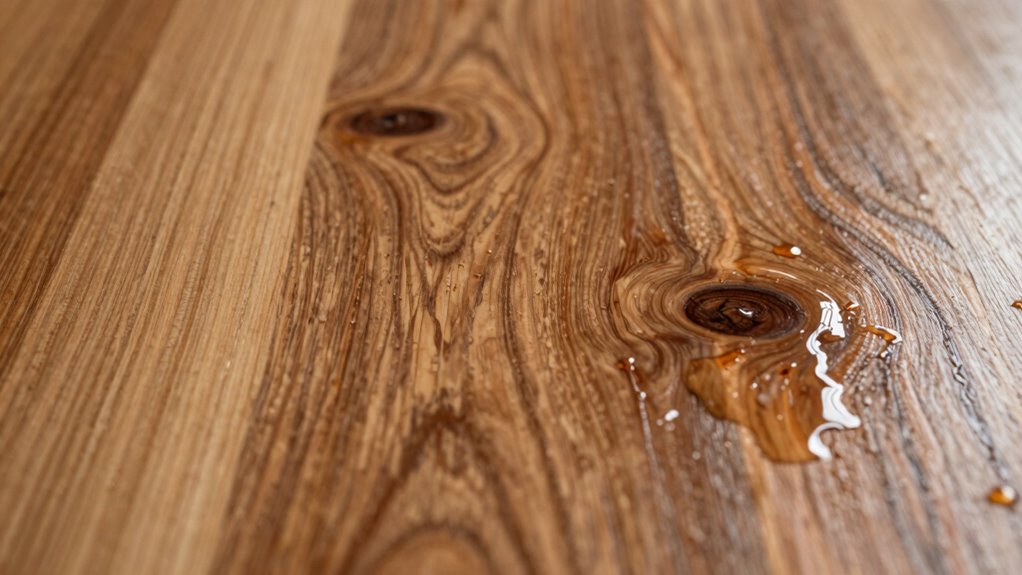
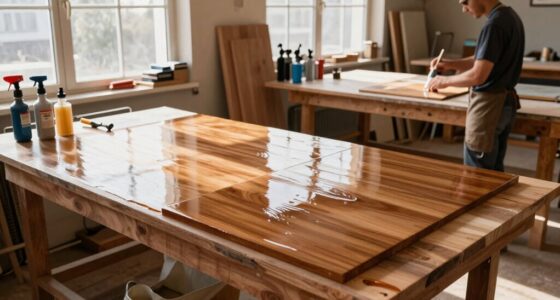
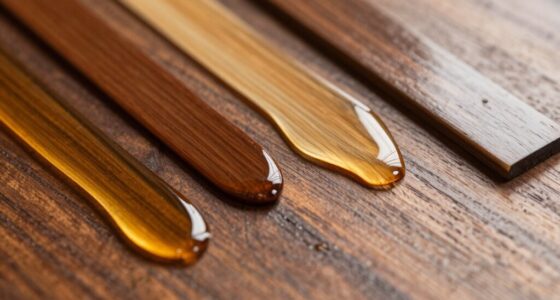
When it comes to finishing wood, a washcoat can make all the difference. If you’re working with certain wood types, applying a washcoat before adding color is crucial for achieving the desired finish. This initial step helps with wood preparation, guaranteeing the surface is ready to accept stain and finish uniformly. Using a washcoat also helps control stain absorption, ensuring that the color application results in a more even and professional appearance. Different woods absorb stain differently. Softwoods like pine can soak up color unevenly, leading to blotchy results. In contrast, hardwoods like oak may provide a more consistent absorption but can still benefit from the washcoat. By applying a washcoat, you prime the wood, creating a more uniform surface that helps control stain absorption. This allows you to achieve the rich colors and finishes you envision without unexpected surprises. Additionally, understanding wood grain can help you apply the washcoat more effectively, resulting in a smoother final surface. Proper application techniques, such as ensuring the washcoat is applied evenly, are essential to achieving optimal results. Using a brush or cloth, apply a thin layer and allow it to dry completely before proceeding. This creates a foundation that enhances color enhancement, guaranteeing that the subsequent layers of stain or finish go on beautifully. You’ll notice improved grain visibility and a more polished appearance once the color is applied. An even washcoat can also help prevent uneven surface texture and minimize imperfections, especially on woods with a coarse texture. Applying a washcoat can also help improve the adhesion of subsequent finishes, leading to a more durable and lasting final product. A washcoat can help seal the wood pores, which contributes to a smoother finish. This is particularly important for woods with a coarse texture, as the washcoat fills in small imperfections, leading to a more refined surface. When you take the time to prepare your wood properly, the final product will not only look better but will also feel better to the touch. Properly applied washcoats can also aid in wood preservation, extending the lifespan of your project.
As an affiliate, we earn on qualifying purchases.
Frequently Asked Questions
What Types of Wood Benefit Most From a Washcoat?
Pine and oak are two types of wood that benefit most from a washcoat. Pine’s characteristics, like its porous nature, often lead to uneven color absorption, so a washcoat helps create a more uniform finish. Oak, known for its density, can also absorb color inconsistently. By applying a washcoat, you seal the surface, allowing for a more balanced application of stain or color, enhancing the overall look of your project.
How Do I Apply a Washcoat Effectively?
To apply a washcoat effectively, start by selecting the right application technique—either brushing or wiping. Make certain the wood surface is clean and sanded. Apply a thin, even layer of washcoat, allowing it to penetrate the wood. Let it dry completely before sanding lightly to enhance adhesion. This process maximizes washcoat benefits, like improved stain uniformity and preventing blotching. Always test on a scrap piece first to confirm desired results.
Can I Skip the Washcoat for Certain Finishes?
You can skip the washcoat for certain finishes, especially if you’re using a product that’s compatible with the wood’s natural properties. However, be cautious—some finishes may not adhere well without a washcoat. Consider using washcoat alternatives like shellac or a diluted stain, which can enhance adhesion and prevent blotching. Always test your chosen method on a small area first to guarantee you achieve the desired results without compromising the wood’s appearance.
What Happens if I Don’t Use a Washcoat?
If you skip the washcoat, you might end up with uneven stain absorption. Did you know that 70% of woodworkers recommend using a washcoat for ideal results? Without it, your surface preparation might fall short, leading to blotchy finishes and less vibrant colors. The washcoat helps create a barrier that guarantees the stain penetrates evenly, enhancing the wood’s natural beauty. So, don’t skip this vital step if you want a flawless finish!
How Long Should I Wait After Applying a Washcoat?
After applying a washcoat, you should wait at least 30 minutes to an hour before moving on, but it’s best to check the drying duration specific to your product. Washcoat timing can vary depending on conditions like humidity and temperature. If it feels dry to the touch and doesn’t leave a residue, you’re good to go. Just make sure it’s fully cured before applying any color for the best results.
As an affiliate, we earn on qualifying purchases.
Conclusion
Using a washcoat before applying color isn’t just an extra step; it’s essential for achieving a flawless finish. You might think it’s unnecessary, but skipping this step can lead to uneven absorption and blotchy results. A washcoat seals the wood, ensuring the color goes on smoothly and consistently. Plus, it enhances the wood’s natural beauty, making your project stand out. So, take a moment to washcoat—your final finish will thank you for it!
As an affiliate, we earn on qualifying purchases.
As an affiliate, we earn on qualifying purchases.
Fall yard work Picks
leaf blowers
As an affiliate, we earn on qualifying purchases.