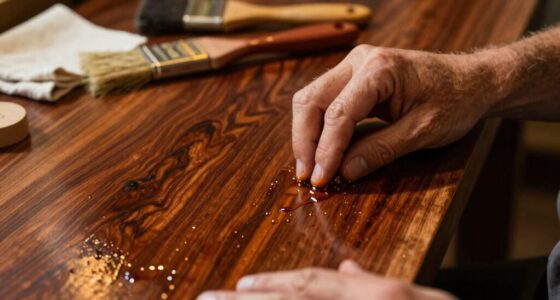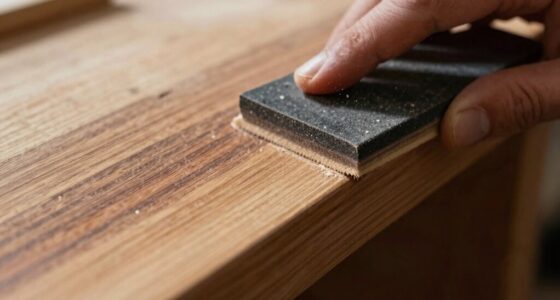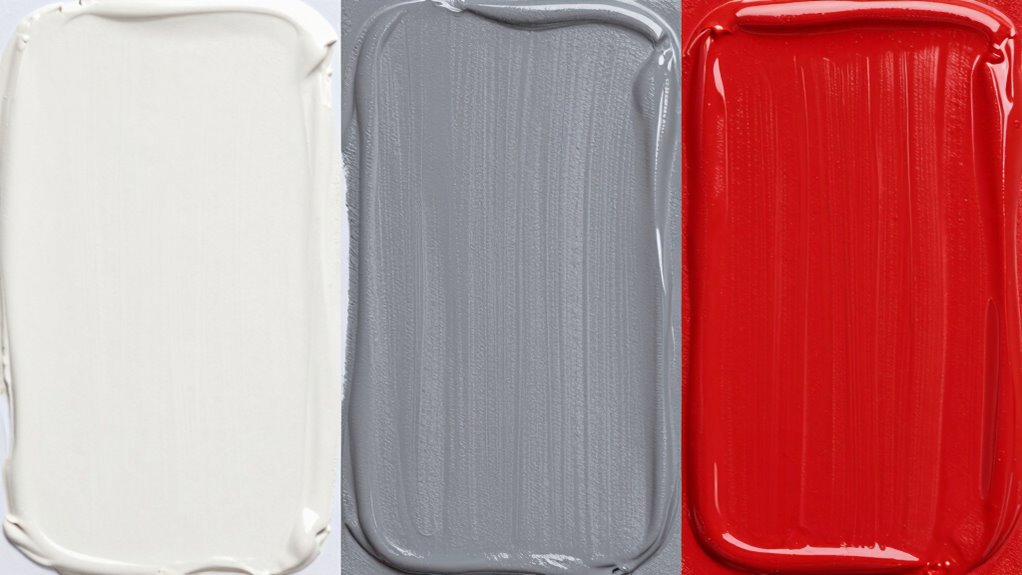

When choosing between milk paint, chalk paint, and real paint, remember that each reacts differently with surfaces. Milk paint thrives on porous surfaces like wood but needs a topcoat for durability on non-porous materials. Chalk paint’s matte finish works well on most surfaces but can scuff easily, so a protective wax is a must. Real paint is versatile and durable across various surfaces, providing vibrant finishes. Explore the nuances of each type to find the best fit for your project.

Get business pricing on tools and workshop supplies
- Business-only prices and quantity discounts
- Tax-exempt purchasing
- Multiple users, one account, clear invoices
Key Takeaways
- Milk paint is ideal for porous surfaces, providing a rustic look, but may require a topcoat for durability on non-porous materials.
- Chalk paint adheres well to most surfaces with minimal prep but is more susceptible to scratches, necessitating a protective wax or sealer.
- Real paint offers superior durability and color retention, suitable for various surfaces, including metal and drywall, with a hard finish.
- Surface preparation is crucial for all paint types, as it enhances adhesion and longevity, especially on non-porous surfaces.
- Understanding how different paints interact with surfaces helps ensure project success and optimal performance over time.
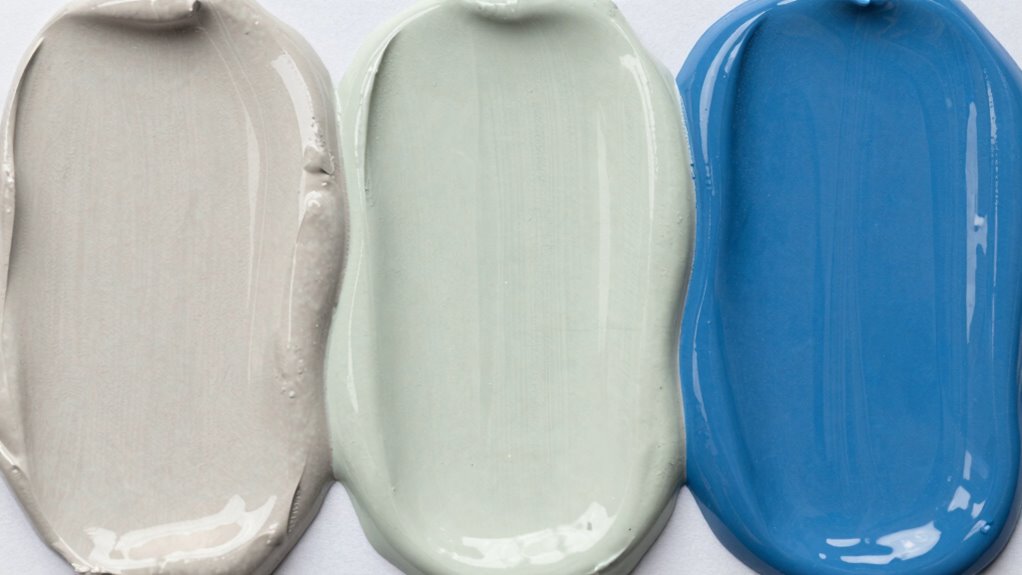
When you choose paint for a project, the surface it’s applied to can greatly impact the final look. Different types of paint, such as milk paint, chalk paint, and real paint, each interact uniquely with various surfaces. Understanding these differences is essential for achieving the desired outcome.
Milk paint, known for its eco-friendly properties, is a popular choice for those looking to achieve a rustic, vintage feel. It’s made from natural ingredients like milk protein, which means it adheres well to porous surfaces like wood. However, while milk paint offers beautiful color options, you might notice that its color retention isn’t as strong as other types. On non-porous surfaces, it can chip or peel more quickly, which might not be what you want if you’re looking for long-term finish durability. To combat this, consider applying a topcoat for added protection. Additionally, understanding surface compatibility can help in selecting the right paint for your project. Being aware of paint-surface interaction can also influence how well the paint adheres and lasts over time. It’s also helpful to consider the environmental conditions, as some surfaces may require special preparation to ensure optimal adhesion.
Milk paint offers an eco-friendly, rustic charm but may require a topcoat for better durability on non-porous surfaces.
Chalk paint is another trendy option, favored for its matte finish and ease of use. It adheres well to most surfaces without the need for extensive priming or preparation. If you’re painting furniture, chalk paint can create a lovely, soft appearance. However, while it’s easy to apply, chalk paint’s finish durability can sometimes be a concern. It’s more prone to scuffs and scratches, so applying a protective wax or sealer can help maintain its look over time. You’ll want to keep this in mind, especially in high-traffic areas.
Real paint, typically made with synthetic materials, offers greater color retention and finish durability compared to its milk and chalk counterparts. It’s versatile and can be used on a wide range of surfaces, including metal and drywall. When applied correctly, it can form a hard finish that resists wear and tear. If you’re aiming for a long-lasting, vibrant look, real paint might be your best bet. Just remember to choose the right finish—whether satin, semi-gloss, or gloss—as each will affect how the paint interacts with surfaces. Being aware of surface interaction and how different paints respond can significantly influence your project’s success. Proper surface preparation and understanding the paint-surface compatibility can make all the difference in achieving a professional-looking result.
As an affiliate, we earn on qualifying purchases.
Frequently Asked Questions
Can I Mix Different Types of Paint Together?
Yes, you can mix different types of paint together, but you’ve gotta be careful about paint compatibility. Some paints, like latex and oil-based, don’t mix well and can cause issues. Use proper mixing techniques, like testing small amounts first, to see how they interact. If they blend smoothly and maintain consistency, you’re good to go. Just remember that the final result might vary based on the paints you choose to combine.
How Do I Remove Paint From Surfaces?
To remove paint from surfaces, start with surface preparation by cleaning the area. Use paint removal techniques like scraping, sanding, or applying a chemical stripper. For tougher spots, heat guns can help soften the paint. Always test a small area first to avoid damaging the surface. Once the paint is off, wash the surface thoroughly and let it dry before any new application. Remember to wear protective gear throughout the process!
What Tools Do I Need for Painting?
Did you know that the right tools can improve your painting results by up to 50%? To get started, you’ll need various brush types—like synthetic for smooth finishes and natural bristles for textured ones. Don’t forget a roller for larger areas and a tray for easy access. Depending on the paint finishes you choose, a good drop cloth and painter’s tape will help keep your workspace clean and your lines sharp. Happy painting!
How Can I Tell if Paint Is Non-Toxic?
To tell if paint’s non-toxic, check the paint labeling carefully. Look for terms like “low VOC” or “eco-friendly options.” These indicate fewer harmful chemicals. Research brands online to find those committed to safety and sustainability. You can also consult safety data sheets for detailed information on the ingredients used. By being diligent with labeling and product research, you’ll guarantee you’re choosing a safer, healthier paint for your space.
What Are the Best Practices for Paint Storage?
To guarantee paint longevity, store it in a cool, dry place away from direct sunlight. Always make certain to seal the container tightly to prevent air exposure, which can dry out the paint. Label each container with the color and date for easy identification later. If you notice any skin or surface damage, discard the paint. Following these best practices will help keep your paint fresh and ready for your next project.
As an affiliate, we earn on qualifying purchases.
Conclusion
When you choose between milk paint, chalk paint, and real paint, think of each as a unique instrument in an orchestra. Milk paint offers a soft, rustic melody, while chalk paint brings a modern, vibrant harmony. Real paint is the steady drumbeat, providing a solid foundation. By understanding these surface differences, you can create a symphony in your space that reflects your style and personality. So pick your instrument wisely, and let your creativity play!
As an affiliate, we earn on qualifying purchases.
As an affiliate, we earn on qualifying purchases.
Fall yard work Picks
leaf blowers
As an affiliate, we earn on qualifying purchases.