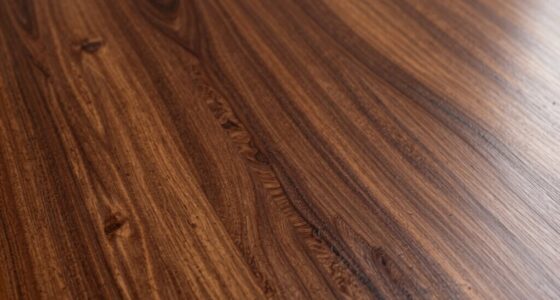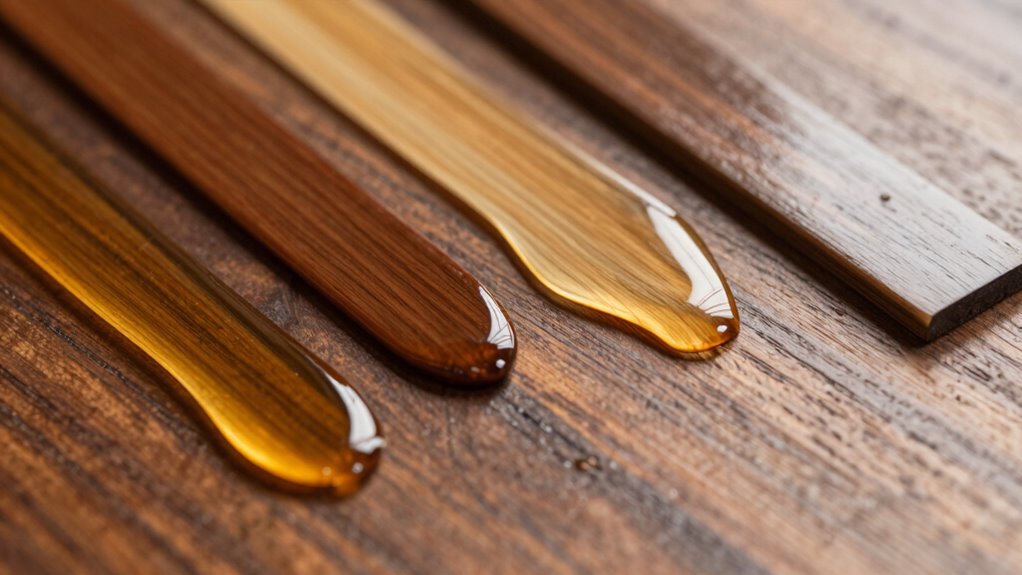

When choosing a finish for your wood project, you need to contemplate the feel each option provides. Oil finishes give a warm, silky texture, while wax offers a delicate, low-sheen surface. Shellac dries glossy and smooth, and polyurethane brings durability with a protective layer that can feel plastic-like. Each finish affects the tactile experience differently, so testing them is key. If you’re curious about finding the right balance between texture and durability, there’s more to discover.

Get business pricing on tools and workshop supplies
- Business-only prices and quantity discounts
- Tax-exempt purchasing
- Multiple users, one account, clear invoices
Key Takeaways
- Oil finishes enhance wood texture and provide a smooth, silky feel, making them forgiving during application.
- Wax finishes offer a soft, low-sheen surface and are easy to apply, but require regular reapplication.
- Shellac finishes dry quickly to a hard, glossy feel, creating a slick surface that may not enhance wood grain.
- Polyurethane finishes are durable, available in oil or water-based, and create a protective, somewhat plastic-like layer.
- The finish feel test involves evaluating textures to ensure the chosen finish aligns with project requirements for both aesthetics and durability.
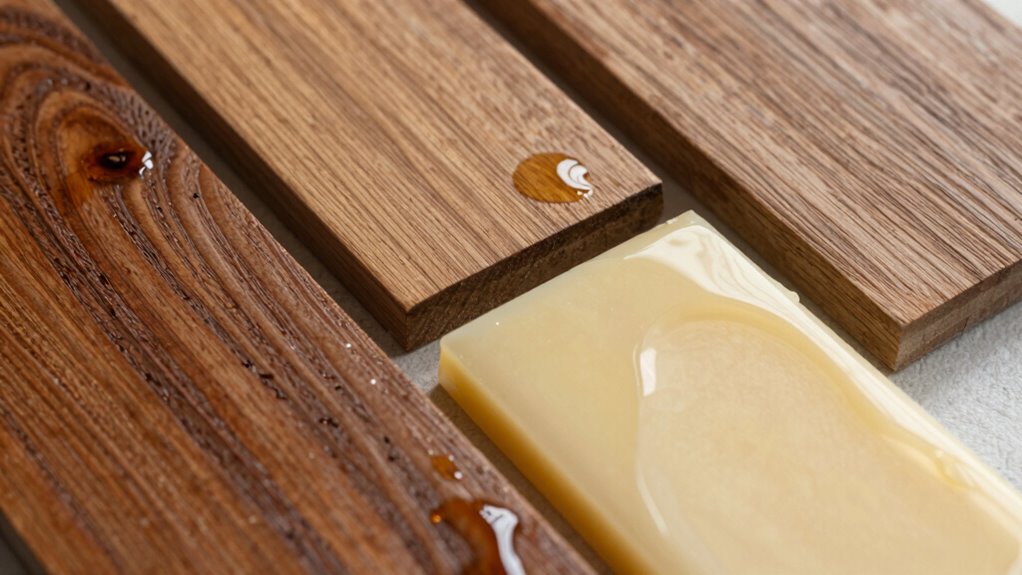
The Finish Feel Test is your go-to method for evaluating how a product feels during and after use. When you’re diving into options like oil, wax, shellac, and polyurethane, it’s essential to understand their unique textures and application techniques. Each finish offers a different tactile experience, and knowing these differences helps you make an informed choice.
Start with oil finishes. They penetrate wood fibers deeply, enhancing the natural texture of the surface. When you apply oil, you’ll notice a smooth, almost silky feel as it soaks in. This method often requires multiple coats, and you’ll want to use techniques like rubbing or buffing to create a consistent finish. In your texture comparison, oil finishes can feel warmer and more organic than others, giving your projects a natural look that’s hard to replicate. Additionally, oil finishes tend to be more forgiving during application, allowing for easier corrections if needed.
Oil finishes deeply penetrate wood fibers, creating a smooth, silky feel that enhances natural texture and warmth in your projects.
Moving on to wax, you’ll find it offers a soft, low-sheen finish that’s easy to work with. Application techniques for wax are typically straightforward; a cloth or brush works well. When you buff the wax after it dries, you create a lovely sheen that feels smooth to the touch. Unlike oils, wax can feel a bit more delicate, and it may require reapplication over time, especially in high-traffic areas. This variability in texture can be both a pro and con, depending on your project’s needs.
Shellac presents another texture altogether. It dries quickly and creates a hard, glossy finish that can feel somewhat slick. Applying shellac usually involves a brush, and you’ll want to work in thin layers to avoid drips. The finish feels very different compared to oil or wax; it’s more rigid and less absorbent. In your texture comparison, shellac might not enhance the wood’s grain as much, but it does provide a beautiful, high-gloss appearance. Additionally, understanding the finish feel of shellac can help you determine its suitability for different projects.
Lastly, polyurethane is your go-to for durability. It can feel quite hard and can be either oil-based or water-based. The application techniques vary; water-based options dry quickly and can be brushed or rolled on, while oil-based types tend to self-level better. In your texture comparison, polyurethane offers a tough, protective layer that can feel somewhat plastic-like compared to the more natural finishes. Recognizing the texture differences among these products can help you match the finish to your project’s specific requirements.
Ultimately, the Finish Feel Test helps you understand how each product interacts with your project. By experimenting with these finishes, you’ll find the right balance of texture and durability for your needs.
As an affiliate, we earn on qualifying purchases.
Frequently Asked Questions
What Are the Benefits of Using Natural Finishes Over Synthetic Ones?
Using natural finishes offers several benefits over synthetic ones. You enhance the natural beauty of your projects while ensuring a healthier environment for yourself and others. Natural finishes often have fewer harmful chemicals, reducing health impacts on you and your family. They’re also biodegradable, making them more eco-friendly. Plus, you’ll enjoy the unique character and depth that natural products bring to your work, giving it a warm, authentic feel that synthetics can’t match.
How Do Different Finishes Affect the Durability of Wood?
Different finishes considerably impact wood’s durability. In your wood finish comparisons, you’ll find that oils penetrate deeply, enhancing the wood’s natural beauty but offering limited protection. Waxes provide a soft sheen but wear easily. Shellac dries quickly and adds a warm glow, though it’s less resistant to moisture. Polyurethane offers the best durability factors, forming a tough layer against scratches and spills, making it ideal for high-traffic areas. Choose wisely based on your needs!
Can I Mix Different Types of Finishes?
You can mix different types of finishes, but you need to be cautious about finish compatibility. Some finishes work well together, while others don’t adhere properly. Before mixing, test a small area to see how they interact. Use mixing techniques like layering or blending, but verify each layer’s fully cured before applying the next. This way, you’ll achieve a durable and appealing finish without compromising the wood’s integrity.
What Tools Are Best for Applying These Finishes?
When you’re applying finishes, the right tools can make all the difference. Use high-quality brushes for smooth application, and consider foam applicators for wax. Always prepare the surface well; a clean, sanded surface guarantees better finish compatibility. Brush techniques matter too—use long, even strokes to avoid streaks. Experiment with different application methods to see what works best for your project. You’ll feel the difference in the final result!
How Long Does Each Finish Typically Last?
Finish longevity varies by type. Oil finishes can last a few years with regular maintenance, while wax may need reapplication every few months. Shellac typically lasts about a year, especially in high-use areas, requiring frequent upkeep. Polyurethane finishes are the most durable, often lasting up to a decade with minimal maintenance. To maximize each finish’s life, stay vigilant about maintenance frequency and address any wear as soon as you notice it.
As an affiliate, we earn on qualifying purchases.
Conclusion
As you run your fingers over that beautifully finished surface, you might recall the warmth of a sunlit afternoon spent crafting with loved ones. It’s funny how the right finish can transport you back—oil’s gentle embrace, wax’s soft glow, or shellac’s timeless elegance. Each texture tells a story, a moment frozen in time. So, next time you choose a finish, remember: it’s not just about looks; it’s about the feelings and memories you’ll create along the way.
As an affiliate, we earn on qualifying purchases.
As an affiliate, we earn on qualifying purchases.
Fall yard work Picks
leaf blowers
As an affiliate, we earn on qualifying purchases.