
Controlling overspray in your spray booth starts with proper airflow management. By ensuring the airflow is balanced and well-maintained, you can effectively remove excess overspray, fumes, and dust while creating a clean and safe environment. Regular filter inspections and replacements keep airflow strong and consistent, preventing paint defects and contamination. Understanding and optimizing airflow dynamics helps achieve a flawless finish. Keep exploring to discover more ways to enhance your spray booth’s performance and safety.

Get business pricing on tools and workshop supplies
- Business-only prices and quantity discounts
- Tax-exempt purchasing
- Multiple users, one account, clear invoices
Key Takeaways
- Proper airflow control removes overspray and fumes, ensuring a clean, safe, and high-quality painting environment.
- Regular filter maintenance prevents airflow restrictions and maintains consistent fume extraction.
- Adjusting airflow settings optimizes fume removal and paint application, reducing overspray buildup.
- Monitoring and calibrating airflow patterns ensure even paint application and proper fume evacuation.
- Effective airflow management creates a controlled environment that minimizes contamination and improves finish quality.
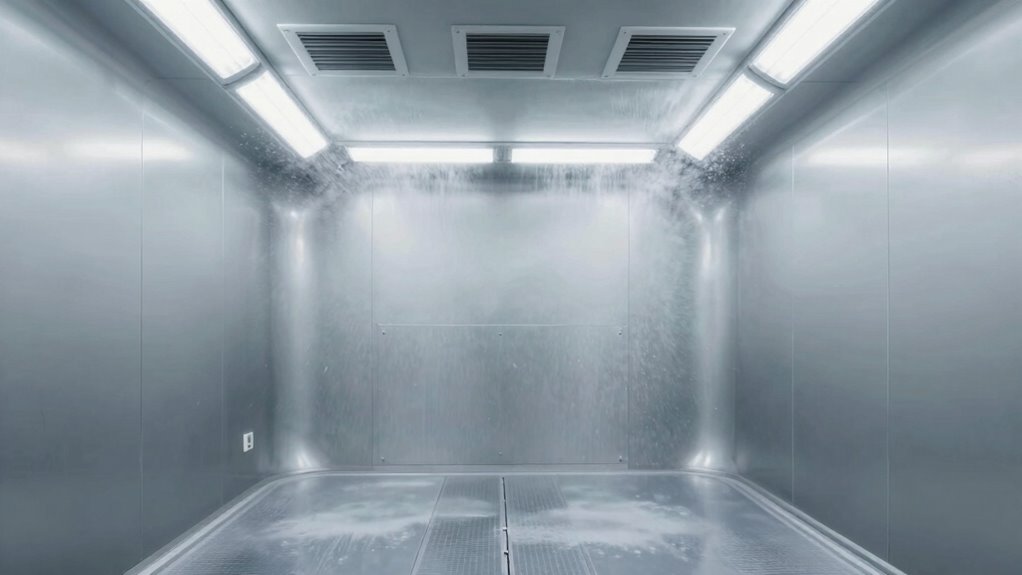
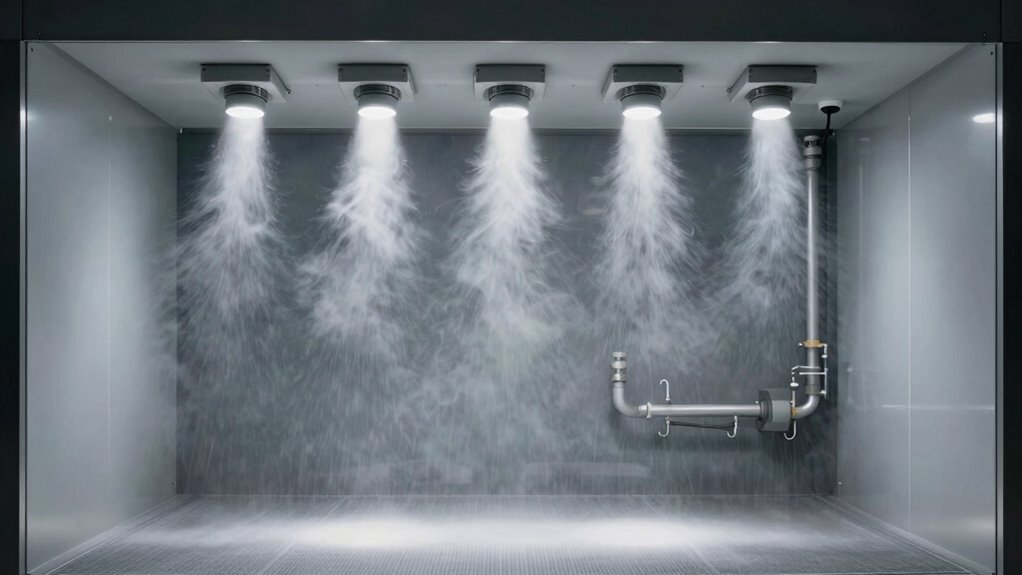
Have you ever wondered what makes a spray booth vital for achieving a flawless finish? It all comes down to controlling airflow, which directly impacts the quality of your paint job. Proper ventilation efficiency ensures that overspray and fumes are effectively removed from the workspace, preventing contamination and ensuring a smooth, even coat. When your spray booth is optimized for ventilation, you create a controlled environment that minimizes dust, debris, and excess paint particles settling on your workpiece. This not only improves the final appearance but also enhances safety by reducing harmful fumes. Regular filter maintenance is crucial because ventilation efficiency depends heavily on keeping air paths clear of debris. A key factor in maintaining peak ventilation efficiency is regular filter maintenance. Your filters trap overspray, dust, and airborne contaminants, preventing them from recirculating and settling on your freshly painted surface. Over time, these filters accumulate debris, which can restrict airflow and reduce the booth’s ability to vent fumes properly. If you neglect filter maintenance, airflow becomes inefficient, leading to uneven drying, streaks, or even paint defects. Keeping filters clean ensures that the airflow remains strong and consistent, which is essential for achieving that flawless finish you’re aiming for. To maximize ventilation efficiency, you should routinely inspect and replace filters as needed. This might mean checking them after each use or on a regular schedule, depending on your workload. When filters are clogged or dirty, replace them promptly to prevent airflow restrictions. A well-maintained filtration system keeps the air moving smoothly, reducing the risk of overspray buildup and allowing your paint to cure evenly. This also helps maintain a safe working environment by removing toxic fumes from the workspace efficiently. Additionally, understanding the airflow dynamics within your booth can help optimize performance and safety. Adjusting airflow settings can further improve your spray booth’s performance; for example, airflow regulation plays a crucial role in balancing fume extraction and paint application. Finding the right balance ensures that your paint is applied evenly and dries uniformly. Regularly calibrate and monitor your ventilation system to keep it running at peak performance. Proper airflow management also involves understanding how airflow patterns distribute fumes and overspray throughout the booth, which is essential for maintaining both quality and safety.
spray booth air filtration system
As an affiliate, we earn on qualifying purchases.
As an affiliate, we earn on qualifying purchases.
Frequently Asked Questions
How Often Should Spray Booth Filters Be Replaced?
You should replace spray booth filters based on their filter lifespan, which typically ranges from every few weeks to several months, depending on usage. Regularly check your filters and follow your manufacturer’s recommended replacement schedule to guarantee ideal airflow and overspray control. If you notice reduced airflow, increased paint buildup, or visible debris, it’s time for a filter replacement to maintain safe, efficient painting conditions.
What Safety Precautions Are Necessary During Spray Booth Operation?
Think of operating a spray booth like handling a delicate instrument—you need to stay safe. Always wear protective gear like masks, gloves, and goggles to shield yourself from fumes and overspray. Make certain your ventilation systems are working properly to remove hazardous particles. Keep the area well-ventilated, and never bypass safety features. These precautions protect you from inhaling toxic substances and reduce fire risks, making your work safer and more efficient.
Can Different Paint Types Be Used in the Same Spray Booth?
Yes, you can use different paint types in the same spray booth, but you must consider paint compatibility and VOC considerations. Make sure the paints are compatible to prevent reactions or poor finishes. Also, check VOC levels to comply with safety and environmental regulations, especially if switching between solvent-based and water-based paints. Proper cleaning between uses is vital to avoid contamination and maintain a safe, efficient environment for all paint types.
How Does Booth Size Affect Airflow Design?
You should consider booth size carefully because it directly impacts airflow patterns and ventilation efficiency. Larger booths require more powerful fans and well-designed airflow to prevent overspray buildup and guarantee even paint application. Smaller booths may need less ventilation, but improper airflow can cause overspray issues. Properly matching the booth size with your airflow system ensures consistent ventilation efficiency, reducing overspray and improving overall paint quality.
What Maintenance Is Required to Ensure Consistent Airflow?
To guarantee consistent airflow, you need to regularly check filtration efficiency and perform airflow calibration. Clean filters frequently to prevent clogs that reduce airflow. Also, calibrate your airflow system periodically with the proper tools to maintain ideal pressure and flow rates. This routine maintenance helps prevent overspray, ensures a safe working environment, and keeps your spray booth performing at its best.
spray booth filter replacement kit
As an affiliate, we earn on qualifying purchases.
As an affiliate, we earn on qualifying purchases.
Conclusion
Mastering airflow in your spray booth isn’t just about avoiding messes; it’s about creating a flawless finish. Think of it as a dance—when airflow is controlled, overspray fades into the background, leaving your work shining. Without proper airflow, chaos takes center stage. So, embrace these basics, and let your skills take the spotlight. After all, precision starts with a steady breath of clean, controlled air.
As an affiliate, we earn on qualifying purchases.
fume extraction fan for spray booth
As an affiliate, we earn on qualifying purchases.
As an affiliate, we earn on qualifying purchases.
Fall yard work Picks
leaf blowers
As an affiliate, we earn on qualifying purchases.