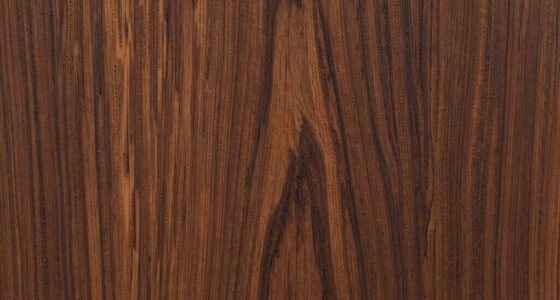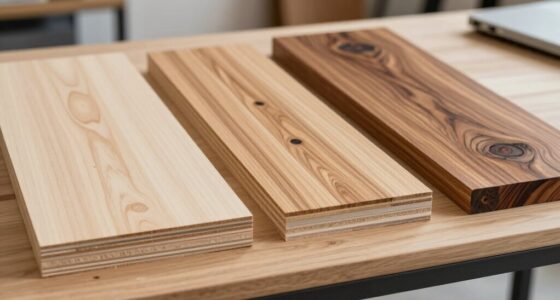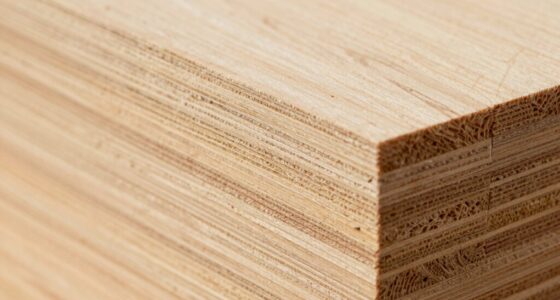

Most people miss that while both sapwood and heartwood come from the same tree, heartwood’s durability outperforms sapwood due to its dense, dead cells and natural preservatives. Sapwood contains living cells with higher moisture levels, making it more prone to decay and pests unless treated properly. Knowing this essential difference helps you select the right material for longevity. Keep exploring, and you’ll uncover even more ways to maximize your wood’s durability.

Get business pricing on tools and workshop supplies
- Business-only prices and quantity discounts
- Tax-exempt purchasing
- Multiple users, one account, clear invoices
Key Takeaways
- Heartwood has natural chemical compounds that significantly enhance its decay and pest resistance compared to sapwood.
- The dense cell structure of heartwood provides superior durability and resistance to environmental factors.
- Sapwood’s higher moisture content and open growth rings make it more vulnerable to rot and decay.
- Proper identification of these layers involves examining color, grain, and location within the tree.
- Using treated or naturally resistant heartwood extends the lifespan of outdoor and structural wood applications.
As an affiliate, we earn on qualifying purchases.
What Are Sapwood and Heartwood? The Basics Explained
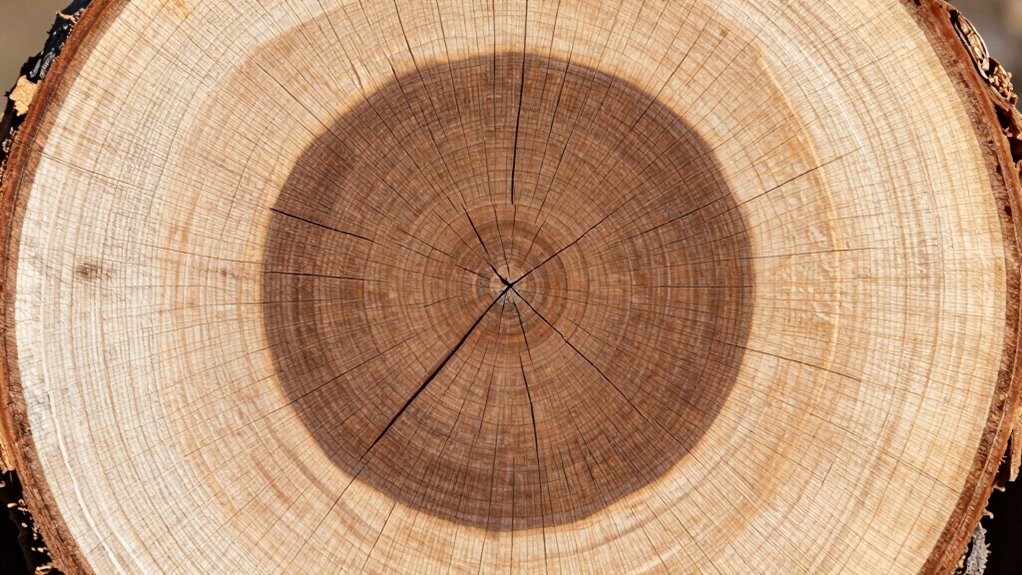
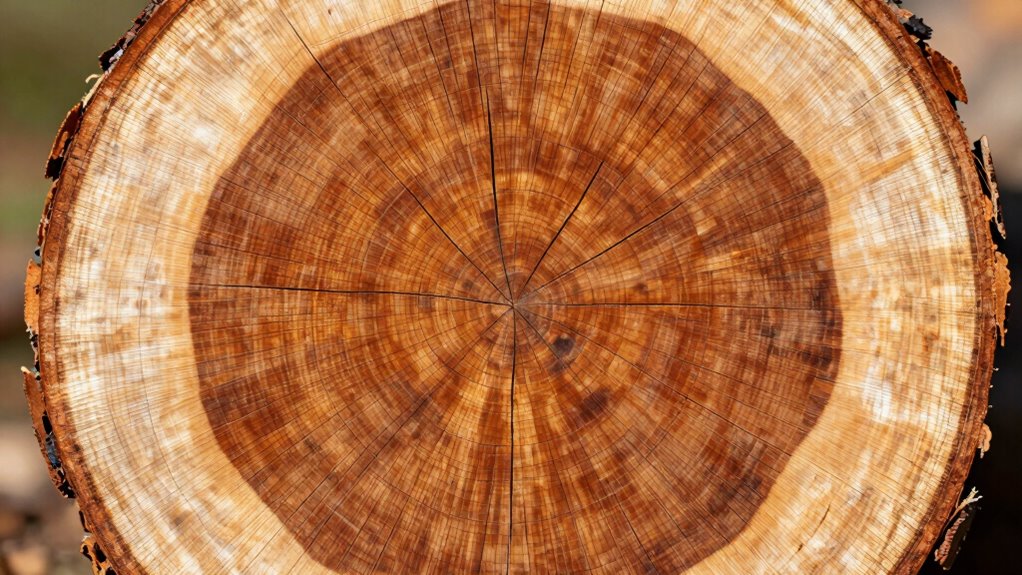
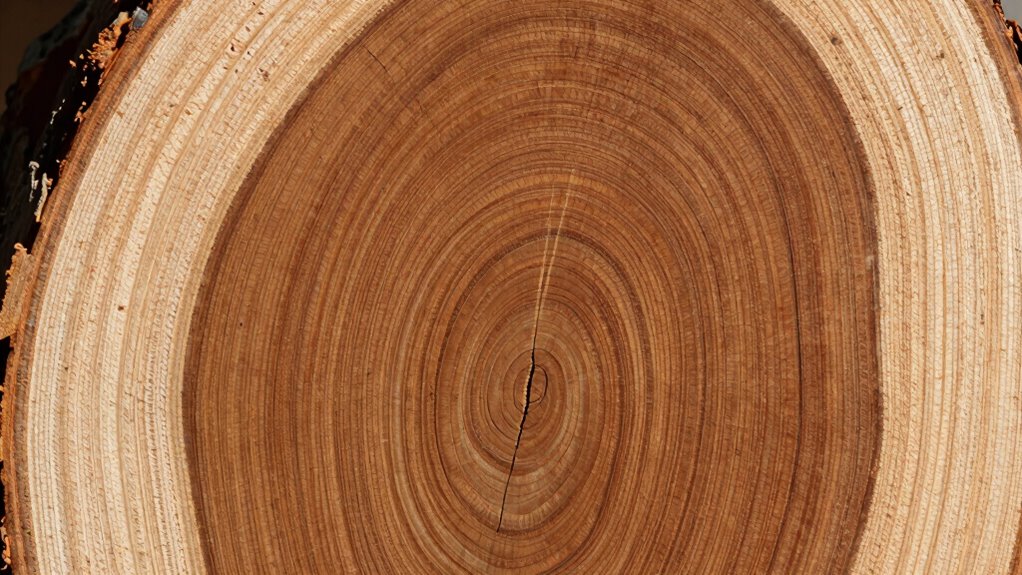
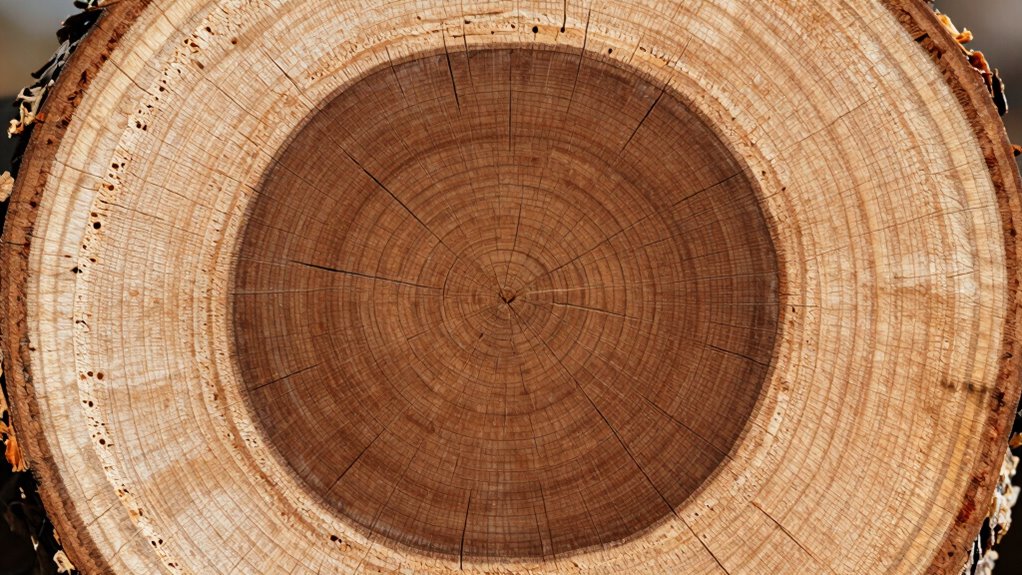
Sapwood and heartwood are the two main types of wood found in a tree. Sapwood is the outer layer, active in transporting nutrients, so it often has a lighter color and a more prominent wood grain. Heartwood, on the other hand, is the inner core that provides structural support; it usually appears darker and has a more uniform appearance. You’ll notice that the wood grain can look different between these layers, affecting the overall look of your project. Color variation between sapwood and heartwood is common, giving each piece unique character. Understanding these differences helps you choose the right wood for furniture or flooring, ensuring durability and aesthetic appeal. Recognizing the distinction is key to making informed decisions about your woodworking or construction needs. Additionally, knowing the durability differences can influence your choice for sustainable and secure construction materials that last longer.
pressure treated heartwood lumber
As an affiliate, we earn on qualifying purchases.
As an affiliate, we earn on qualifying purchases.
How Do Sapwood and Heartwood Differ in Composition and Color
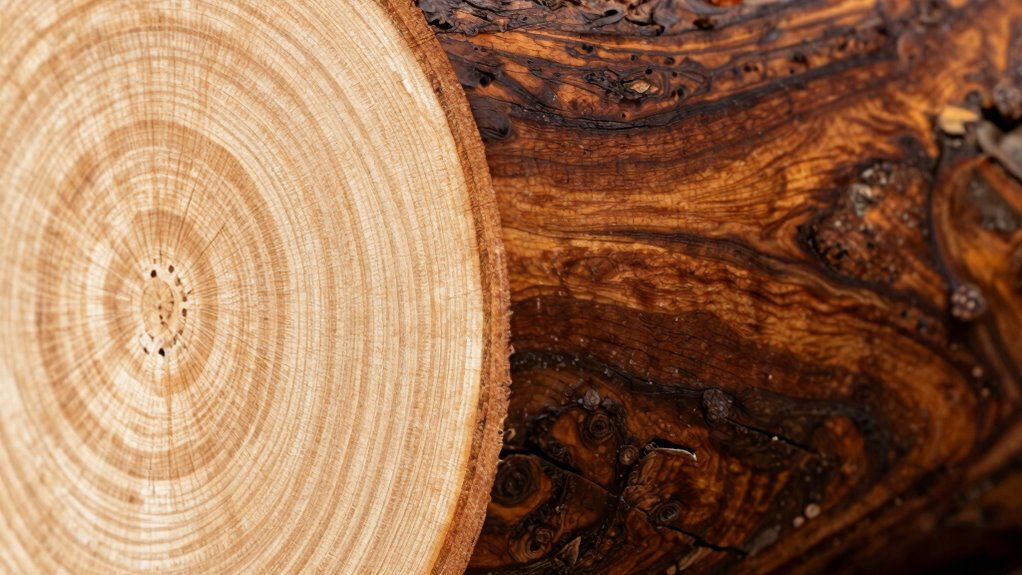
While both sapwood and heartwood originate from the same tree, they differ markedly in their composition and color. Sapwood contains living cells that transport nutrients, making it softer and more prone to decay. Its wood grain is usually lighter and less uniform, with subtle color variations. Heartwood, on the other hand, is composed of dead, hardened cells that provide durability. It tends to have richer, darker tones with more consistent color variations, giving it a distinctive appearance. These differences in composition directly influence the wood’s color and grain pattern, affecting its aesthetic appeal and how it looks in finished projects. Recognizing these distinctions helps you select the right wood type for your needs, balancing appearance with durability. Additionally, understanding the wood’s natural durability can guide you in choosing materials that will stand the test of time.
As an affiliate, we earn on qualifying purchases.
Which Part of the Tree Is More Durable for Your Wood Projects?

When choosing wood for your projects, you should consider which part of the tree offers better durability. Sapwood and heartwood differ in natural resistance, structural makeup, and how they hold up against exposure. Understanding these differences helps you select the strongest material for your specific needs. Additionally, the color and appearance of heartwood often make it more desirable for visible woodwork, further influencing your choice.
Natural Resistance Levels
Ever wondered which part of a tree offers better natural resistance for your woodworking projects? Heartwood generally has higher resistance because it contains natural chemicals that deter pests and decay, making it more durable. In contrast, sapwood is more vulnerable, although it often features an attractive wood grain and aesthetic appeal. Understanding these resistance levels helps you choose the right wood for your project’s environment. Here’s a quick comparison:
| Feature | Heartwood | Sapwood | Durability Impact |
|---|---|---|---|
| Natural resistance | High | Lower | Heartwood lasts longer outdoors |
| Appearance | Richer color, attractive | Lighter, more uniform | Sapwood offers appealing wood grain |
| Susceptibility | Less prone to pests/damage | More prone to rot | Heartwood is more durable overall |
Additionally, the presence of certain natural chemicals in heartwood further enhances its durability, making it a preferred choice for outdoor applications.
Structural Composition Differences
The structural composition of a tree’s wood substantially influences its durability and suitability for various projects. Differences in growth rings, moisture content, and cell structure determine how strong and resilient each part is. Typically, heartwood contains densely packed cells, making it more resistant to decay. Conversely, sapwood has higher moisture content and more open growth rings, which can make it less durable. Understanding these structural differences helps you choose the right wood part for your project. Cell structure also plays a crucial role in determining wood strength and longevity.
Exposure and Durability
Because heartwood has densely packed cells and fewer open spaces, it generally offers greater durability and resistance to environmental factors. Its enhanced moisture resistance makes it less prone to rotting, decay, and insect attacks, especially when exposed to outdoor conditions. This durability means your projects will last longer and require less maintenance over time. Additionally, heartwood’s rich coloration and natural aesthetic appeal add beauty and character to furniture or structures. In contrast, sapwood tends to be more vulnerable to moisture penetration and weathering, making it less suitable for exposed applications. When choosing wood for outdoor or high-exposure projects, opting for heartwood guarantees better performance, longevity, and visual appeal—saving you time, effort, and money in the long run. Color stability is another important factor that contributes to the overall durability of heartwood in various projects.
As an affiliate, we earn on qualifying purchases.
How Durability Affects the Longevity of Your Woodwork
The natural resistance of wood plays a big role in how long your project lasts. Choosing durable wood with inherent defenses against decay can save you maintenance and repairs later. Your selection impacts not just appearance but also how well your woodwork stands up over time. Incorporating Free Floating design principles can further enhance the longevity and aesthetic appeal of your outdoor wood features.
Natural Resistance Factors
Durability greatly influences how long your woodwork will last, and natural resistance factors play a key role in this. Your wood’s growth patterns and chemical composition determine its ability to resist decay and pests. For example:
- Growth patterns affect density and cell structure, impacting resistance.
- Chemical compounds like extractives can deter insects and fungi.
- Heartwood typically contains higher concentrations of natural preservatives.
- Sapwood often has less natural resistance due to its different chemical makeup.
- The presence of extractives enhances the wood’s natural defenses against environmental threats.
Understanding these factors helps you anticipate how well your wood will withstand environmental threats. The natural resistance of wood varies based on species and how it develops, making it essential to choose the right type for durability. This knowledge ensures your woodwork remains beautiful and long-lasting.
Impact of Wood Selection
Choosing the right type of wood directly influences how long your project will last, as different woods offer varying levels of strength and resistance. Your choice affects factors like wood grain and moisture content, which influence durability. Hardwoods with tight grain resist moisture absorption better, reducing warping and decay. Softer woods or those with open grain may absorb moisture more easily, decreasing longevity. Selecting wood with appropriate moisture content before installation guarantees stability over time. Consider these factors when choosing your wood to maximize durability and lifespan. Additionally, understanding the moisture content of the wood prior to installation can prevent issues like expansion and contraction that compromise structural integrity.
Common Mistakes When Choosing Between Sapwood and Heartwood
Many people make the mistake of assuming that sapwood and heartwood are interchangeable or equally suitable for all projects. This can lead to durability issues or aesthetic mismatches. When choosing, consider these common mistakes: 1. Ignoring wood grain patterns, which differ between sapwood and heartwood and affect appearance. 2. Overlooking environmental factors that influence how each type responds to moisture and decay. 3. Assuming all sapwood is less durable without recognizing species-specific qualities. 4. Not evaluating how the location of the wood within the tree impacts its suitability for your project. Understanding these differences helps you select the right wood for longevity and visual appeal. Remember, environmental factors and grain patterns are key clues in making informed choices between sapwood and heartwood. Additionally, being aware of the species-specific qualities can help prevent unexpected issues related to wood durability and appearance.
How to Identify Sapwood and Heartwood in Your Lumber
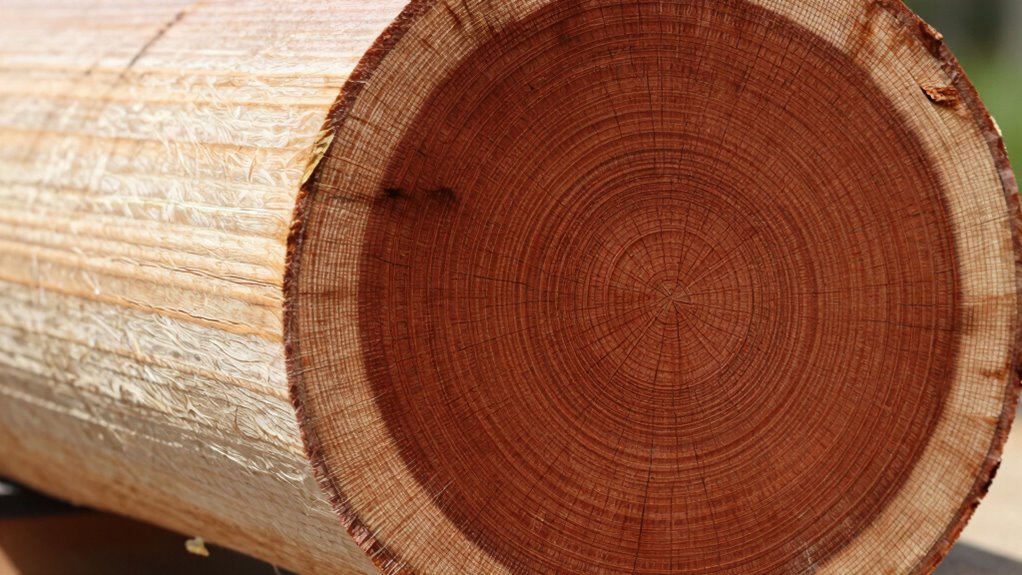
Have you ever wondered how to tell sapwood from heartwood in your lumber? One way is to examine the wood grain; sapwood often has a lighter, more uniform appearance, while heartwood tends to be darker and more varied. Look for a noticeable color contrast within the wood, as it’s usually a clear visual cue. The changeover between the two can be subtle, so inspect the edges carefully—sapwood is typically near the outer surface, with a softer, lighter look, whereas heartwood is deeper and darker. Pay attention to the texture as well—heartwood may feel slightly harder. By closely observing the wood grain and color differences, you can confidently identify whether you’re dealing with sapwood or heartwood.
Best Uses for Sapwood and Heartwood in Different Projects
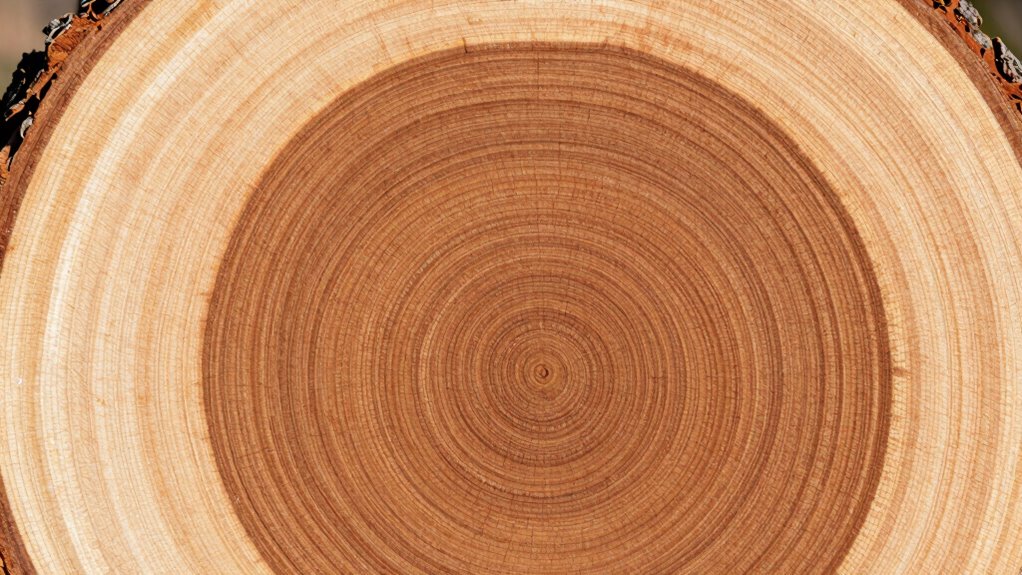
Sapwood and heartwood each have distinct qualities that make them suitable for different projects. Sapwood’s lower wood density makes it lighter and easier to work with, while its natural aesthetic appeal adds warmth to visible surfaces. Heartwood, being denser and more durable, is ideal for projects requiring longevity and strength. Consider these uses:
- Furniture Frames – Use heartwood for durability and strength.
- Decorative Paneling – Sapwood’s aesthetic appeal enhances visual interest.
- Outdoor Structures – Heartwood’s resistance suits decks and fences.
- Carvings and Accents – Sapwood’s lighter weight makes intricate work easier.
Matching the wood’s qualities to your project needs ensures suitable performance and appearance. Understanding these differences helps you choose the right wood for lasting, attractive results.
Can Treatments Improve Sapwood’s Durability?
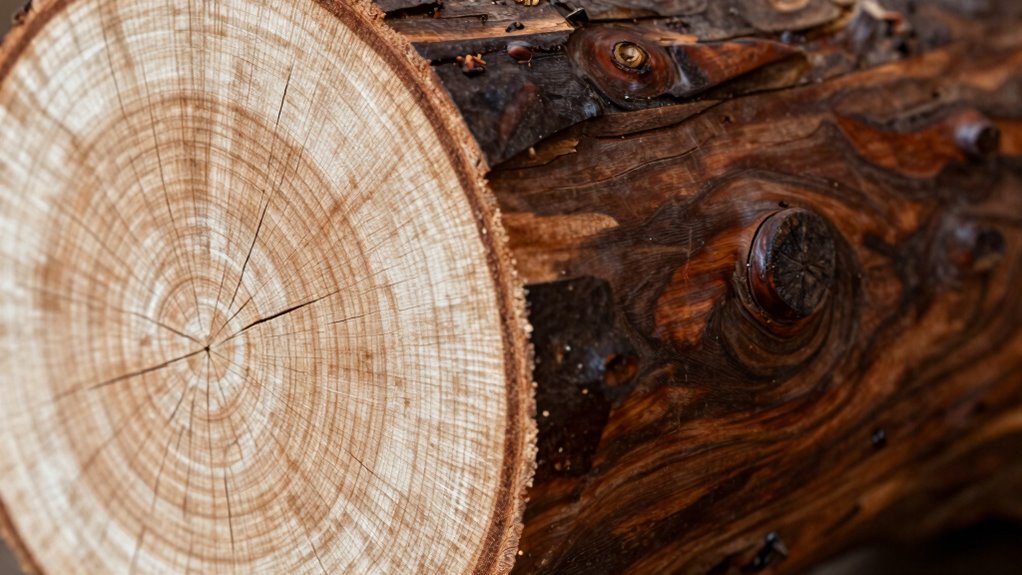
While sapwood is valued for its aesthetic appeal and ease of workability, its natural vulnerability to decay and insect attack often raises concerns about durability. Fortunately, chemical treatments and preservation techniques can markedly enhance its lifespan. Applying preservatives like borates or copper-based compounds penetrates the wood, creating a protective barrier against pests and rot. These treatments are especially effective when the sapwood is properly prepared and treated early. Some preservation techniques also involve pressure treatment, which ensures deeper and more uniform protection. Keep in mind, though, that not all treatments are suitable for every application, so selecting the right chemical treatments based on your project’s environment is vital. Overall, treatments can turn sapwood into a more durable material without sacrificing its natural beauty.
Tips for Choosing the Right Wood Part to Make Your Projects Last
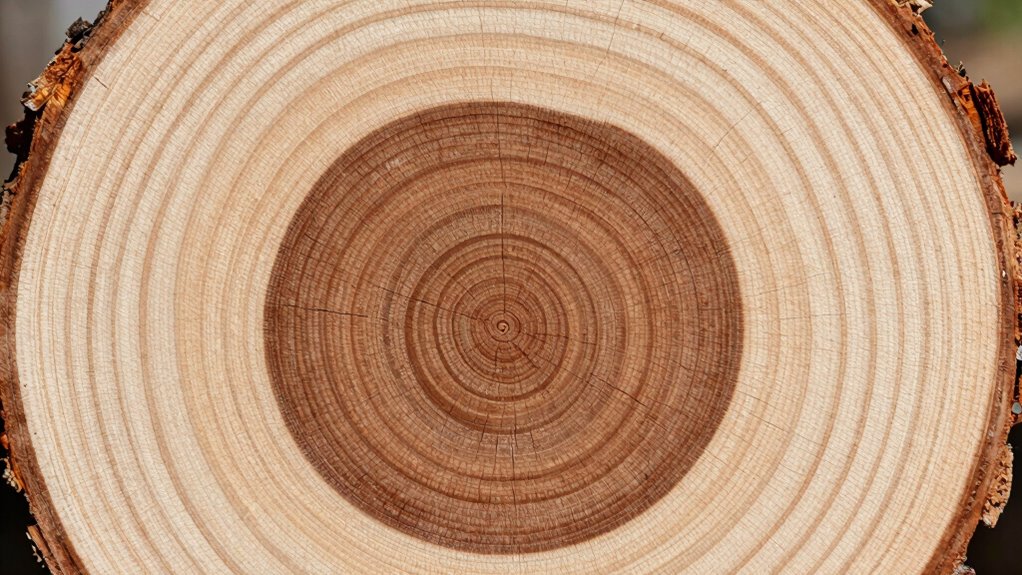
Choosing the right wood part for your project can considerably impact its durability and lifespan. To guarantee longevity, focus on selecting areas with ideal wood density and appropriate moisture content. Higher-density wood tends to resist decay better, especially in heartwood. When choosing parts, consider these tips:
- Opt for heartwood sections, as they usually have lower moisture content and better natural resistance.
- Avoid sapwood in exposed areas, since it contains more moisture and is more prone to decay.
- Check the wood’s moisture content; aim for 12-15% for most indoor projects.
- Select wood parts with consistent density to prevent warping and cracking over time.
Frequently Asked Questions
How Does Environmental Exposure Influence Sapwood and Heartwood Durability?
Environmental exposure affects sapwood more than heartwood because it has higher moisture content, making it more vulnerable to fungal susceptibility. When exposed to moisture, sapwood absorbs water, increasing decay risk, while heartwood remains more resistant. You should protect exposed wood surfaces, especially sapwood, from moisture and fungi by sealing or treating them. This prolongs durability, ensuring your wood lasts longer despite environmental challenges.
Are There Specific Wood Species Where the Durability Difference Is Minimal?
In some species comparison, the durability variance between sapwood and heartwood is minimal, especially in species like cedar and redwood. You’ll find that their sapwood offers comparable resistance to decay and pests, making them suitable for outdoor use. This reduced durability gap means you can often use sapwood in applications where durability is critical, saving costs without sacrificing longevity. Always verify specific species properties for your project needs.
Can You Naturally Enhance Sapwood’s Resistance Without Chemical Treatments?
You can give sapwood a gentle boost in resistance through natural preservation methods like oiling or soaking in eco-friendly solutions, which are kinder to the environment. These techniques help protect against moisture and pests without harsh chemicals, reducing environmental impact. While not as permanent as chemical treatments, consistent application enhances durability, making your wood more resilient while keeping your project eco-conscious and safe for the planet.
How Does Wood Aging Affect the Properties of Sapwood Versus Heartwood?
As wood ages, its durability impact varies between sapwood and heartwood. You’ll find that aging enhances heartwood’s natural resistance, making it more durable over time. In contrast, sapwood’s properties don’t improve markedly with age, so it remains more vulnerable to decay and pests. By understanding this, you can better predict how aging influences the longevity of different wood parts, especially when considering durability for your projects.
What Are the Cost Implications of Choosing Heartwood Over Sapwood?
Choosing heartwood over sapwood often means higher upfront costs due to its premium quality and durability. However, you’ll likely save on maintenance costs over time because heartwood resists decay and pests better. The cost comparison leans in favor of heartwood if you want long-term durability. While initial expenses are higher, investing in heartwood reduces future repairs and replacements, making it a smart, cost-effective choice in the long run.
Conclusion
Understanding the difference between sapwood and heartwood isn’t just about appearance—it’s about durability and longevity. While sapwood may look appealing, heartwood offers greater resistance to decay, making it ideal for lasting projects. But don’t overlook the beauty of sapwood’s lighter tones. The key is choosing the right part for your needs. Remember, what seems less durable today might be perfect tomorrow, reminding you that beauty and strength often lie in contrast.
Fall Picks
fall essentials
As an affiliate, we earn on qualifying purchases.