
Visual weight in furniture design helps you transform a bland space into something intentional. It involves balancing heavy and light pieces, using color contrast, and mixing materials to create visual interest. When you understand how visual weight shapes perception, you can arrange your furniture to enhance interaction and usability. By clustering or spreading out heavier pieces, you can guide the mood of your space. Explore how these principles can elevate your design even further.

Get business pricing on tools and workshop supplies
- Business-only prices and quantity discounts
- Tax-exempt purchasing
- Multiple users, one account, clear invoices
Key Takeaways
- Visual weight influences how furniture interacts with space, affecting overall balance and perception in a room.
- Color contrast creates focal points, enhancing visual interest and preventing a flat appearance in design.
- Mixing materials with varying visual weights helps achieve harmony and adds depth to furniture arrangements.
- Thoughtful furniture arrangement can dictate flow, creating intimate or open spaces based on visual weight distribution.
- Mastering visual weight and related design principles elevates a designer from amateur to intentional, fostering functional and aesthetically pleasing environments.

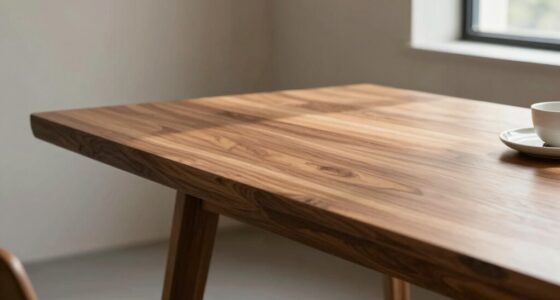
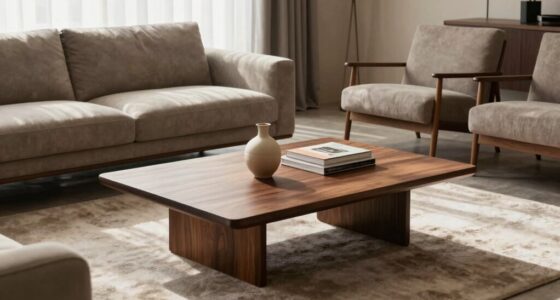
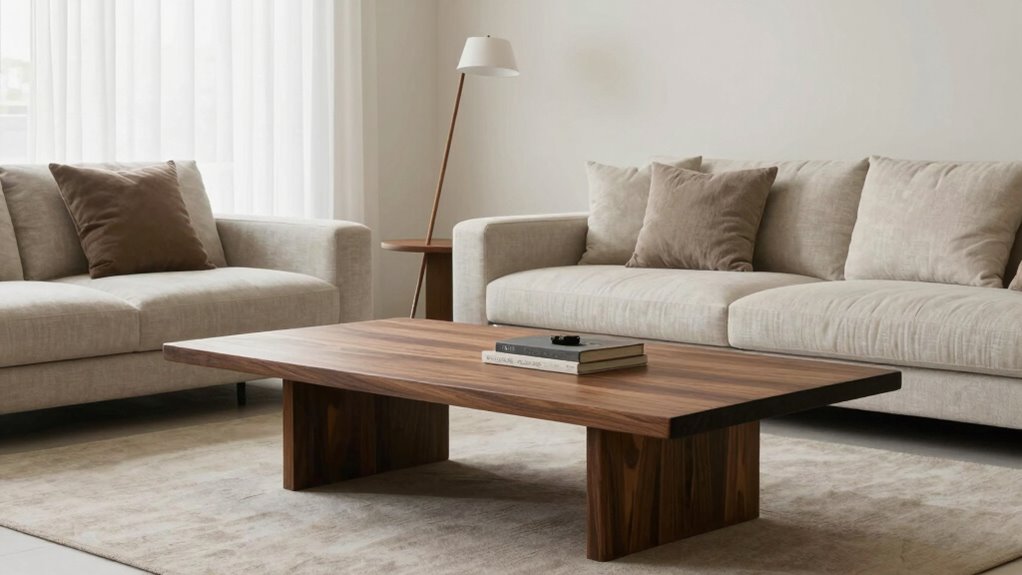
When you walk into a room, the visual weight of the furniture shapes your perception of space. It’s not just about size; it’s how each piece interacts with light and color, creating a sense of balance and harmony. You might notice that a heavy, dark wood table feels substantial, while a light, airy chair might seem to float. This contrast influences how you feel in that space, making it essential to reflect on visual weight when arranging your furniture. Understanding visual weight plays an important role in this principle. Imagine a room where soft pastels dominate but then feature a bold, dark sofa. That stark contrast draws your eye, making the sofa a focal point. It’s like a visual anchor in a sea of gentle hues. You can use color contrast strategically to highlight important pieces or create a sense of depth. If you pair light-colored walls with dark furniture, you’ll create a dynamic environment that feels both inviting and intentional. Conversely, if everything matches too closely, the room can feel flat and uninspiring.
Material balance is just as significant. Different materials carry varying visual weights. A sleek glass table might appear delicate, while a chunky stone bench feels robust. When you mix these materials, you’re not just balancing weight; you’re also creating interest. For instance, combining a heavy leather couch with lighter metal accents can achieve a beautiful equilibrium. This interplay invites you to explore the space, as each piece complements the others. Paying attention to material contrast can enhance the overall harmony of your design. Additionally, understanding design principles can help you make more intentional choices in your space.
When you arrange your furniture, pay attention to how the shapes and colors relate to one another. If you cluster heavier pieces together, you might create a cozy, intimate area. On the other hand, spreading them out can make the room feel more open and airy. Think about the pathways you want to create. Are you inviting conversation or encouraging movement? Your decisions on visual weight will guide that experience.
Ultimately, mastering visual weight in furniture design sets apart the amateur from the intentional designer. You have the power to transform a space from ordinary to extraordinary. By thoughtfully reflecting on color contrast and material balance, you can craft an environment that not only looks good but feels right. Embrace these principles, and you’ll find your design instincts sharpening, leading you to create spaces that truly resonate.
furniture with visual weight contrast
As an affiliate, we earn on qualifying purchases.
As an affiliate, we earn on qualifying purchases.
Frequently Asked Questions
How Does Color Affect Visual Weight in Furniture Design?
Color greatly affects visual weight in furniture design. You’ll notice that darker colors often feel heavier, while lighter shades seem more airy. Utilizing color psychology, you can evoke emotions and set the mood of a space. When you create color contrast, such as pairing a bold piece with softer tones, you draw attention and balance the room. This thoughtful use of color helps you achieve a cohesive and intentional design.
Can Visual Weight Vary by Room Size?
Yes, visual weight can vary by room size. In smaller rooms, you’ll want lighter, more delicate furniture to maintain balance and avoid overwhelming the space. In larger rooms, you can use heavier, more substantial pieces to fill the area and create harmony. Pay attention to room proportions and furniture scale; matching these elements guarantees your design feels intentional and cohesive, enhancing the overall aesthetic and functionality of your space.
What Are Some Common Mistakes in Visual Weight?
Some common mistakes in visual weight include proportion imbalance and texture neglect. You might place oversized furniture in a small room, making it feel cramped, or use too many similar textures, which can flatten the space. Instead, aim for a balanced mix of sizes and materials to create interest. By being mindful of these aspects, you’ll enhance the overall harmony and appeal of your room, avoiding amateurish design pitfalls.
How Do Lighting Conditions Influence Visual Weight?
Lighting conditions greatly influence visual weight. Natural light can soften edges and enhance the colors of furniture, making pieces appear lighter and more inviting. In contrast, artificial light can create shadows and highlight textures, often adding a sense of heaviness. You’ll notice how the same piece of furniture can feel different depending on the lighting. Experimenting with both types of light can help you achieve the desired visual balance in your space.
Are There Cultural Differences in Perceiving Visual Weight?
Yes, there are definitely cultural differences in perceiving visual weight. You’ll find that cultural symbolism plays a big role in how people view furniture. For instance, some cultures may favor lighter, airy designs, while others might lean towards heavier, more substantial pieces. Aesthetic preferences vary, too; what feels balanced and harmonious to one group might seem off-kilter to another. Understanding these nuances can help you create designs that resonate across different cultures.
modern coffee tables with mixed materials
As an affiliate, we earn on qualifying purchases.
As an affiliate, we earn on qualifying purchases.
Conclusion
Understanding visual weight in furniture isn’t just about aesthetics; it’s a key to creating intentional spaces. When you grasp how elements balance each other, you elevate your design game from amateur to expert. So, next time you arrange a room, consider how each piece contributes to the overall feel. Does that heavy sofa anchor the space, or does that sleek chair add lightness? By exploring this principle, you might just transform your home into a harmonious haven.
accent chairs for visual interest
As an affiliate, we earn on qualifying purchases.
As an affiliate, we earn on qualifying purchases.
As an affiliate, we earn on qualifying purchases.
Fall Picks
fall essentials
As an affiliate, we earn on qualifying purchases.