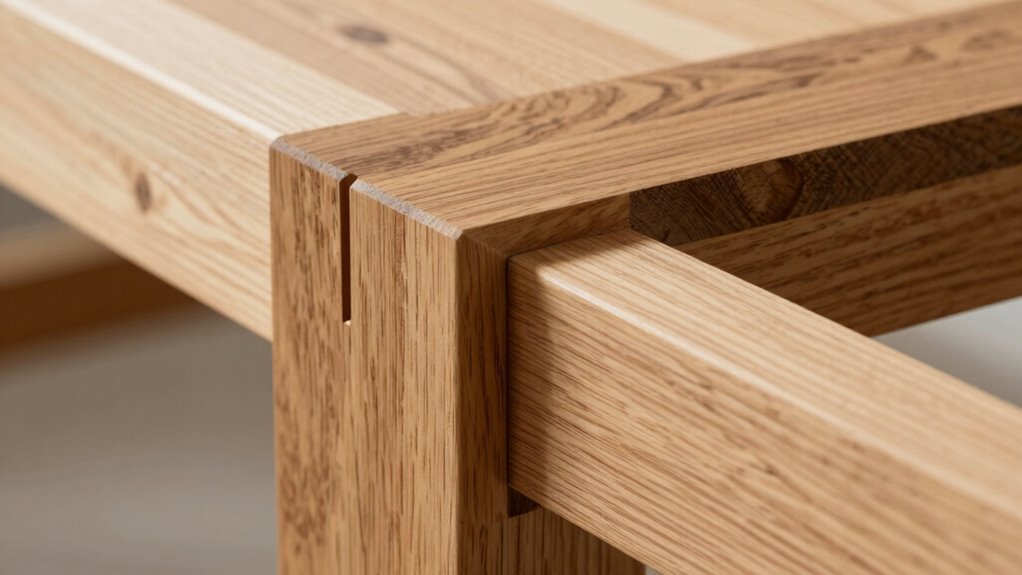
Half-lap joints are a simple, strong way to join wood pieces—perfect for furniture, frames, and more. They’re easy to make with basic tools and create a flush, attractive surface. Despite their reliability and versatility, many woodworkers overlook them, favoring more complex joints. If you want to discover how to use these efficient connections to boost your projects’ strength and appearance, there’s plenty more to explore ahead.

Get business pricing on tools and workshop supplies
- Business-only prices and quantity discounts
- Tax-exempt purchasing
- Multiple users, one account, clear invoices
Key Takeaways
- Half-lap joints are inherently strong, evenly distributing stress and providing durability in load-bearing applications.
- They are simple to make, requiring minimal tools and expertise, making them accessible for beginners and professionals alike.
- Despite their effectiveness, half-lap joints are underutilized, often overshadowed by more complex woodworking joints.
- Their aesthetic versatility allows for neat, flush finishes that enhance project appearance.
- Recognizing their strength and ease of use reveals their significant potential for broader adoption in modern woodworking.
As an affiliate, we earn on qualifying purchases.
What Are Half-Lap Joints: And Why Should You Use Them?
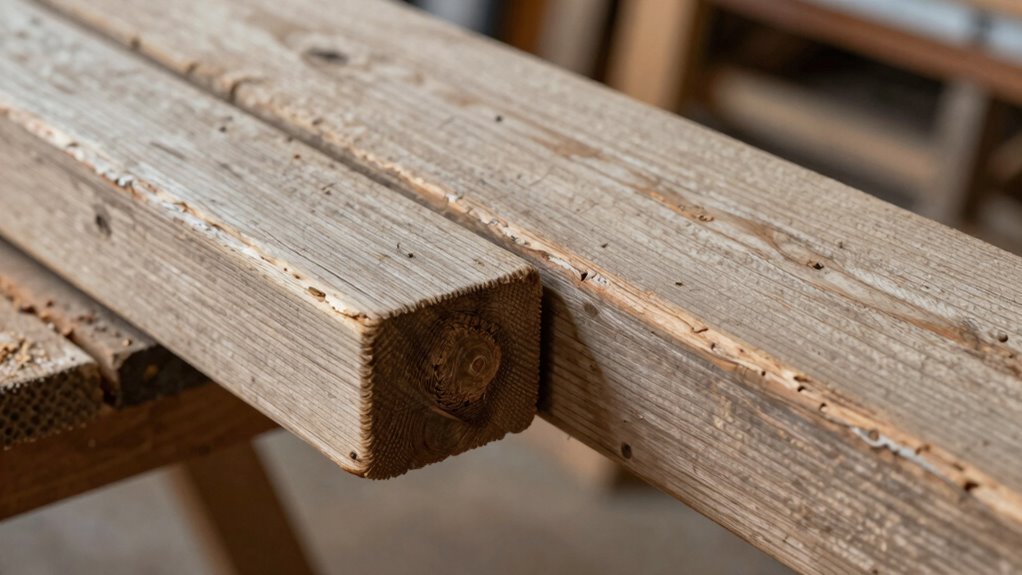
Half-lap joints are a simple yet effective woodworking technique where two pieces of wood are cut halfway through their thickness and then joined together. This creates a flush surface, improving joint aesthetics by offering a clean, seamless look. You’ll find that half-lap joints work best when the materials are compatible, ensuring a strong bond without excessive effort. They’re versatile and reliable, ideal for frames, boxes, and furniture where appearance matters. Because the joint involves removing material from both pieces, it distributes stress evenly, enhancing durability. Additionally, understanding the joint strength can help you choose the right woodworking techniques for your projects. Furthermore, proper adhesion and reinforcement methods can significantly improve the longevity of the joint. Plus, their straightforward design makes them accessible for beginners yet still useful for seasoned woodworkers. If you want a joint that balances simplicity, strength, and visual appeal, half-lap joints are a smart choice.
As an affiliate, we earn on qualifying purchases.
Types of Half-Lap Joints and When to Pick Each

Understanding the different types of half-lap joints helps you choose the best one for your project. The main options include full, half, and keyed half-lap joints, each offering different joint stability and aesthetic appeal. Full half-lap joints provide maximum surface contact, making them stronger and ideal for load-bearing frames. Half-lap joints are simpler to create and blend well visually. Keyed half-lap joints add a groove for a reinforcing key, increasing stability while maintaining a clean look. Here’s a quick comparison: Simple woodworking techniques can make creating these joints more accessible for beginners.
| Type | Joint Stability | Aesthetic Appeal |
|---|---|---|
| Full Half-Lap | Very high | Moderate |
| Half-Lap (standard) | Moderate | Good |
| Keyed Half-Lap | High | Excellent, decorative |
As an affiliate, we earn on qualifying purchases.
Step-by-Step: Making a Strong, Precise Half-Lap Joint
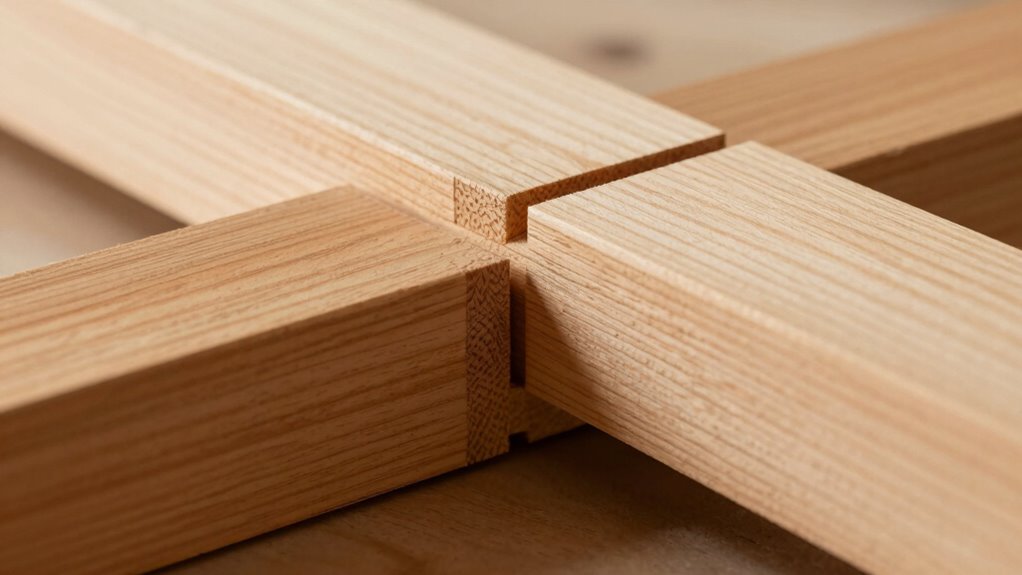
Creating a strong, precise half-lap joint requires careful planning and accurate measurements. Start by marking the joint areas clearly on both pieces, ensuring they align perfectly. Use a sharp saw to cut along your marks, maintaining consistency for a tight fit. For joint reinforcement, consider adding dowels or glue blocks to strengthen the connection, especially if the joint will bear weight. Pay attention to aesthetic considerations by smoothing and sanding the edges for a clean, professional look. Take your time fitting the pieces together, making adjustments as needed for a snug fit. Properly reinforced and precisely cut, your half-lap joint will be both durable and visually appealing, serving as a reliable foundation for your project. Additionally, understanding the structural integrity of your joints can help ensure your project remains sturdy over time. Being aware of wood movement is also crucial to prevent joint failure as environmental conditions change, especially considering how wood reacts to moisture and temperature. Recognizing the impact of environmental factors on wood can further help in planning for long-lasting joints.
As an affiliate, we earn on qualifying purchases.
Essential Tools and Materials for Half-Lap Joints
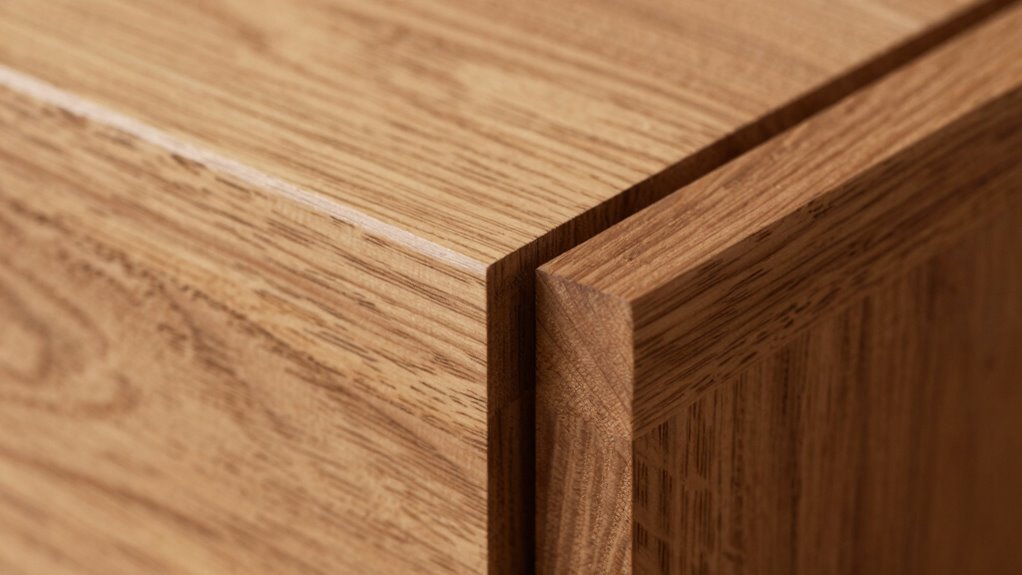
To make precise half-lap joints, you’ll need a selection of essential tools and materials that guarantee accuracy and durability. A sharp saw or a router with a straight bit is vital for clean cuts, enabling you to execute precise cutting techniques. Measuring tools like a combination square and a marking gauge help ensure accurate layout lines. Clamps keep your work steady during cutting and assembly. When it’s time to bond, choose a high-quality joint adhesive suitable for your wood type, guaranteeing a strong, lasting connection. Sandpaper or a file can be used to smooth edges before joining. Having these tools and materials ready will streamline your process and result in a professional, durable half-lap joint. Proper cutting techniques and reliable adhesives are the foundation of a successful project. Power tools can significantly improve both the speed and precision of your joints, especially when used correctly.
Tips for Achieving a Tight Fit and a Strong Bond
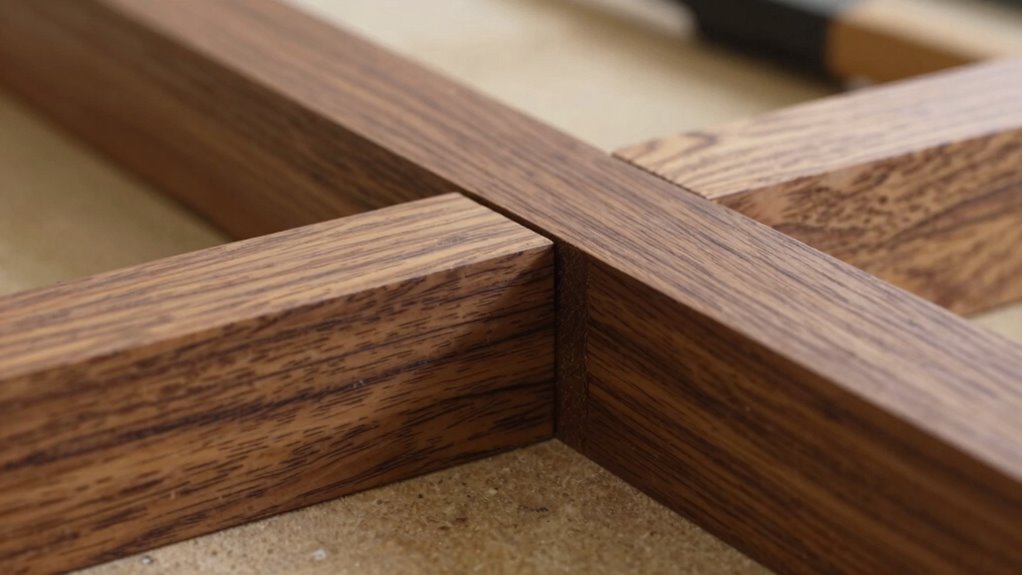
Achieving a tight fit and a strong bond in your half-lap joint depends on precise measurements and careful preparation. To maximize joint stability, double-check your cuts before assembly, ensuring they’re exact and smooth. Use sharp tools for clean, accurate cuts that fit tightly without gaps. Sand the mating surfaces to remove any roughness or imperfections, promoting better contact. When assembling, apply even pressure to ensure the joint seats properly. Clamping is essential—tighten clamps gradually to avoid misalignment and ensure consistent pressure across the joint. Remember, woodworking precision is key; even small inaccuracies can weaken the bond. Incorporating proper measurement techniques and connected equipment can further enhance your craftsmanship. Paying close attention to wood grain orientation can also help achieve a more durable joint. Additionally, understanding the types of wood you’re working with can influence the joint’s strength and longevity. Using appropriate jewelry materials during assembly can prevent damage and ensure a secure fit. By focusing on these details, you’ll create a half-lap joint that’s both stable and durable, ready to withstand the test of time.
Common Mistakes When Cutting Half-Lap Joints (And How to Avoid Them)
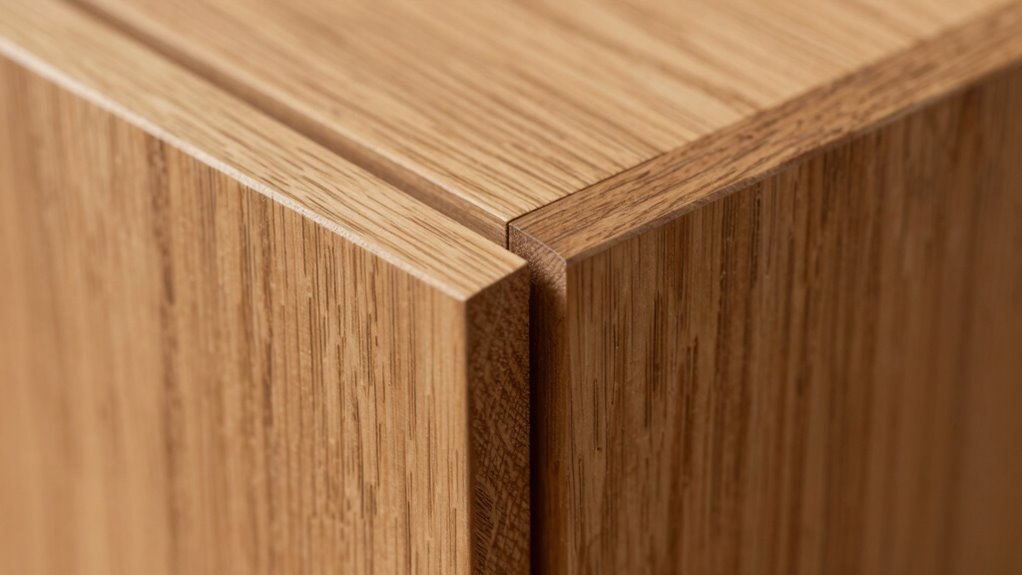
One common mistake is inaccurate measurement, which leads to poorly fitting joints. You might also struggle with marking the cut lines precisely, causing uneven cuts. To avoid these errors, double-check your measurements and take your time marking the wood carefully.
Incorrect Measurement Techniques
Many mistakes in cutting half-lap joints stem from incorrect measurement techniques, which can lead to ill-fitting joints and wasted material. To avoid this, pay close attention to your measurements. First, you might rely solely on a measuring tape without double-checking, risking inaccuracies. Second, using a marking gauge improperly can cause inconsistent lines, leading to misaligned cuts. Third, rushing through measurements often results in errors; take your time to ensure precision. Fourth, neglecting to account for material thickness can affect the joint’s fit. Always double-check your measurements with a measuring tape and mark carefully with a marking gauge. Additionally, understanding the Free Floating nature of materials can help you anticipate and compensate for movement or expansion during cutting. Accurate measurements are the foundation of a perfect half-lap joint, preventing frustration and material waste. Precision starts with proper measurement techniques.
Poor Marking Accuracy
Poor marking accuracy is a common mistake that can ruin a half-lap joint before you even start cutting. When your measurements are off, it leads to poor joint accuracy and gaps that weaken the connection. To avoid measurement errors, double-check your marks before cutting. Use sharp pencils or marking tools to create clear, precise lines. Measure twice, cut once—don’t rely on approximations. Ensure your workpiece is securely clamped to prevent slipping during marking. Take your time to mark carefully, especially at critical points. Inaccurate markings can cause misaligned cuts, resulting in a loose or tight joint. Accurate marking is the foundation for a strong, well-fitting half-lap joint, so give it the attention it deserves. Proper measurement and marking set the stage for a flawless fit.
Inadequate Joint Fitting
Inadequate joint fitting often results from imprecise cuts that don’t match the marked lines, leading to gaps or overly tight fits. This compromises joint security and weakens the overall structure. To avoid this, focus on proper fitting techniques.
- Measure twice, cut once—precision prevents misalignments.
- Use sharp tools—dull blades cause uneven cuts and poor fit.
- Test fit frequently—adjust gradually to prevent forcing parts together.
- Sand lightly—smooth surfaces to ensure better contact without forcing.
Benefits of Using Half-Lap Joints in Furniture and Framing Projects

Half-lap joints offer several advantages when building furniture and framing projects. They provide excellent joint aesthetics, creating a clean, seamless look that enhances your finished piece. Plus, their simplicity means you spend less time on complex cuts, making installation quick and straightforward. The joint’s material compatibility guarantees strong bonds across different woods and materials, increasing durability. Additionally, easy-to-implement techniques make these joints accessible even for beginners. They also lend themselves well to precision alignment, ensuring your projects stay true to your design intentions. Proper joint assessment is crucial to ensure the longevity and strength of your work. Here’s an overview:
| Advantage | Description | Impact |
|---|---|---|
| Aesthetic Appeal | Smooth, flush joint design | Better visual quality |
| Material Flexibility | Works with various woods | Versatile use |
| Strength & Durability | Solid, long-lasting joints | Reliable structure |
Using half-lap joints elevates your craftsmanship, combining beauty and strength effortlessly.
Creative Ways to Incorporate Half-Lap Joints Into Your Work
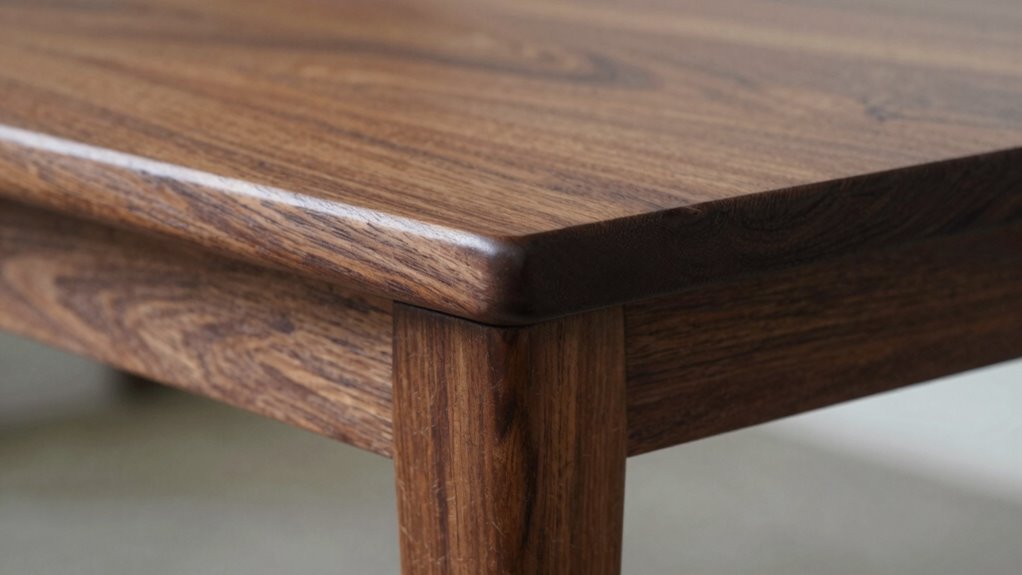
One of the best ways to elevate your woodworking projects is by creatively integrating half-lap joints into unique designs. These joints aren’t just functional—they can serve as eye-catching features through innovative joint reinforcement and decorative techniques. Here are some ideas:
- Use contrasting wood inlay within the joint to create a striking visual focal point.
- Incorporate carved patterns or geometric shapes around the joint for added artistic flair.
- Combine half-lap joints with metal accents for a modern, industrial look.
- Embed small LED lights into the joint area for a subtle, creative illumination effect.
- Understanding the structural integrity of joints can help you design more durable and visually appealing pieces. Recognizing the importance of proper joint fitting can also prevent future failures and enhance the overall strength of your work. Additionally, considering material compatibility ensures that your joints maintain their strength over time and under varying conditions. Being aware of the weight of your materials can influence the choice of joinery techniques and assembly methods, ensuring stability and longevity. Incorporating techniques for precise fitting can further improve the overall quality and appearance of your projects.
These techniques transform a simple joint into a statement piece, making your work both sturdy and visually compelling. Liberate your creativity and let the half-lap joint be the centerpiece of your design!
How Do Half-Lap Joints Compare to Other Wood Joints?

Half-lap joints are known for their solid strength and durability, but how do they stack up against other wood joints? You’ll find that they’re generally easier to construct and suitable for various applications, making them quite versatile. Comparing these aspects helps you choose the right joint for your project’s needs. Additionally, understanding modern woodworking techniques can enhance your ability to integrate traditional joints with contemporary methods.
Strength and Durability
While half-lap joints are generally strong, their durability varies compared to other wood joints. You’ll notice that:
- The joint’s *strength* depends heavily on proper cut precision and material compatibility.
- When well-made, they resist shear forces better than some simple joints.
- They may weaken over time if exposed to moisture or heavy load cycles.
- Their durability is often suitable for furniture and framing, but not for high-stress applications.
Understanding these factors helps you choose wisely. If you select compatible materials and ensure tight, accurate cuts, your joint’s *strength* can last. However, neglecting these details might lead to premature failure, especially under harsh conditions.
Ease of Construction
Compared to other wood joints, half-lap joints are relatively straightforward to construct, especially with basic tools. Their simplicity makes them ideal for diy woodworking projects, even if you’re just starting out. You mainly need a saw, chisel, and possibly a router or hand plane to make precise cuts. Tool selection is important; a sharp saw ensures clean cuts, reducing fitting issues later. Unlike complex joints that require multiple cuts or specialized equipment, half-lap joints involve only removing material from each piece to create a flush, interlocking fit. This ease of construction saves you time and effort, making the joint accessible for quick projects or when working with limited tools. Overall, half-lap joints strike a good balance between simplicity and strength for diy enthusiasts.
Versatility and Application
Because of their simple design, half-lap joints are highly versatile and can be used in a variety of woodworking projects, from furniture framing to decorative accents. Their adaptability makes them a favorite when considering joint strength and material compatibility.
- You can rely on half-lap joints for sturdy frames that hold up over time, offering impressive joint strength without complex techniques.
- They work seamlessly with different materials—wood types, plywood, or composites—ensuring broad application.
- When strength matters, they outperform weaker joints like butt joints, especially in load-bearing projects.
- Their straightforward construction allows for quick adaptation, making them perfect for both beginner and advanced projects.
Why Are Half-Lap Joints Underused: And How Can You Start Using Them?
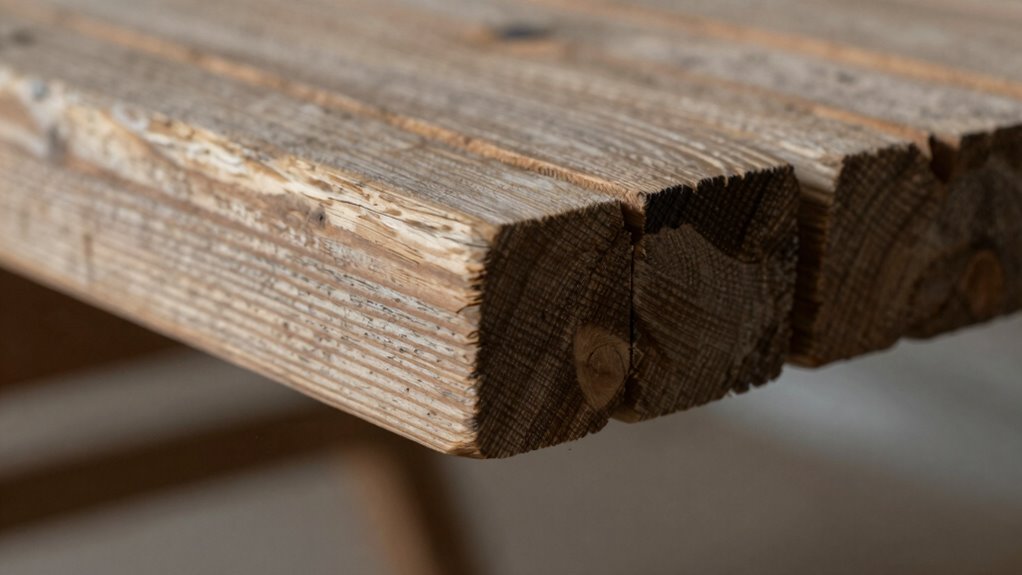
Half-lap joints tend to be underused in woodworking, often due to misconceptions about their strength and appearance. Many assume they lack the joint aesthetics of more complex options or overlook their historical use in traditional craftsmanship. In reality, they’re strong, simple, and versatile. To start using them, focus on proper fitting and clean cuts, which enhance their visual appeal. Here’s a quick comparison:
| Strength | Appearance | Ease of Use |
|---|---|---|
| High | Neat, functional | Very easy |
| Adequate | Can be attractive | Friendly for beginners |
| Limited | Less decorative | Quick to assemble |
Once you recognize their practical benefits and historical significance, you’ll find half-lap joints are a valuable addition to your woodworking toolkit.
Frequently Asked Questions
Are Half-Lap Joints Suitable for Outdoor Furniture?
Yes, half-lap joints are suitable for outdoor furniture because they offer good weather resistance when properly sealed and maintained. They also add to the aesthetic appeal with their clean, simple look. You should use weather-resistant wood and seal the joints well to prevent moisture damage. With proper care, half-lap joints can be a durable and attractive choice for outdoor projects, combining strength with a sleek appearance.
How Do Half-Lap Joints Perform Under Stress?
Half-lap joints perform well under stress when properly constructed, offering good joint durability and stress resistance. You’ll find they distribute load effectively, especially when reinforced with glue or fasteners. While they may not handle extreme tension as well as more complex joints, their simplicity makes them reliable for many projects. Just guarantee precise cutting and proper reinforcement, and you’ll have a strong, durable joint that resists stress over time.
Can Half-Lap Joints Be Reinforced With Adhesives?
Think of your half-lap joint as a sturdy bridge needing an extra handrail. Yes, you can reinforce it with adhesives to boost adhesive strength and joint durability. When you apply a quality wood glue or epoxy, it acts like a secret armor, sealing gaps and bonding fibers tightly. This reinforcement helps the joint withstand stress better, making your project more resilient and long-lasting.
What Are Common Alternative Joints to Half-Lap Joints?
You can consider butt joints or dovetail joints as alternatives to half-lap joints. Butt joints are simple, where edges meet, and are often reinforced with nails or glue. Dovetail joints are more complex but very strong, fitting together like interlocking fingers. Both options offer different strengths and aesthetics, making them suitable depending on your project’s needs. Dovetails, in particular, provide excellent durability and visual appeal.
How Much Skill Is Needed to Master Half-Lap Joint Techniques?
Mastering half-lap joint techniques requires a moderate skill level and a manageable learning curve. You’ll need precision and patience to cut and fit the joints accurately, but with practice, it becomes straightforward. If you’re comfortable with basic woodworking tools and measurements, you’ll find it easier to develop your skills. The key is to take your time, follow proper techniques, and practice consistently to achieve strong, clean joints.
Conclusion
Don’t overlook half-lap joints—they’re strong, simple, and versatile. Imagine building a sturdy bookshelf where the shelves are joined securely with these joints, saving time and materials. By mastering their use, you can create durable furniture that lasts. Start experimenting with different types and techniques today, and see how these underused joints can elevate your woodworking projects. Once you try them, you’ll wonder why you didn’t use them sooner.
Fall Picks
fall essentials
As an affiliate, we earn on qualifying purchases.