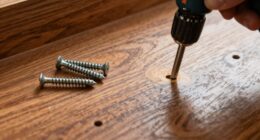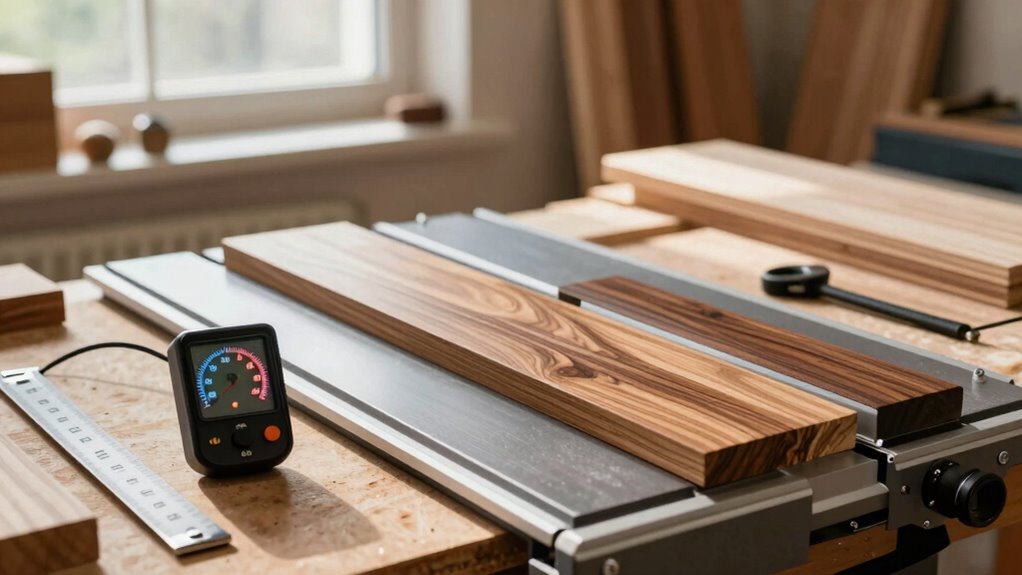
Understanding feeds and speeds is essential for getting consistent, high-quality cuts without the guesswork. It’s all about the balance between the cutting tool’s speed and its feed rate. Too fast can burn your material; too slow might ruin your finish. Experimenting with different settings while considering wood types can greatly enhance your results. By knowing the right adjustments for your tools, you’ll achieve cleaner cuts and longer tool life. There’s more to reveal in optimizing your woodworking process.

Get tools and workshop supplies delivered free — and shop member deals
- Fast, free delivery on millions of items
- Access to Prime Big Deal Days deals on October 6–7
- Prime Video, Amazon Music and more included
Key Takeaways
- Understand the importance of feeds and speeds for achieving precise cuts and smooth finishes in woodworking projects.
- Use manufacturer guidelines as starting points for selecting appropriate feed rates and speeds for different materials.
- Experiment with different settings to find the optimal feed rate for each wood type, especially for dense hardwoods.
- Regularly adjust and revisit your cutting parameters based on material characteristics to enhance tool performance and longevity.
- Invest in high-quality cutting tools that offer better performance across varying feeds and speeds for cleaner cuts.
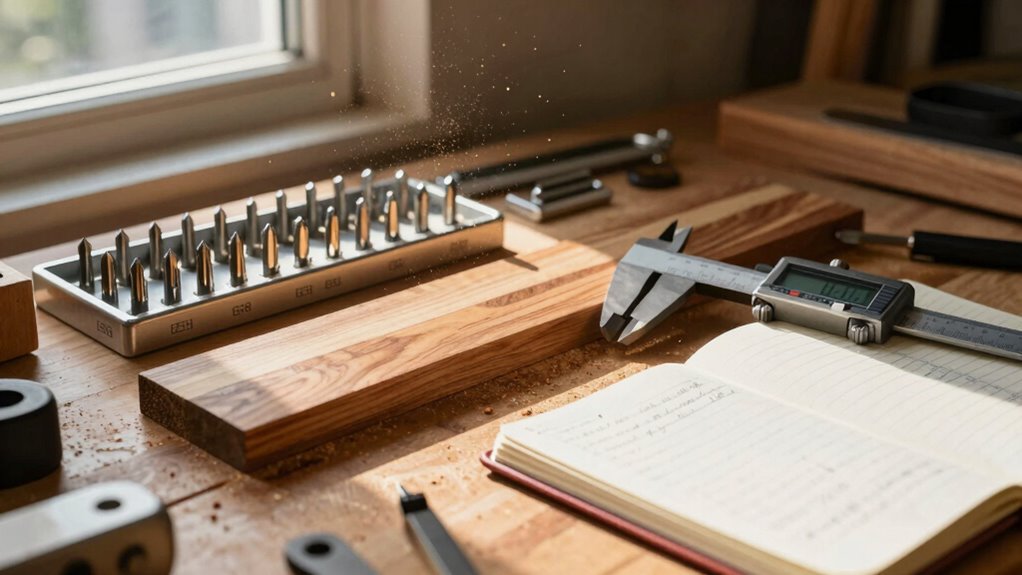
When you explore woodworking, understanding feeds and speeds is vital for achieving precise cuts and a smooth finish. It can make the difference between a clean edge and a rough one, so you want to get it right. The terms “feeds” and “speeds” refer to how quickly you move your cutting tools through various material types. Getting the right balance can greatly improve your results, whether you’re working with hardwood, softwood, or engineered materials.
Feeds relate to how quickly the cutting tool moves through the wood. If you push too fast, you might burn the material or dull your cutting tools. Conversely, if you go too slow, you might not clear the chips effectively, leading to poor finish quality. To find the right feed rate, consider the type of wood you’re using. Hardwoods generally require slower feeds compared to softwoods, as they are denser and can create more friction. Experimentation can help you discover the ideal feed rate for each material type, but guidelines exist that can serve as a great starting point. Additionally, understanding cutting parameters can help optimize your woodworking process. Properly adjusting cutting parameters can also extend the lifespan of your tools and improve overall efficiency. Being aware of material characteristics can further assist in setting the proper feeds and speeds for each project. Knowing material properties can help you select the most effective settings for different woodworking tasks.
Understanding feed rates is crucial; too fast can burn wood, while too slow can hinder chip clearance and finish quality.
Another key factor is the type of cutting tool you use. Each tool, whether it’s a router bit, saw blade, or drill, has its unique characteristics that influence performance. High-quality cutting tools can handle varying feeds and speeds better than lower-grade options. Always check manufacturer recommendations for the specific tool you’re using, as they often provide guidelines tailored to different material types. Understanding tool specifications can further aid in selecting the optimal settings for your project. Properly matching your tools to the right feeds and speeds can also prevent premature wear and ensure cleaner cuts.
woodworking router bits high quality
As an affiliate, we earn on qualifying purchases.
As an affiliate, we earn on qualifying purchases.
Frequently Asked Questions
What Is the Best Wood Type for Beginners?
For beginners, softwood choices like pine or cedar are great due to their affordability and ease of use. These woods have simple grain patterns and are forgiving when you’re learning tool selection. If you’re feeling adventurous, hardwood options like poplar can also work well for beginner projects, offering a bit more durability. Always consider the wood characteristics before starting, as they can impact your experience and results considerably.
How Do I Maintain My Woodworking Tools?
To maintain your woodworking tools, start with regular tool cleaning. Wipe down surfaces to remove dust and resin buildup, using appropriate cleaners. Next, focus on blade sharpening; dull blades can lead to poor cuts and increased effort. Invest in a good sharpening stone or system, and sharpen your blades regularly. Finally, store your tools in a dry place to prevent rust and damage, ensuring they’re always ready for your next project.
What Safety Gear Should I Use While Woodworking?
When you’re woodworking, you should always wear eye protection to shield your eyes from flying debris. Ear protection is vital too, especially with loud machinery. A dust mask helps keep harmful particles out of your lungs, while gloves protect your hands from cuts and splinters. If you’re working with fine dust or chemicals, consider using a respirator mask. Finally, knee pads can save your knees during long projects on the floor. Stay safe!
How Can I Prevent Wood From Splintering?
To prevent wood from splintering, use proper cutting techniques. Start with a sharp blade, as dull tools can cause more splintering. Always cut with the wood’s grain, and consider using painter’s tape along the cut line for extra splinter prevention. If you’re drilling, use a backer board to support the wood. Finally, take your time and apply steady pressure, ensuring you get clean cuts every time.
What Finishing Techniques Enhance Wood Appearance?
To make your wood look absolutely stunning, start with meticulous surface preparation. Sand it smooth, like silk, to reveal its true beauty. Then, apply stain using a lavish brush, enhancing the grain like a masterpiece. For finish durability, seal it with a high-quality polyurethane or oil, protecting your work from wear and tear. Your wood will shine and gleam, turning heads and leaving onlookers in awe of its rich, vibrant appearance!
adjustable saw blade for woodworking
As an affiliate, we earn on qualifying purchases.
As an affiliate, we earn on qualifying purchases.
Conclusion
In woodworking, knowing your feeds and speeds isn’t just guesswork; it’s the key to precision and enjoyment. Get your settings right, and you’ll notice smoother cuts and less tear-out, making each project feel effortless. Coincidentally, as you gain confidence, your skills will flourish, leading to even more rewarding creations. So, embrace these guidelines, trust your instincts, and watch your craftsmanship transform. After all, it’s all about the perfect balance—just like a well-tuned piece of wood.
As an affiliate, we earn on qualifying purchases.
woodworking feed and speed calculator
As an affiliate, we earn on qualifying purchases.
As an affiliate, we earn on qualifying purchases.
Fall Picks
fall essentials
As an affiliate, we earn on qualifying purchases.