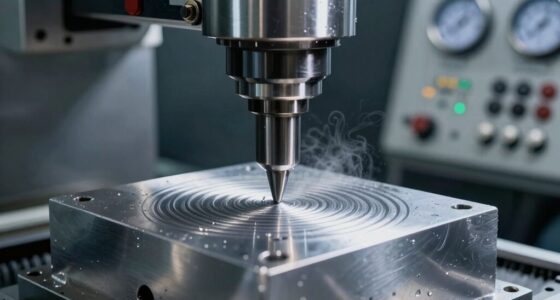
CNC bits can burn wood even if the cut looks fine due to several factors. The bit material might be generating excess heat, or your feed rate could be too slow, causing prolonged contact with the wood. Even the geometry of the bit plays a role; aggressive angles may cut faster but can increase heat buildup. Adjusting these variables is key to achieving cleaner cuts. Discover more about optimizing your CNC setup to prevent burning and improve results.
Key Takeaways
- High-speed steel bits can generate excessive heat, leading to burning despite a seemingly fine cut.
- Slow feed rates increase heat buildup from prolonged contact, risking burns even with good cuts.
- Dense wood types require effective cooling methods like misting or lubrication to prevent overheating.
- Cutting speeds must be adjusted according to wood density; slower speeds for denser woods reduce burning risks.
- Bit geometry impacts heat generation; aggressive angles may cut faster but can lead to burning if not managed properly.
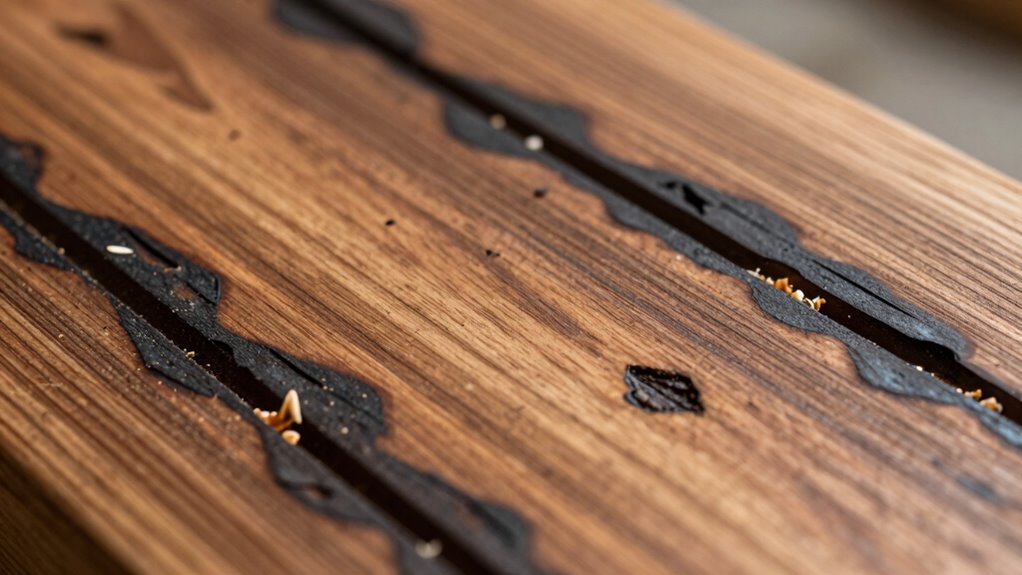
When you combine CNC bits with wood burning, you open up a world of creative possibilities. However, you might find that even when your cuts look “fine,” the wood can still burn. Understanding why this happens can help you optimize your process and achieve better results.
One major factor is the bit materials you choose. High-speed steel bits may not handle the heat as well as carbide bits, which can withstand higher temperatures without losing their cutting edge. If your bits aren’t made of suitable materials, they can generate excessive heat, leading to unwanted burning.
Feed rates play a significant role too. If you’re moving too slowly, the bit lingers too long in one spot, causing heat to build up. On the flip side, if you’re moving too fast, the bit may not cut through the wood effectively, causing it to rub against the material rather than slicing cleanly. Finding the right balance in feed rates can minimize burning and improve the quality of your cuts. Adjusting cutting parameters accordingly can help prevent overheating. Additionally, optimizing cutting speed based on the wood type can further reduce heat buildup.
Cooling methods also matter. If you’re cutting dense wood types like maple or oak, the heat generated during the cutting process can be significant. Using cooling methods, such as misting the area with water or applying a lubricant, can help dissipate heat and reduce the risk of burning. It’s a simple step that can make a big difference. Incorporating cooling techniques can enhance your control over the heat during cutting. In some cases, selecting a bit geometry suited to the specific wood can significantly impact heat generation and cutting quality.
Consider the cutting speeds as well. Different wood types react uniquely to varying cutting speeds. For instance, softer woods might handle higher speeds without burning, while denser woods require slower speeds to prevent overheating. Experimenting with different speeds can help you identify the sweet spot for each material.
Lastly, bit geometry can’t be overlooked. The design of the bit affects how efficiently it cuts through wood. A bit with a more aggressive angle can remove material faster, but it may also generate more heat. Conversely, a flatter geometry may cut slower but can produce cleaner edges with less burning. Adjusting your bit geometry based on the wood type and your desired outcome can lead to better performance. Keeping your bits sharp and well-maintained is equally important, as dull bits tend to generate more heat and cause burning even when cutting looks fine.

HQMaster 1/8" Shank CNC Router Bits 2 Flute Upcut CNC Bit End Mill 10pcs
- Processing Capabilities: Carving, engraving, milling, sculpturing
- Dimensions: 1/8" shank and cutting edge
- Cutting Edge Length: 17mm flute length
As an affiliate, we earn on qualifying purchases.
As an affiliate, we earn on qualifying purchases.
Frequently Asked Questions
How Can I Prevent Wood Burning During CNC Cutting?
To prevent wood burning during CNC cutting, focus on bit selection and machine calibration. Choose sharp bits designed for wood, as dull bits generate more heat. Ascertain your machine is properly calibrated for speed and feed rates; too fast can lead to burning. Additionally, consider using a cooling solution like misting with water or air to keep the bit and wood cool. Regular maintenance also helps keep everything running smoothly and efficiently.
What Types of Wood Are Most Prone to Burning?
When you’re sailing through a dense forest, some trees stand tall, but others seem to catch fire at the slightest spark. Hardwoods like maple and oak are more prone to burning due to their dense grain and high resin content. Meanwhile, softwoods like pine, with their lighter characteristics, can ignite easily, too. Knowing these traits helps you navigate your CNC journey, keeping your cuts crisp and your wood intact.
Does Feed Rate Affect Wood Burning in CNC Machining?
Yes, feed rate definitely affects wood burning in CNC machining. If you’re cutting too slowly, the bit material can overheat, leading to burned wood, even if the cut quality appears fine. On the other hand, a faster feed rate can help keep the bit cooler, reducing friction and heat. Balancing the feed rate with your bit material and the type of wood can help you achieve cleaner cuts without burns.
Can Dull Bits Cause Wood Burning During Cuts?
A dull bit is like trying to slice through butter with a rusty knife—it just won’t cut it. If your bits are worn down, they can struggle to make clean cuts, resulting in increased friction and heat. This heat can scorch the wood, even if the cut looks smooth. Regular bit maintenance and monitoring your cutting speed are essential to avoid burning and keep those edges sharp and clean.
Is Coolant Necessary When CNC Cutting Wood?
Coolant isn’t strictly necessary when CNC cutting wood, but it can help. Using the right coolant types can reduce friction and heat, especially at higher cutting speeds. If you notice your bits getting hot or if you’re working with dense materials, consider applying a coolant to maintain efficiency. It keeps your bits sharper for longer and improves the finish. So, if you want the best results, it’s worth considering!
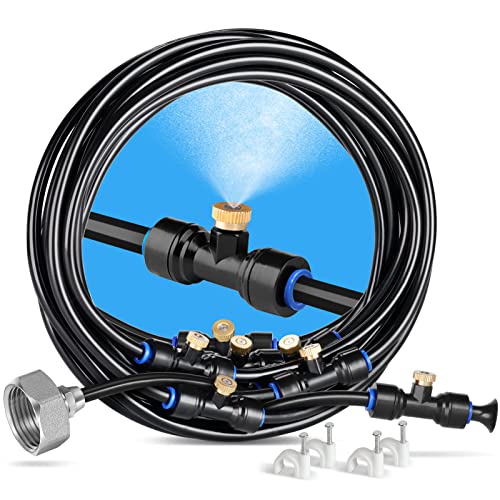
HOMENOTE Misting Cooling System, 26FT (8M) Misting Line + 7 Brass Mist Nozzles + Brass Adapter(3/4") Outdoor Mister for Patio Backyard Garden Greenhouse
- Flexible 26FT Mist Line: Heat-resistant, leak-proof tubing
- Brass Nozzles and Adapter: Durable, rust-resistant components
- Effective Cooling: Reduces temperature by up to 20°F
As an affiliate, we earn on qualifying purchases.
As an affiliate, we earn on qualifying purchases.
Conclusion
To sum up, even when your CNC cuts look perfect, burning can still occur due to factors like feed rate and bit sharpness. Did you know that nearly 30% of woodworkers experience issues with burning during their projects? This statistic highlights how common the problem is, reminding us that even the most skilled artisans face challenges. By adjusting your settings and maintaining your bits, you can create stunning pieces without those frustrating burn marks. Happy crafting!
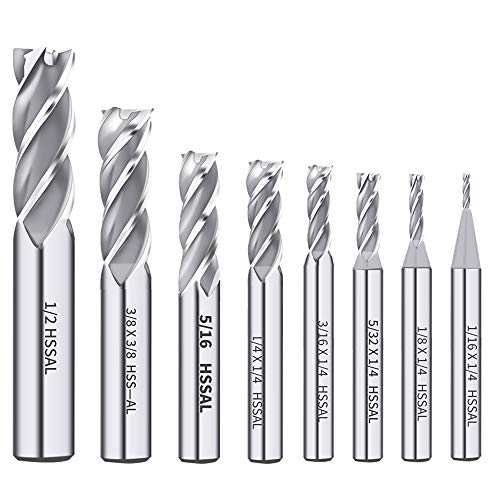
AUTOTOOLHOME 8PCS HSS 4-Flute End Mill Set CNC Milling Bits 1/16''-1/2''
- Secure Clamping Design: Straight shank for easy attachment
- Complete Set of 8 Sizes: Includes common milling diameters from 1/16'' to 1/2''
- High-Speed Steel Construction: Made of durable M2 HSS for tough cutting
As an affiliate, we earn on qualifying purchases.
As an affiliate, we earn on qualifying purchases.

FoxAlien Masuter 3S CNC Router Machine with NEMA 23 Closed-Loop Stepper Motor, 400W Spindle 3 Axis Engraving Milling Machine for Wood Acrylic Aluminum Carving Cutting
- High-Speed Precision: Closed-loop NEMA23 motors with 10,000mm/min speed
- 3D & Cylindrical Carving: Supports 4th Axis Rotary Module for 360° engraving
- Industrial Stability & Accuracy: Reinforced frame with dual linear rails and 0.05mm precision
As an affiliate, we earn on qualifying purchases.
As an affiliate, we earn on qualifying purchases.