Your CNC accuracy depends on more than the machine’s specs or marketing claims. Factors like tool wear, proper maintenance, and calibration greatly influence precision. Material properties and environmental conditions, such as temperature and internal stresses, also impact your parts. Managing these variables carefully can make a big difference. To get consistent, tight tolerances, you need a holistic approach. Keep exploring, and you’ll discover how to optimize every aspect for first-rate results.

Get business pricing on tools and workshop supplies
- Business-only prices and quantity discounts
- Tax-exempt purchasing
- Multiple users, one account, clear invoices
Key Takeaways
- Actual CNC accuracy relies on factors like tool wear, maintenance, and calibration, not just machine specifications.
- Material properties and internal stresses influence machining precision beyond machine marketing claims.
- Environmental conditions, such as temperature fluctuations, can cause dimensional changes affecting accuracy.
- Proper tooling choice and optimized cutting parameters are critical for achieving tight tolerances.
- A holistic approach, including process control and regular inspection, is essential for consistent precision.

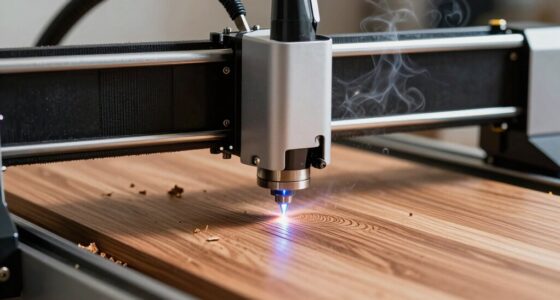
Are you wondering how precise CNC machines really are? The truth is, while machine specifications often highlight impressive accuracy, the real performance depends on many factors beyond the equipment itself. One vital aspect is tool wear. As you operate a CNC machine, cutting tools gradually degrade, which can lead to deviations from intended dimensions. Over time, tools can become dull or develop micro-damage, diminishing their ability to cut cleanly and precisely. If you don’t monitor and replace tools proactively, your parts may come out with tolerances outside acceptable limits, no matter how advanced your machine is. Proper maintenance, regular tool changes, and the use of high-quality tools are essential to maintain consistent accuracy. Additionally, understanding machine calibration** is crucial for ensuring your CNC machine maintains its specified precision over time. Recognizing wear patterns can help predict when tools need replacing before errors occur. Furthermore, establishing a preventive maintenance routine can prevent unexpected inaccuracies caused by equipment issues. Monitoring cutting forces during operation can also provide early indications of tool wear or material issues that affect accuracy. Maintaining awareness of machine stability** can ensure consistent results and prevent inaccuracies caused by vibrations or misalignments.
Tool wear impacts CNC accuracy; regular maintenance and high-quality tools ensure consistent, precise results.
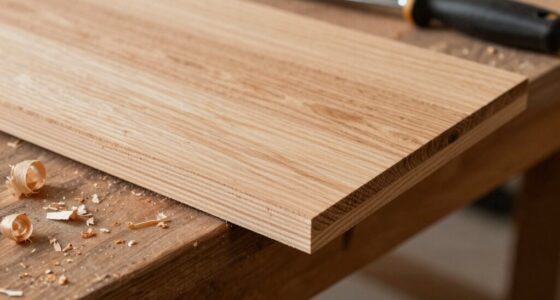
Material properties also play a significant role in CNC accuracy. Different materials respond differently to machining processes. For example, softer metals like aluminum are easier to cut with less tool wear, resulting in more stable dimensions. Conversely, harder materials such as steel or titanium can cause increased tool wear and generate more heat, which can lead to slight material distortions or dimensional inaccuracies. Understanding the properties of the material you’re working with allows you to optimize cutting parameters—like spindle speed, feed rate, and depth of cut—to minimize errors. Ignoring these properties can result in parts that don’t meet specifications, regardless of machine precision.
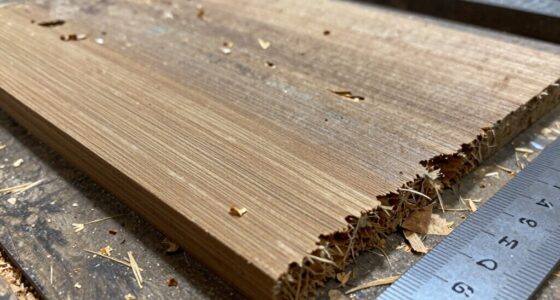
Even the most precise CNC machine can’t compensate for issues like material inconsistencies or improper tooling. Variations in material density, internal stresses, or surface finish can influence the accuracy of your parts. For instance, if your stock material has internal stresses or uneven grain structure, it might warp during machining, causing inaccuracies that no calibration can fix. Additionally, environmental factors like temperature fluctuations can affect both the machine’s components and the material, leading to slight dimensional changes.
Ultimately, achieving high CNC accuracy isn’t solely about owning a top-of-the-line machine. It’s about understanding and managing the entire machining process. Regularly inspecting and replacing tools to combat tool wear, selecting appropriate cutting parameters based on material properties, and controlling environmental conditions all contribute to precision. When you pay attention to these factors, you’ll find that your CNC parts consistently meet tight tolerances, proving that true accuracy depends on a holistic approach—not just marketing claims.
As an affiliate, we earn on qualifying purchases.
Frequently Asked Questions
How Does Operator Skill Affect CNC Accuracy?
Your operator skill greatly impacts CNC accuracy. With proper operator training and ongoing skill development, you guarantee precise machine setup and operation. Skilled operators understand how to calibrate tools, interpret machine feedback, and troubleshoot issues efficiently. This reduces errors and maintains tight tolerances. By investing in continuous training, you enhance your team’s ability to produce consistent, high-quality parts, ultimately maximizing your CNC machine’s accuracy and longevity.
Can Environmental Conditions Impact CNC Precision?
Like a delicate dance, environmental factors sway CNC precision. Temperature fluctuations can cause metal to expand or contract, subtly shifting measurements and disrupting accuracy. These invisible forces, much like an unpredictable tide, challenge consistent results. You need to monitor and control these conditions, ensuring your workspace remains stable. By doing so, you keep your CNC machine’s performance steady, much like a finely tuned instrument, delivering precise, reliable cuts every time.
What Role Does Maintenance Play in CNC Accuracy?
Maintenance plays a vital role in CNC accuracy by guaranteeing lubrication consistency and proper calibration procedures. When you regularly lubricate moving parts, you reduce friction and wear, maintaining precision. Additionally, adhering to calibration procedures keeps the machine aligned and functioning correctly. Neglecting maintenance can lead to inaccuracies, so you should schedule routine checks and upkeep to keep your CNC machine performing at its best and make certain of consistent, precise results.
Are There Industry Standards for CNC Precision?
You bet there are industry standards for CNC precision, setting the bar for quality. These standards often specify tolerances for material selection and software calibration to guarantee consistency. To hit the mark, you need to follow these guidelines diligently, because even a small misstep can throw your entire project off course. Think of it as a tightrope walk—you’ve got to stay balanced with proper calibration and smart material choices.
How Does Tool Wear Influence Machining Accuracy?
Tool wear, or tool degradation, markedly impacts your machining accuracy. As the cutting tool wears down, it causes slight deviations in dimensions, reducing your cutting precision. This wear can lead to increased surface roughness and dimensional inaccuracies, forcing you to rework parts or replace tools more often. To maintain high accuracy, monitor tool condition regularly and replace worn tools promptly, ensuring consistent quality and precision in your machining processes.
As an affiliate, we earn on qualifying purchases.
Conclusion
Remember, CNC accuracy isn’t just a shiny badge on the machine’s front; it’s the symphony of precision, skill, and environment working in harmony. Like a finely tuned orchestra, every element must play its part flawlessly. So, don’t just chase the loudest marketing promises — nurture your skills, maintain your tools, and understand the nuances. When all pieces align, your projects will dance with perfect precision, turning raw materials into masterpieces that stand the test of time.
As an affiliate, we earn on qualifying purchases.
As an affiliate, we earn on qualifying purchases.
Fall yard work Picks
leaf blowers
As an affiliate, we earn on qualifying purchases.