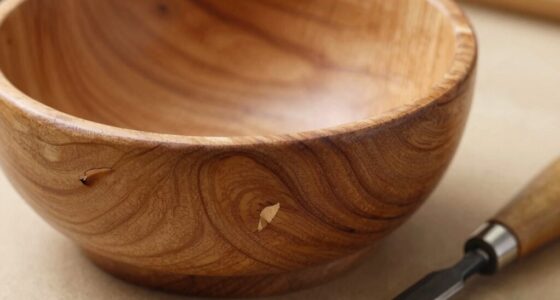
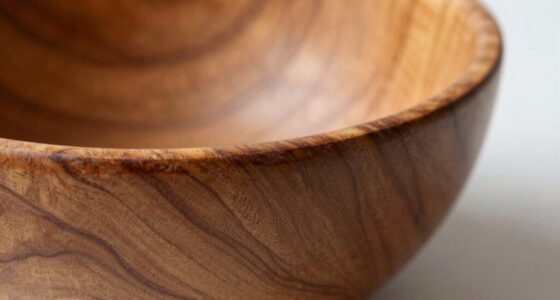
Some bowl rims feel elegant while others feel chunky because of design elements like tapering and craftsmanship. Elegantly crafted rims guide your attention to the dish, enhancing your dining experience. In contrast, thick rims can overshadow the meal’s beauty and make it cumbersome to use. Material choice also plays a role; porcelain often feels refined, while thicker stoneware might feel rustic. If you want to discover more about how rim design influences your meals, keep exploring.

Get business pricing on tools and workshop supplies
- Business-only prices and quantity discounts
- Tax-exempt purchasing
- Multiple users, one account, clear invoices
Key Takeaways
- Elegantly designed rims are often tapered, creating visual harmony and enhancing the overall dining experience.
- Chunky rims are thicker and visually disruptive, overshadowing the beauty of the food presented.
- The weight and feel of the rim significantly affect comfort, with refined designs providing a lighter, more enjoyable experience.
- Material choices, such as porcelain versus stoneware, impact the elegance and durability of rim designs.
- A well-crafted rim influences the sensory experience, enhancing engagement with both food and the dining atmosphere.

When you think of fine dining, the elegance of a beautifully crafted bowl rim often goes unnoticed, yet it plays a pivotal role in elevating your experience. A well-designed rim can make even the simplest dish feel refined, while a clunky, poorly executed rim can detract from the overall presentation. You might not realize it, but the rim design affects not just how the bowl looks but how you perceive the food served within it.
Consider the aesthetic balance a rim brings to a bowl. An elegantly tapered rim invites your attention, guiding your gaze toward the dish itself. It creates a visual harmony, complementing the food and the overall table setting. You can easily spot bowls with a carefully crafted rim; they often feel lighter and more delicate in your hands. This lightweight feel adds to the pleasure of dining, making you more aware of the artistry involved in both the food and the dish. Proper rim craftsmanship can enhance the perceived quality and sophistication of the dinnerware. Additionally, the shape and contour of the rim can influence how comfortable it is to hold and use, impacting your overall dining enjoyment.
An elegantly tapered rim enhances visual harmony, elevating the dining experience and highlighting the artistry of both food and dish.
On the other hand, chunky rims can disrupt this balance. They may make a bowl feel clumsy, overshadowing the beauty of the meal. A thick rim can also create a sense of heaviness, causing you to focus more on the dish’s container rather than the culinary delights it holds. You might find yourself distracted, pondering why the bowl feels cumbersome when you’re trying to enjoy an exquisite meal. Additionally, the material used in rim design significantly influences the overall feel and aesthetic, emphasizing the importance of selecting the right kind for specific dining occasions. The visual impact of the rim design also plays a critical role in setting the tone for the meal, particularly in formal settings.
The materials used in rim design also play a considerable role. Porcelain and fine china often feature refined rims that embody elegance. In contrast, stoneware or earthenware may sport thicker rims that feel more rustic. While that rustic charm has its place, it doesn’t always align with the fine dining experience that emphasizes subtlety and finesse. The choice of rim material can also impact durability and how well the design holds up over time. Moreover, the durability of rim materials is an essential consideration for everyday versus special occasion dinnerware.
When you sit down to a fine dining experience, you’re not just tasting the food; you’re engaging all your senses. The rim design contributes considerably to that sensory experience. It’s about how the bowl feels in your hands, how it complements the meal, and how it aligns with the overall aesthetic of the dining setting. Rim design can influence your overall perception of the meal’s elegance and refinement.
elegant porcelain bowl with tapered rim
As an affiliate, we earn on qualifying purchases.
As an affiliate, we earn on qualifying purchases.
Frequently Asked Questions
What Materials Are Best for Bowl Rims?
For bowl rims, ceramic and porcelain are great choices, offering durability and a smooth finish. If you want a modern touch, consider metal-rimmed bowls; they add a sleek aesthetic. Glass finishes can elevate elegance, especially with unique textures. Each material has its own texture variations, so think about how they’ll feel in your hand. Ultimately, the best choice depends on your style and how you plan to use the bowls.
How Do Bowl Rim Shapes Affect Functionality?
Bowl rim shapes greatly affect functionality. The curvature impacts how easy it is to sip or scoop, while edge thickness can influence durability and comfort. A well-designed rim with gentle curvature enhances the drinking experience, making it smoother. On the other hand, a thicker edge might feel more robust but can be less inviting. Balancing these factors guarantees your bowl is not just functional but also enjoyable to use, enhancing your overall experience.
Can Bowl Rim Design Influence Food Presentation?
Absolutely, bowl rim design can enhance food presentation greatly. You might think it’s just about the food inside, but the rim’s color contrast and texture impact your dish’s appeal. An elegant rim can elevate culinary aesthetics, making even simple dishes look gourmet. Plus, different cultures often use specific rim styles for symbolic reasons, adding a layer of cultural significance. So, don’t underestimate the power of a well-designed bowl rim in your dining experience!
Are There Specific Care Instructions for Elegant Bowl Rims?
To maintain the elegance factors of your bowl rims, follow specific care techniques. Always hand wash them with a gentle sponge and mild detergent to avoid scratches. Avoid harsh chemicals or abrasive cleaners that could damage the finish. When storing, keep them in a padded area to prevent chipping. If using in the microwave or oven, check for compatibility to preserve their beauty. Regular care will keep your bowls looking elegant for years.
What Historical Styles Influenced Bowl Rim Designs?
Historical styles that influenced bowl rim designs include various artisanal techniques from different cultures. You’ll notice influences from ancient Greek pottery, which emphasized symmetry and elegance. Asian ceramics often showcase delicate motifs, reflecting their cultural significance. These styles blend craftsmanship with aesthetic appeal, creating unique rim profiles. By understanding these influences, you can appreciate how tradition shapes contemporary designs, making each bowl a piece of art that tells a story.
As an affiliate, we earn on qualifying purchases.
Conclusion
When you pick up a bowl with a delicate rim, it’s like holding a whisper; it feels light and graceful, inviting you to savor every bite. In contrast, a chunky rim might remind you of a sturdy handshake—strong and dependable, but lacking finesse. Just like choosing between a fine wine and a hearty brew, your preference reflects your taste. Ultimately, the bowl’s rim can elevate the dining experience, turning a simple meal into an artful moment.
As an affiliate, we earn on qualifying purchases.
lightweight ceramic bowls for dining
As an affiliate, we earn on qualifying purchases.
As an affiliate, we earn on qualifying purchases.
Halloween Picks
halloween
As an affiliate, we earn on qualifying purchases.