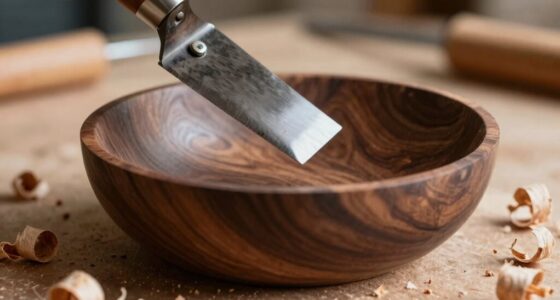
When it comes to bowl blank orientation, understanding grain direction is everything. You’ll find that face grain turning yields smoother surfaces and stronger results, while end grain can lead to challenges like tear-out. Positioning the grain parallel to the bowl rim helps maintain stability, minimizing issues like warping. Selecting the right tools based on the grain also improves your final product’s quality. There’s a lot more to explore about how grain direction can elevate your craftsmanship.

Get business pricing on tools and workshop supplies
- Business-only prices and quantity discounts
- Tax-exempt purchasing
- Multiple users, one account, clear invoices
Key Takeaways
- Proper grain orientation is crucial for bowl stability, affecting both durability and appearance during the turning process.
- Face grain turning results in smoother surfaces and enhances strength, making it the preferred choice for many projects.
- End grain turning can create unique patterns but poses challenges like tear-out, requiring specialized techniques and tools.
- Aligning the grain parallel to the bowl rim minimizes warping and cracking, ensuring longevity in finished pieces.
- Selecting the right tools based on grain direction significantly impacts the quality of the final product and finishing results.

Understanding grain direction in bowl blank orientation is vital for achieving the best results in your turning projects. When you’re working with wood, recognizing the distinction between end grain and face grain can greatly impact your bowl’s stability and overall appearance. The way you position your blank not only affects how the wood behaves during turning but also influences the final design aesthetics.
When you turn a bowl using face grain, you’re working against the natural flow of the wood fibers. This technique often yields a smoother surface and enhances the bowl’s strength. However, turning with end grain can lead to more challenges. Although it might seem appealing due to the unique patterns it can create, end grain can be tricky. It often requires precise tool selection and specialized turning techniques to prevent tear-out and achieve a fine finish.
You must also consider wood movement. All woods expand and contract with changes in humidity and temperature. If you don’t account for the grain direction, your bowl could warp or crack over time, compromising its stability. Positioning the blank so that the grain runs parallel to the bowl’s rim can help minimize these issues, ensuring that your finished piece not only looks beautiful but also endures over time.
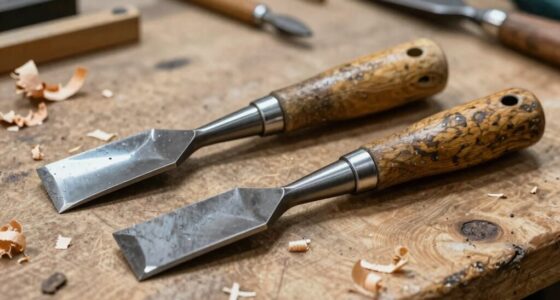
Incorporating your understanding of grain direction into the turning process is essential. When you’re aware of how the grain will react, you can adjust your tool selection accordingly. For instance, using a sharp bowl gouge can yield better results on face grain, while a scraper might be more effective on end grain to create a smoother finish.
Applying the right finish is equally important. Wood finishes can accentuate the grain, enhancing the visual appeal of your bowl. Making a thoughtful choice in this stage can elevate your project from ordinary to extraordinary.
Ultimately, bowl blank orientation plays a significant role in every turning project. By mastering the nuances of grain direction, you not only improve bowl stability but also enhance your skills in tool selection and turning techniques. Your attention to these details will shine through in your work, making every piece a reflection of your craftsmanship and design aesthetics. So, take the time to understand grain direction; it truly changes everything in your turning endeavors.
As an affiliate, we earn on qualifying purchases.
Frequently Asked Questions
How Does Grain Direction Affect the Final Appearance of the Bowl?
Grain direction greatly affects your bowl’s final appearance. When you position the wood correctly, the grain patterns become prominent, enhancing the bowl’s aesthetic appeal. If the grain runs along the bowl’s curve, it creates a visually pleasing effect, while cross-grain can result in unexpected patterns. You’ll want to reflect on how light interacts with these grains; the right orientation can make your bowl a stunning centerpiece, showcasing the wood’s natural beauty.
Can I Use Any Wood Species for Bowl Turning?
You can use a variety of wood species for bowl turning, but not all choices are created equal. Think of it like choosing a character for a story—some add depth and richness, while others may fall flat. Hardwoods like maple and walnut offer beauty and durability, while softer woods can warp or crack. So, when it comes to wood selection, consider both aesthetics and functionality to create your masterpiece.
What Tools Are Best for Working With Different Grain Directions?
When working with different grain directions, you’ll want to use sharp tools like bowl gouges and scrapers for effective cutting techniques. A sharp edge reduces tear-out and gives you a cleaner finish. For sanding methods, start with coarser grits and progress to finer ones, adjusting your approach based on the grain. Always sand with the grain to avoid scratches. Experiment with these tools to see what works best for your specific project.
How Do I Identify Grain Direction in a Bowl Blank?
Identifying grain direction in a bowl blank’s like deciphering a map. Look at the grain patterns; they twist and turn, revealing the wood’s story. Run your fingers along the surface and feel for visual texture—smoothness can hint at the grain’s path. A light shine can also help you see the subtle differences in color and texture. Trust your instincts; the wood will guide you to its true direction.
Does Grain Direction Impact the Strength of the Finished Bowl?
Yes, grain direction greatly impacts the strength of your finished bowl. When you align the bowl with the grain patterns, you enhance its durability and resistance to cracking. If you turn against the grain, you might face strength differences that can lead to issues down the line. So, pay close attention to how the grain runs; it’s essential for achieving a sturdy, long-lasting piece that withstands everyday use.
As an affiliate, we earn on qualifying purchases.
Conclusion
In the world of bowl turning, understanding grain direction can make or break your project. By aligning your bowl blank correctly, you’re not just avoiding headaches; you’re setting yourself up for success. Remember, when it comes to grain orientation, you really need to get your ducks in a row. So, take the time to assess your wood before diving in, and you’ll be well on your way to crafting stunning bowls that truly shine!
As an affiliate, we earn on qualifying purchases.
wood finishing supplies for bowls
As an affiliate, we earn on qualifying purchases.
As an affiliate, we earn on qualifying purchases.
Fall Picks
fall essentials
As an affiliate, we earn on qualifying purchases.