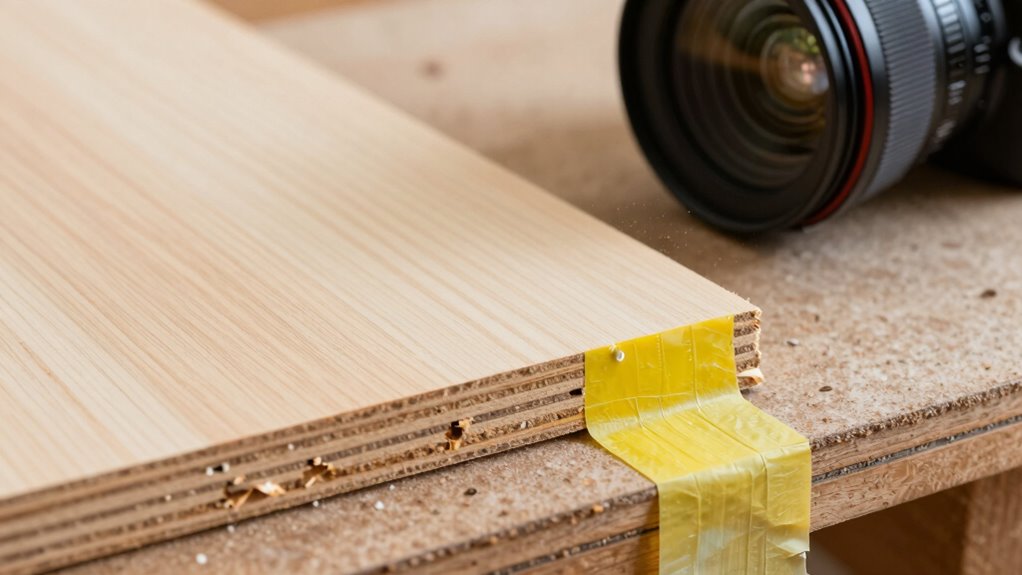

Backer boards and tape can help reduce tearout, but they rarely fully prevent it. The real solution lies in choosing the right blade, supporting your material properly, and setting up your chop saw correctly. Sharp, fine-toothed blades cut fibers smoothly, while firm support and precise alignment minimize tearing. Proper technique and equipment adjustments are key to achieving clean cuts. Keep exploring these tips for flawless results every time.

Get business pricing on tools and workshop supplies
- Business-only prices and quantity discounts
- Tax-exempt purchasing
- Multiple users, one account, clear invoices
Key Takeaways
- Backer boards and tape can temporarily reduce tearout but do not fully prevent it; proper technique is essential.
- Sharp, appropriately designed blades for the material cut smoother, minimizing tearout more effectively than backing alone.
- Cutting with the grain, supporting the workpiece securely, and scoring beforehand significantly improve cut quality.
- Regular saw maintenance and correct setup, including fence alignment and blade calibration, are critical for clean cuts.
- Combining proper blade selection, support methods, and technique offers a more reliable solution than relying solely on backer boards or tape.
As an affiliate, we earn on qualifying purchases.
Why Tearout Happens When Cutting Plywood and Drywall
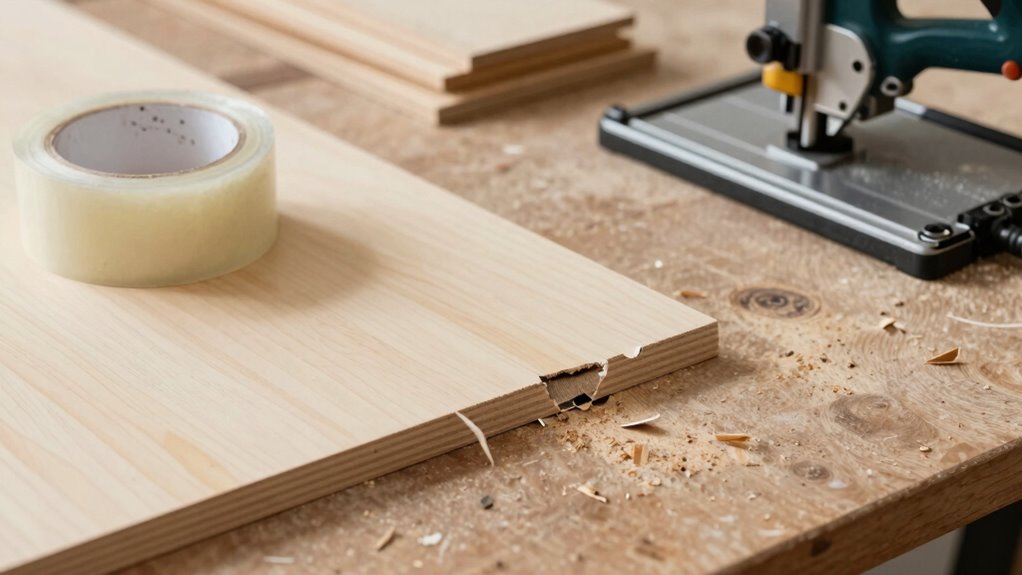
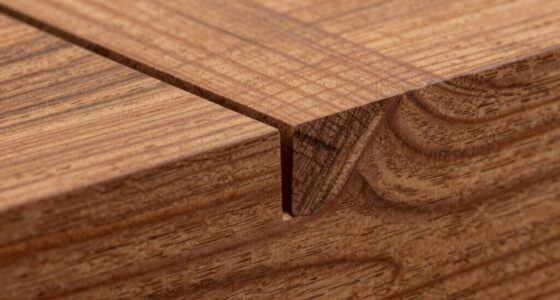
Tearout occurs when cutting plywood and drywall because the saw blade often pulls or tears the material’s surface fibers rather than slicing smoothly through them. One key factor is the grain direction; if you cut against the grain, the fibers resist the blade and cause tearing. Matching the cut direction with the grain helps produce a cleaner edge. Blade sharpness also plays a vital role—dull blades struggle to cut cleanly, increasing the risk of tearout. A sharp blade slices through fibers more smoothly, reducing resistance and minimizing fiber pull. Always check your blade’s condition and align your cut with the grain whenever possible. Proper blade maintenance and understanding grain direction can markedly improve your cut quality and prevent tearout. Additionally, using high-quality projectors can help visualize the finished product, ensuring your cuts are precise and clean. Being aware of the grain orientation can further help manage tearout and achieve a professional finish. Understanding cutting techniques can also contribute significantly to minimizing tearout and achieving smoother edges. Incorporating proper support beneath the material can also help reduce vibration and fiber pull during cutting. Employing cutting guidelines and straightedges can assist in maintaining accurate, tearout-free cuts.
support blocks for cutting plywood
As an affiliate, we earn on qualifying purchases.
As an affiliate, we earn on qualifying purchases.
Do Backer Boards and Tape Really Prevent Tearout?
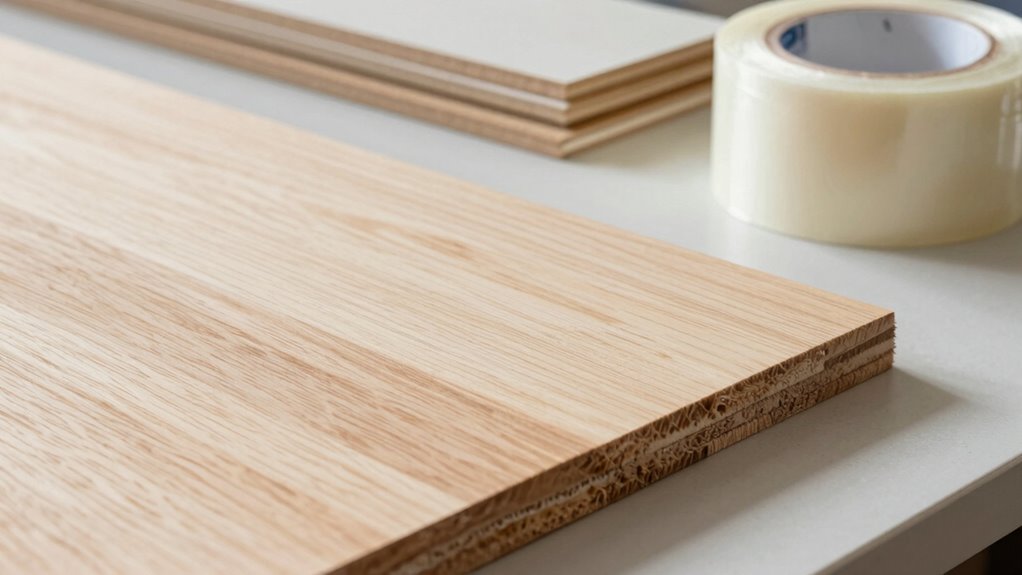
Backer boards and tape are commonly used to improve the quality of cuts, but they don’t fully prevent tearout. If you don’t pay attention to the grain direction, tearout is likely to happen regardless. Placing the backer board on the wood’s good side helps, but it doesn’t stop tearout if the blade’s speed is too high. A fast blade speed can cause the wood fibers to rip apart, especially when cutting across the grain. Tape can help hold fibers in place temporarily, but it isn’t a foolproof solution. Ultimately, while backer boards and tape can reduce tearout, they aren’t enough on their own. Proper technique, like adjusting blade speed and cutting with the grain in mind, makes a much bigger difference. Using cutting techniques that prioritize the correct blade speed and grain direction can significantly minimize tearout and produce cleaner cuts.
blade calibration tools for saws
As an affiliate, we earn on qualifying purchases.
As an affiliate, we earn on qualifying purchases.
Why Tape and Backer Boards Often Fall Short for Tearout Repair
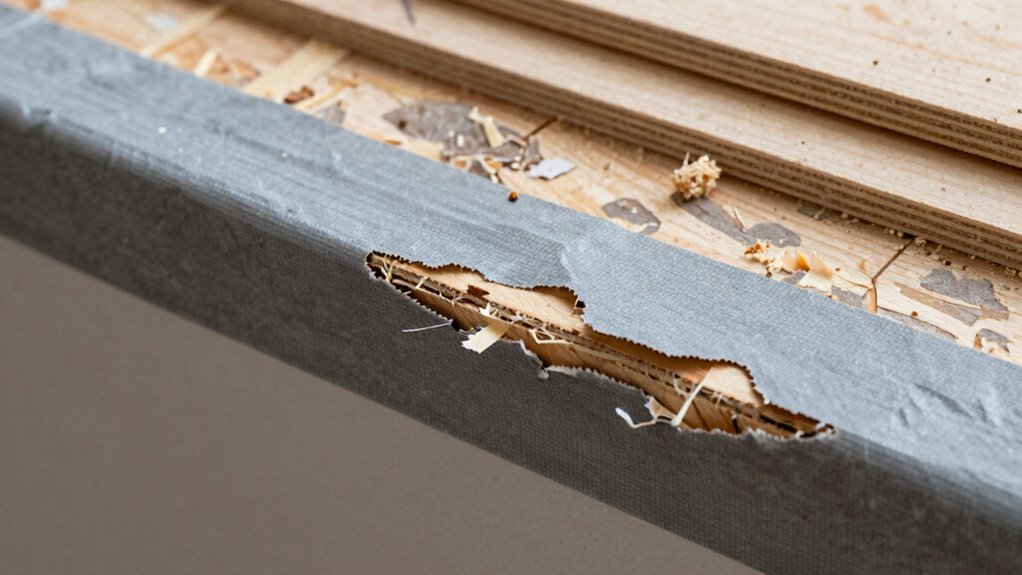
Tape and backer boards often don’t provide enough tearout resistance, especially with aggressive cuts. Poor material bonding can cause them to shift or peel away just when you need them most. Plus, these fixes are usually temporary, leaving you back to square one sooner than you’d like. For more durable repairs, considering smart home automation solutions can help monitor and optimize your workspace during projects.
Inadequate Tearout Resistance
When relying on tape and backer boards for tearout repair, you’ll often find they don’t provide enough resistance to the forces involved. Tearout occurs along the grain direction, making it especially vulnerable if the backing isn’t strong enough. The problem worsens if you use high blade speeds, which generate more force and can cause the tape or board to peel away. Since these methods lack structural strength, they can’t withstand the pressure during cutting, leading to further damage. Without a dedicated solution that resists tearout, you risk compromising the cut’s accuracy and safety. Tape and backer boards are temporary fixes at best—they simply can’t handle the stresses created by the blade’s force, especially when working along the grain or at higher speeds.
Poor Material Bonding
The effectiveness of tearout repair methods depends heavily on how well the adhesive bonds to the wood surface. When using tape or backer boards, poor material bonding can lead to failure. Surface adhesion is vital because if the adhesive can’t form a strong bond, the repair won’t hold under cutting pressure. Wood surfaces vary in porosity and cleanliness, which affects material bonding. Dust, oil, or uneven textures reduce surface adhesion, causing the repair to peel or delaminate. Simply pressing tape or backer boards in place isn’t enough if the adhesive can’t penetrate or grip the wood effectively. To guarantee durability, you need adhesives specifically designed for wood surfaces that promote strong material bonding. Without this, even the best tape or backer board will fall short in repairing tearout.
Temporary Fix Limitations
Although tape and backer boards can provide quick fixes, they often fall short of delivering lasting repairs for tearout. These temporary solutions depend heavily on proper blade maintenance to avoid further damage, but even a sharp, well-maintained blade can’t fully prevent tearout. Material selection plays a vital role; using the wrong type of backing or tape may not withstand repeated cuts or pressure. Over time, these fixes can peel, shift, or fail, leaving you with uneven edges and additional work. Relying solely on tape and backer boards may seem convenient, but they lack the durability needed for long-term results. For a truly effective fix, you need a method that addresses the root cause, not just the symptoms. Choosing the right blade is essential for minimizing tearout and achieving cleaner cuts in the long run.
cutting guide straightedge for woodworking
As an affiliate, we earn on qualifying purchases.
As an affiliate, we earn on qualifying purchases.
How to Prevent Tearout and Get Perfect, Clean Cuts on a Chop Saw

To achieve clean, tearout-free cuts on a chop saw, it’s essential to prepare both your blade and your material properly. First, focus on blade selection: choose a fine-tooth blade designed for the material you’re cutting. Second, use proper support techniques: ensure your workpiece is fully supported and clamped securely to prevent vibration. Third, always make slow, steady cuts—rushing causes tearout and uneven edges. Additionally, consider scoring the cut line with a utility knife to create a clean starting point. Proper blade choice minimizes tearout, while support techniques keep the material stable. Using free floating techniques can further reduce vibration and improve cut quality. Incorporating project management support and consulting services can help plan your cuts more effectively, reducing errors and waste. Paying attention to cut line preparation can also lead to cleaner results. It’s also beneficial to select blades with abrasive-resistant coatings for longer life and better performance. By combining these strategies, you’ll get smooth, precise cuts every time, reducing the need for repairs or touch-ups later.
Choosing the Right Blade and Support to Minimize Tearout
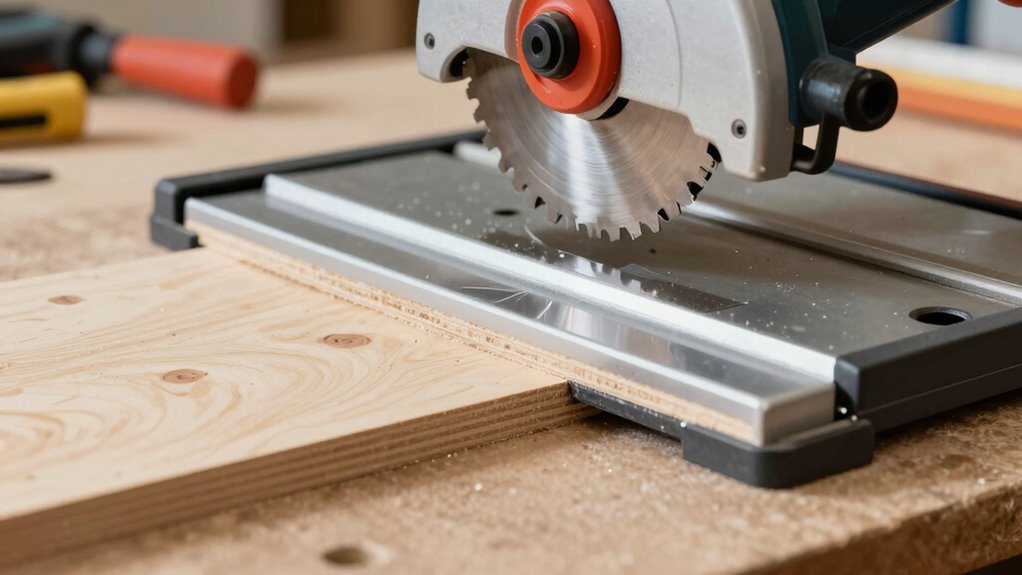
Choosing the right blade can make a big difference in reducing tearout, so pick one designed for smooth cuts through your material. Proper support, like clamping your work firmly and using the right fence, helps prevent vibrations that cause tearing. When you combine a quality blade with solid support, you’ll get cleaner cuts and less mess to fix afterward.
Optimal Blade Selection
Selecting the right blade and support is essential for minimizing tearout when using a chop saw. Your goal is to choose a blade with high blade durability that maintains sharpness through multiple cuts. Proper saw calibration is also critical; an accurately aligned saw reduces uneven cuts and tearout. When selecting a blade, consider these points:
- Use blades with fine teeth for cleaner cuts on delicate materials.
- Opt for blades designed specifically for the material you’re working with.
- Regularly check saw calibration to ensure precise, smooth cuts.
- Additionally, choosing a blade with appropriate blade thickness can help reduce stress on materials and further minimize tearout.
These steps help prevent tearout by ensuring your blade performs at its best and your saw operates smoothly. A well-calibrated saw paired with the right blade minimizes stress on the material, reducing tearout and delivering cleaner results.
Proper Support Techniques
Proper support is crucial for minimizing tearout when using a chop saw because it helps keep the material steady and aligned during cutting. To achieve this, guarantee the support board or fence runs parallel to the grain direction of your material. Cutting against the grain increases tearout, so align your work accordingly. Additionally, use a sharp blade; a dull blade causes more friction and tearout. Check the blade’s sharpness regularly and replace it when it dulls. Proper support prevents vibrations and shifting, which can worsen tearout. Secure your work firmly against the support, maintaining consistent pressure throughout the cut. Combining correct support with attention to grain direction and blade sharpness results in cleaner cuts and fewer tearout issues.
Setting Up Your Chop Saw for the Best Results
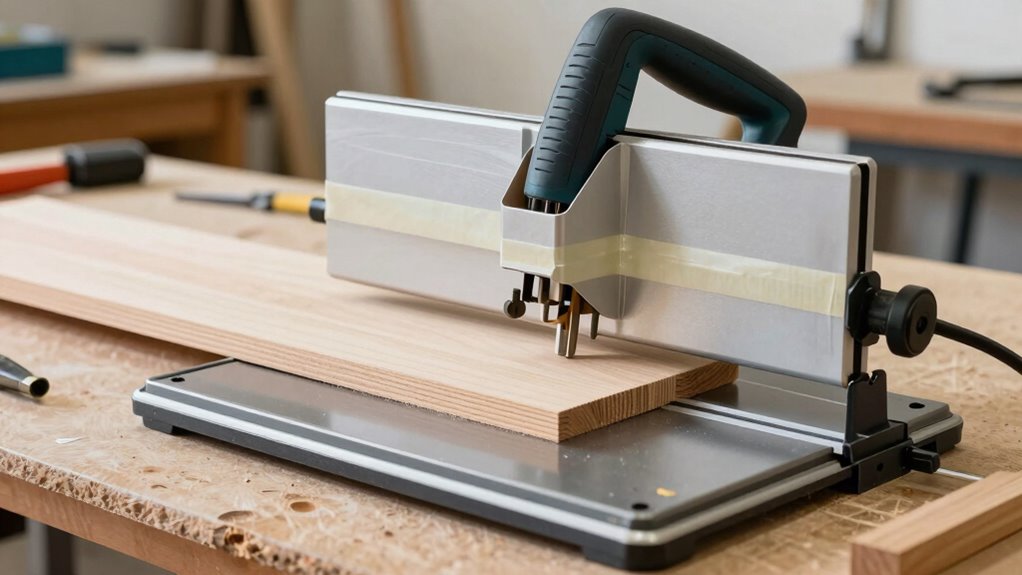
To get the best cuts from your chop saw, it’s essential to set it up correctly before you start working. Proper setup ensures clean, accurate cuts and prevents tearout. First, check your blade maintenance—sharp blades cut more smoothly and reduce tearout. Next, calibrate your material by measuring and marking precisely, then align your workpiece accordingly. Finally, adjust the saw’s fence to ensure it’s square with the blade, providing consistent cuts.
Remember these key steps:
- Maintain your blade regularly for peak performance.
- Calibrate your material to match your desired measurements.
- Ensure the fence is square to avoid crooked cuts.
Following these guidelines will give you the best results and minimize tearout issues.
Essential Techniques and Tools for Flawless Cuts Every Time

Achieving flawless cuts with your chop saw requires mastering essential techniques and using the right tools. Keep your blade well-maintained; regularly clean and sharpen it to ensure clean, accurate cuts and reduce tearout. Always wear proper safety gear, including eye protection, ear defenders, and a dust mask, to stay safe during operation. Before cutting, verify the saw is properly set up for the material’s thickness and angle; a stable, secure workpiece prevents slips that cause imperfections. Use a slow, steady feed rate to avoid blade binding or chipping. Additionally, consider using a sacrificial board or tape to minimize tearout on delicate surfaces. Incorporating modern safety features such as automatic blade stops and dust extraction systems can further enhance safety and cut quality. Combining these techniques with diligent blade maintenance and proper safety gear guarantees cleaner, more precise cuts every time.
Frequently Asked Questions
Can Tearout Occur on Materials Other Than Plywood and Drywall?
Yes, tearout can happen on alternative materials like MDF, particleboard, and certain plastics if you don’t use proper cutting techniques. When you cut these materials, use a fine-tooth blade and support the material well. Applying painter’s tape along the cut line can also help reduce tearout. Always adjust your saw’s speed and blade type to match the material, ensuring cleaner cuts and minimizing damage.
Are There Specific Brands of Backer Boards More Effective at Preventing Tearout?
Some backer board brands are better at tearout prevention due to their material quality and construction. Brands like HardieBacker and Durock are known for their durability and resistance to tearout, especially when cutting with a chop saw. When choosing a backer board, look for those with consistent density and minimal voids, as these features help reduce tearout and guarantee cleaner cuts. Always select reputable brands for the best results.
How Does Humidity Affect Tearout and Cutting Quality?
Humidity effects can considerably impact your cutting performance, causing tearout and rough edges. When humidity rises, materials swell slightly, making them harder to cut cleanly, while low humidity can make surfaces more brittle and prone to chipping. You might notice more tearout in humid conditions or smoother cuts in dry air. To maintain peak results, store your materials properly and adjust your technique based on the moisture level.
What Safety Precautions Should I Take When Repairing Tearout?
When repairing tearout, you should always wear safety gear like goggles, ear protection, and a dust mask to protect yourself. Make certain your workspace is well-ventilated, free of clutter, and has proper lighting. Keep your hands away from the blade and double-check your saw’s settings before cutting. Following these workspace precautions helps prevent accidents and ensures a safer, more precise repair process.
Can Professional Tools or Techniques Eliminate Tearout Completely?
Think of professional tools as a fine-tuned orchestra, capable of reducing tearout markedly. While blade sharpening and dust control techniques help, they can’t guarantee complete elimination. I once saw a pro cut through tough hardwood with minimal tearout because they used a high-quality blade and precise technique. Ultimately, skilled tools and methods can greatly reduce tearout, but perfection depends on careful adjustments and experience.
Conclusion
To achieve flawless cuts that feel like artistry, remember that proper setup and technique are your best allies. Think of your chop saw as a trusted partner, ready to cut through frustration and tearout alike. With the right blade, support, and patience, you can turn rough cuts into smooth masterpieces. Don’t let tearout be the villain—equip yourself with knowledge, and watch your woodworking dreams come to life like a well-scripted symphony.
Fall yard work Picks
leaf blowers
As an affiliate, we earn on qualifying purchases.