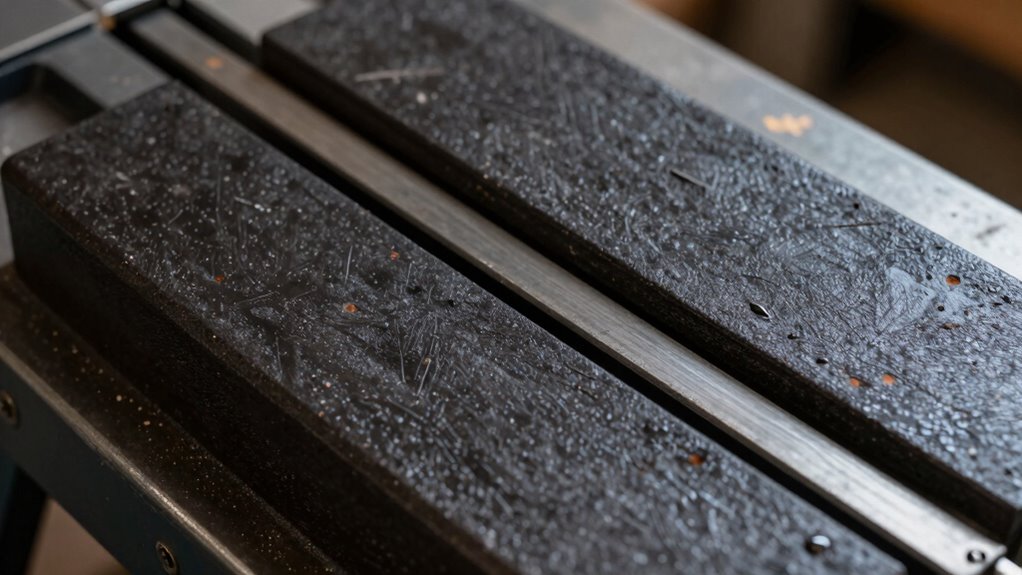

Cast iron tops on stationary saws matter because they provide a stable, durable surface that keeps blades properly aligned and reduces vibrations. Their weight and rigidity guarantee your cuts stay precise and consistent over time, preventing warping or shifting during demanding projects. Plus, their resistance to dust and easy cleaning mean your saw stays in top condition longer. To discover how these features enhance your woodworking, keep exploring the advantages cast iron offers.
Key Takeaways
- Cast iron tops provide unmatched stability and prevent shifting during precise cuts.
- They maintain flatness and alignment, ensuring consistent, accurate blade operation over time.
- Cast iron absorbs vibrations, reducing wobble for cleaner, more precise cuts.
- Their dense, non-porous surface simplifies dust collection and maintenance.
- Heavyweight and durability make cast iron tops a long-term investment for reliable performance.
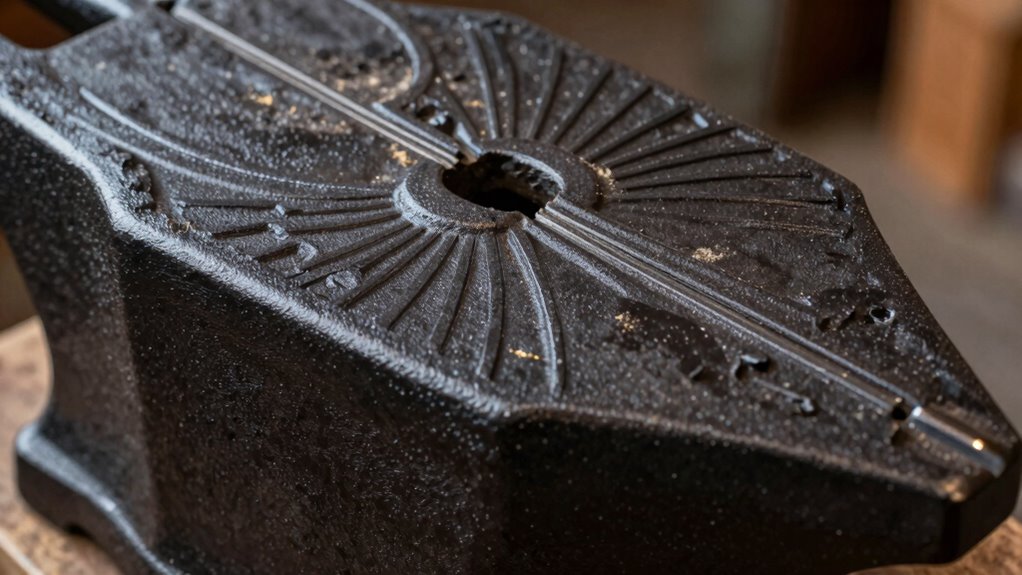
If you’re looking for a durable and stable surface for your saw, cast iron tops are an excellent choice. Their weight and rigidity provide a foundation that stays flat and true over time, which is essential for precise cuts. When working on a stationary saw, maintaining proper blade alignment is imperative, and a solid cast iron top helps guarantee that your blade stays aligned during operation. Unlike lighter materials that can shift or vibrate, cast iron absorbs vibrations, reducing blade wobble and keeping your cuts clean and accurate. This stability means you can trust that your blade remains properly aligned, minimizing the need for frequent adjustments and saving you time and frustration.
Cast iron tops provide stability, reduce vibrations, and maintain precise blade alignment for cleaner, more accurate cuts.
Dust collection is another significant advantage of cast iron tops. Because they are dense and non-porous, dust and debris don’t embed into the surface like they might with softer materials. This makes cleaning easier and more effective, guaranteeing your workspace stays cleaner and safer. A smooth cast iron surface also allows for better dust extraction when connected to a dust collection system, preventing sawdust from settling into grooves or uneven spots that could interfere with your work. When dust is effectively managed, you can focus more on your project without constantly stopping to clear debris or worry about compromised visibility. Additionally, the non-porous nature of cast iron ensures that dust and debris are less likely to become embedded, making maintenance and cleaning even more straightforward. A long-lasting surface also contributes to fewer replacements or repairs over time, providing greater value. Proper surface maintenance and care further extends the lifespan of your cast iron top and preserves its performance.
The weight of cast iron tops not only enhances stability but also discourages any shifting during operation. This stability contributes directly to maintaining blade alignment over time, especially when you’re making repetitive cuts or working on large, demanding projects. Because the surface resists warping or bending, you won’t need to worry about subtle shifts that could throw off your measurements or angles. Additionally, many cast iron tops are designed with precision-machined surfaces, ensuring that your saw’s components—such as the miter slots and rip fences—fit securely and function smoothly. This precision helps you make consistent cuts, a key aspect of quality craftsmanship.
In the end, the durability and stability of cast iron tops make them a reliable choice for serious woodworkers and professionals. They support accurate blade alignment, which directly impacts cut quality, and they facilitate effective dust collection, keeping your workspace cleaner. While some may consider lighter or alternative materials, nothing matches the long-term stability and performance that cast iron provides. Investing in a cast iron top is a smart move that pays off with precision and convenience every time you work.
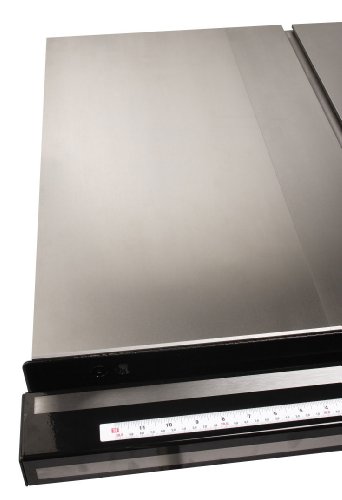
SawStop CNS-07-017 Contractor Saw Cast Iron Extension Wing
- Precision ground surface: Ground to .0118 inches accuracy
- Perfect alignment: Aligns with table, rails, and extension
- Enhanced stability: 40 pounds heavier for reduced vibration
As an affiliate, we earn on qualifying purchases.
As an affiliate, we earn on qualifying purchases.
Frequently Asked Questions
How Do Cast Iron Tops Compare to Aluminum for Durability?
Cast iron tops are more durable than aluminum, offering better surface resistance to dents and warping. They withstand heavy use and maintain flatness over time. While cast iron is heavier, this weight provides stability, reducing vibrations during cutting. Aluminum tops are lighter but less durable, making them prone to damage and less stable. For long-term reliability and precision, cast iron tops are the better choice despite their weight.
Are Cast Iron Tops More Prone to Rusting?
Like a weathered ship’s hull, cast iron tops can rust if not protected. They’re more prone to rusting than other materials without proper rust prevention and surface protection. To keep your saw’s surface in top shape, regularly apply a coat of oil or a rust inhibitor, and keep the top dry. Proper maintenance prevents rusting and preserves the durability of your cast iron top, ensuring it stays smooth and reliable.
What Maintenance Is Required for Cast Iron Saw Tops?
To maintain your cast iron saw top, regularly perform surface cleaning with a stiff brush or a mild cleaner to remove debris and dust. Apply a thin coat of rust prevention oil after cleaning to protect against moisture and rust. Keep the surface dry and avoid prolonged exposure to humidity. Periodically inspect for rust spots, and if you find any, scrub them gently and reapply oil to keep your cast iron top in top condition.
Can Cast Iron Tops Be Replaced Easily?
Yes, cast iron tops can be replaced, but it’s not always straightforward. You need to take into account blade compatibility and weight considerations, as cast iron is heavy and requires proper support during removal and installation. If you’re comfortable with precise measurements and handling heavy materials, replacing the top is doable. However, for most, it’s best to consult a professional to ensure proper fit, safety, and alignment.
Do Cast Iron Tops Affect Cutting Accuracy?
Yes, cast iron tops considerably affect cutting accuracy. Their dense material helps with blade alignment, providing a stable surface that keeps blades true. Plus, cast iron’s vibration damping reduces unwanted movement, ensuring cleaner cuts. When you use a stationary saw with a cast iron top, you’ll notice improved precision and smoother operation, making your projects easier and more accurate. This durability makes cast iron tops a reliable choice for maintaining cutting quality.
SawStop CNS-07-017 Contractor Saw Cast Iron Extension Wing
- Precision ground surface: Ground to .0118 inches accuracy
- Perfect alignment: Aligns with table, rails, and extension
- Enhanced stability: 40 pounds heavier for reduced vibration
As an affiliate, we earn on qualifying purchases.
As an affiliate, we earn on qualifying purchases.
Conclusion
While new materials and technology offer tempting alternatives, a cast iron top remains your saw’s steady backbone, providing unmatched stability and precision. It’s like the difference between a steady hand and a shaky one—sure, modern options might seem appealing, but nothing beats the reliability of cast iron. So, when it comes to accuracy and durability, don’t underestimate the power of tradition. Sometimes, sticking with what’s proven is what keeps your projects on point.
SawStop CNS-07-017 Contractor Saw Cast Iron Extension Wing
- Precision ground surface: Ground to .0118 inches accuracy
- Perfect alignment: Aligns with table, rails, and extension
- Enhanced stability: 40 pounds heavier for reduced vibration
As an affiliate, we earn on qualifying purchases.
As an affiliate, we earn on qualifying purchases.

GreatNeck C4 Bench Hand Plane (9 Inch), 2 Inch Cutter, Adjustable to Control the Blade, Cast Iron Body, Quality Plastic Ergonomic Handles
- Easy to Use: Peel through wood surfaces quickly
- Ergonomic Handles: Dual plastic grips for comfortable use
- Precision Cutting: Alloy steel cutter for smooth finishes
As an affiliate, we earn on qualifying purchases.
As an affiliate, we earn on qualifying purchases.