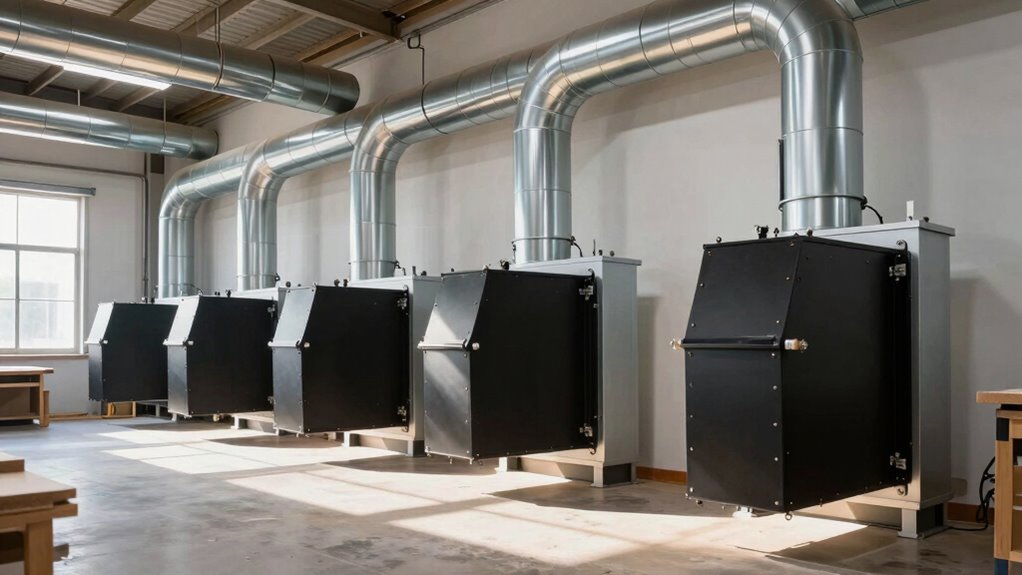

To get maximum performance from your blast gates, place them close to each power tool or zone you want to isolate, ensuring quick access and effective dust capture. Keep ducts as short and straight as possible, avoiding complex routes that cause airflow restrictions. Make sure gates are fully open during operation and tightly sealed when shut. Proper placement boosts airflow, reduces dust buildup, and makes your system more efficient—stick around to learn more about perfect placement strategies.

Get business pricing on tools and workshop supplies
- Business-only prices and quantity discounts
- Tax-exempt purchasing
- Multiple users, one account, clear invoices
Key Takeaways
- Place blast gates close to power tools and at the start of branch lines for effective dust capture.
- Position gates near tools to minimize duct length and airflow resistance.
- Install gates downstream from the main duct and upstream of branch points for optimal airflow control.
- Avoid placing gates in complex duct sections or far from tools to prevent airflow restrictions.
- Keep blast gates fully open during operation and seal connections tightly for maximum efficiency.
blast gate for dust collection system
As an affiliate, we earn on qualifying purchases.
As an affiliate, we earn on qualifying purchases.
What Do Blast Gates Do in Your Dust Collection System?
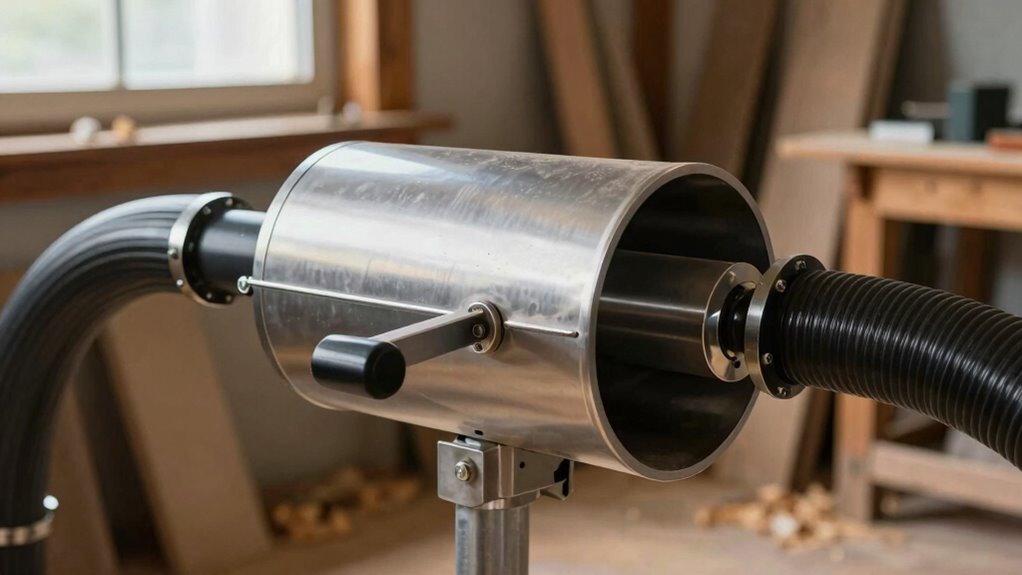
Blast gates are essential components in your dust collection system because they control airflow by opening or closing specific branches. When you open a blast gate, it directs dust and debris to the designated machine, improving efficiency. Closing a gate helps isolate equipment, reducing system noise and preventing dust from spreading unnecessarily. Proper placement of blast gates also makes filter maintenance easier, as you can limit dust flow to certain sections for easier cleaning. Additionally, understanding the contrast ratio in your system components can help optimize airflow and overall performance, ensuring that each part functions within its ideal airflow range. Managing airflow effectively with blast gates can prevent airflow restrictions, which can otherwise decrease system efficiency and increase energy consumption. Proper use of blast gates is key to an efficient dust collection setup. Ensuring that the system maintains the correct air pressure across different branches further enhances performance and reduces wear on components. This control ensures your system runs smoothly, maintains peak performance, and reduces the need for frequent repairs or filter replacements. Achieving optimal airflow also involves system balancing, which is crucial for consistent operation and energy efficiency.
workshop dust collection blast gates
As an affiliate, we earn on qualifying purchases.
As an affiliate, we earn on qualifying purchases.
How to Find the Best Spots to Install Blast Gates in Your Workshop
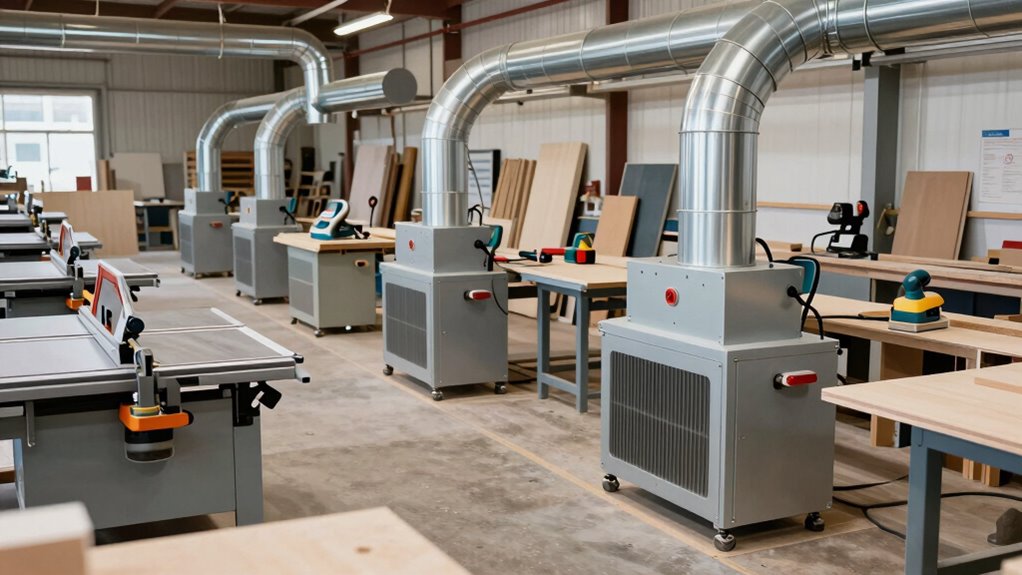
To maximize the effectiveness of your dust collection system, you need to identify the best spots to install blast gates strategically. Start by analyzing your workshop layout, noting where your most-used tools are located and how the airflow moves through the space. Focus on high-traffic areas to ensure dust is captured at its source. Avoid placing gates in places that require frequent adjustments, which can complicate dust collection maintenance. Instead, position blast gates where they can isolate individual tools or zones easily, reducing unnecessary airflow and power consumption. Regularly evaluate your setup to confirm that airflow is balanced and gates are functioning properly. Proper placement minimizes dust buildup and simplifies maintenance, keeping your workshop cleaner and your system running efficiently. Incorporate simple systems that are easy to set up and maintain to ensure long-term success. Additionally, understanding airflow dynamics can help you optimize gate placement for maximum efficiency. Recognizing airflow patterns within your workshop can further enhance the placement strategy and overall dust collection performance. Being familiar with dust collection principles can also help you make more informed decisions about gate positioning and system design. Moreover, system testing can help identify any issues with airflow and ensure your setup remains optimal over time.
As an affiliate, we earn on qualifying purchases.
Where Should You Place Blast Gates Near Your Power Tools?
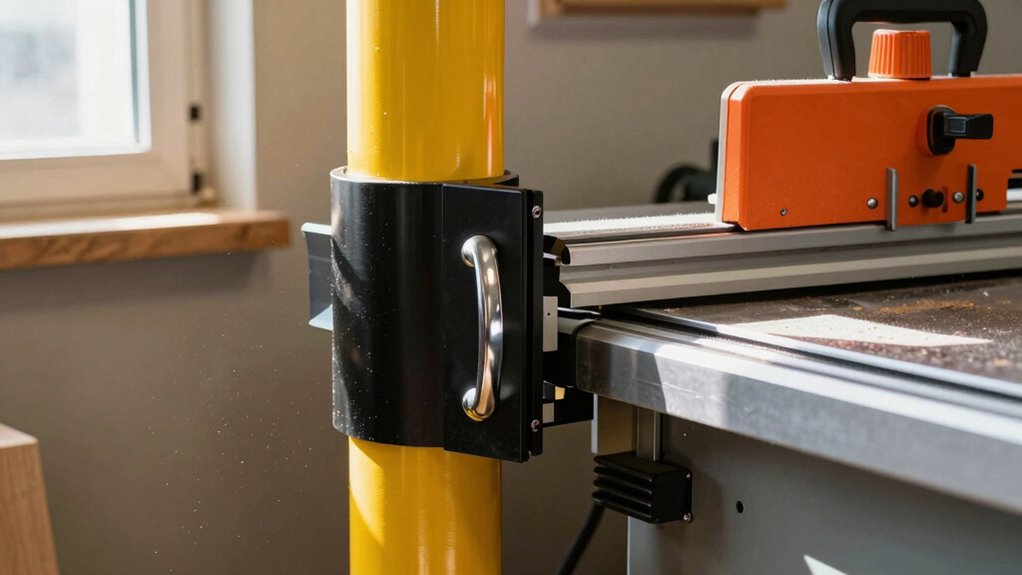
Placing blast gates near your power tools guarantees that dust is captured at its source, improving overall system efficiency. By installing gates close to each tool, you minimize dust spread and reduce the load on your dust collector. This setup also makes tool maintenance easier, as you keep dust buildup under control, extending the life of your equipment. Additionally, it supports safety protocols by reducing airborne particles, which can cause respiratory issues. Ensure each blast gate is easily accessible for quick operation, especially when switching tools. Proper placement helps you maintain a clean, safe workspace and keeps your dust collection system running smoothly. Understanding system airflow is key to optimizing your dust collection effectiveness and ensuring each tool performs at its best. When planning your layout, consider airflow dynamics to achieve maximum dust extraction efficiency across all connected tools. Optimizing blast gate placement further enhances system performance and ensures consistent dust removal. Paying attention to duct design can also improve airflow and overall system reliability.
dust collection system accessories
As an affiliate, we earn on qualifying purchases.
As an affiliate, we earn on qualifying purchases.
How to Position Blast Gates in the Main Duct Line for Efficiency

Positioning blast gates correctly in the main duct line is key to optimizing your dust collection system’s performance. Proper placement enhances airflow optimization, ensuring dust and debris move efficiently through your duct layout. To achieve this, position blast gates where they can control airflow to specific tools without causing unnecessary pressure drops. Keep gates downstream from the main blower but upstream of branch points to maximize efficiency. Avoid placing gates too close together, as this can restrict airflow and reduce suction power. Instead, space them strategically to balance airflow and dust collection. Remember, a well-planned duct layout with correctly positioned blast gates minimizes resistance and maintains consistent suction across your system, boosting overall performance. Additionally, understanding the airflow dynamics within your system helps in making informed decisions about gate placement, ensuring optimal operation. Recognizing system pressure variations is essential for troubleshooting and maintaining peak efficiency, especially since proper system balance directly impacts dust collection effectiveness.
Best Practices for Installing Blast Gates to Improve Airflow and Reduce Dust
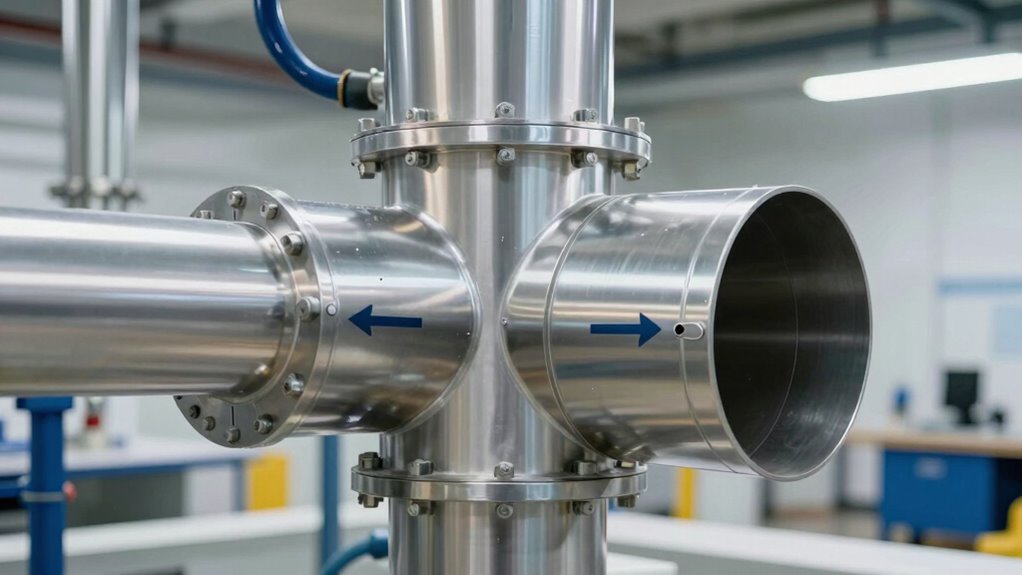
Installing blast gates correctly is essential for enhancing airflow and minimizing dust buildup in your system. To achieve ideal dust collection, position blast gates close to the tool or workstation they serve, ensuring minimal duct length between the gate and the tool. Keep the gates fully open when in use to maximize airflow, preventing dust from settling and clogging the system. Use smooth, rigid ductwork and avoid sharp bends that can restrict airflow. Seal all connections tightly to prevent leaks, which can reduce dust collection efficiency. Regularly inspect and clean the blast gates to keep airflow optimized. Proper installation not only improves dust extraction but also prolongs system life by maintaining consistent airflow throughout your setup. Understanding airflow principles can help optimize your system’s overall performance and efficiency. Additionally, considering airflow dynamics during installation can lead to better dust management and system longevity. Ensuring a well-designed duct layout further supports optimal dust collection and prevents blockages that impair performance.
Common Mistakes When Placing Blast Gates and How to Avoid Them
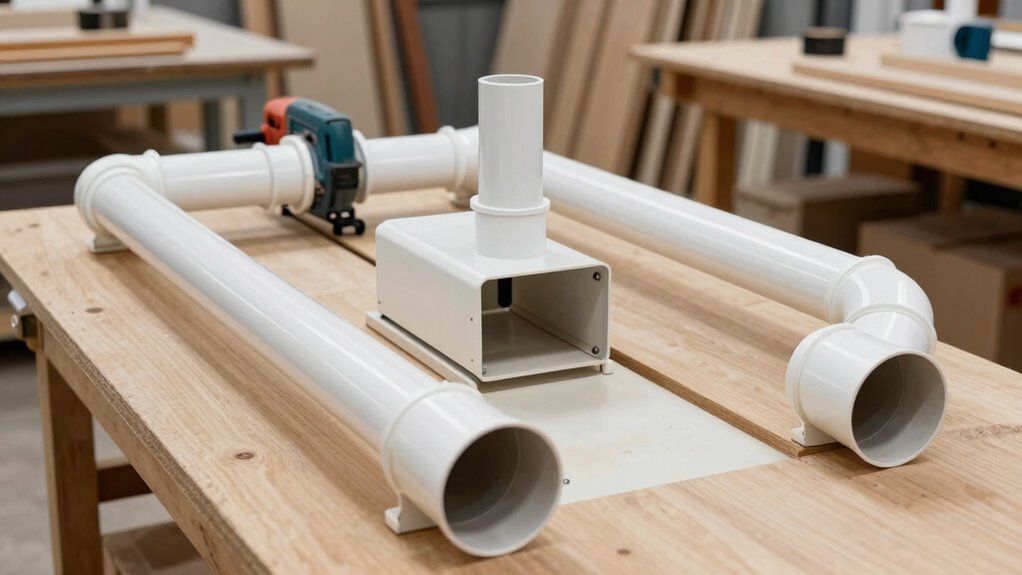
One common mistake is placing blast gates too far from the tool or workstation, which creates unnecessary duct length and reduces airflow efficiency. This extra length can cause airflow disruption, decreasing suction power when you need it most. Additionally, improper sealing around the blast gate can lead to leaks, further impairing system performance. To avoid these issues, position blast gates as close to the tool as possible and ensure a tight seal. Proper placement minimizes duct length and maintains consistent airflow. Use the table below to visualize ideal versus poor placement:
| Correct Placement | Poor Placement |
|---|---|
| Close to tool | Far from tool, causing long duct |
| Proper sealing | Loose or improper sealing |
| Short duct length | Excess duct length |
| Minimal airflow disruption | Increased airflow disruption |
Being mindful of airflow efficiency and ensuring proper duct placement guarantees your dust collection system operates at peak performance.
How Proper Placement of Blast Gates Boosts System Performance and Keeps Your Workspace Clean
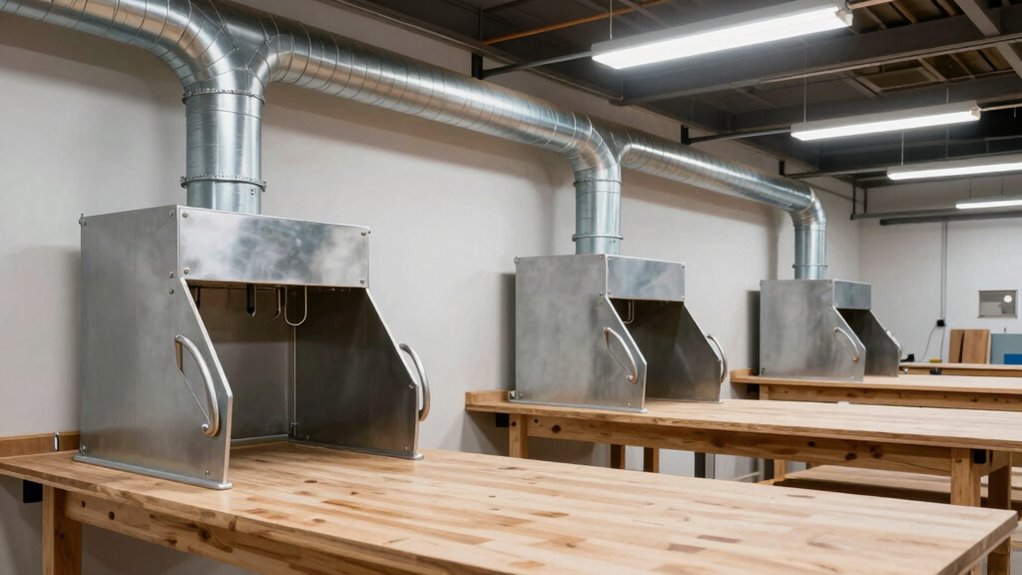
Properly placing blast gates guarantees your system runs smoothly and efficiently. When gates are positioned correctly, you prevent blockages that can slow down airflow and cause backups. This not only boosts performance but also helps keep your workspace clean and free of debris. Additionally, correct placement ensures safe operation and easier access for maintenance. airflow optimization Proper placement also minimizes system resistance, ensuring optimal airflow and reducing strain on your equipment.
Optimal Gate Placement
Strategic placement of blast gates is essential for maximizing your dust collection system’s efficiency and keeping your workspace tidy. Proper gate placement depends on thoughtful duct routing and overall system design. You should position blast gates close to individual tools, minimizing duct length and airflow resistance. This ensures that when a gate is opened, the system can efficiently direct suction where needed without losing power. Avoid placing gates too far from the tool or in complicated duct sections, as this can reduce airflow and cause dust buildup. Instead, plan your duct routing to allow easy access to gates and maintain a clear, logical flow. Well-placed blast gates make your system more effective, reduce energy consumption, and help you stay organized with minimal effort.
Prevents System Blockages
Placing blast gates correctly helps prevent system blockages that can disrupt airflow and reduce dust collection efficiency. When gates are improperly positioned, dust accumulation can occur in hidden corners or narrow ducts, leading to clogs that hinder airflow regulation. By strategically placing blast gates, you ensure smooth airflow throughout the system, preventing dust buildup in critical areas. Proper placement also allows you to isolate sections when needed, avoiding unnecessary strain on the system. This keeps your workspace cleaner and reduces maintenance time. Remember, consistent airflow is essential for effective dust removal, so use blast gates to control and direct airflow precisely. Correct placement is key to maintaining system performance and avoiding costly blockages that compromise your dust collection setup.
Frequently Asked Questions
How Do Blast Gates Affect Overall Dust Collection System Efficiency?
Blast gates improve your dust collection system efficiency by controlling dust flow effectively. When you place them correctly in your system design, they help regulate airflow, reduce static pressure, and prevent loss of suction. This ensures your dust collector works at its best, minimizes clogs, and saves energy. Properly positioned blast gates allow you to isolate specific tools or areas, maintaining consistent performance and keeping your workspace cleaner and safer.
What Materials Are Best Suited for Durable Blast Gates?
When choosing materials for durable blast gates, you’ll want to consider material selection and durability factors carefully. Steel and heavy-duty plastic often stand out, offering strength and resistance to wear. Steel provides exceptional durability and impact resistance, while reinforced plastic ensures lighter weight and corrosion resistance. Both materials excel under demanding conditions, making them ideal for long-lasting performance. Your choice depends on your specific needs and the environment where the blast gates will operate.
Can Blast Gates Be Automated for Remote Control?
Yes, you can automate blast gates for remote control. By integrating remote control systems, you gain automation benefits like quick operation and enhanced safety. You’ll need compatible actuators and a control interface, such as a wireless remote or smart home system. This setup allows you to open or close blast gates effortlessly from a distance, improving efficiency and convenience during your woodworking or dust collection tasks.
How Often Should Blast Gates Be Inspected or Maintained?
Don’t wait until something breaks to check your blast gates; it’s best to follow a regular inspection schedule, like clockwork. You should inspect them at least once every few months, depending on usage. Maintenance tips include cleaning out dust buildup, lubricating moving parts, and checking for leaks. Staying proactive keeps your system running smoothly, ensuring you catch issues early before they turn into costly repairs.
Do Blast Gates Impact Noise Levels in the Workshop?
Yes, blast gates can impact noise levels in your workshop. When properly installed and adjusted, they help reduce noise by controlling airflow and minimizing the sound of dust and debris traveling through the ducts. This noise reduction improves workshop acoustics, making it more comfortable and safer to work in. Keep gates well-maintained to guarantee they function effectively, further enhancing noise control and maintaining a quieter, more pleasant environment.
Conclusion
By placing blast gates precisely, you’ll perfect your dust collection, prevent poor airflow, and promote a pristine, productive workspace. Smart placement stops static stalling, streamlines suction, and saves space. So, stay strategic, avoid errors, and maximize your system’s success. With careful control and clever positioning, you’ll create a clean, clutter-free workshop where dust doesn’t dare to dominate. Make your dust collection decisive—design, deploy, and dominate with well-placed blast gates!
Fall Picks
fall essentials
As an affiliate, we earn on qualifying purchases.