
Understanding saw blade tooth counts helps you pick the right blade quickly for smoother or faster cuts. Higher tooth counts produce finer finishes but cut slowly, while fewer teeth cut faster with rougher edges. Match the tooth count to your material and project type—more teeth for delicate cuts, fewer for rougher ones. Staying safe and maintaining your blades is key. Keep going, and you’ll discover how to make smarter choices for perfect results every time.
Key Takeaways
- Higher tooth counts produce smoother, finer cuts ideal for finishing, while fewer teeth enable faster, rougher cuts.
- Match tooth count to material hardness and application: softer materials need more teeth, harder materials fewer.
- Tooth pattern influences cut quality; fine patterns suit veneers, coarse patterns are better for rough lumber.
- Use recommended tooth counts: 24-40 for softwood, 40-60 for hardwood, 60-80 for plywood.
- Regularly inspect and maintain blades to ensure safety, optimal performance, and longer lifespan.

EZARC Arc Edge Reciprocating Saw Blades, 15-Inch 6TPI for Pruning, 3-Pack
- Blade Length: 15-inch arc edge for fast cuts
- Cutting Efficiency: Aggressive Japanese tooth profile
- Design Innovation: Arc edge with triple-ground teeth
As an affiliate, we earn on qualifying purchases.
As an affiliate, we earn on qualifying purchases.
What Does Tooth Count Mean on Saw Blades?
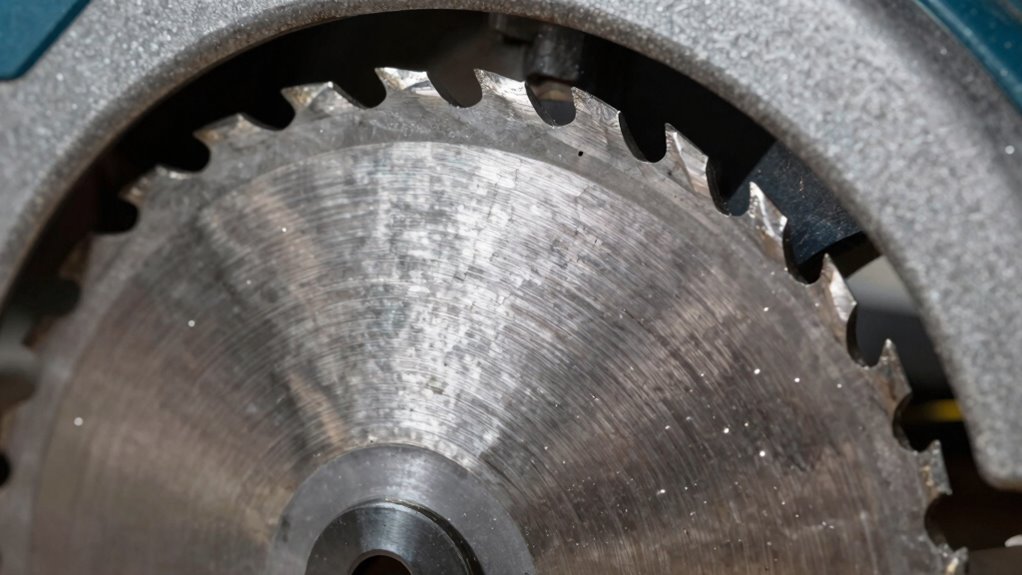
Have you ever wondered what the number of teeth on a saw blade really signifies? It indicates how many teeth are present on the blade’s edge, directly affecting your cutting results. A higher tooth count means finer cuts, which is ideal for smooth finishes, while fewer teeth allow for faster, rougher cuts. Understanding tooth count helps you select the right blade for your project, but it also emphasizes the importance of proper blade maintenance. Regularly inspect your blades for damage or buildup, and keep teeth sharp to ensure safety and efficiency. Proper blade material and coating also play a crucial role in longevity and performance. Additionally, choosing the appropriate tooth design can optimize your cutting precision for different materials. Recognizing the impact of tooth count on cut quality enables you to tailor your tools to specific tasks, improving both results and safety. To maximize your blade’s lifespan and performance, always follow manufacturer’s recommendations for maintenance and use. Always follow safety precautions, such as wearing protective gear and disconnecting power when changing blades. Knowing what tooth count means helps you make smarter choices, ensuring safer, cleaner cuts every time. Moreover, understanding how tooth count influences cutting speed can help you work more efficiently across various applications.

WEN BL1080 10-Inch 80-Tooth Carbide-Tipped Ultra-Fine Finish Professional Woodworking Saw Blade for Miter Saws and Table Saws
- Blade Diameter: 10-inch diameter for versatile cuts
- Arbor Size: 5/8-inch arbor fits most saws
- Maximum RPM: Rated up to 6000 RPM
As an affiliate, we earn on qualifying purchases.
As an affiliate, we earn on qualifying purchases.
How Does Tooth Count Affect Cutting Speed and Finish?

The number of teeth on a saw blade directly influences how quickly it can cut through material and the quality of the finish. A higher tooth count generally means a smoother cut, offering better cutting precision but slower progress. Conversely, fewer teeth cut faster but with a rougher finish. To understand the impact:
- Cutting Speed: Fewer teeth increase speed but may compromise finish quality.
- Finish Quality: More teeth deliver a cleaner, smoother surface, ideal for fine work.
- Blade Noise: Higher tooth counts often produce less blade noise, creating a quieter operation while maintaining cutting precision.
Your choice affects not only the speed but also the noise level and finish quality. Balancing tooth count guarantees you get the right mix of efficiency, smoothness, and quiet operation for your project.
EZARC Arc Edge Reciprocating Saw Blades, 15-Inch 6TPI for Pruning, 3-Pack
- Blade Length: 15-inch arc edge for fast cuts
- Cutting Efficiency: Aggressive Japanese tooth profile
- Design Innovation: Arc edge with triple-ground teeth
As an affiliate, we earn on qualifying purchases.
As an affiliate, we earn on qualifying purchases.
How to Choose the Right Tooth Count for Your Material?

When choosing a tooth count, consider the hardness of your material, as softer materials often need fewer teeth for efficient cuts. The blade’s tooth pattern also plays a role, influencing how smoothly and quickly you can cut through different surfaces. Matching these factors ensures you select the ideal tooth count for your specific material. Additionally, selecting the proper piercing materials can help prevent irritation and ensure longevity of the jewelry. Understanding the tooth count range suitable for your project can further optimize your cutting performance and finish.
Material Hardness Impact
Since harder materials resist cutting more than softer ones, selecting the right tooth count depends heavily on their hardness level. For abrasive materials, like composites or metals, you need a blade with a lower tooth count to prevent clogging and ensure efficient cutting. Soft woods, on the other hand, benefit from higher tooth counts for cleaner finishes. Keep these points in mind:
- Use fewer teeth for tough, abrasive materials to avoid overheating and dulling.
- Opt for more teeth when cutting soft woods for smoother edges.
- Consider the material’s hardness to balance cutting speed and finish quality, guaranteeing you pick the right tooth count every time.
- Remember that blade design can also influence cutting performance and should be matched to your specific project needs. Additionally, understanding material hardness is crucial to match your saw blade’s tooth count with the material you’re working with, ensuring optimal results.
Blade Tooth Pattern
Choosing the right blade tooth pattern is essential for optimizing your cut quality and efficiency. Your saw teeth design influences how smoothly and cleanly you cut different materials. A finer tooth pattern with more teeth creates smoother cuts on delicate materials, while a coarser pattern with fewer teeth handles tougher surfaces better. Here’s a quick guide:
| Blade Tooth Pattern | Best Use | Saw Teeth Design |
|---|---|---|
| Fine | Plywood, veneers | Many small teeth, close together |
| Standard | General-purpose cutting | Moderate teeth count |
| Coarse | Lumber, rough cuts | Fewer teeth, larger gullets |
Matching the tooth pattern to your material guarantees cleaner cuts and prolongs blade life.

FOXBC 6-1/2 Inch 140 Tooth Circular Saw Blade for Plywood, OSB, Plastic, Veneer Wood Cutting with 5/8-Inch Diamond Arbor
- Blade Size: 6-1/2 inch diameter
- Teeth Count: 140 teeth for smooth cuts
- Arbor Size: 5/8 inch diamond knockout
As an affiliate, we earn on qualifying purchases.
As an affiliate, we earn on qualifying purchases.
What Tooth Count Is Best for Crosscuts and Rip Cuts?
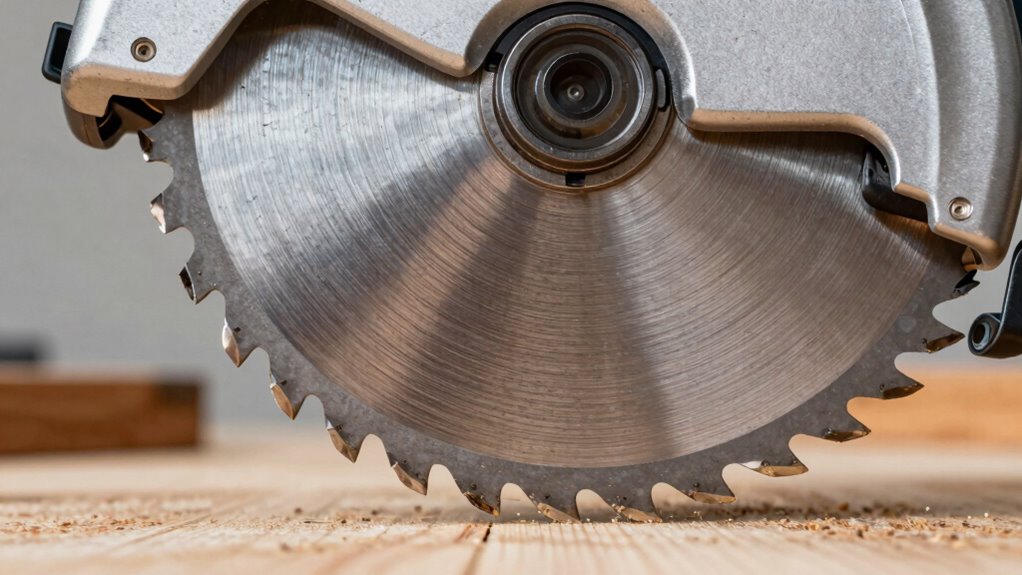
For crosscuts and rip cuts, selecting the right tooth count depends on the type of cut you need to make. A lower tooth count (around 24-30) is ideal for rip cuts, providing faster, more aggressive cuts through wood. Higher tooth counts (60-80) suit crosscuts, yielding smoother finishes on finished edges. To guarantee maximum performance, keep your saw blade well-maintained with regular blade maintenance, which helps reduce kickback and enhances safety precautions. When choosing a blade, consider these tips:
- Use a low tooth count blade for rough rip cuts in hardwood or softwood.
- Opt for a higher tooth count blade for clean crosscuts on finished surfaces.
- Always check blade condition before use to prevent accidents and ensure precise cuts.
- Understanding the tooth count of a saw blade can help you select the right tool for your specific project, as blade maintenance plays a crucial role in maintaining optimal cutting accuracy.
When Should You Use High Tooth Count Blades?
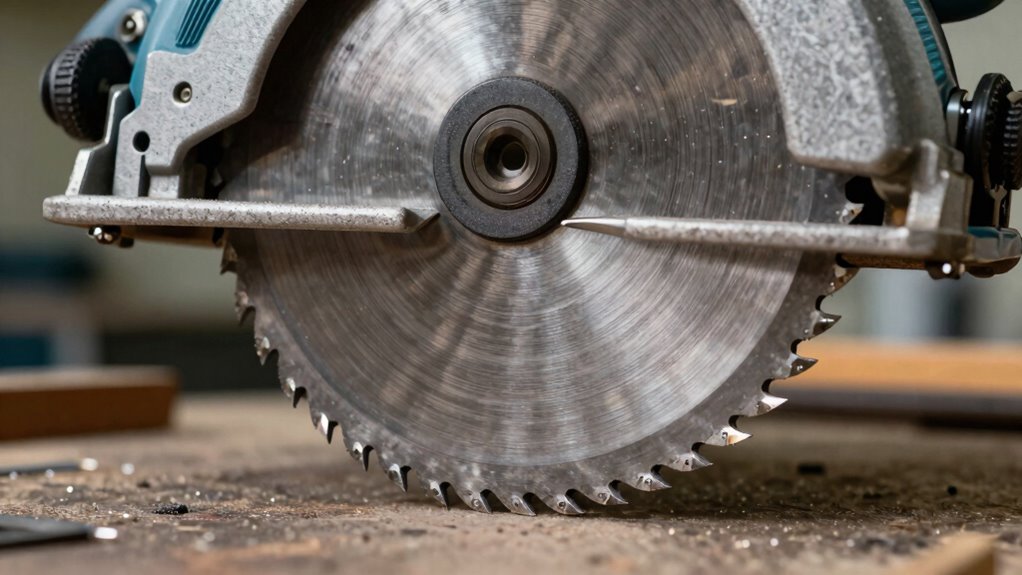
High tooth count blades are ideal when you need smooth, clean cuts on finished or delicate surfaces. They produce fine cuts with minimal splintering, making them perfect for cabinetry, veneered plywood, or furniture projects. When using these blades, always follow safety precautions such as wearing eye protection and ensuring proper blade alignment. Regular maintenance tips include cleaning the teeth to prevent buildup and checking for dullness, which can cause rough cuts or strain on your saw. Using a high tooth count blade on appropriate materials minimizes tear-out and improves finish quality. Remember, these blades aren’t suited for fast or rough cuts, so choose them carefully. Proper safety precautions and routine blade maintenance will keep your blade performing at its best and ensure safe, precise cuts every time. Additionally, understanding the history of pinball machines can provide valuable insights into the evolution of gaming technology, which parallels advancements in saw blade design. Being aware of different blade types helps in selecting the most suitable blade for each specific project, ensuring optimal results. Moreover, selecting the right blade involves understanding tooth count and how it affects cutting performance, which is crucial for achieving the desired finish.
When Are Low Tooth Count Blades the Best Choice?
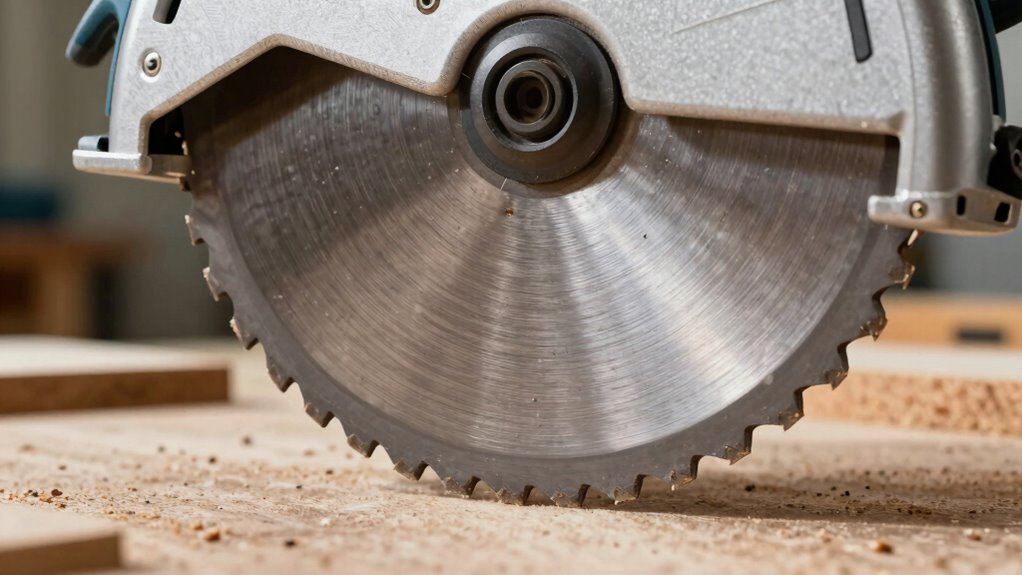
Low tooth count blades excel when you need to make fast, rough cuts through thick or dense materials. They’re ideal for projects where speed matters more than a perfect finish. Use them with abrasive blades to cut through tough surfaces like concrete or stone efficiently. Specialty blades with fewer teeth are perfect when you’re working with materials that don’t require fine detail. Additionally, cutting speeds are generally higher with low tooth count blades, further enhancing their efficiency for rough work. Consider these situations:
- Cutting thick wood or softwood quickly
- Working with abrasive blades for masonry or concrete
- Making rough cuts in dense or heavy materials
Low tooth count blades remove material fast, reducing cutting time and effort. They’re your best choice when durability and speed are priority, especially with blade design optimized for tough materials. Exploring saw blade maintenance can also help ensure optimal performance during demanding cuts.
How to Match Tooth Count to Different Materials?

Choosing the right tooth count depends on the material’s density, as denser materials require more teeth for smooth cuts. You also need to contemplate cutting speed, since faster cuts can wear down blades with fewer teeth quickly. Additionally, think about the durability you need—thicker or harder materials often demand blades with more teeth for longevity. Incorporating sound therapy techniques can help improve focus and reduce fatigue during long cutting sessions. To optimize performance, consider the material properties and how they interact with specific blade configurations. Understanding the vetted lifestyle products can also provide insights into tools and accessories that enhance your overall craftsmanship and safety.
Material Density Considerations
When working with different materials, matching the tooth count of your blade to their density is essential for effective cutting. Heavier, dense materials require blades with fewer teeth for cleaner cuts, while lighter materials benefit from higher tooth counts. For tough, dense materials like hardwoods or metals, abrasive blades with fewer teeth and durable blade coatings help prevent overheating and wear. Conversely, softer or thin materials such as plywood or plastics need blades with more teeth for smooth, precise cuts. Keep these points in mind:
- Use abrasive blades with appropriate blade coatings for dense or tough materials.
- Match lower tooth counts with dense materials to reduce heat and strain.
- Opt for higher tooth counts for delicate or lightweight materials to ensure a smooth finish.
Cutting Speed Impacts
The cutting speed you choose directly influences how well your blade’s tooth count performs across different materials. Faster speeds can increase efficiency but risk overheating and damaging the blade if you don’t follow safety precautions. Slower speeds offer better control and cleaner cuts, especially on delicate materials. To optimize performance, match your tooth count to the material and speed. Proper maintenance tips, like keeping blades sharp and clean, extend their lifespan and ensure safety. Remember, pushing too hard or rushing can cause accidents. Always consider blade longevity and safety guidelines when adjusting your cutting parameters.
Blade Durability Needs
Matching your blade’s tooth count to the material you’re cutting is key to maximizing durability and achieving clean results. Different materials demand different tooth counts to prevent premature wear and guarantee longevity. For softer woods or plastics, choose blades with fewer teeth to reduce heat and stress. Harder materials like metal or hardwoods require more teeth for cleaner cuts and longer blade life. To enhance durability, regularly perform blade sharpening to maintain sharpness, and consider saw blade coatings that reduce friction and corrosion. Additionally, utilizing AI-assisted maintenance tools can help monitor blade condition and optimize sharpening schedules for extended lifespan.
Quick Tips for Selecting the Right Tooth Count for Your Project
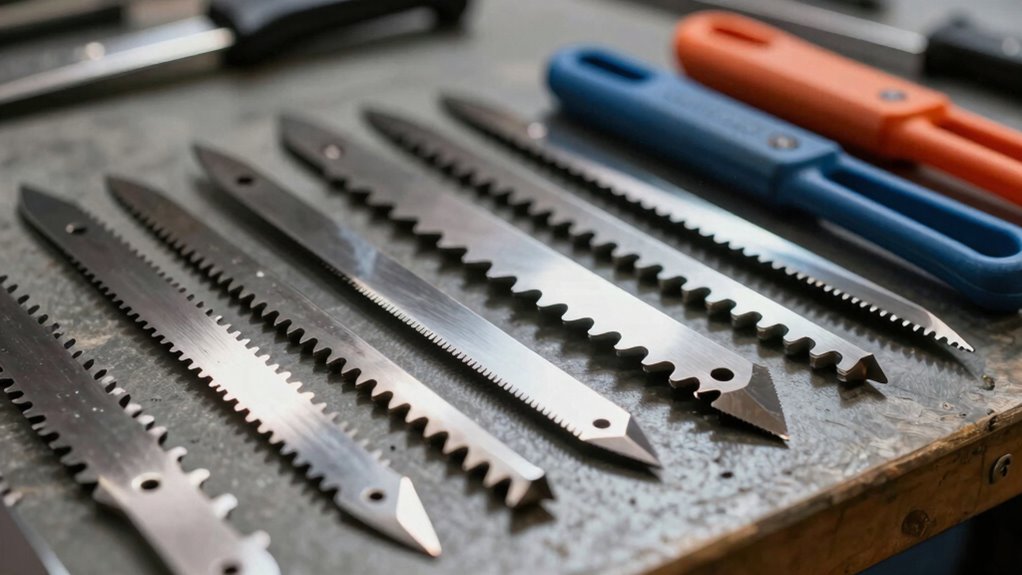
Choosing the right tooth count for your project can substantially impact your cutting efficiency and the quality of your work. Start by considering the blade material—high-quality steel blades typically handle different tooth counts better, so choose accordingly. For smoother cuts on finish work, select a blade with more teeth; for faster, rough cuts, go with fewer teeth. Always wear proper safety gear, like goggles and gloves, when handling blades to protect yourself. If you’re working with softer materials like plywood, a blade with a moderate tooth count works well, while harder materials may require a higher tooth count to prevent splintering. Keep your project in mind: the right tooth count enhances precision and safety, ensuring your work is clean and efficient. Additionally, understanding the blade material can help you select the most durable option for your specific tasks.
Common Mistakes to Avoid When Choosing Saw Blade Tooth Count

One common mistake is selecting a tooth count based solely on price or familiarity rather than the specific requirements of your project. This can lead to poor cut quality or safety issues. To avoid this, keep these points in mind:
Choosing a tooth count based only on price or familiarity risks poor cuts and safety issues.
- Ignore safety precautions—using the wrong tooth count can cause kickback or blade damage. Always match your blade to the material and task.
- Overlook blade maintenance—dull or dirty blades with the wrong tooth count increase strain, risking accidents.
- Rely solely on reviews or brand reputation—without understanding your project’s needs, you risk choosing an inappropriate tooth count that hampers performance.
Choosing the right tooth count is essential for safety, proper blade maintenance, and achieving clean cuts. Avoid these mistakes to ensure efficient, safe operation.
Final Tips for Picking the Perfect Saw Blade Tooth Count
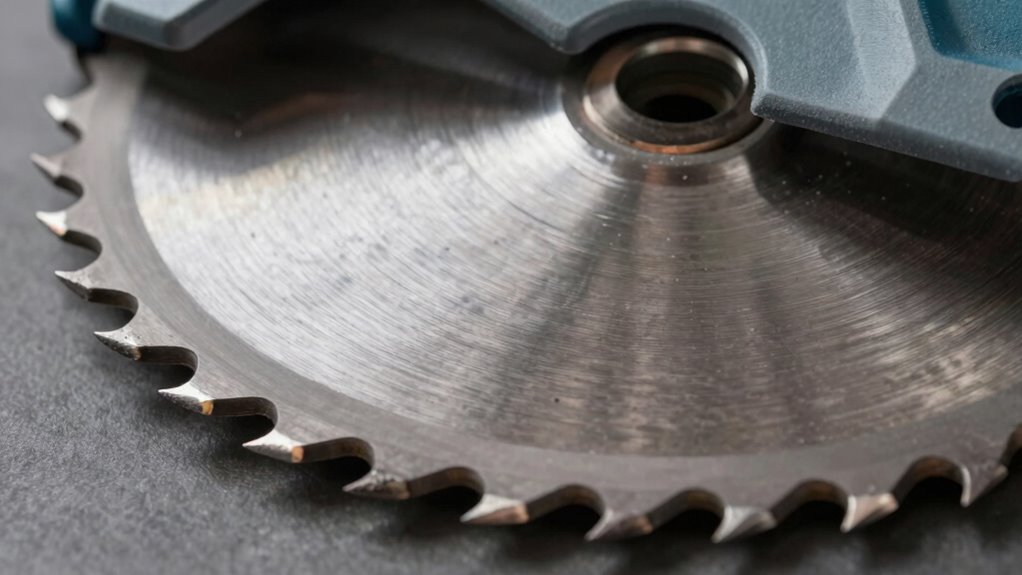
To pick the perfect saw blade tooth count, start by clearly identifying the material you’ll be cutting and the type of cut you need. For example, softwoods require fewer teeth for faster cuts, while hardwoods need more for cleaner finishes. Consider this table:
| Material | Recommended Tooth Count | Cut Type |
|---|---|---|
| Softwood | 24–40 | Fast rough cut |
| Hardwood | 40–60 | Precise cut |
| Plywood | 60–80 | Smooth finish |
| Metal | 14–24 | Thin kerf |
Keep in mind, blade sharpening prolongs its life and maintains efficiency. Always follow safety precautions when handling blades. Proper tooth count choice ensures your project’s quality and safety.
Frequently Asked Questions
Can the Wrong Tooth Count Damage My Saw or Project?
Using the wrong tooth count can harm your saw and compromise your project. A blade with too few teeth may cause rough cuts, increasing strain on your saw and reducing blade longevity. Conversely, too many teeth can slow down your work and produce a fragile cut. This mismatch risks saw safety and can damage your material. Always select the right tooth count to guarantee smooth cuts, blade longevity, and safe operation.
How Does Blade Diameter Influence Optimal Tooth Count?
Your blade diameter affects the ideal tooth count because larger blades generally need more teeth for smooth cuts, while smaller blades work well with fewer teeth for faster, rougher cuts. Consider material compatibility and cutting speed—more teeth provide cleaner cuts on delicate materials, but reduce cutting speed. Also, choose a tooth count that balances blade longevity and performance, ensuring your saw operates efficiently without premature wear or damage.
Is There a Universal Tooth Count Suitable for All Materials?
There isn’t a universal tooth count suitable for all materials because material-specific considerations greatly influence blade choice. You should select a blade with a tooth count tailored to your project’s material, whether it’s wood, metal, or plastic. For example, fewer teeth work better for rough cuts in softwood, while more teeth deliver smoother finishes in fine woodworking. Always consider the material’s hardness and the cut quality you need.
How Often Should I Replace Blades Based on Tooth Wear?
You should replace your saw blades when you notice signs of tooth wear, such as dull cuts, burn marks, or increased effort. Regular blade maintenance helps extend their lifespan, but safety precautions are vital—always unplug your saw before inspecting or replacing blades. Keep an eye on performance, and don’t delay replacing worn blades, as it guarantees cleaner cuts and reduces the risk of accidents.
Are Specialty Blades Necessary for Cutting Exotic or Composite Materials?
You bet, specialty blades are often necessary for cutting exotic or composite materials because of their unique material hardness. Using the right blade guarantees compatibility and cleaner cuts, saving you time and frustration. Don’t cut corners—if you try to use a standard blade, you’ll likely end up in a jam. Investing in the proper blade tailored for your material guarantees smooth operation and longer-lasting tools. It’s worth the extra effort!
Conclusion
Choosing the right saw blade tooth count can make all the difference in your project’s success. Did you know that blades with higher tooth counts can produce a smoother finish, but may cut more slowly? By understanding your material and cutting needs, you’ll save time and avoid mistakes. Remember, picking the correct tooth count isn’t just about speed—it’s about precision, quality, and efficiency. With these tips, you’ll be cutting confidently in no time!