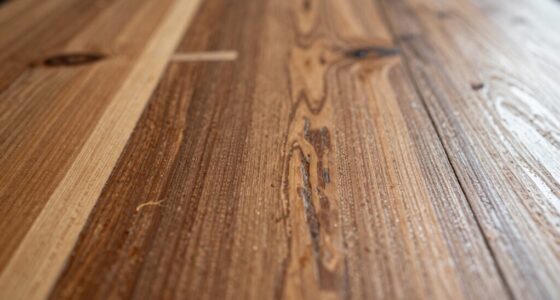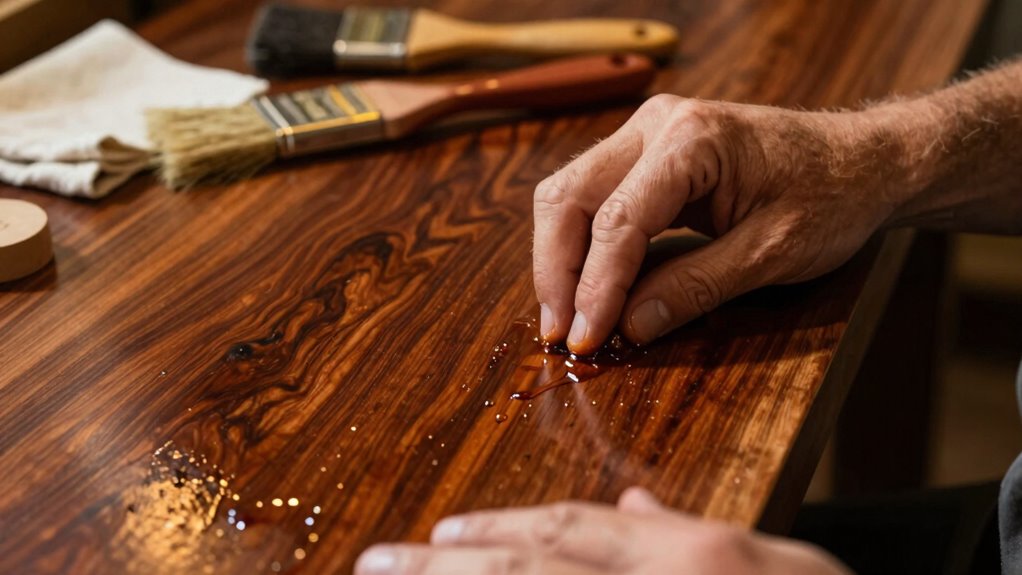
French polishing is a magical finishing technique that transforms ordinary wood into stunning art. By applying shellac using a soft cloth in thin, even coats, you’ll reveal the natural beauty and deep colors of the wood grain. Patience is key as you let each layer dry, enhancing the overall finish. With a few finishing touches, like a light oil coat for luster, you’ll achieve a breathtaking high-gloss look. Discover the secrets to mastering this elegant technique.

Get business pricing on tools and workshop supplies
- Business-only prices and quantity discounts
- Tax-exempt purchasing
- Multiple users, one account, clear invoices
Key Takeaways
- French polishing transforms wood into stunning pieces of art, enhancing natural beauty and deepening color effectively.
- This technique utilizes shellac, providing a finish unmatched by other methods for wood surfaces.
- The application process requires thin, even coats and patience to achieve the desired depth and sheen.
- Finishing touches, like using pumice and oil, elevate the luster and highlight the unique character of the wood.
- Time and practice are essential in mastering French polishing, resulting in breathtaking, high-gloss finishes that feel magical.
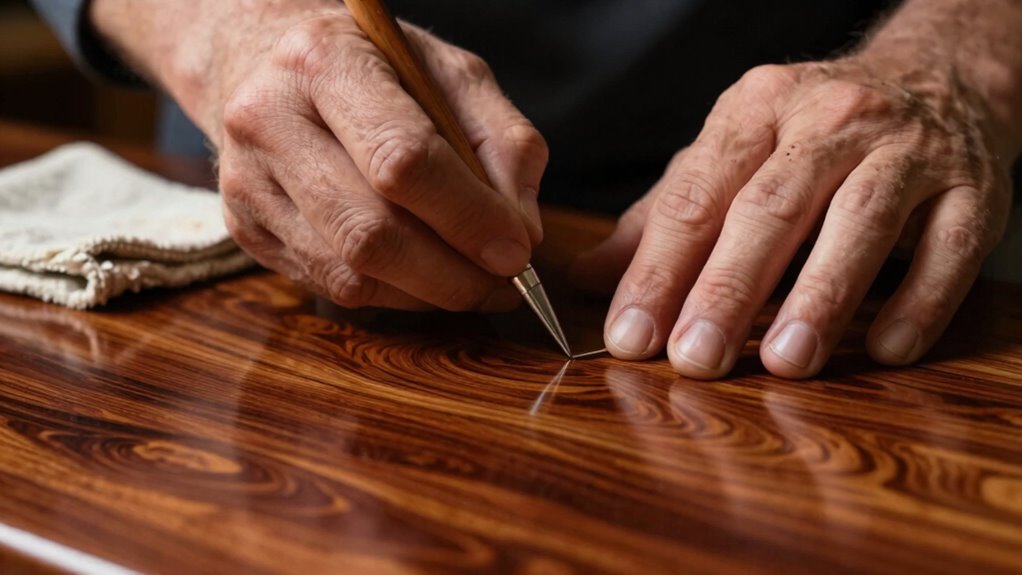
French polishing is an elegant finishing technique that can transform your wood surfaces into stunning works of art. If you’ve ever admired the deep, rich glow of a finely polished piece of furniture, you know the allure of this classic method. It’s not just about aesthetics; it’s about breathing new life into wood and enhancing its natural beauty. By mastering the application process, you can achieve a level of finish that few other techniques can rival.
French polishing elevates wood surfaces into exquisite masterpieces, enhancing their natural beauty with a rich, captivating glow.
To get started, you’ll need some essential finishing materials. The most important item is shellac, which serves as the primary finish in French polishing. You can buy it in flakes or premixed liquid form, but flakes give you more control over the dilution process. You’ll also need denatured alcohol to dissolve the shellac, and a soft cloth or pad for application. Many artisans prefer using cotton or a combination of cotton and wool for this purpose. Beyond that, you might want a few extra tools like sandpaper, pumice, and oil for a more refined finish.
The application process begins with preparing your wood surface. Confirm it’s clean, dry, and free from any previous finishes that might interfere with adhesion. Lightly sand the surface to create a smooth base, then wipe it down with a damp cloth to remove dust. Once you’ve prepared the surface, it’s time to mix your shellac with denatured alcohol in a 1:1 ratio to start. This creates a workable solution that allows for easy application.
When applying the shellac, use a circular motion and apply it in thin, even coats. Don’t rush; patience is key. Allow each layer to dry before adding the next. This method builds up a depth of finish that gives your wood a beautiful glow. As you progress, you’ll notice the color deepening and the grain of the wood becoming more pronounced. Additionally, understanding the proper application technique can significantly impact the final appearance and durability of your finish. Proper surface preparation is essential for achieving a flawless result and ensuring the longevity of your finish. Incorporating techniques like polishing and buffing can further enhance the smoothness and luster of the final coat.
After several coats, you can switch to a finer abrasive, like pumice, to smooth out any imperfections. Finally, finish off with a light coat of oil to enhance the luster. The result? A breathtaking, high-gloss finish that showcases the wood’s unique character.
In just a few steps, you’ve transformed your project into a timeless piece. French polishing may take time and practice, but the reward of a stunning finish makes every effort worthwhile.
As an affiliate, we earn on qualifying purchases.
Frequently Asked Questions
How Long Does French Polishing Take to Complete?
French polishing typically takes several hours to complete, depending on the size of the piece and your application techniques. You’ll need to apply multiple coats, allowing each one to dry for about 30 minutes to an hour. If you’re aiming for a high-gloss finish, be prepared for longer drying times between coats. Overall, patience is key, as rushing the process can lead to an uneven finish you won’t be happy with.
Can French Polishing Be Done on Modern Furniture?
Absolutely, you can use French polishing on modern furniture! It’s like giving your piece a luxurious makeover that gleams brighter than a diamond. While traditional techniques shine best on hardwood, you can also apply it to certain furniture materials like plywood or veneer. Just guarantee the surface is clean and properly prepared. With a little patience, you’ll transform your modern piece into a stunning showstopper that captivates everyone.
Is French Polishing Suitable for Outdoor Furniture?
French polishing isn’t ideal for outdoor furniture. While it creates a beautiful finish, it lacks the outdoor durability and weather resistance needed for exposure to elements. Water and UV rays can quickly damage the finish, leading to peeling or fading. If you’re looking for a long-lasting solution, consider alternative finishes specifically designed for outdoor use, like polyurethane or varnish. They provide better protection against the harsh conditions your furniture will face outside.
What Tools Are Essential for French Polishing?
For French polishing, you’ll need a few essential tools. Start with fine sandpaper for wood preparation, ensuring a smooth surface. Use a rubber, which you can make by wrapping cotton in a cloth, for applying the polish. Don’t forget high-quality shellac for the finish; it enhances finish durability. Finally, have a clean, lint-free cloth on hand for buffing. With these tools, you’ll achieve a beautiful, lasting result on your wood projects.
How Do I Maintain a French Polished Finish?
To maintain a French polished finish, think of it as nurturing a delicate flower. You should use soft cloths for dusting and avoid harsh cleaners. Regularly apply a thin layer of wax to protect the surface and enhance its shine. If you notice any imperfections, employ simple repair techniques like spot polishing. These maintenance tips will keep your finish looking vibrant and beautiful for years to come, preserving its enchanting charm.
As an affiliate, we earn on qualifying purchases.
Conclusion
In the world of woodworking, French polishing is like a dance between wood and artisan, creating a mesmerizing finish that brings out the soul of the piece. As you embrace this timeless technique, you’re not just applying a finish; you’re weaving a story into every stroke. So, gather your tools, let the magic unfold, and transform your creations into heirlooms that will whisper their secrets for generations to come. It’s a journey worth taking.
professional French polishing supplies
As an affiliate, we earn on qualifying purchases.
As an affiliate, we earn on qualifying purchases.
shellac flakes for wood finishing
As an affiliate, we earn on qualifying purchases.
As an affiliate, we earn on qualifying purchases.
Halloween Picks
halloween
As an affiliate, we earn on qualifying purchases.