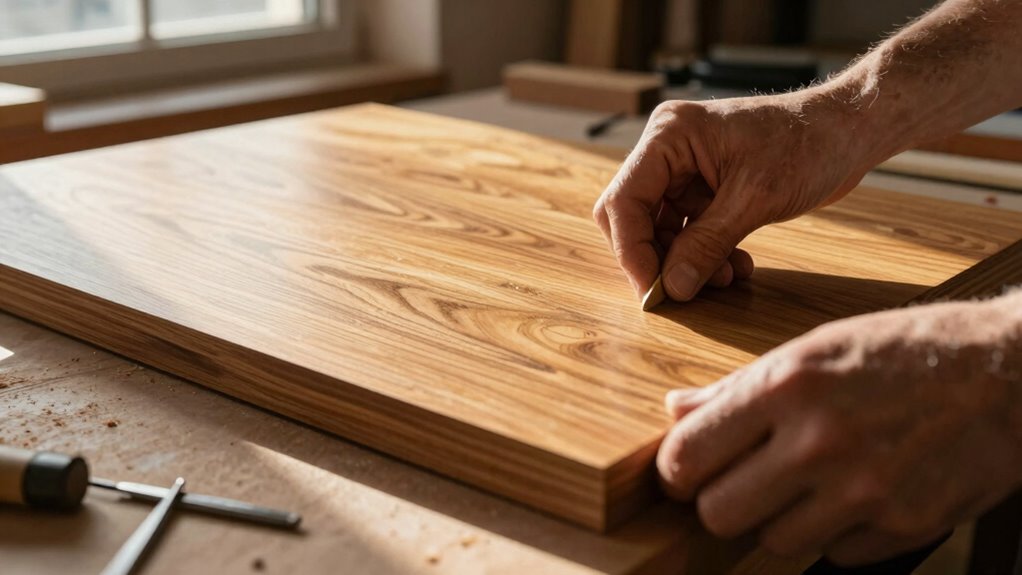

When it comes to panel raising, proper setup is more important than obsessing over bit size. You need to align your tools precisely, set the fence square, and adjust the bit height carefully. Using multiple shallow passes and controlling your feed rate can make a huge difference in quality. Good craftsmanship and technique guarantee cleaner, more accurate cuts, regardless of the bit you choose. Keep exploring to discover how mastering setup can elevate your work beyond the hype.

Get business pricing on tools and workshop supplies
- Business-only prices and quantity discounts
- Tax-exempt purchasing
- Multiple users, one account, clear invoices
Key Takeaways
- Proper setup ensures accurate cuts and consistent results, regardless of the bit size used.
- Precise fence alignment and bit height are more impactful than obsessing over bit diameter.
- Multiple shallow passes and correct feed rate prevent tear-out and improve finish quality.
- Understanding manufacturing techniques and design considerations guides effective setup choices.
- Craftsmanship and technique are the true determinants of professional, high-quality panel raising outcomes.
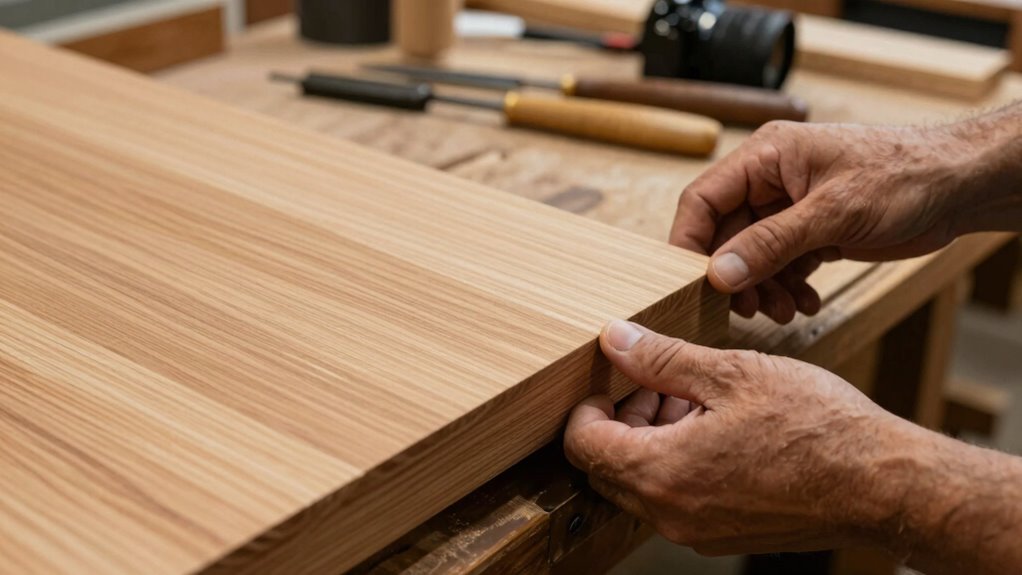
Have you ever wondered how to effectively raise a panel to achieve a smooth, flush finish? It’s not just about picking the right bit size; more often, success depends on understanding the manufacturing techniques and design considerations that influence how you set up your tools. When you focus on these aspects, you’ll find that setup becomes the key to consistent, high-quality results. The hype around choosing a specific bit size can tempt you into believing it’s the most critical factor, but in reality, proper setup and technique matter far more.
Manufacturing techniques, such as the way panels are milled or assembled, directly affect how you should approach raising them. For example, panels with a thicker core or different grain directions require adjustments in your setup to prevent tear-out or uneven edges. Knowing the material’s properties helps you select the right tools and settings to minimize errors. Additionally, understanding the material properties allows for more informed adjustments, leading to better outcomes. Design considerations, like the profile of the raised panel or the style of the door, also influence your approach. Certain profiles demand precise, multi-pass cuts, which rely on your setup being spot-on rather than just the bit size. When you pay close attention to these details, you reduce the likelihood of mistakes and achieve a more refined, professional finish.
Manufacturing and design details shape your setup for flawless, professional panel raising results.
The secret is in the setup process. Instead of obsessing over the perfect bit size, you should ensure your router is properly aligned, your fence is square, and your bit height is accurately set. Take the time to test your setup on scrap material before working on the actual panel. This step allows you to make minor adjustments that can drastically improve the final appearance. Proper setup also involves considering the feed rate and the number of passes. Pushing your material too quickly or trying to do it in one pass with a large bit can cause tear-out or uneven edges, undermining your efforts. Using correct feed rates and multiple shallow passes helps prevent these issues and results in a cleaner profile. Instead, use multiple shallow passes, adjusting your setup as needed, to produce a smooth, consistent profile.
Ultimately, understanding the manufacturing techniques and design considerations that influence panel raising helps you focus on the aspects that truly matter. The focus should shift from chasing the perfect bit size to ensuring your tools are aligned, your techniques are deliberate, and your process is precise. When you do this, you’ll find that achieving a professional, flush panel finish becomes less about hype and more about craftsmanship. Proper setup ensures consistency, quality, and a finish that speaks to your skill, no matter what specific profile or style you’re working on.
As an affiliate, we earn on qualifying purchases.
Frequently Asked Questions
How Does Panel Raising Impact Overall Woodworking Project Efficiency?
Panel raising improves your woodworking project efficiency by ensuring proper grain orientation, which reduces warping and splitting. It allows you to set up your tools precisely, minimizing errors and material waste. By carefully selecting the right materials, you can streamline the process further, saving time and effort. This setup-focused approach ultimately leads to cleaner cuts and stronger joints, making your project more efficient and professional-looking overall.
What Tools Are Best Suited for Panel Raising Techniques?
You’ll want tools that blend precision with ease, making your panel raising technique smoother. A router with a beaded or raised panel bit is ideal, offering control and clean cuts. A shaper machine also excels for consistent results, especially on larger projects. Proper tool selection guarantees your technique remains precise, so you get a flawless finish without fuss. Invest in quality tools, and your craftsmanship will shine through effortlessly.
Can Panel Raising Be Safely Performed by Beginners?
Yes, you can safely perform panel raising as a beginner if you follow proper hand tool techniques and beginner safety tips. Make sure to use sharp tools properly, keep your hands clear of cutting paths, and work slowly. Always wear safety glasses and secure your workpiece firmly. Taking your time, practicing on scrap pieces first, and seeking guidance will help you develop confidence and reduce risks during panel raising.
How Does Panel Raising Compare to Other Panel Preparation Methods?
Panel raising techniques revolutionize your approach, offering precision that surpasses traditional methods. Compared to other panel preparation techniques, it’s faster, safer, and more consistent. Its historical significance lies in transforming woodworking standards, emphasizing setup over raw bit size. You’ll find that mastering panel raising allows you to create smooth, professional edges with less risk and effort, making it an essential skill for serious woodworkers aiming for perfection.
What Safety Precautions Are Necessary During Panel Raising?
During panel raising, you need to wear safety gear like gloves, eye protection, and helmets to prevent injuries. Always follow emergency procedures, such as knowing how to quickly shut down equipment or evacuate if necessary. Keep your workspace clear of hazards, communicate clearly with team members, and make certain lifting equipment is secure. Staying alert and prepared minimizes risks, keeping everyone safe throughout the panel raising process.
As an affiliate, we earn on qualifying purchases.
Conclusion
You might think tiny bits are the future, but it’s the setup that truly makes the difference. When you focus on the entire panel raising process, you realize it’s like planting a seed in rich soil—everything aligns perfectly. Coincidences happen, like finding the right tools just when you need them, reminding you that success isn’t about size but smart preparation. Trust the setup, and watch your results grow beyond what size alone could achieve.
woodworking router with depth stop
As an affiliate, we earn on qualifying purchases.
As an affiliate, we earn on qualifying purchases.
As an affiliate, we earn on qualifying purchases.
Fall Picks
fall essentials
As an affiliate, we earn on qualifying purchases.