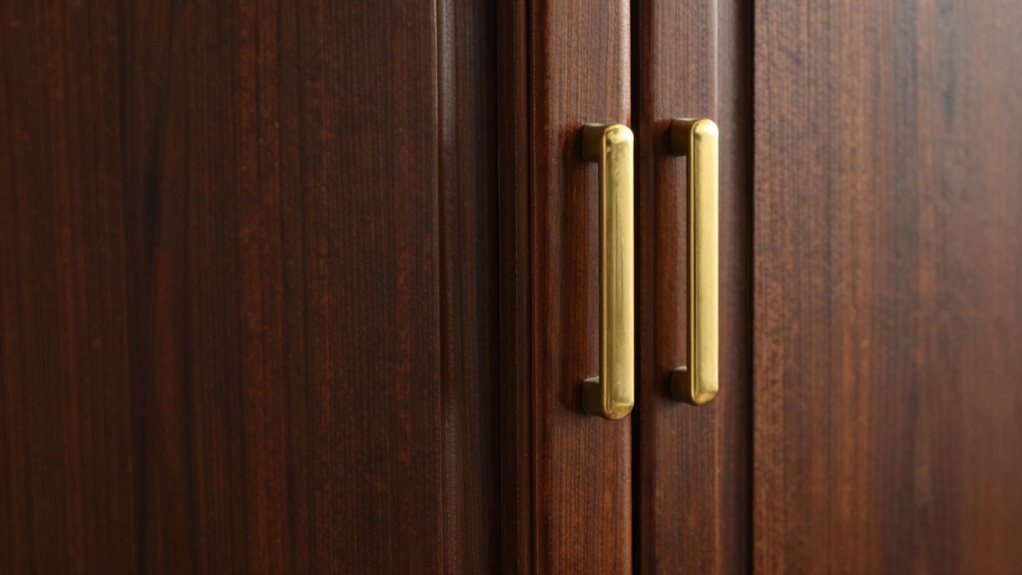

When working with inset cabinet doors, you’ve got to be precise. The margin for error is indeed small, with a consistent 1/8-inch gap required for a polished look. It’s essential to evaluate your cabinet’s structure, ensuring frames are square and plumb. High-quality hinges and regular checks with a level will help keep everything aligned. Attention to detail makes the difference between DIY and professional results. Find out what else you need to know for a flawless installation.

Get business pricing on tools and workshop supplies
- Business-only prices and quantity discounts
- Tax-exempt purchasing
- Multiple users, one account, clear invoices
Key Takeaways
- Inset cabinet doors require a consistent 1/8-inch margin for a polished and professional appearance.
- Ensure frames are square and plumb to avoid alignment issues during installation.
- Accurate measurements are crucial; even small misalignments can be glaringly noticeable.
- Using high-quality hinges allows for precise adjustments and better alignment of doors.
- Consulting with a professional can help prevent costly errors and ensure a flawless finish.
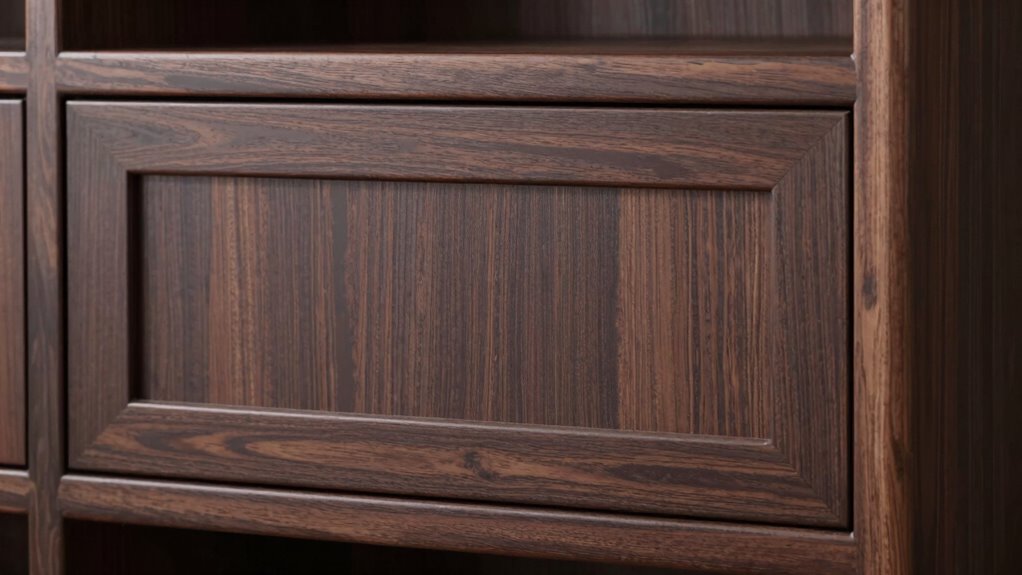
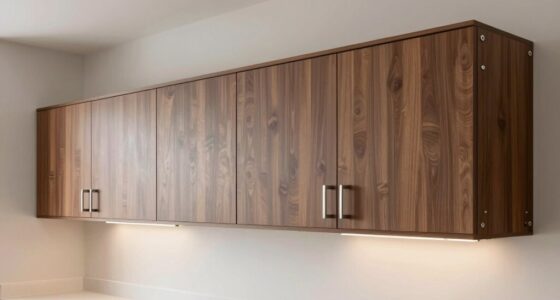
When you opt for inset doors, you’re choosing a style that’s flush with the cabinet frame. This design creates a clean, modern appearance that many homeowners covet. However, achieving this seamless look involves meticulous measurements. You’ll want to begin by evaluating your existing cabinet structure. If you’re starting from scratch, verify your frames are square and plumb. Any deviation can lead to doors that don’t align properly, compromising the sleek look you’re aiming for.
Installation tips are crucial when working with inset cabinet doors. First, use high-quality hinges that allow for precise adjustments. These hinges are key to guaranteeing your doors close correctly and maintain an even gap. Speaking of gaps, aim for a consistent 1/8-inch margin between the doors and the cabinet frame. This precision is essential for that polished, professional appearance. You might think a slight difference won’t matter, but even a tiny misalignment can be glaring.
Precision is key when installing inset cabinet doors; ensure a consistent 1/8-inch gap for a polished, professional finish.
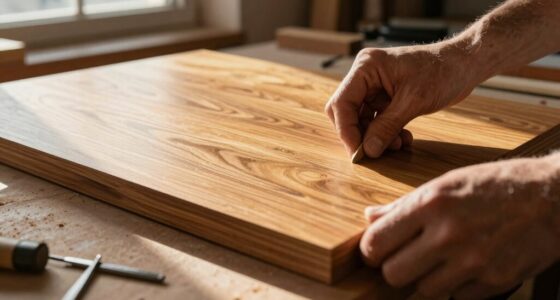
Next, consider the materials you’re using. Solid wood or high-quality plywood is ideal for creating durable, long-lasting cabinets. If you’re going with painted or stained finishes, confirm you sand and prepare the surfaces well. Proper finishing will enhance the beauty of your inset doors and protect them from wear over time. Accurate measurements are vital to ensure the doors fit perfectly within the frame. Understanding cabinet construction can help you identify potential issues before beginning the project. Additionally, being aware of precision in installation can make a significant difference in the final result. Paying attention to detailed measurement techniques can help you achieve a flawless finish.
It’s also helpful to familiarize yourself with standard cabinet dimensions to better plan your project and avoid surprises during installation. As you install, check your work frequently. Use a level to confirm everything’s straight and even. It’s easy to get caught up in the excitement of the project and overlook small details, but those details are what set apart a DIY job from a professional finish. If you’re uncertain, don’t hesitate to consult with a professional. Their expertise can save you time and prevent costly mistakes.
In the end, while inset cabinet doors elevate your space, they also demand precision and care. Embrace the challenge, and you’ll be rewarded with stunning cabinets that not only look amazing but also stand the test of time.
inset cabinet hinges with adjustment
As an affiliate, we earn on qualifying purchases.
As an affiliate, we earn on qualifying purchases.
Frequently Asked Questions
What Materials Are Best for Inset Cabinet Doors?
The best materials for inset cabinet doors are high-quality hardwoods like oak, maple, or cherry. These wood choices not only offer durability but also add elegance to your space. When selecting hinge options, consider concealed hinges for a clean look or traditional exposed hinges for a classic style. Both choices should complement your wood selection, ensuring a seamless and functional design that enhances your cabinets’ overall aesthetic.
How Do I Maintain Inset Cabinet Doors?
To maintain inset cabinet doors, start by regularly cleaning them with a soft cloth and a gentle cleaner. Avoid harsh chemicals that could damage the finish. If you notice any misalignment, you can adjust hinges for a perfect fit. Check the screws periodically to confirm they’re tight. Keeping the doors well-maintained not only enhances their appearance but also prolongs their lifespan, so make this a part of your routine!
Can I Retrofit Inset Doors on Existing Cabinets?
Can you imagine giving your old cabinets a fresh look? You can definitely retrofit inset doors on existing cabinets, but be prepared for some installation challenges. First, verify your cabinets’ frames are compatible with inset designs and measure carefully. You’ll find retrofit options like pre-made doors or custom solutions, but precision is key. With the right tools and patience, you can achieve that sleek, modern aesthetic you desire. So, roll up your sleeves and get started!
What Styles Complement Inset Cabinet Doors?
Inset cabinet doors shine with a variety of styles. You’ll find they complement modern aesthetics beautifully, creating sleek lines and a streamlined look. If you prefer traditional designs, they add a classic touch that feels timeless. For those embracing minimalist approaches, the clean, unobtrusive nature enhances simplicity. Don’t forget vintage charm; inset doors can evoke nostalgia while fitting perfectly in retro spaces. Choose the style that resonates most with your vision!
Are Inset Cabinet Doors More Expensive Than Overlay Doors?
Absolutely, inset cabinet doors can be pricier than overlay doors! You’re looking at a cost comparison that often reveals a significant difference due to the meticulous craftsmanship involved. With inset doors, the design considerations are essential; they require precise measurements and specialized hardware, which can drive up the price. While they offer a sleek, modern aesthetic, be prepared to invest more for that stunning look and impeccable fit!
As an affiliate, we earn on qualifying purchases.
Conclusion
In the world of inset cabinet doors, precision is your guiding compass. Just like a skilled sailor navigates through treacherous waters, you need to measure twice and cut once. One small misstep can turn a beautiful ship into a sinking vessel. So, embrace the meticulous nature of this craft; every detail matters. With steady hands and keen eyes, you’ll transform your kitchen into a harmonious haven, where every door opens to a world of possibilities.
cabinet measuring and leveling tools
As an affiliate, we earn on qualifying purchases.
As an affiliate, we earn on qualifying purchases.
As an affiliate, we earn on qualifying purchases.
Fall Picks
fall essentials
As an affiliate, we earn on qualifying purchases.