
Cabinet stretchers help provide stability and support in larger cabinetry, connecting legs or sides to enhance sturdiness. They’re essential for heavier loads, preventing warping and sagging over time. However, in smaller projects or when using high-quality materials, stretchers might be unnecessary. Skipping them can lead to a cleaner, more open design and save you time during assembly. If you’re unsure when to use stretchers, there’s more to take into account for your specific project.

Get business pricing on tools and workshop supplies
- Business-only prices and quantity discounts
- Tax-exempt purchasing
- Multiple users, one account, clear invoices
Key Takeaways
- Stretchers enhance stability and support in larger cabinets, preventing warping and sagging under heavy loads.
- Choosing high-quality materials may eliminate the need for stretchers in smaller projects, maintaining a cleaner aesthetic.
- Stretchers are crucial for long-lasting cabinetry, particularly in functional designs requiring durability.
- Assess the cabinet’s purpose and usage to determine if stretchers contribute positively or unnecessarily complicate the design.
- Leaving out stretchers can create an open, airy look, saving time during assembly while still ensuring structural integrity.
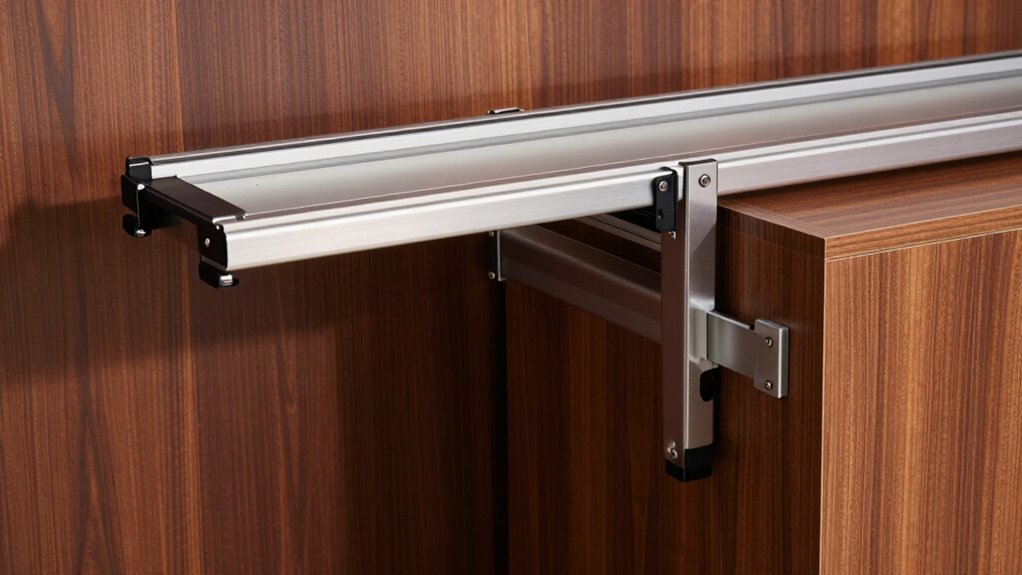
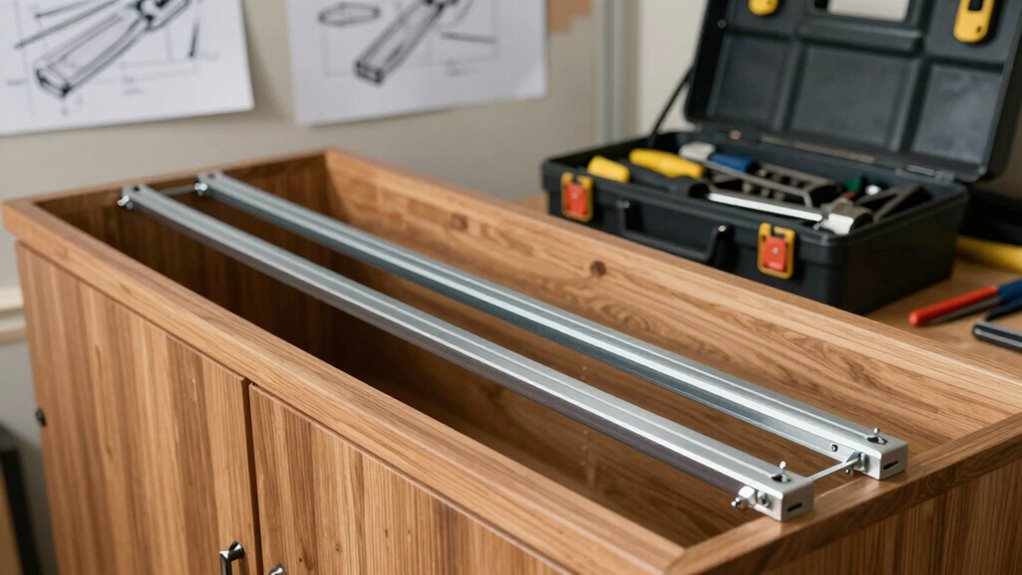
When it comes to cabinet construction, stretchers play an essential role in providing stability and support. These horizontal members connect the cabinet’s legs or sides, ensuring that the structure remains sturdy, especially in larger builds. You might think of them as the backbone of your cabinet, holding everything together while also allowing for some design flexibility. By using stretchers, you can create a more robust framework that can withstand the test of time, which is vital if you want your cabinetry to last. Additionally, the structural integrity of your cabinet can be significantly improved with the proper use of stretchers, especially in larger or load-bearing projects. Proper placement and material choice for stretchers can further enhance the overall durability of the cabinet. Selecting the right material for stretchers can also influence both the strength and aesthetic of your cabinetry.
However, it’s important to understand when stretchers help and when they might be an unnecessary addition. In many cases, especially with smaller cabinets or those made from high-quality materials, you might find that stretchers aren’t needed. If you’re constructing a simple cabinet for a small space, the design flexibility offered by leaving them out might be more beneficial. You’ll have a cleaner look and save time during the assembly process. Plus, without stretchers, you can often achieve a more open and airy design that fits seamlessly into various spaces.
Understanding when to use stretchers can enhance design flexibility, especially for smaller cabinets where a cleaner, more open look is desired.
On the other hand, if you’re tackling a larger project or a cabinet that’s going to bear heavy loads, stretchers become invaluable. They not only enhance stability but also prevent warping and sagging over time. You wouldn’t want to risk your investment in a beautifully crafted cabinet by skipping this vital element. In such scenarios, stretchers add both functional support and aesthetic appeal, allowing you to maintain a clean design without sacrificing strength. Selecting the right type of stretcher can also influence the overall cabinet design, balancing form and function effectively.
When deciding whether to include stretchers, consider the overall structure and purpose of your cabinet. Ask yourself if it’ll be subjected to heavy use or if it’s meant to be purely decorative. Your choice can meaningfully impact not just the durability of the cabinet but also its visual appeal. Design flexibility often means knowing when to adapt your plans for the best outcome.
Ultimately, stretchers can either enhance or complicate your cabinet construction process. By weighing their benefits against your specific needs, you’ll be better equipped to make an informed decision. Whether you opt for them or not, understanding their role helps you create a cabinet that’s both functional and stylish, giving you the best of both worlds.
cabinet stretcher support brackets
As an affiliate, we earn on qualifying purchases.
As an affiliate, we earn on qualifying purchases.
Frequently Asked Questions
Can I Use Cabinet Stretchers on Any Cabinet Type?
You can use cabinet stretchers on various cabinet types, but their effectiveness varies. For framed cabinets, they often provide solid installation benefits, enhancing stability and alignment. However, with frameless designs, they might not be as beneficial. Before deciding, consider your cabinet’s construction and the specific issues you’re facing. Ultimately, stretchers can help, but verify they suit your cabinet type to maximize their effectiveness.
How Much Do Cabinet Stretchers Typically Cost?
Cabinet stretchers typically cost between $20 to $50 each. If you’re comparing costs, remember to factor in any additional hardware or installation fees. It’s essential to evaluate your budget, as opting for cheaper options might lead to more issues down the line. You want your cabinets to last, so investing wisely can save you money in the long run. Don’t rush; weigh your options carefully for the best results.
Are There DIY Alternatives to Cabinet Stretchers?
Yes, there are DIY alternatives to cabinet stretchers. You can use various DIY techniques to create alternative supports, like wooden dowels or plywood braces, to add stability to your cabinets. If you’re handy, consider reinforcing joints with screws or corner brackets. These methods can effectively keep your cabinets aligned without the need for professional stretchers, saving you time and money while achieving a sturdy, well-supported structure. Just make sure your materials are strong enough!
What Materials Are Cabinet Stretchers Made From?
Cabinet stretchers are typically made from various material types like hardwood, plywood, or MDF, depending on the project’s requirements. You’ll find that the choice of material affects both durability and appearance. Regarding construction methods, some stretchers are simply glued and screwed, while others might use mortise and tenon joints for added strength. Choosing the right materials and methods can guarantee your cabinet stretchers perform well for years to come.
How Long Does Installation of Cabinet Stretchers Take?
Installing cabinet stretchers usually takes about one to three hours. But wait—what factors affect that time? First, consider the complexity of your cabinet layout. Are you dealing with tight spaces or intricate designs? Next, think about your skill level; if you’re a pro, you’ll zip through it faster than a novice. Finally, don’t forget to factor in drying time for adhesives. So, are you ready to tackle the installation process?
As an affiliate, we earn on qualifying purchases.
Conclusion
In the world of cabinetry, knowing when to use stretchers can save you time and effort. As the saying goes, “A stitch in time saves nine.” If your cabinets need extra support or stability, stretchers are a worthwhile investment. However, if they’re unnecessary, they can complicate your project. By weighing the pros and cons, you guarantee your cabinetry not only looks great but stands the test of time. Choose wisely, and your efforts will pay off!
As an affiliate, we earn on qualifying purchases.
adjustable cabinet support beams
As an affiliate, we earn on qualifying purchases.
As an affiliate, we earn on qualifying purchases.
Fall yard work Picks
leaf blowers
As an affiliate, we earn on qualifying purchases.