When sizing your drawer box, it’s essential to maintain about 1/8 inch of clearance on each side. This small gap prevents annoying rubbing against cabinet surfaces, ensuring smooth opening and closing. Without proper clearance, drawers can stick, leading to frustration and wear over time. It’s also important to evaluate the materials you use, as they expand and contract with temperature changes. Curious about how to choose the right materials and dimensions? There’s more to uncover!
Listen free for 30 days with Audible
Thousands of audiobooks and originals — cancel anytime.
As an affiliate, we earn on qualifying purchases.
Key Takeaways
- Maintain a clearance of about 1/8 inch on each side of the drawer for smooth operation and to prevent rubbing against the cabinet.
- Proper sizing enhances both the functionality and aesthetics of the drawers, ensuring they operate without frustration.
- Consider material behavior; solid wood may swell in humidity, requiring additional clearance for proper fit.
- Reinforce drawer structures for heavier items to prevent sagging while still adhering to recommended clearance dimensions.
- Accurate measurements during installation are crucial to achieve the appropriate clearance and prevent annoying drawer rubs.
When it comes to drawer box sizing, getting the dimensions right is vital for both functionality and aesthetics. You might not realize it, but the clearance around your drawers can make a big difference in how smoothly they operate. If you’ve ever struggled with a drawer that sticks or rubs against the frame, you know how frustrating that can be. To avoid these annoyances, it’s essential to take into account the clearance rule when determining your drawer dimensions.
First, let’s talk about what clearance actually means. Clearance refers to the space between the drawer and the surrounding cabinet or furniture. Ideally, you want a little room to allow for easy opening and closing. A common guideline is to leave about a 1/8-inch gap on each side of the drawer. This way, you’ll prevent any rubbing against the box materials of the cabinet, which can lead to wear and tear over time. If your drawer box is too snug, not only will you face operational issues, but you might also compromise the aesthetics of your furniture. Additionally, considering material expansion can help you account for changes in drawer size over time due to environmental factors. Being mindful of material properties ensures that your drawers function well in different conditions. Incorporating proper measurement techniques can further enhance your accuracy during installation. Proper planning of these factors can also extend the lifespan of your cabinetry.
Clearance is essential for smooth drawer operation; aim for a 1/8-inch gap to prevent rubbing and maintain aesthetics.
Next, take into account the materials you’re using for your drawer boxes. Different box materials can expand or contract based on humidity and temperature. For instance, solid wood can swell in high humidity, while MDF may expand or contract less dramatically. When you choose your box materials, make certain they fit well within the chosen drawer dimensions while allowing that vital clearance. This foresight saves you from future headaches and guarantees a long-lasting, functional piece. Moreover, understanding material behavior helps you select the best materials for your climate and usage. You’ll also want to reflect on the weight of items your drawers will hold. If you plan to store heavier objects, you might need a slightly larger drawer dimension to accommodate the extra weight and prevent sagging. In this case, think about reinforcing the drawer with sturdier materials to maintain structural integrity. Balancing weight and size with appropriate clearance will make sure that your drawers not only look good but also perform well. Always measure twice before cutting, as accurate measurements can save you time and resources. Whether you’re installing new cabinets or replacing existing drawers, take into account all these factors to enhance both functionality and aesthetics. Following these guidelines will help you create a seamless and enjoyable experience every time you open your drawers.
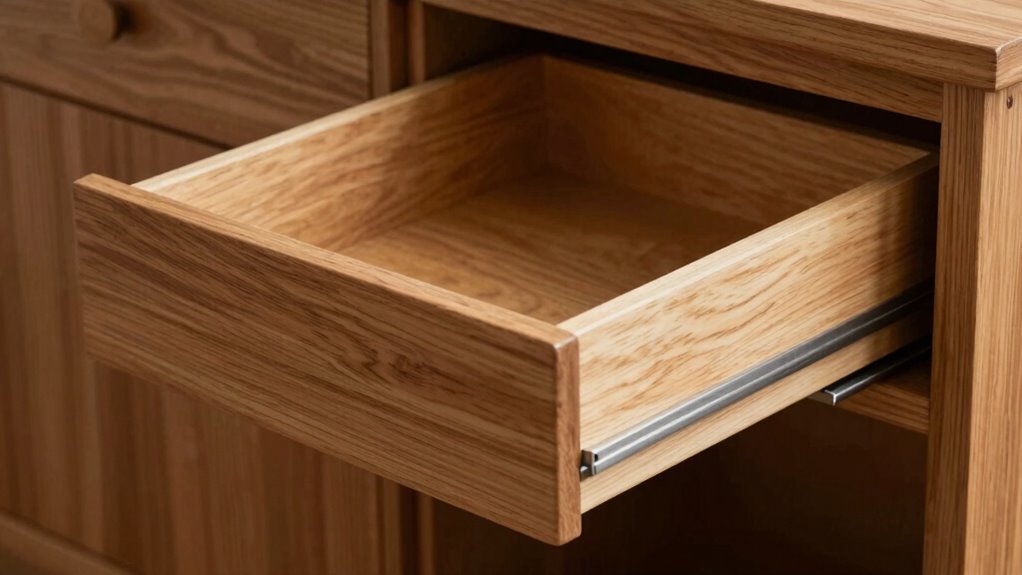
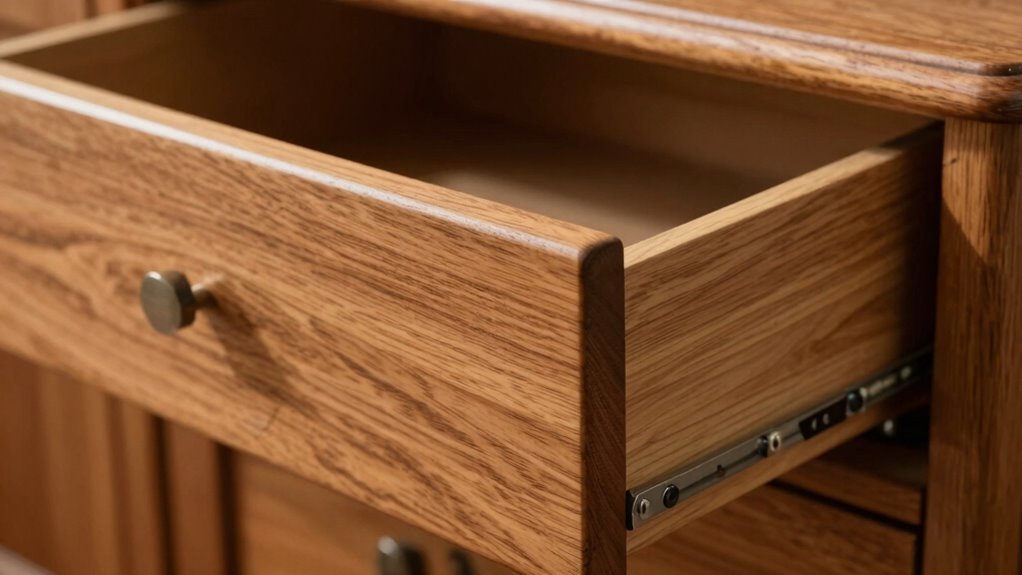
drawer box with 1/8 inch clearance
As an affiliate, we earn on qualifying purchases.
As an affiliate, we earn on qualifying purchases.
Frequently Asked Questions
What Materials Are Best for Drawer Box Construction?
For drawer box construction, you’ll want to choose durable wood species like birch, maple, or plywood for strength and stability. These materials guarantee your drawers hold up over time. When it comes to joint techniques, consider using dovetail or box joints for added durability and an appealing finish. These methods provide solid connections, preventing your drawers from falling apart while also enhancing their overall look. You’ll appreciate the quality and longevity!
How Do I Choose Drawer Slides for My Boxes?
When you choose drawer slides, think about your needs. First, consider slide types—side-mounted or undermounted—based on your drawer’s design. Check the weight capacity to guarantee they can handle your items. Look into installation techniques; some slides are easier to install than others. Finally, explore adjustment options for a perfect fit. It’s all about finding the right balance between functionality and ease, so your drawers glide smoothly without any hassle.
What Tools Do I Need for Drawer Box Assembly?
For drawer box assembly, you’ll need a few crucial tools. Start with a measuring tape to check drawer dimensions accurately. A saw helps cut the wood to size, while a drill is essential for making holes and securing screws. You’ll also want clamps to hold pieces together during assembly. Finally, a square guarantees everything’s aligned properly. With these tools and some basic assembly techniques, you’ll create sturdy, functional drawer boxes.
Can I Retrofit Existing Drawers for Better Clearance?
Retrofitting existing drawers for better clearance is like giving your furniture a new lease on life. You can definitely make drawer modifications by adjusting the slides or reshaping the box itself. Start by measuring the space and identifying where it rubs. Then, make clearance adjustments as needed. Whether it’s adding spacers or trimming edges, small changes can drastically improve functionality. With a bit of effort, your drawers can glide smoothly again!
How Do I Maintain Drawer Boxes for Longevity?
To maintain your drawer boxes for longevity, follow some simple drawer maintenance tips. Regularly clean the insides with a damp cloth to remove dust and debris. Check the hardware and tighten any loose screws to prevent misalignment. Consider applying a silicone lubricant to the slides for smooth operation. Avoid overloading your drawers, as this can lead to wear and tear. With these longevity techniques, your drawers will stay functional and looking great for years.
adjustable drawer slides for smooth operation
As an affiliate, we earn on qualifying purchases.
As an affiliate, we earn on qualifying purchases.
Conclusion
To sum up, getting the drawer box sizing right is essential to avoid those frustrating rubs that can ruin your experience. By following the clearance rule, you can guarantee smooth operation and enhance your furniture’s functionality. So, why settle for a drawer that sticks when you can have one that glides effortlessly? With the right measurements, you’ll enjoy a hassle-free experience every time you open your drawers. Happy organizing!
As an affiliate, we earn on qualifying purchases.
As an affiliate, we earn on qualifying purchases.
Evergreen bestsellers Picks
bestsellers
As an affiliate, we earn on qualifying purchases.