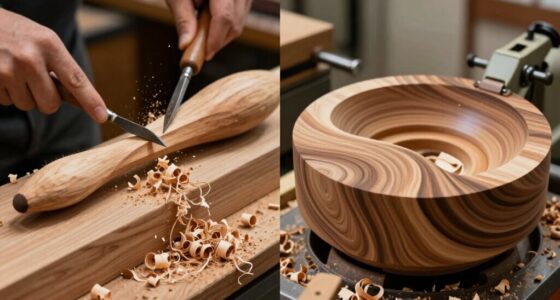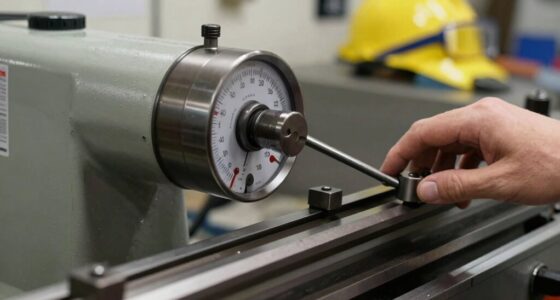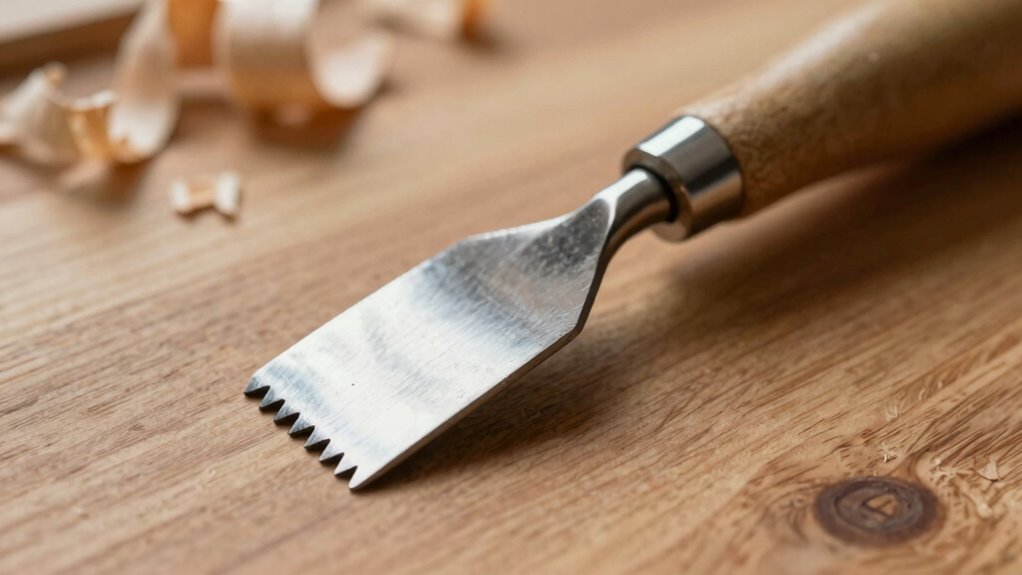

Negative rake scrapers are your go-to tools for a smoother, less aggressive cutting experience. With their unique geometry, these scrapers let you handle delicate finishes with precision while minimizing the risk of damaging your workpiece. They encourage you to experiment with various techniques without the fear of making errors, enhancing your overall craftsmanship. Plus, mastering the right angles can elevate your results even further. Discover more about how to maximize your projects with these valuable tools.

Get business pricing on tools and workshop supplies
- Business-only prices and quantity discounts
- Tax-exempt purchasing
- Multiple users, one account, clear invoices
Key Takeaways
- Negative rake scrapers feature a cutting edge angle that provides enhanced control, making them feel less aggressive during use.
- Their design allows for lighter cuts, minimizing the risk of damaging workpieces and improving finish quality.
- These scrapers are ideal for precision finishing in both woodworking and metalworking, blending control and efficiency.
- Mastering negative rake geometry can elevate craftsmanship skills and encourage experimentation with various techniques.
- Regular maintenance of negative rake scrapers ensures optimal performance and longevity, directly impacting project outcomes.
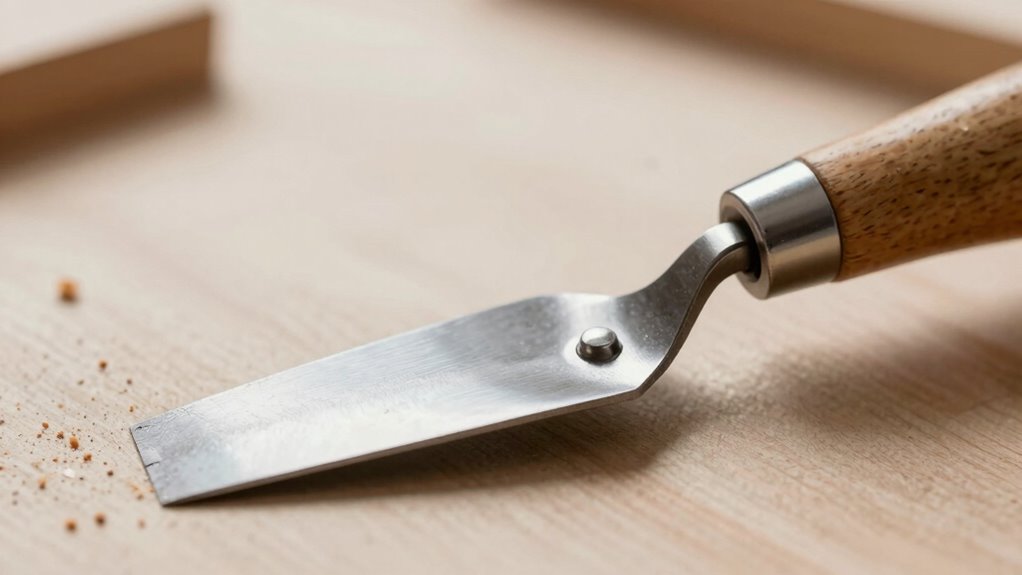
You might wonder about the different scraper materials available. The choice of material can greatly impact your results. High-speed steel (HSS) is a popular option due to its durability and ability to maintain a sharp edge longer than standard steel. If you’re working with harder materials, you might consider carbide scrapers. These tend to last even longer and provide excellent cutting performance. Each material has its pros and cons, so think about your specific projects when choosing. Additionally, understanding the scraper material can help you select the best tool for your needs. When it comes to the cutting edge of a negative rake scraper, its geometry plays an essential role in how effectively it works. The angle of the edge allows for better control, which means you can take lighter cuts without the fear of damaging your workpiece. This is particularly beneficial when you’re finishing the surface of a piece, as it helps you achieve that perfect fit and finish. You’ll find that using a negative rake scraper can enhance your overall craftsmanship, allowing you to focus on detail rather than worrying about potential mistakes. As you become more familiar with these tools, you’ll realize that mastering the negative rake scraper can elevate your skills. The gentle approach not only minimizes the risk of error but also encourages you to experiment more. Understanding tool geometry can further improve your technique and results. Knowing how different scraper materials respond to various working conditions can help you optimize your technique and tool longevity. For instance, selecting the right cutting angle can make a significant difference in achieving smoother finishes. Proper tool maintenance is also crucial to keep your scraper performing at its best over time. Whether you’re shaping a wooden bowl or refining a metal component, the right scraper can make all the difference. Incorporating a negative rake scraper into your toolkit can transform your woodworking or metalworking experience. It offers a unique blend of control and efficiency that’s hard to find in other tools. So, next time you’re working on a project, consider reaching for a negative rake scraper to see how it enhances your craftsmanship. You’ll likely discover that this tool is indispensable for achieving the quality you desire.
negative rake woodworking scraper
As an affiliate, we earn on qualifying purchases.
As an affiliate, we earn on qualifying purchases.
Frequently Asked Questions
What Materials Are Best Suited for Negative Rake Scrapers?
Negative rake scrapers work best with softer materials like aluminum, plastics, and certain woods. These material types allow for smoother cutting and enhance cutting efficiency, reducing the risk of tearing or chipping. For harder materials, consider using a different tool instead. By choosing the right materials, you’ll find the scraping process feels more controlled and less aggressive, making it easier to achieve a clean finish on your projects.
How Do Negative Rake Scrapers Compare to Conventional Scrapers?
Think of negative rake scrapers as gentle breezes compared to the harsh winds of conventional scrapers. You’ll find that negative rake benefits include smoother cuts and reduced tear-out, making your work feel more refined. While conventional scrapers can be aggressive, using scraper techniques with negative rakes allows for better control and finesse. You’ll appreciate how these tools enhance your turning experience, providing a more enjoyable and effective approach to shaping your projects.
Can Negative Rake Scrapers Be Used for Finishing Cuts?
Yes, you can definitely use negative rake scrapers for finishing cuts. They excel in achieving high surface quality, thanks to their design, which minimizes tear-out and leaves a smoother finish. When you apply proper finishing techniques with these tools, you’ll notice a significant improvement in the final appearance of your workpiece. Just be sure to adjust your angle and pressure to get the best results for your specific project.
What Are the Common Mistakes When Using Negative Rake Scrapers?
When using negative rake scrapers, you might find yourself barking up the wrong tree if you overlook tool selection and cutting angles. Common mistakes include using the wrong tool for the material, which can lead to poor finishes. Additionally, incorrect cutting angles can cause excessive chatter or tear-out. Always verify you’re using the right scraper and adjusting angles to suit your project for the best results. Practice makes perfect!
How Should I Sharpen a Negative Rake Scraper?
To sharpen a negative rake scraper, use a honing guide for consistent angles. Start with a coarse diamond stone to shape the edge, then switch to finer stones for a polished finish. Regularly check the bevel to maintain the correct angle. For effective tool maintenance, clean the blade after each use and store it properly to prevent damage. Following these sharpening techniques will keep your scraper performing at its best.
high-speed steel scraper for woodworking
As an affiliate, we earn on qualifying purchases.
As an affiliate, we earn on qualifying purchases.
Conclusion
To summarize, negative rake scrapers offer a gentle touch for your turning projects, making them feel less intimidating. They’re like a soft whisper in the workshop, allowing you to achieve smooth finishes without the aggressive bite of traditional tools. By embracing this refined approach, you’ll discover a world of precision and control, turning your creative endeavors into a seamless experience. So, why not give these subtle yet effective tools a try? You might just find your new favorite!
carbide scraper for metalworking
As an affiliate, we earn on qualifying purchases.
As an affiliate, we earn on qualifying purchases.
As an affiliate, we earn on qualifying purchases.
Fall Picks
fall essentials
As an affiliate, we earn on qualifying purchases.