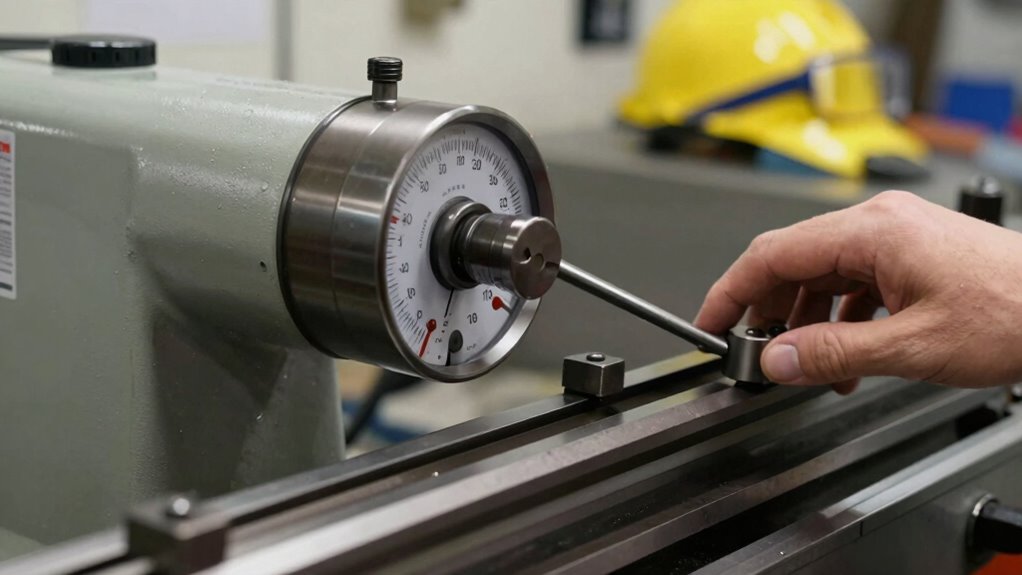

When you’re working with a lathe, knowing the speed rules is essential for safety and quality. You can calculate spindle speed using the formula: RPM = (Cutting Speed × 12) / (π × Diameter). Larger diameters need lower RPM, while smaller ones allow for higher speeds. Pay attention to your tool’s condition and material compatibility, as they both impact performance. If you’re curious about optimizing your lathe operations further, there’s more to explore about speeds and setups.

Get business pricing on tools and workshop supplies
- Business-only prices and quantity discounts
- Tax-exempt purchasing
- Multiple users, one account, clear invoices
Key Takeaways
- Cutting speed significantly affects workpiece quality; improper speeds can lead to poor finishes or material damage.
- Use the formula RPM = (Cutting Speed × 12) / (π × Diameter) for accurate spindle speed calculations.
- Larger diameter workpieces require lower RPM to maintain effective cutting speeds and prevent tool wear.
- Regularly check tool condition; dull tools can compromise cutting efficiency and increase risks.
- Always refer to manufacturer guidelines and reference tables for recommended cutting speeds based on material type.
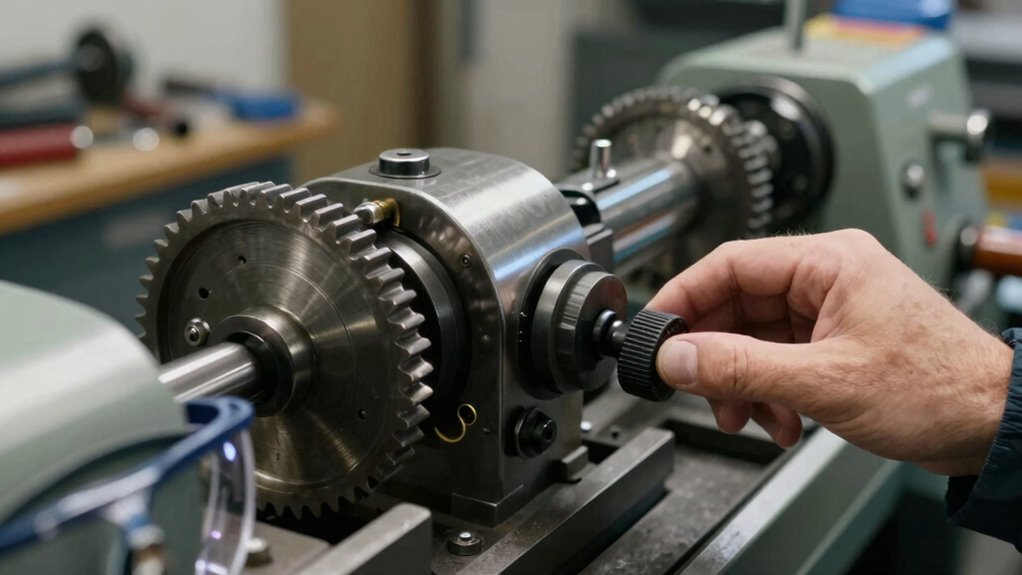
When working with a lathe, understanding the right speed is vital for achieving ideal results. You might not realize it, but the cutting speed has a direct impact on the quality of your workpiece. If you choose a speed that’s too high or too low, you could end up with poor finishes or even damage to your material. The key lies in knowing how to calculate the appropriate speed based on the diameter of your workpiece and the type of material you’re using.
To get started, you need to familiarize yourself with the concept of cutting speed, which is usually measured in feet per minute (FPM) or meters per minute (MPM). The cutting speed can vary greatly depending on the material compatibility. For example, softer materials like aluminum can handle higher cutting speeds, while harder materials like steel require slower speeds to prevent tool wear and overheating. You’ll want to reference manufacturer guidelines or tables that provide recommended cutting speeds for different materials.
Understanding cutting speed is essential; softer materials like aluminum can handle higher speeds, while harder materials like steel require slower ones.
Next, let’s explore the diameter formula. The formula to calculate the spindle speed (RPM) is fairly straightforward: RPM = (Cutting Speed × 12) / (π × Diameter). Here, you multiply the cutting speed by 12 to convert it into inches, then divide by the circumference of the workpiece, calculated using π times the diameter. This formula helps guarantee that you’re operating within safe and effective parameters.
By using this formula, you can tailor the lathe speed to your specific project. If you’re turning a larger diameter workpiece, you’ll often find that you need to lower the RPM to maintain the right cutting speed. In contrast, smaller diameters allow for higher speeds. It’s important to always keep an eye on the material compatibility, as using the wrong speed can lead to issues like chatter, poor surface finish, or even catastrophic tool failure.
You should also remember that the condition of your cutting tools affects how well they perform at various speeds. Dull tools won’t cut efficiently, so keep them sharpened and in good shape. Regularly check your setup to verify that everything is aligned correctly and that your lathe is running smoothly.
As an affiliate, we earn on qualifying purchases.
Frequently Asked Questions
What Materials Are Best Suited for Lathe Work?
For lathe work, aluminum alloys and hardwood types are your best bets. Aluminum alloys offer excellent machinability and a smooth finish, making them ideal for precision parts. On the other hand, hardwoods like maple and walnut provide durability and beauty for projects like furniture or decorative items. Both materials allow for clean cuts and intricate designs, so you can create stunning pieces with ease. Choose wisely, and your projects will shine!
How Do I Maintain My Lathe for Safety?
If you think ignoring lathe maintenance will turn you into a woodworking wizard, think again! Start with regular cleaning—dust and debris aren’t your friends. Check the belts and bearings; if they’re worn, replace ’em. Lubricate moving parts to keep things smooth. Always follow safe operating practices: wear proper gear and keep your workspace tidy. With these lathe maintenance tips, you’ll not only stay safe but also make your projects shine!
What Personal Protective Equipment Should I Wear?
You should wear safety goggles and hearing protection when working with a lathe. Safety goggles shield your eyes from flying debris, while hearing protection prevents long-term damage from the machine’s noise. Make certain your clothing fits snugly, avoiding loose items that could get caught. Steel-toed boots can protect your feet from heavy materials. Don’t forget gloves when handling sharp tools, but verify they’re suitable for your specific tasks to maintain grip and safety.
Can I Use a Lathe Without Prior Experience?
You can use a lathe without prior experience, but it’s essential to proceed with caution. Start by familiarizing yourself with lathe operation and safety protocols. Beginner tips include watching tutorials, practicing on scrap material, and asking for guidance from experienced users. Always wear appropriate personal protective equipment, like safety glasses and gloves. Remember, taking your time and understanding the machine is key to becoming more confident and skilled.
What Common Mistakes Should I Avoid When Using a Lathe?
When you plunge into lathe operation, it’s like stepping onto a tightrope—one misstep can lead to trouble. Avoid common mistakes like ignoring safety protocols, rushing your work, or failing to secure your materials properly. Always check your tool sharpness and speed settings before starting. Keep your hands clear of moving parts, and stay focused. Remember, patience and precision are your best allies in creating beautiful pieces without accidents.
As an affiliate, we earn on qualifying purchases.
Conclusion
In the world of lathes, knowing your speed rules is like mastering a dance; each twirl and spin needs precision. By using the diameter formula, you’re not just following guidelines—you’re weaving safety into every project. Picture your workpiece gliding smoothly, free from the chaos of mishaps. So, embrace these rules and let them guide your hands, ensuring that every cut sings with both creativity and caution. Your craft deserves nothing less than safety’s embrace.
As an affiliate, we earn on qualifying purchases.
material-specific lathe cutting speeds
As an affiliate, we earn on qualifying purchases.
As an affiliate, we earn on qualifying purchases.
Fall yard work Picks
leaf blowers
As an affiliate, we earn on qualifying purchases.