
HEPA dust extractors are essential because fine dust particles can harm your health, damage equipment, and lead to regulatory issues. They contain dust at the source, reducing airborne hazards and lowering cleanup efforts. Proper use keeps your workspace safe, compliant, and environmentally friendly. Investing in effective filtration extends the lifespan of tools and improves air quality, boosting productivity. To discover how these systems truly change the conversation around dust, explore the details ahead.

Get business pricing on tools and workshop supplies
- Business-only prices and quantity discounts
- Tax-exempt purchasing
- Multiple users, one account, clear invoices
Key Takeaways
- Fine dust particles pose significant health risks, making effective filtration critical for safety conversations.
- HEPA dust extractors actively capture microscopic particles, improving air quality and reducing inhalation hazards.
- The presence of fine dust influences regulatory compliance, emphasizing the need for advanced filtration solutions.
- Managing fine dust extends equipment lifespan and reduces maintenance costs, impacting operational efficiency.
- Addressing fine dust emphasizes environmental responsibility and enhances overall workspace productivity.
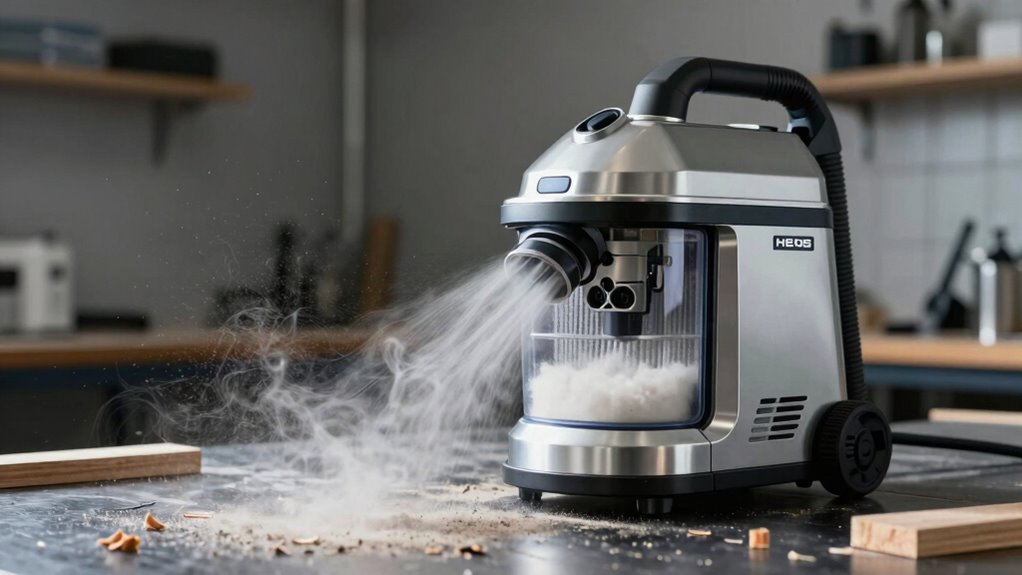
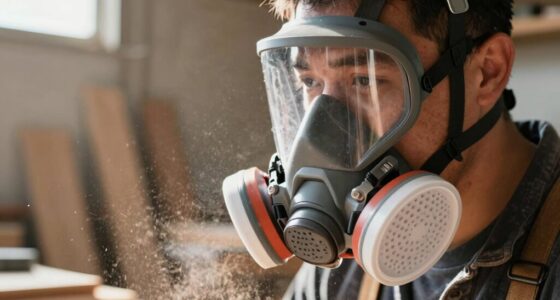
Understanding the importance of air filtration isn’t just about keeping your workspace tidy; it’s about protecting your health and complying with safety standards. Fine dust particles can cause respiratory issues, skin irritation, and long-term health problems if inhaled repeatedly or over extended periods. By investing in a HEPA dust extractor, you’re actively reducing these risks, creating a safer environment for yourself and your coworkers. This is especially vital in settings where dust can become airborne easily, like woodworking shops, construction sites, or laboratories. Good air filtration means fewer airborne contaminants and a healthier work environment. Proper air filtration is also essential for maintaining industry standards and ensuring your workspace remains compliant with safety regulations.
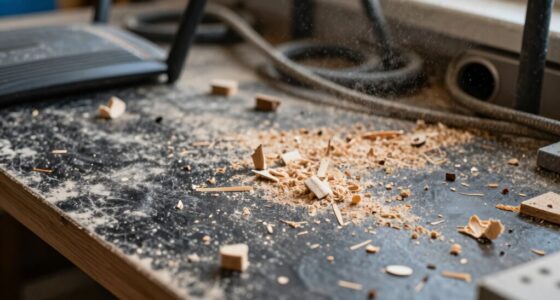
Occupational safety isn’t just a regulatory requirement—it’s a fundamental part of responsible work practices. Using HEPA dust extractors demonstrates your commitment to safety, showing that you prioritize health over shortcuts. These devices help contain dust at the source, preventing it from spreading throughout the workspace and settling on surfaces. This containment reduces cleanup time and minimizes the chances of dust becoming a respiratory hazard later. Additionally, many workplaces are governed by strict safety standards that mandate the use of proper dust collection systems, making HEPA extractors not just a good choice but a necessary one. Ensuring proper air filtration is also crucial for protecting workers from long-term health effects caused by airborne dust. Implementing effective dust control strategies can significantly improve overall air quality and worker safety. Investing in quality filtration systems can also enhance equipment longevity, reducing maintenance costs over time. Moreover, adopting sustainable practices such as efficient dust extraction supports broader environmental and biodiversity conservation efforts.
In addition to protecting your lungs, HEPA dust extractors contribute to better overall air quality, which can improve productivity and focus. You won’t have to worry about dust settling on equipment or contaminating finished products. They also help extend the lifespan of tools and machinery by preventing dust accumulation that can cause wear or damage. Plus, operating these extractors correctly guarantees compliance with occupational safety regulations, giving you peace of mind knowing you’re adhering to best practices. Ultimately, investing in a HEPA dust extractor isn’t just about convenience—it’s about taking proactive steps to safeguard your health and uphold a safe, efficient work environment.
HEPA dust extractor for woodworking
As an affiliate, we earn on qualifying purchases.
As an affiliate, we earn on qualifying purchases.
Frequently Asked Questions
How Often Should HEPA Filters Be Replaced?
You should replace your HEPA filters when the filter lifespan is reached, typically every 6 to 12 months, depending on usage. Regularly inspect the filter for dirt buildup or reduced airflow, which signals it’s time for replacement. Follow the replacement tips provided by the manufacturer, such as turning off the unit before changing filters and wearing gloves. Proper maintenance guarantees peak performance and keeps your workspace safe from fine dust.
Are HEPA Dust Extractors Suitable for Residential Use?
Yes, HEPA dust extractors are suitable for residential use because they greatly improve air quality by capturing fine dust and allergens. They’re effective in reducing airborne particles, making your home healthier. Just keep in mind that filter lifespan varies; you’ll need to replace filters regularly to maintain peak performance. Investing in a quality HEPA extractor ensures you create a safer, cleaner living environment for you and your family.
What Maintenance Is Required for Optimal Performance?
To keep your HEPA dust extractor performing at its best, you’ll want to stick to simple maintenance routines. Regularly check and replace filters to guarantee ideal filter longevity, preventing dust buildup. Clean the exterior and empty the collection bin often. By staying consistent with these tasks, you preserve the extractor’s efficiency, so it continues to provide a healthier environment while making maintenance feel effortless and unobtrusive.
Can They Filter Airborne Bacteria and Viruses?
Yes, HEPA dust extractors can filter airborne bacteria and viruses. They use advanced filtration technology designed to target tiny particles, including airborne pathogens, with high efficiency. When you operate a HEPA unit properly, it captures these microorganisms, reducing your exposure. This makes them essential in environments where controlling airborne bacteria and viruses matters, like medical facilities or labs. Regular maintenance ensures the filtration system functions at its best, keeping your space safer.
How Do HEPA Extractors Compare to Other Filtration Systems?
You’ll find HEPA extractors excel compared to other filtration systems because they offer superior airflow efficiency and longer filter lifespan. Some worry about maintenance, but HEPA filters are designed to last longer while capturing tiny particles like fine dust, bacteria, and viruses. This means you get cleaner air more consistently, with less frequent replacements. Overall, HEPA extractors provide a more reliable, efficient solution for maintaining a healthier environment.
industrial HEPA dust collection system
As an affiliate, we earn on qualifying purchases.
As an affiliate, we earn on qualifying purchases.
Conclusion
With HEPA dust extractors, you’re prioritizing safety and health by capturing even the tiniest particles. Did you know that airborne dust particles can be up to 100 times smaller than a human hair? This statistic highlights how easily fine dust can bypass traditional filters, making HEPA technology essential. Investing in these extractors isn’t just about cleanliness; it’s about protecting your lungs and those around you. Embrace better filtration — because every breath counts.
As an affiliate, we earn on qualifying purchases.
HEPA air filtration system for workshops
As an affiliate, we earn on qualifying purchases.
As an affiliate, we earn on qualifying purchases.
Fall yard work Picks
leaf blowers
As an affiliate, we earn on qualifying purchases.