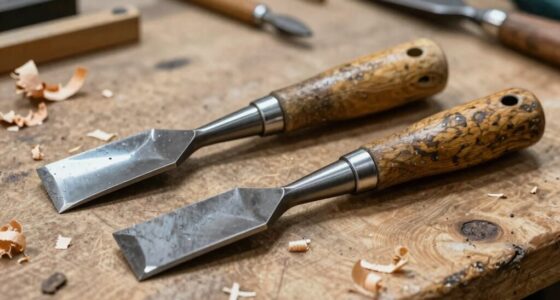

When you turn exotic woods, you’re exposed to harmful dust that can seriously affect your health. Inhalation of fine particles from types like mahogany and cocobolo can lead to chronic respiratory issues and allergic reactions. Your workspace can quickly accumulate dust, increasing these risks over time. Effective dust collection and proper ventilation are vital for your safety. By understanding these hazards and taking proactive measures, you can protect yourself. There’s more important information to reflect on for safer woodworking practices.

Get tools and workshop supplies delivered free — and shop member deals
- Fast, free delivery on millions of items
- Access to Prime Big Deal Days deals on October 6–7
- Prime Video, Amazon Music and more included
Key Takeaways
- Exotic woods like mahogany and cocobolo produce harmful dust that can lead to serious respiratory issues when inhaled.
- Fine wood dust can accumulate over time, increasing health risks even with minimal exposure during turning processes.
- Effective dust collection systems are essential to minimize airborne dust and create a safer woodworking environment.
- Proper ventilation and air filtration are crucial for reducing airborne contaminants generated during turning and finishing exotic woods.
- Wearing high-quality respirators, goggles, and gloves is vital to protect against the harmful effects of wood dust during woodworking.
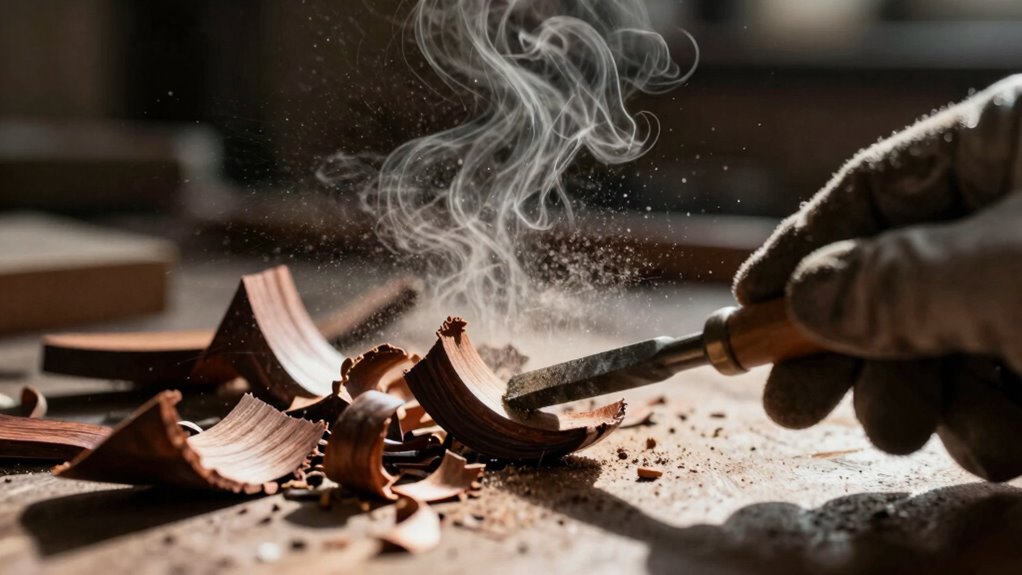
When you work with exotic woods, you might not realize the hidden hazards lurking in the dust they produce. Many woodworkers focus on the beauty and uniqueness of these materials, but they often overlook the potential risks to their respiratory health. Exotic species like mahogany, padauk, and cocobolo can release harmful particulates that, when inhaled, may lead to serious health issues over time. It’s essential to prioritize woodworking safety to guarantee a healthy environment in your woodworking workshops.
You may think that a little dust here and there isn’t a big deal, but even small amounts can accumulate and pose significant risks. The fine particles produced by your woodworking tools can linger in the air, leading to chronic respiratory problems or even allergic reactions. It’s important to implement effective dust collection systems to minimize exposure to these harmful particles. A good dust collection system can dramatically reduce the amount of dust that settles in your workspace, allowing you to breathe easier while you work. Proper air filtration plays a critical role in maintaining a safe indoor environment, especially when working with potentially toxic exotic woods. Additionally, understanding the composition of exotic wood dust can help you better recognize the specific hazards you face. Employing proper ventilation techniques further reduces airborne contaminants, creating a safer workspace environment. Recognizing the long-term health effects associated with dust inhalation can motivate better safety practices.
While you might be familiar with various finishing techniques, remember that sanding and finishing exotic woods can generate even more dust. This dust can contain toxic compounds that aren’t just irritating to your lungs but can also lead to long-term health complications. Incorporating proper ventilation in your woodworking workshops can help mitigate these risks, but it should never take the place of protective gear.
Speaking of protective gear, it’s a must when you’re working with exotic woods. Wearing a high-quality respirator, along with safety goggles and gloves, can help protect you from the harmful effects of dust. You might find that investing in a good mask makes a world of difference. This simple step can shield you from the fine particles that your dust collection system might miss.
In addition, understanding the hazardous nature of exotic wood dust can motivate you to take extra precautions and stay vigilant about your safety. In the end, the beauty of exotic woods shouldn’t come at the expense of your health. By being proactive about woodworking safety, you can enjoy crafting with these stunning materials without compromising your well-being. Stay vigilant, employ effective dust collection methods, and always wear your protective gear. When you take these precautions, you can focus on your projects with peace of mind, knowing you’re safeguarding your respiratory health while enjoying the art of woodworking.
As an affiliate, we earn on qualifying purchases.
Frequently Asked Questions
What Are the Most Common Exotic Woods Used in Woodworking?
When you’re exploring exotic woods for woodworking, some common choices include mahogany, teak, and ebony. These woods not only offer stunning aesthetics but also present sustainability concerns. As you immerse yourself in various woodworking techniques, consider the environmental impact of your materials. Opting for responsibly sourced options can help mitigate these issues, ensuring your projects are both beautiful and eco-friendly. Remember, your choices shape the future of woodworking and the planet.
How Can I Identify Exotic Wood Species?
Did you know that there are over 1,000 species of exotic woods used in woodworking? To identify them, use wood identification techniques like examining grain patterns, color, and weight. For instance, exotic wood characteristics often include unique textures and vibrant hues. You can also check for specific scents when freshly cut. By familiarizing yourself with these traits, you’ll enhance your woodworking projects and guarantee you’re using the right materials for your creations.
Are There Safe Alternatives to Exotic Woods?
Yes, there are safe alternatives to exotic woods! You can explore sustainable sourcing options like bamboo or birch, which offer durability and beauty. Eco-friendly options such as reclaimed materials not only reduce waste but also add unique character to your projects. By choosing these alternatives, you’re supporting responsible practices while enjoying high-quality results. So, next time you’re selecting wood, consider these options for a safer, more sustainable choice!
What Tools Generate the Most Dust When Working With Wood?
When it comes to woodworking, table saws generate the most dust, producing around 30% of the total dust in a workshop. To improve woodworking safety, you should invest in a good dust collection system. Bandsaws and routers also contribute greatly to dust, so using them with proper dust collection can help minimize risks. Always wear a mask and guarantee adequate ventilation to protect yourself from harmful particles in the air.
How Does Humidity Affect Wood Dust Creation?
Humidity levels greatly impact wood dust creation. When wood moisture is high, it can lead to larger dust particles, making them heavier and less airborne. This means they settle quickly, reducing dust in the air but potentially increasing accumulation on surfaces. On the flip side, low humidity creates smaller, lighter dust particles that can circulate more easily. Effective air circulation and drying techniques can help manage dust levels, ensuring a cleaner workspace.
woodworking dust collection system
As an affiliate, we earn on qualifying purchases.
As an affiliate, we earn on qualifying purchases.
Conclusion
When working with exotic woods, you might not realize that up to 20% of woodworkers suffer from respiratory issues linked to wood dust exposure. This isn’t just a statistic; it’s a wake-up call. Ignoring the risks can lead to serious health problems that could affect your life for years. So, protect yourself—always wear a mask and guarantee proper ventilation. Your passion for woodworking shouldn’t come at the cost of your health. Stay safe and keep creating!
air filtration for woodworking shop
As an affiliate, we earn on qualifying purchases.
As an affiliate, we earn on qualifying purchases.
As an affiliate, we earn on qualifying purchases.
Halloween Picks
halloween
As an affiliate, we earn on qualifying purchases.