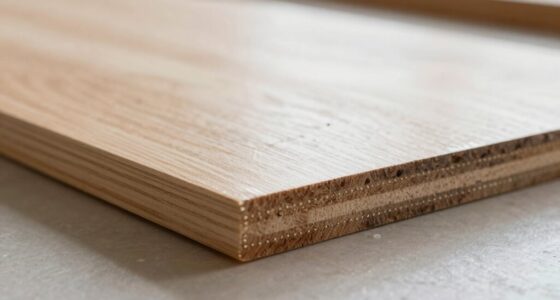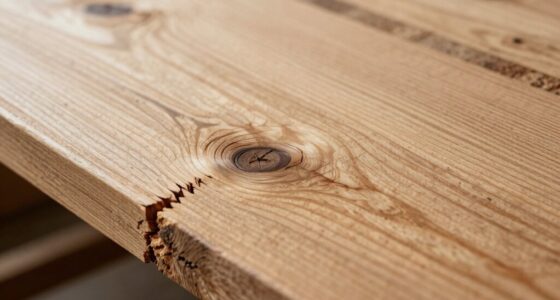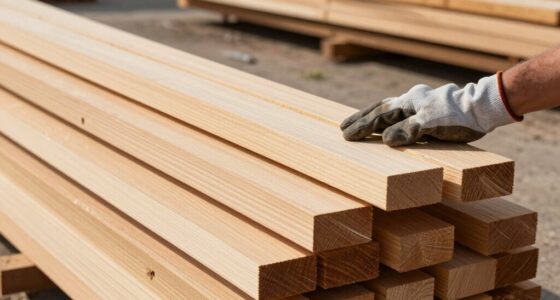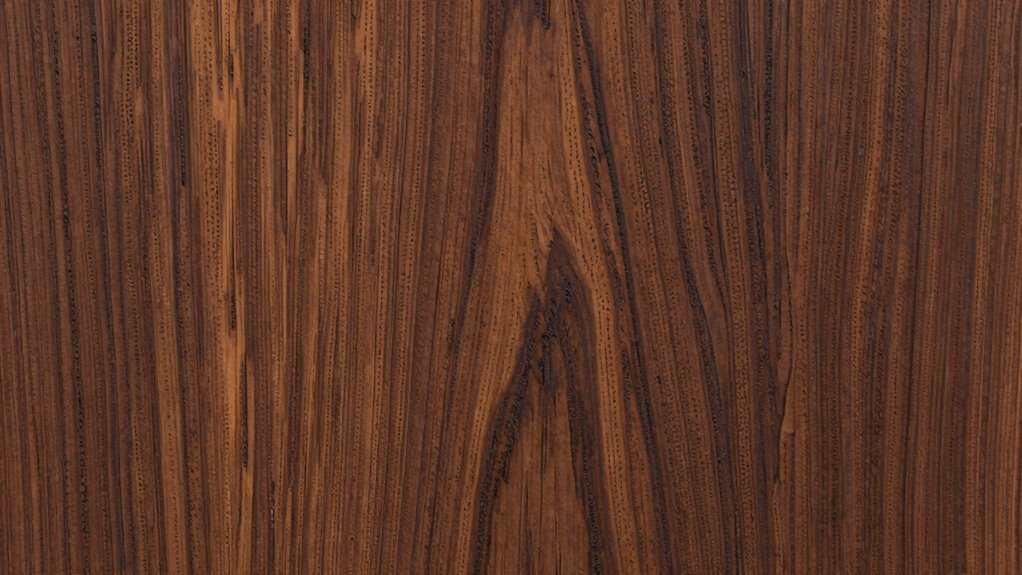
End grain shows the tiny cellular structures of wood, revealing its hidden strengths and weaknesses. It absorbs moisture quickly, making it prone to swelling, cracking, or splitting if not properly sealed or handled. Recognizing end grain helps you plan cuts, joints, and finishes for better stability and durability. If you want to understand how to work with wood’s natural tendencies and avoid common pitfalls, keep exploring these essential tips.

Get business pricing on tools and workshop supplies
- Business-only prices and quantity discounts
- Tax-exempt purchasing
- Multiple users, one account, clear invoices
Key Takeaways
- End grain reveals the wood’s cellular structure, impacting moisture absorption, strength, and susceptibility to cracking.
- It is more prone to swelling, shrinking, and moisture damage due to faster moisture intake.
- Proper sealing and grain orientation management enhance durability and prevent warping or splitting.
- End grain provides strong adhesive bonds but can weaken if not properly prepared or sealed.
- Recognizing and respecting end grain behavior is essential for achieving stable, long-lasting woodworking projects.
As an affiliate, we earn on qualifying purchases.
Why End Grain Is Critical for Your Woodworking Projects

Have you ever wondered why end grain matters so much in woodworking? It all comes down to grain orientation, which influences how your wood reacts over time. End grain exposes the wood’s cellular structure directly, making it more susceptible to moisture absorption. This increases wood expansion and contraction, especially with changes in humidity. Understanding this helps you make better decisions about how to cut and assemble your pieces. When you work with end grain, you need to account for these natural movements to prevent warping or cracking. Properly managing grain orientation during your project ensures your finished piece remains stable and durable. Recognizing this grain behavior allows you to craft woodworking projects that last longer and perform better. Incorporating visual and auditory cues during your process can further improve your understanding of grain behavior and enhance your craftsmanship. Additionally, being aware of wood movement can help you select appropriate adhesives and fasteners to improve the longevity of your work. Being mindful of grain orientation also influences finishing techniques, ensuring even stain absorption and consistent coloration. Moreover, understanding wood stability can guide you in choosing the right types of wood for specific applications to maximize durability and performance.
wood joint adhesive for end grain
As an affiliate, we earn on qualifying purchases.
As an affiliate, we earn on qualifying purchases.
How End Grain Affects the Strength and Durability of Wood
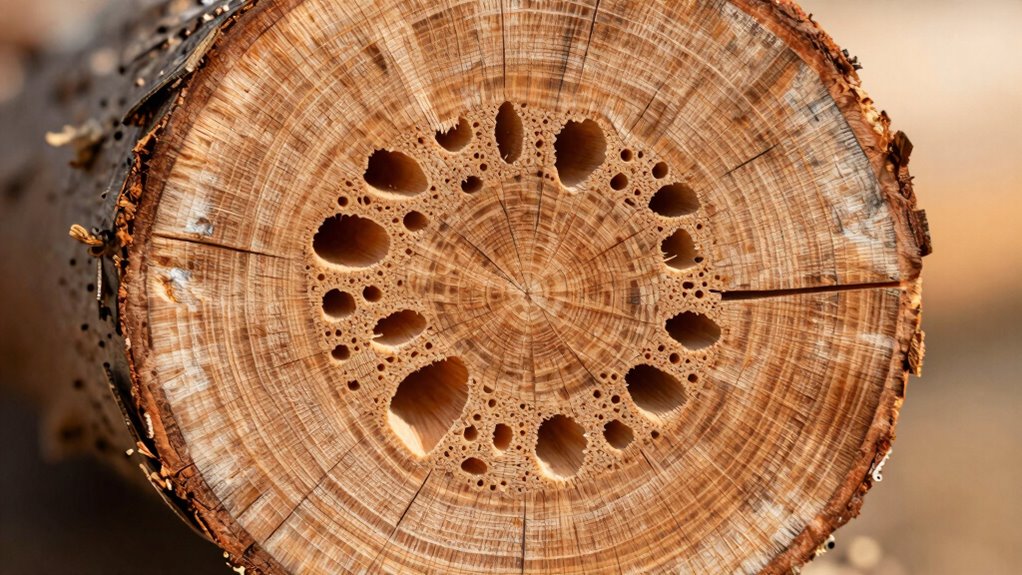
The way end grain is oriented considerably impacts the strength and durability of your woodworking projects. Grain orientation determines how well wood resists forces and stress. End grain absorbs moisture more quickly than face or side grain, which can lead to swelling, warping, or cracking over time. This process can be accelerated by moisture absorption, making it crucial to understand how environmental factors affect wood longevity. Additionally, adhesive bonding can be affected by grain orientation, influencing joint strength. Properly understanding and working with grain orientation can help you select appropriate woodworking techniques to enhance the strength of joints and bonds. Wood with end grain exposed should be sealed or treated to minimize moisture intake. Recognizing how end grain influences moisture absorption helps you select the right wood and finishing techniques, ultimately improving your project’s longevity and resilience. Being aware of moisture management is essential for preventing deterioration caused by environmental factors. Understanding grain structure can also guide you in choosing the best wood for specific applications, further ensuring durability and performance.
As an affiliate, we earn on qualifying purchases.
Practical Techniques to Recognize and Use End Grain Effectively
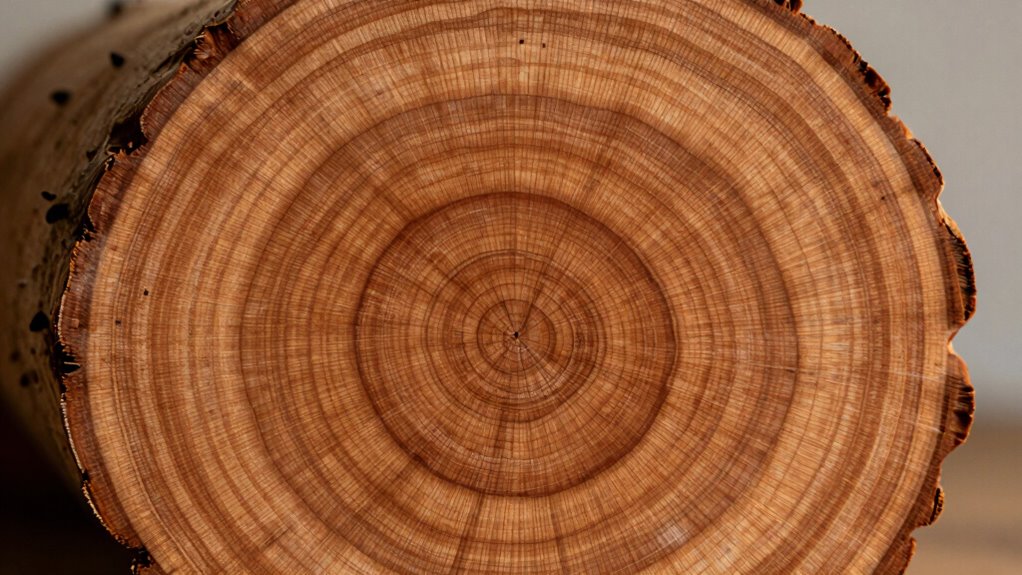
Recognizing end grain in your woodworking projects is key to ensuring proper application and finishing techniques. To do this, observe the grain orientation: end grain appears as a pattern of tiny, repetitive lines or dots, unlike the long, flowing lines of face or edge grain. When cutting, use precise techniques to avoid tear-out or splintering; for example, make shallow initial passes or use sharp blades. Understanding the grain orientation helps you decide when to cut across the end grain for joints or decorative effects, and when to avoid it to prevent weak spots. Proper recognition allows you to plan your cuts carefully, ensuring stability and a clean finish. Being mindful of grain orientation is essential for achieving quality results and preventing damage during woodworking. Using these techniques improves your control and results, making your projects stronger and more visually appealing. Additionally, knowing how wood movement affects end grain can help you anticipate potential issues related to expansion and contraction over time. Recognizing wood properties such as density and porosity can also influence how you work with different types of wood to achieve optimal results. Furthermore, understanding how end grain sealing impacts durability can contribute to longer-lasting finished pieces.
woodworking clamps for glue joints
As an affiliate, we earn on qualifying purchases.
As an affiliate, we earn on qualifying purchases.
Common Mistakes When Working With End Grain: and How to Avoid Them
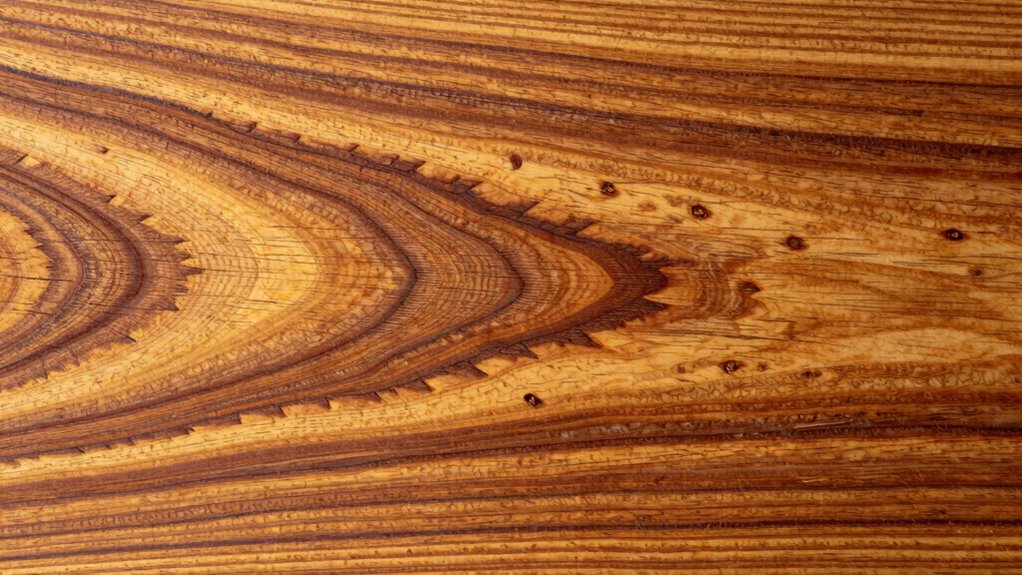
Working with end grain can be tricky because it’s more prone to tear-out, splintering, and weak joints if you’re not careful. One common mistake is neglecting proper sealing techniques; applying a sealer or end grain conditioner helps stabilize the wood and reduces splintering during cutting and finishing. Additionally, pay close attention to grain orientation—cutting against the grain increases tear-out, while aligning cuts with the grain produces cleaner results. Failing to take into account these factors leads to weak joints and rough surfaces. To avoid these issues, always seal the end grain before machining and plan your cuts to follow the natural grain direction. Incorporating proper sealing techniques and using smart tools and techniques, such as guided saws or clamps, can further enhance precision and safety during your woodworking projects. These simple steps considerably improve the durability and appearance of your work, preventing common pitfalls when working with end grain. Being aware of seasonal wood expansion and contraction can also help maintain joint strength over time, especially in varying humidity conditions. Recognizing the hidden strength of end grain can help you make better decisions when designing and constructing projects for greater longevity. Moreover, understanding how air quality affects woodwork environments can improve your overall craftsmanship and safety.
Tips for Choosing and Finishing Wood Based on End Grain Properties
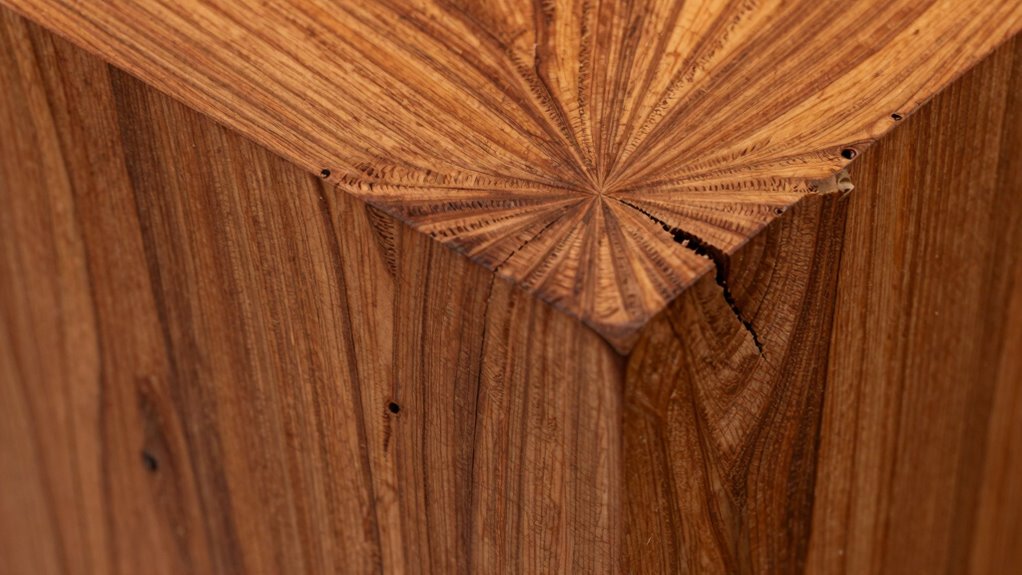
Choosing the right wood for your project requires understanding how its end grain behaves during finishing and use. Grain orientation influences how finishes absorb and resist wear. For example, vertical grain may resist splitting but can absorb stains unevenly, while flat grain provides a smoother surface. When selecting wood, consider the intended finish and how the grain will affect durability. Use appropriate finishing techniques, such as sealing end grain with a penetrating primer or applying multiple thin coats to prevent absorption and cracking. Additionally, understanding the grain structure helps predict how the wood will perform over time and under different conditions. Recognizing the moisture content of the wood is also important, as it can influence how it responds to finishing and environmental changes. Being aware of cellular composition can further inform how the wood responds to treatments and aging. Here’s a quick comparison:
| Grain Orientation | Finishing Tips |
|---|---|
| Vertical Grain | Seal thoroughly, avoid uneven staining |
| Flat Grain | Sand smooth, apply light coats for shine |
| Mixed Grain | Test finish first, adjust techniques as needed |
Frequently Asked Questions
How Does Moisture Content Influence End Grain’s Behavior Over Time?
Moisture content considerably influences your wood’s end grain behavior over time. When moisture absorption occurs, the end grain swells as the wood expands, leading to potential warping or cracking. Conversely, if the moisture dries out, the wood shrinks, which can cause gaps or splits. By controlling moisture levels, you help maintain the integrity of the end grain, reducing the risk of damage and ensuring your wood stays stable.
Can End Grain Be Treated to Improve Its Resistance to Environmental Damage?
Think of end grain as a sponge enthusiastic to soak up trouble. You can shield it with wood sealing and chemical treatments, turning it into a fortress against environmental damage. These treatments act like armor, sealing pores and repelling moisture. By applying them regularly, you give your wood a fighting chance, preserving its strength and beauty against the relentless assault of weather and wear.
Are Certain Wood Species Better Suited for End Grain Applications?
You’ll find that certain wood species are better suited for end grain applications because of their density and durability. Hardwoods like oak, maple, and hickory typically perform well, offering strength and resistance to wear. These species have tightly packed fibers, making them ideal for end grain use. When selecting wood for end grain, choose species known for their toughness to ensure longevity and structural integrity in your project.
How Does End Grain Impact the Aesthetic Qualities of Finished Furniture?
Seeing the end grain can really make your furniture stand out; it’s like a window into the wood’s soul. This grain pattern adds unique visual texture, giving each piece character and depth. It highlights the natural beauty and craftsmanship, making your furniture more eye-catching. While it may not suit all styles, embracing end grain can turn a simple piece into a stunning work of art, showcasing nature’s intricate designs.
What Are the Eco-Friendly Options for Working With End Grain Wood?
You can choose eco-friendly options for working with end grain wood by sourcing sustainably harvested or reclaimed wood, reducing environmental impact. Use biodegradable finishes like natural oils, beeswax, or plant-based sealers to protect your projects without harmful chemicals. These options help you create beautiful, durable furniture while supporting sustainability and minimizing pollution, ensuring your craftsmanship benefits both the environment and future generations.
Conclusion
Understanding end grain is like revealing a secret superpower in woodworking. When you recognize its strength and vulnerabilities, you can craft pieces that stand the test of time—like a fortress built from the very foundation of wood. By paying attention to end grain, you avoid hidden weaknesses and reveal hidden beauty. Embrace its role, and your projects will not only look stunning but also endure, proving that sometimes, what’s beneath the surface holds the greatest potential.
Fall Picks
fall essentials
As an affiliate, we earn on qualifying purchases.