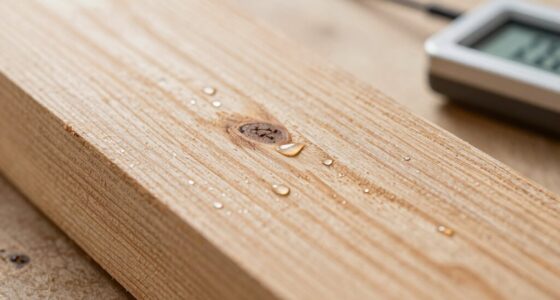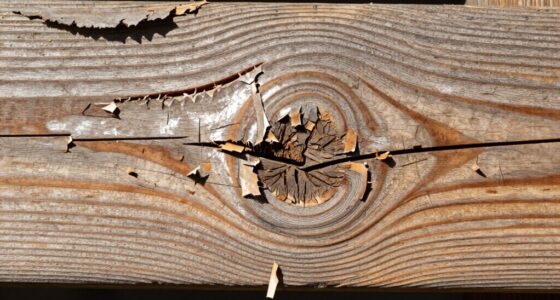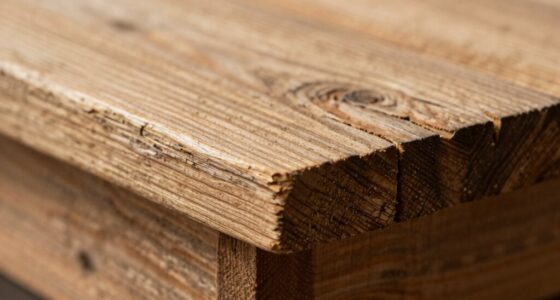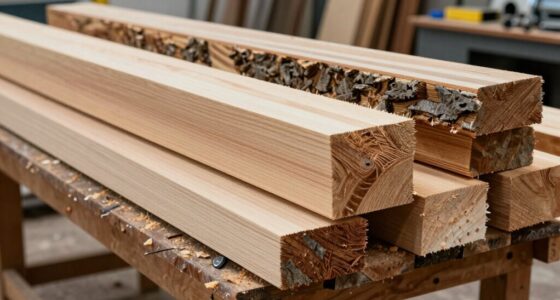
To protect your furniture, keep the moisture content between 6-8%. This range prevents wood from swelling, warping, cracking, or shrinking, ensuring your furniture stays stable and durable. Monitoring with a moisture meter helps you maintain this balance and avoid damage from humidity fluctuations. If you want to learn more about how to keep your furniture looking its best and lasting longer, there’s more to discover on this essential topic.

Get business pricing on tools and workshop supplies
- Business-only prices and quantity discounts
- Tax-exempt purchasing
- Multiple users, one account, clear invoices
Key Takeaways
- Maintain a moisture content of 6-8% to prevent wood warping and cracking.
- Use a moisture meter to regularly monitor and keep levels within the ideal range.
- Keep indoor humidity between 40-55% to stabilize furniture’s moisture levels.
- Avoid direct sunlight, heaters, or humidifiers that cause moisture fluctuations.
- Proper moisture balance extends furniture lifespan and preserves its appearance.
As an affiliate, we earn on qualifying purchases.
Why Moisture Content Is Critical for Your Furniture’s Health
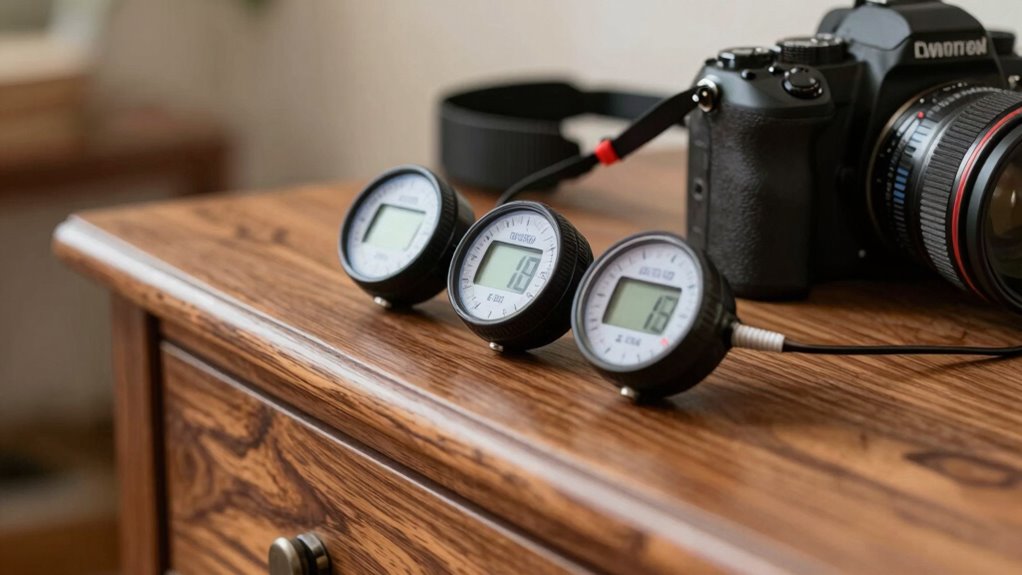
Maintaining proper moisture content is essential because it directly affects your furniture’s stability and durability. When humidity levels fluctuate, wood expands or contracts, leading to cracks, warping, or joint failures. Proper humidity control helps keep moisture levels steady, preventing wood from swelling due to excess moisture or shrinking in dry conditions. If you neglect this balance, your furniture becomes vulnerable to damage caused by wood expansion and contraction. Ensuring consistent humidity levels maintains the integrity of the wood, preserving its appearance and structural strength. Understanding humidity levels is crucial for selecting the right air purifiers and humidifiers to maintain optimal conditions. Proper moisture content management can also prevent mold growth and other moisture-related problems that affect your home environment. Additionally, monitoring wood moisture levels can help identify early signs of potential damage before serious issues develop, thus promoting furniture longevity through proactive care. Being aware of the essential oils for wood preservation may also help in maintaining the natural properties of your furniture.
As an affiliate, we earn on qualifying purchases.
How Excess or Insufficient Moisture Can Damage Your Furniture
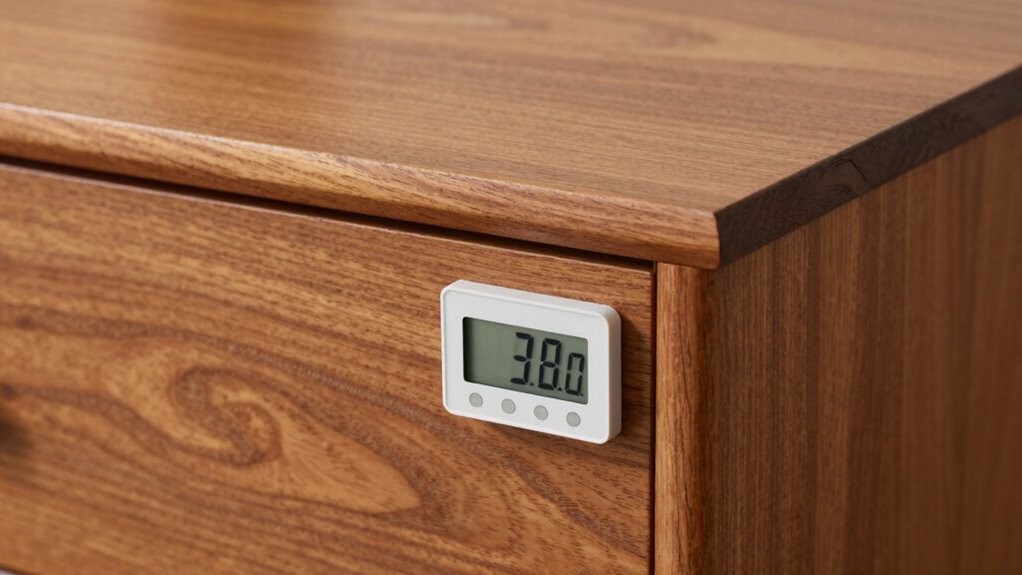
Too much moisture can cause your furniture’s wood to warp, leading to cracks and misshapen surfaces. On the other hand, too little moisture makes the finish brittle and prone to peeling or chipping. Maintaining proper humidity levels helps prevent these damaging issues and keeps your furniture looking its best. Proper filtration systems can also help regulate indoor humidity and protect your furnishings from excess moisture. Additionally, the use of electric power generation devices like bike generators can contribute to sustainable energy solutions that help control indoor climate conditions. Monitoring your humidity levels with reliable tools is essential for maintaining the ideal environment for your furniture. Using grocery savings strategies such as seasonal produce shopping can aid in budgeting for climate control devices, ensuring you can invest in proper maintenance without overspending. Ensuring consistent indoor climate control further supports the longevity of your furnishings and prevents damage caused by fluctuating moisture levels.
Wood Warping Risks
Excess or insufficient moisture can cause significant damage to your furniture by making the wood warp. When the moisture level is too high, the wood grain swells, leading to cupping or bowing that distorts the piece. Conversely, low moisture causes the wood to shrink and crack, compromising its structure. Warping not only affects the appearance but also weakens the furniture’s overall integrity. Additionally, warped wood can jeopardize finish durability, making surfaces more prone to scratches and chips. Maintaining proper moisture content guarantees the wood’s natural grain remains stable, preventing deformation over time. Regularly monitoring moisture levels helps preserve both the aesthetic appeal and longevity of your furniture, protecting your investment from warping caused by moisture fluctuations. Proper humidity control is essential for wood preservation and ensuring your furniture remains in optimal condition. Ensuring consistent humidity levels also minimizes the risk of wood warping, extending the lifespan of your furniture. Incorporating humidity measurement tools can help you maintain ideal moisture levels more effectively, reducing the risk of damage from environmental changes. Implementing sound sound therapy techniques can also support your efforts by promoting better environmental awareness and care. Being aware of the moisture content number in your environment provides a reliable measure to prevent these issues before they occur.
Finish Deterioration Threats
When moisture levels fluctuate beyond ideal ranges, the finish on your furniture can suffer significant damage. Excess moisture causes the finish to soften, resulting in surface bubbling or peeling. Insufficient moisture, on the other hand, leads to finish deterioration and surface cracking, which can ruin the appearance and protection of your furniture. To prevent this, monitor moisture carefully. Maintaining proper humidity levels can also help air purifier maintenance, ensuring optimal performance and protecting your furniture from environmental damage. Regularly checking indoor humidity levels can aid in maintaining the ideal environment for your furniture and prevent moisture-related issues. Being aware of environmental conditions can further help you adjust your space to keep your furniture in top condition. Understanding the importance of moisture control is essential for preserving the integrity of your furniture’s finish over time. Additionally, awareness of humidity fluctuations can help you anticipate and mitigate potential damage before it occurs.
As an affiliate, we earn on qualifying purchases.
How to Measure Moisture Content in Your Furniture
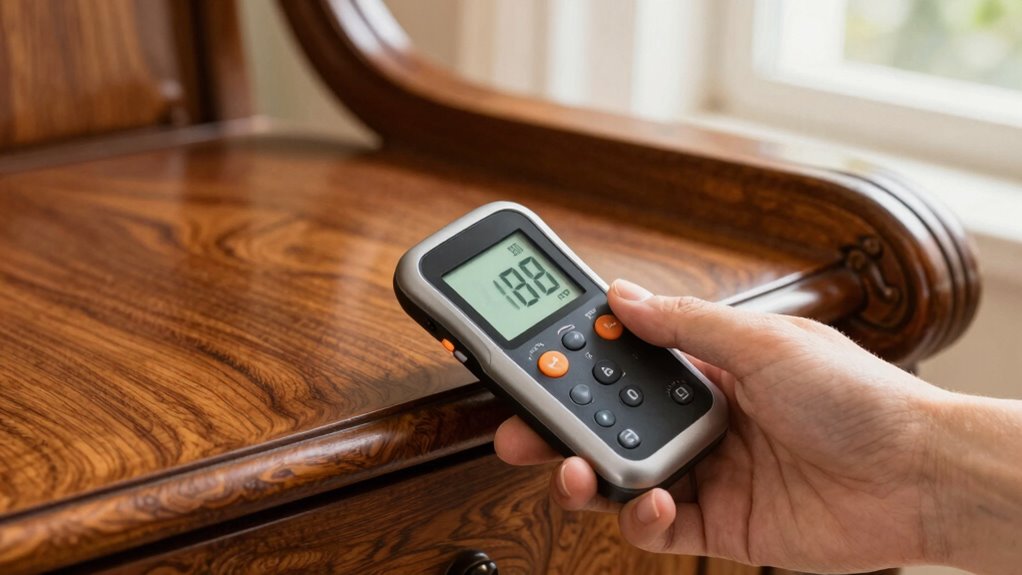
To accurately measure moisture content in your furniture, you need the right tools, like a moisture meter. Make sure you follow proper testing techniques to get reliable readings. Once you have the results, learn how to interpret them correctly to assess your furniture’s condition effectively. Additionally, understanding the different application methods can help you obtain more accurate measurements depending on your furniture’s material. Being familiar with industry standards ensures that you are assessing moisture levels within safe limits and maintaining your furniture’s longevity. Recognizing moisture level thresholds can also help prevent issues like mold or warping before they become serious problems. Consulting professional guidelines can further improve your assessment accuracy and help you take appropriate corrective actions.
Tools for Measurement
Wondering how to accurately measure the moisture content in your furniture? The right tools are essential for precise results. A digital moisture meter is your best choice; it quickly provides accurate readings and is easy to use. Before measuring, verify your device is properly calibrated—this process is called moisture calibration—and reflects the specific wood you’re working with. For best results in wood curation, regularly check and calibrate your meter to maintain accuracy. Pin-type meters insert probes directly into the wood, giving instant readings, while pinless meters scan the surface without damage. Always follow the manufacturer’s instructions for calibration and use. Using the right tools with proper calibration helps you make informed decisions, protecting your furniture from moisture-related issues.
Proper Testing Techniques
Proper testing techniques are essential for obtaining accurate moisture readings in your furniture. Start by selecting a reliable moisture meter designed for wood. When testing, ensure the meter’s pins penetrate the wood grain, not across it, to get an accurate reading. Take multiple measurements at different spots, especially near edges and the center, to account for variability. Maintain consistent conditions, as fluctuations in humidity control can affect results. Before testing, let the furniture acclimate to the room’s humidity for a few hours. Keep the meter calibrated and clean to prevent errors. Remember, accurate readings depend on proper contact with the wood grain and stable environmental conditions, helping you assess moisture levels effectively and protect your furniture from damage.
Interpreting Results Correctly
Understanding your moisture meter readings is essential for evaluating your furniture’s health. Small variations can signal humidity fluctuation, which causes wood shrinkage or expansion. To interpret results accurately, consider the context, such as seasonal changes or recent climate shifts. Use this table as a mental guide:
| Moisture Level | Condition | Action |
|---|---|---|
| Low | Dry, potential damage | Let wood acclimate |
| Ideal | Stable, safe | Maintain environment |
| High | Excess moisture | Allow time to dry, prevent mold |
digital moisture meter for furniture
As an affiliate, we earn on qualifying purchases.
As an affiliate, we earn on qualifying purchases.
What Is the Ideal Moisture Range for Different Furniture Types
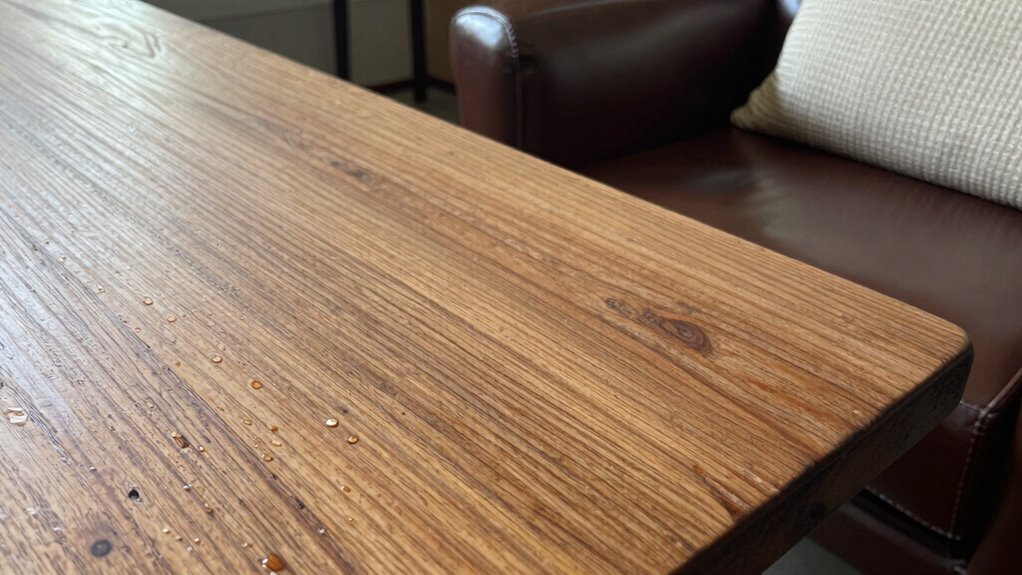
Different types of furniture require specific moisture levels to prevent damage and maintain their appearance. For wooden furniture, maintaining a humidity control range of 6-8% moisture content helps prevent issues like warping and wood expansion. Solid wood pieces are especially sensitive; too much moisture causes swelling, while too little leads to cracking. Upholstered furniture isn’t as moisture-sensitive but still benefits from stable humidity to avoid fabric mold or deterioration. For veneered or MDF furniture, aim for a similar moisture range to prevent delamination. Knowing the ideal moisture content helps you keep your furniture stable and beautiful. Regularly monitor humidity levels, especially in fluctuating climates, to ensure your furniture stays within the safe moisture range, ultimately extending its lifespan and preserving its appearance.
Easy Ways to Monitor Moisture Levels at Home
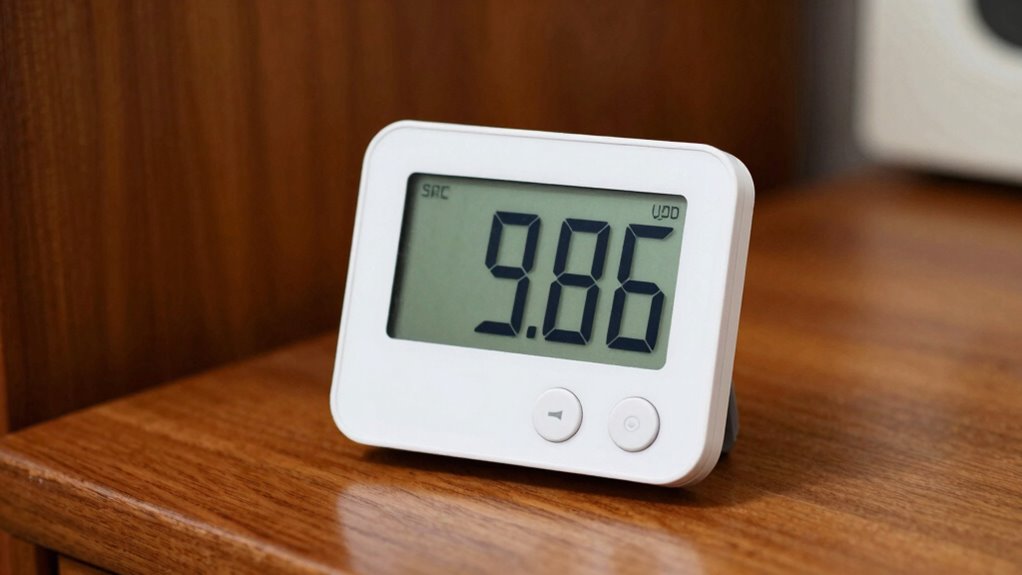
Monitoring moisture levels at home is easier than you might think, and it’s essential for protecting your furniture from damage. Proper humidity control helps maintain the right moisture balance, preventing warping or cracking. Here are three simple ways to keep an eye on moisture:
Keeping moisture levels in check protects your furniture from warping and cracking.
- Use a hygrometer to measure indoor humidity levels regularly, ensuring they stay between 40-55%.
- Choose materials with appropriate moisture resistance for your furniture, considering material selection for different environments.
- Keep furniture out of direct sunlight and away from heaters or humidifiers, which can cause fluctuations in moisture content.
Signs Your Furniture Has Too Much or Too Little Moisture
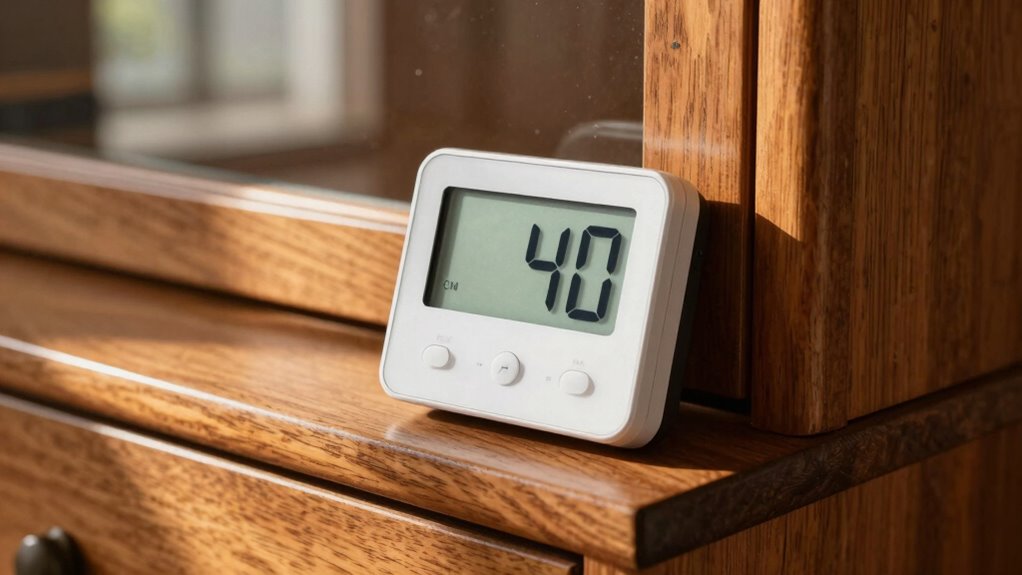
When your furniture shows visible signs of damage or changes in appearance, it’s often a clear indication that moisture levels are off. Too much moisture can lead to dust accumulation in tiny crevices and joints, making your furniture look dusty even if you’ve cleaned recently. You might also notice color fading or uneven discoloration, especially on painted or stained surfaces. On the other hand, too little moisture causes wood to dry out, resulting in cracks, warping, and a dull, faded look. These signs suggest your furniture is struggling to maintain proper moisture balance. Paying attention to these visual cues helps you catch moisture issues early, preventing more extensive damage and preserving your furniture’s integrity over time.
Tips to Adjust and Maintain the Right Moisture Levels
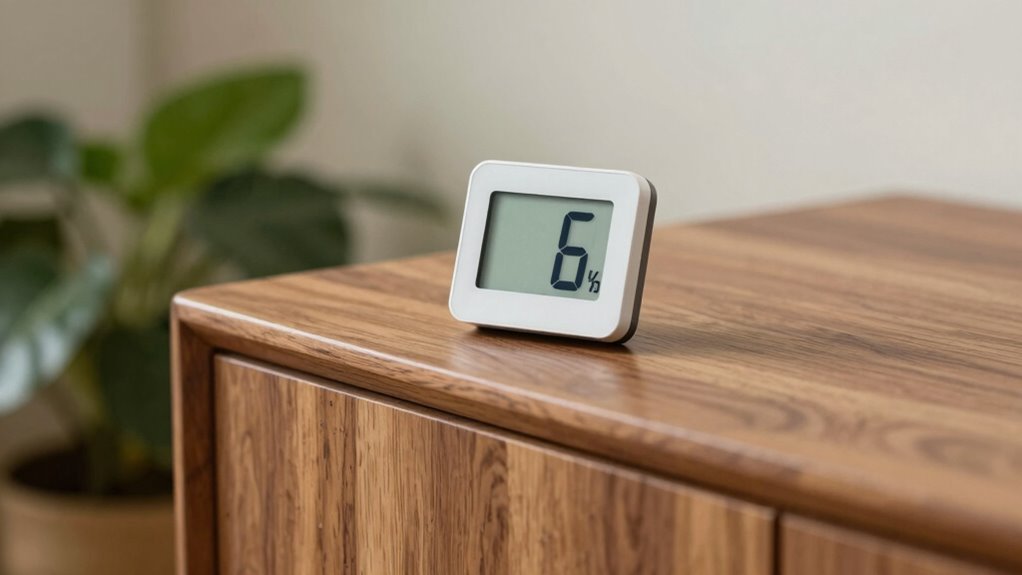
Maintaining the right moisture levels in your furniture is essential for its longevity and appearance. Proper humidity control helps preserve the wood grain and prevents warping or cracking. To keep moisture balanced, consider these tips:
Proper humidity management preserves wood furniture and prevents warping or cracking.
- Use a hygrometer to monitor indoor humidity regularly, aiming for 40-45%.
- Adjust humidity with a humidifier or dehumidifier as needed, especially during seasonal changes.
- Position your furniture away from direct heat sources or windows where sunlight can cause moisture fluctuations.
Consistent humidity control stabilizes the wood grain, preventing damage caused by excess moisture or dryness. Regular monitoring ensures your furniture stays in ideal condition, extending its lifespan and keeping its appearance pristine.
What Are the Risks of Ignoring Moisture Content?
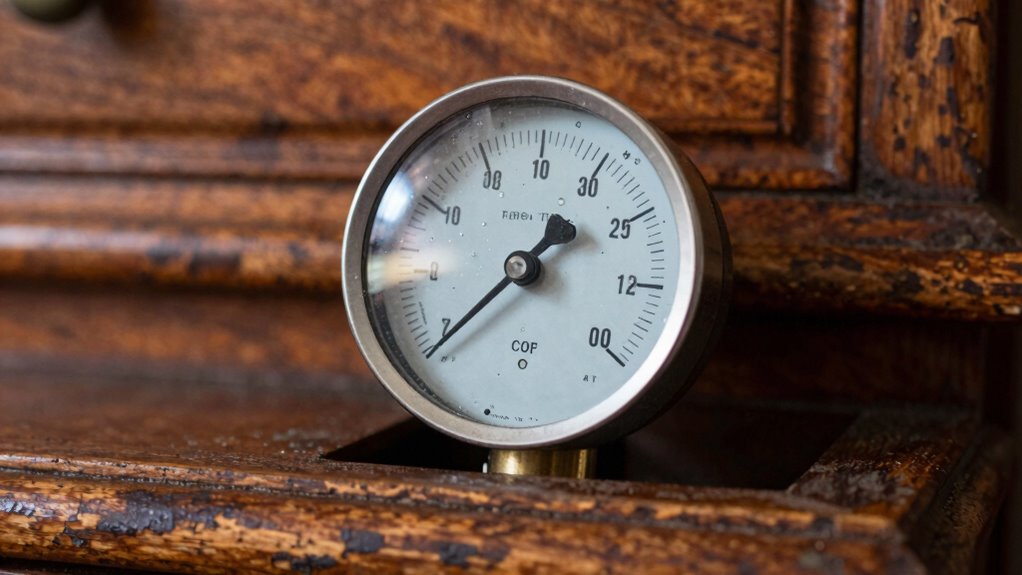
Ignoring moisture content in your furniture can lead to serious issues that threaten its integrity. Humidity fluctuations cause wood to expand and contract, which can result in cracks, warping, or splitting. When moisture levels are too high, your furniture becomes more susceptible to mold and rot, weakening its structure. Conversely, low moisture content makes wood brittle and prone to splitting under stress. Over time, these changes compromise both appearance and stability, reducing your furniture’s lifespan. Failing to manage moisture content also increases the risk of joints loosening and finishes peeling, which diminishes value and aesthetics. Ultimately, neglecting proper moisture balance invites costly repairs or replacements, making it vital to monitor and control humidity to preserve your furniture’s quality and durability.
Best Practices to Keep Your Furniture’s Moisture Balance Over Time
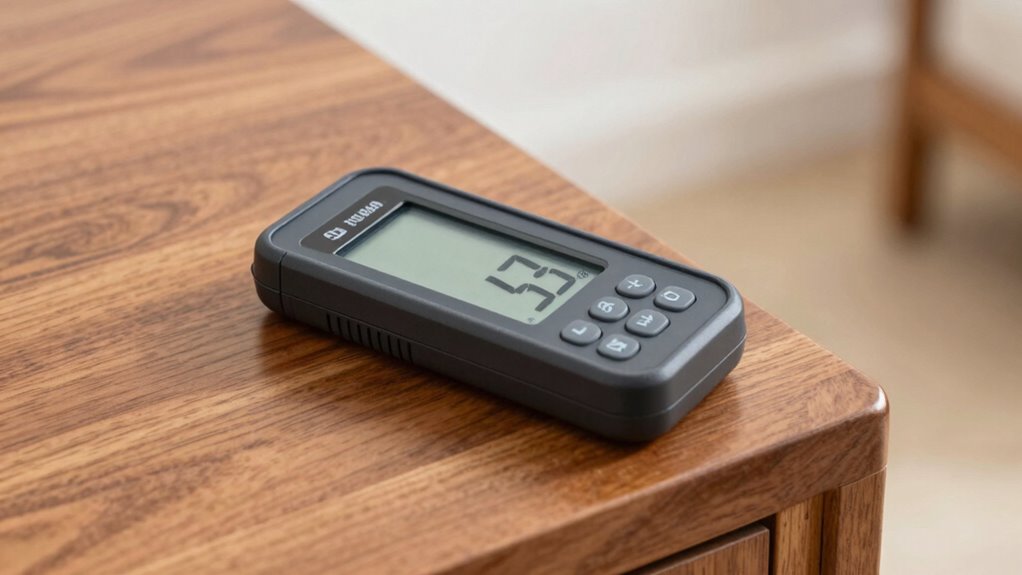
To keep your furniture’s moisture balance stable over time, maintaining proper conditions where it’s kept is vital. This helps prevent damage and preserves the integrity of furniture finishes and wood treatments. First, control indoor humidity levels, ideally between 40-55%, using a humidifier or dehumidifier as needed. Second, avoid placing furniture near direct heat sources or in direct sunlight, which can cause uneven drying or moisture loss. Third, regularly clean and polish your furniture with appropriate products that enhance its finish and seal wood treatments, protecting against moisture fluctuations. Proper environmental control combined with careful maintenance ensures your furniture remains stable, beautiful, and well-preserved over time.
Frequently Asked Questions
How Often Should I Check My Furniture’s Moisture Content?
You should check your furniture’s moisture content at least once a month to guarantee proper wood monitoring and moisture prevention. Regular inspections help you catch any fluctuations early, especially in changing seasons or humid environments. Use a reliable moisture meter to keep tabs on the wood’s moisture level, maintaining it within the safe range. Consistent monitoring helps preserve your furniture’s integrity and prevents damage caused by excess moisture.
Can Climate Change Affect My Furniture’s Moisture Levels?
Climate change can dramatically affect your furniture’s moisture levels, causing wood expansion or contraction faster than you’d believe. As humidity fluctuates, your furniture might warp or crack without proper monitoring. Staying vigilant helps prevent mold and other damage caused by excess moisture. You should regularly check moisture levels, especially during seasonal changes, to keep your furniture looking pristine and to avoid costly repairs down the line.
What Tools Are Best for Measuring Moisture at Home?
You should use humidity sensors and moisture meters to accurately measure moisture levels at home. Humidity sensors monitor ambient humidity, helping you maintain stable conditions, while moisture meters directly assess the moisture content in furniture or walls. Both tools are easy to use, providing quick readings so you can prevent excess moisture that could damage your furniture. Keep these tools handy to protect your belongings from humidity-related issues.
Does Humidity Control Improve Furniture Longevity?
Yes, controlling humidity improves furniture longevity. Using humidity sensors helps you monitor indoor moisture levels accurately, ensuring they stay within a safe range. Implement dehumidification techniques like using a dehumidifier or improving ventilation to reduce excess moisture. Keeping humidity levels stable prevents wood from warping, cracking, or swelling, which extends your furniture’s lifespan. Regularly checking humidity helps you maintain ideal conditions, protecting your valuable pieces over time.
Are Certain Wood Types More Sensitive to Moisture Fluctuations?
Yes, certain wood types are more sensitive to moisture fluctuations. For example, oak and cherry tend to expand and contract more with changes in humidity, making them more sensitive to moisture fluctuations. You should monitor your environment carefully if you have these woods, especially in areas with fluctuating humidity levels. Proper humidity control helps reduce wood sensitivity issues, preventing warping, cracking, or other damage to your furniture.
Conclusion
Keeping the right moisture level isn’t just a small detail—it’s the secret weapon to preserving your furniture’s beauty and strength for generations. Don’t let neglect turn your cherished pieces into a tragic tale of decay. With simple monitoring and adjustments, you’ll protect your furniture from the destructive forces of moisture. Think of it as giving your furniture a shield—ensuring it stays stunning and resilient, no matter what storms come your way.
Fall yard work Picks
leaf blowers
As an affiliate, we earn on qualifying purchases.