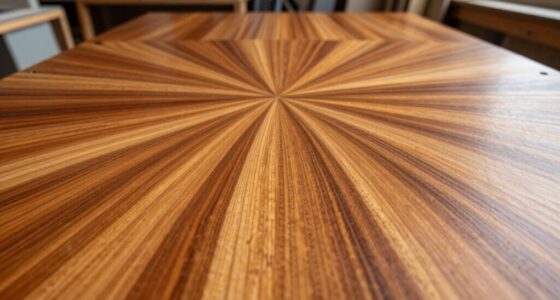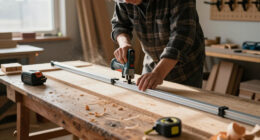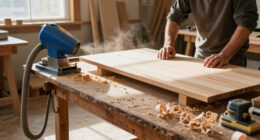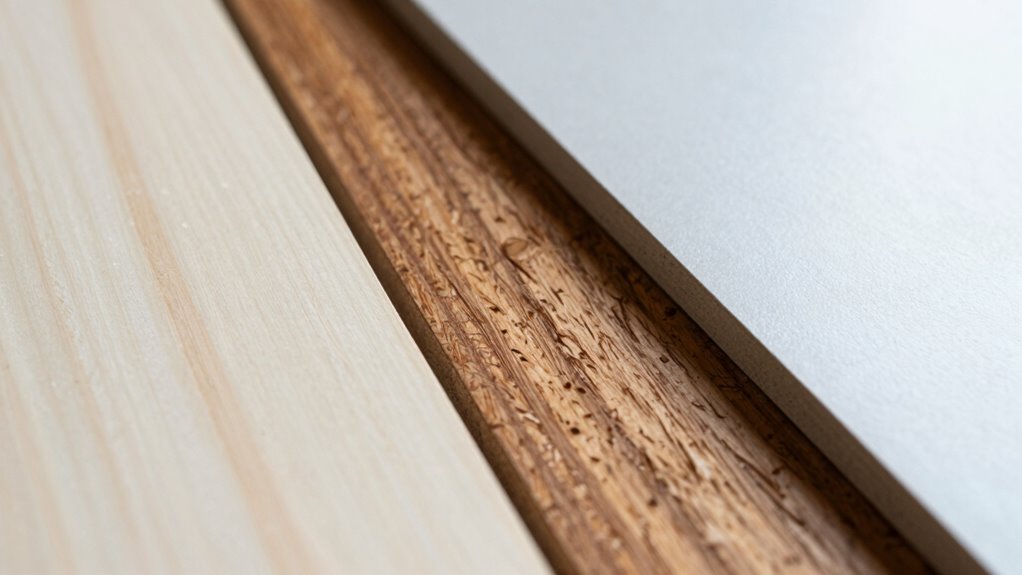

When choosing a substrate for veneered panels, consider MDF or plywood. MDF offers a smooth surface ideal for adhesion and is budget-friendly, but it needs sealing to resist moisture. On the other hand, plywood boasts durability and strength, especially in moisture-prone areas, and its natural grain adds beauty. Your choice might depend on budget and project needs. Want to explore more options and tips for your veneered projects? Keep going to find out more.

Get business pricing on tools and workshop supplies
- Business-only prices and quantity discounts
- Tax-exempt purchasing
- Multiple users, one account, clear invoices
Key Takeaways
- MDF offers a smooth surface for veneer adhesion and is budget-friendly, ideal for larger projects.
- Plywood provides remarkable durability and strength, making it resilient under stress and moisture conditions.
- Consider the environmental impact; plywood is often more sustainable if sourced responsibly, while MDF may contain VOCs.
- Finishing techniques differ; MDF requires sealing to prevent moisture absorption, while plywood enhances aesthetics with natural grain.
- Cost is a factor; MDF is generally more affordable, but plywood’s durability may justify higher initial investment.
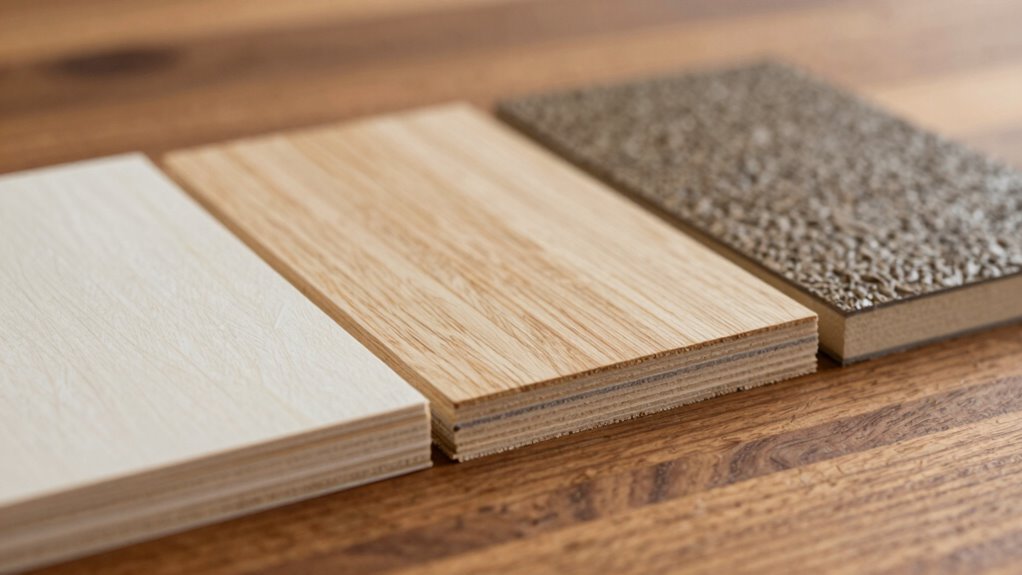
When choosing the right substrate for veneered panels, it’s essential to contemplate both the aesthetic and functional aspects of your project. The choice often boils down to MDF or plywood, each with its unique advantages and considerations. MDF, or medium-density fiberboard, offers several MDF advantages. Its smooth surface makes it an ideal canvas for veneer adhesion, allowing for a flawless finish. You’ll find that MDF is less prone to warping compared to plywood, which can be a significant factor in maintaining that polished look over time.
When selecting a substrate for veneered panels, consider the smooth, warp-resistant qualities of MDF versus the durability of plywood.
On the other hand, plywood boasts remarkable durability. If your project demands strength and resilience, plywood is hard to beat. It’s particularly advantageous in applications where the panels might be subjected to stress or moisture. Plywood’s layered construction provides stability, making it a reliable choice for various environments. When you weigh the two options, consider the specific application methods you plan to use. For instance, if you’re crafting cabinetry or furniture that requires a robust substrate, plywood may be your best bet.
Cost comparisons also play an important role in your decision. Generally, MDF tends to be more budget-friendly, which might make it appealing for larger projects. However, it’s important to factor in the long-term environmental impact. MDF is often made from recycled wood fibers but can contain adhesives that release VOCs. Plywood, while sometimes pricier, is often considered more sustainable if sourced from responsible manufacturers. Additionally, sustainable sourcing can influence your choice depending on your environmental priorities. When choosing your substrate, you’ll want to think about the thickness variations available in both materials. Thicker panels can provide added strength but also increase costs.
Finishing techniques can further influence your choice. MDF accepts paint and veneer exceptionally well, but it does require sealing to prevent moisture absorption. Plywood, with its natural grain, can offer a stunning aesthetic when finished properly. Both substrates can be enhanced with various finishes, but your choice might depend on the look you’re aiming for. Considering the environmental impact of each material can also guide your decision, especially for eco-conscious projects. You might also want to consider the manufacturing process when evaluating sustainability and overall environmental footprint. Additionally, understanding the performance characteristics of each material can help ensure your project endures the test of time. A thorough understanding of material properties can further assist in making an informed choice.
Ultimately, your decision should align with the specific needs of your project. Whether you lean towards MDF for its smoothness and affordability or plywood for its strength and durability, understanding these aspects will help you create beautiful, functional veneered panels that stand the test of time.
As an affiliate, we earn on qualifying purchases.
Frequently Asked Questions
What Is the Lifespan of Veneered Panels?
Veneered panels typically last between 10 to 30 years, depending on factors like veneer durability and moisture resistance. If you use high-quality veneers and maintain them well, you can extend their lifespan markedly. Avoid exposing them to excessive moisture, as that can cause warping or delamination. Regular cleaning and proper care will keep your panels looking great and performing well for years to come. So, choose wisely and maintain diligently!
Can Veneered Panels Be Refinished or Repaired?
Yes, you can refinish or repair veneered panels, but it depends on veneer durability. If the veneer is thick enough, you might sand it lightly to remove scratches and apply a new finish. For repairs, techniques like filling chips with matching wood filler or using veneer patches can work wonders. Just be cautious; over-sanding can damage the veneer, so always test on a less visible area first.
How Do I Clean and Maintain Veneered Surfaces?
To clean and maintain veneered surfaces, start with gentle cleaning techniques. Use a soft, damp cloth to wipe away dust and spills, avoiding harsh chemicals. For deeper cleaning, a mild soap solution works well. Always dry the surface immediately to prevent moisture damage. Regularly polish with a suitable furniture polish to enhance the veneer’s shine. These maintenance tips help keep your veneered surfaces looking great and prolong their lifespan.
Are Veneered Panels Environmentally Friendly?
Veneered panels can be environmentally friendly, especially if you use eco-friendly materials. Many manufacturers focus on sustainability concerns, opting for responsibly sourced wood and low-VOC adhesives. When choosing veneered products, look for certifications like FSC (Forest Stewardship Council) to guarantee sustainable practices. By selecting these options, you’re not only enhancing your space but also supporting eco-conscious manufacturing, making a positive impact on the environment. It’s a win-win for you and the planet!
What Finishes Work Best for Veneered Panels?
Did you know that over 70% of furniture makers prefer using water-based finishes for veneered panels? These finishes not only provide a durable layer but also enhance the wood’s natural beauty. When applying your finish, consider a spray application for a smooth, even coat. This method minimizes brush marks and guarantees a professional look. So, when you choose your preferred finishes, remember that water-based options might just be your best bet!
As an affiliate, we earn on qualifying purchases.
Conclusion
When choosing a substrate for veneered panels, remember that your decision impacts not just aesthetics but also durability and functionality. Imagine crafting a beautiful cabinet for your child’s room, only to have it warp over time due to poor substrate choice. Opting for high-quality MDF or plywood can guarantee that your creation stands the test of time, providing both beauty and lasting memories. Make the right choice, and your work can truly shine for years to come.
As an affiliate, we earn on qualifying purchases.
As an affiliate, we earn on qualifying purchases.
Fall Picks
fall essentials
As an affiliate, we earn on qualifying purchases.