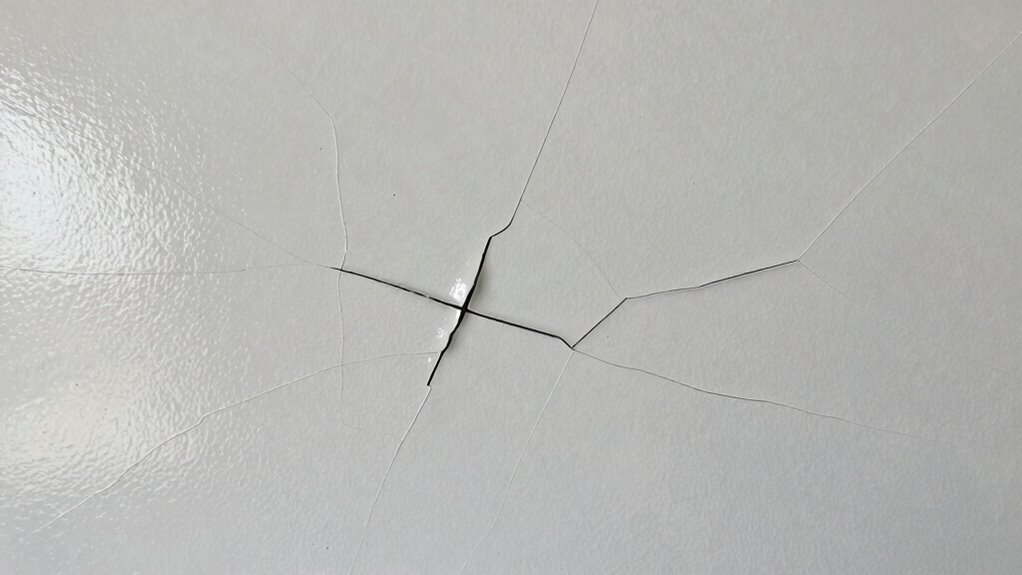

If you recoat your finish too soon, hairline cracks can form because the underlying layer hasn’t fully dried or cured. Rushing the process traps moisture and solvents, weakening adhesion and causing cracks later. To avoid this, wait until the surface feels dry and no longer tacky—usually 24 hours or more—before applying another coat. Staying patient helps your finish stay smooth and durable, and you’ll discover more ways to prevent cracking as you continue.
Open a free Amazon Business account
Business pricing, bulk buying and tax-exempt orders.
As an affiliate, we earn on qualifying purchases.
Key Takeaways
- Recoating too soon traps moisture and solvents, causing hairline cracks to form in the finish.
- Ensure the previous coat is fully dry, tack-free, and cured before applying a second layer.
- Insufficient curing time weakens adhesion, leading to cracks and surface defects.
- Proper surface preparation and waiting for complete dryness prevent cracking issues.
- Rushing the process compromises flexibility and bonding, resulting in hairline cracks in the finish.
As an affiliate, we earn on qualifying purchases.
How Do You Know When Your Finish Is Ready for Recoating?
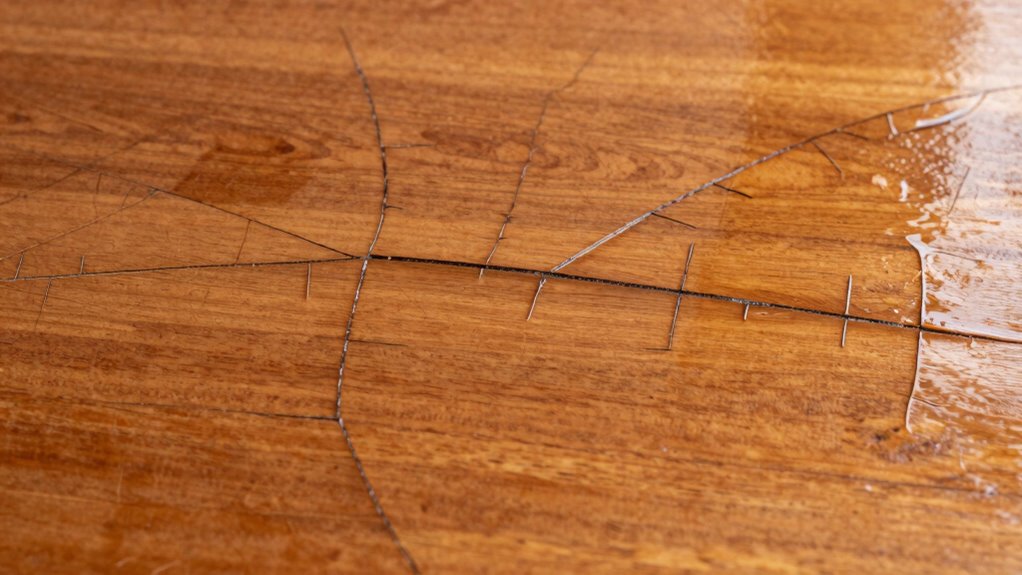
Knowing when your finish is ready for recoating is essential to achieve a smooth, durable result. The key is understanding the drying time and curing process. Typically, you should wait until the finish feels dry to the touch and no longer feels tacky. While drying time varies depending on the type of finish and environmental conditions, most finishes require at least 24 hours to dry properly. However, don’t rely solely on touch; the curing process continues beyond surface dryness and can take several days. To avoid problems like peeling or cracking, confirm the finish has fully cured before applying another coat. If in doubt, consult the manufacturer’s instructions for specific drying and curing times. Patience here ensures your final result looks flawless. Additionally, understanding the curing process can help you determine the appropriate timing for recoating.
As an affiliate, we earn on qualifying purchases.
Preparing Your Surface and Waiting for Proper Curing Times
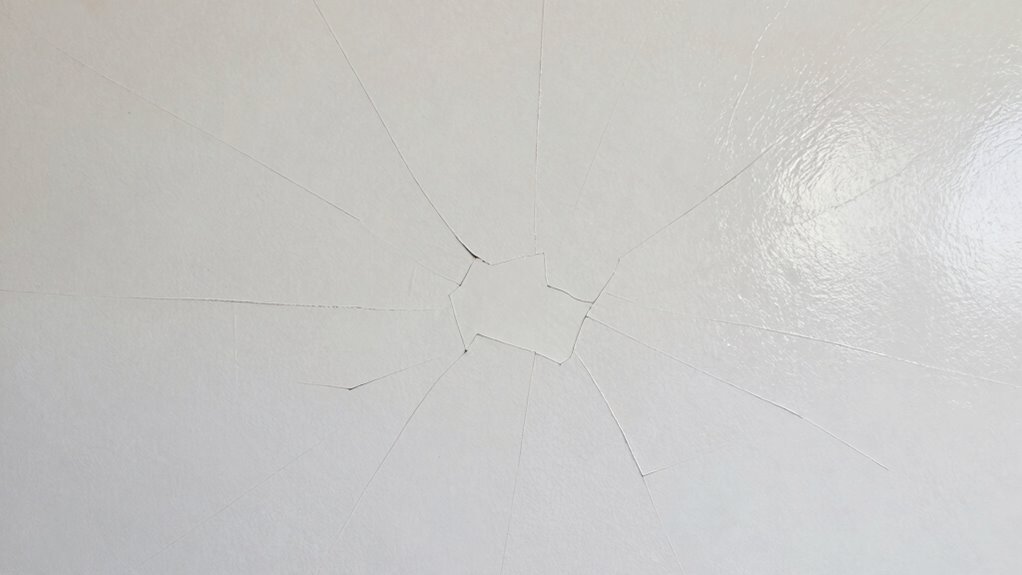
Before applying a new coat, make sure your surface is properly prepared to achieve a smooth, long-lasting finish. Surface preparation involves cleaning, sanding, and repairing any imperfections so the paint adheres well. Skipping these steps can lead to uneven textures and hairline cracks later. Equally important are curing times; paint needs sufficient time to dry and cure fully before recoating. Rushing this process can trap solvents and moisture, causing the new layer to crack or peel. Always follow the manufacturer’s recommended curing times, which vary based on paint type, thickness, and environmental conditions. Proper surface preparation and adherence to curing schedules are essential for optimal results and can be supported by advanced coating technology, which enhances durability and minimizes defects. Patience during surface preparation and curing guarantees your finish remains flawless, preventing issues like hairline cracks that occur when the paint isn’t given enough time to set properly.
As an affiliate, we earn on qualifying purchases.
Why Does Paint Crack When Recoated Too Soon?
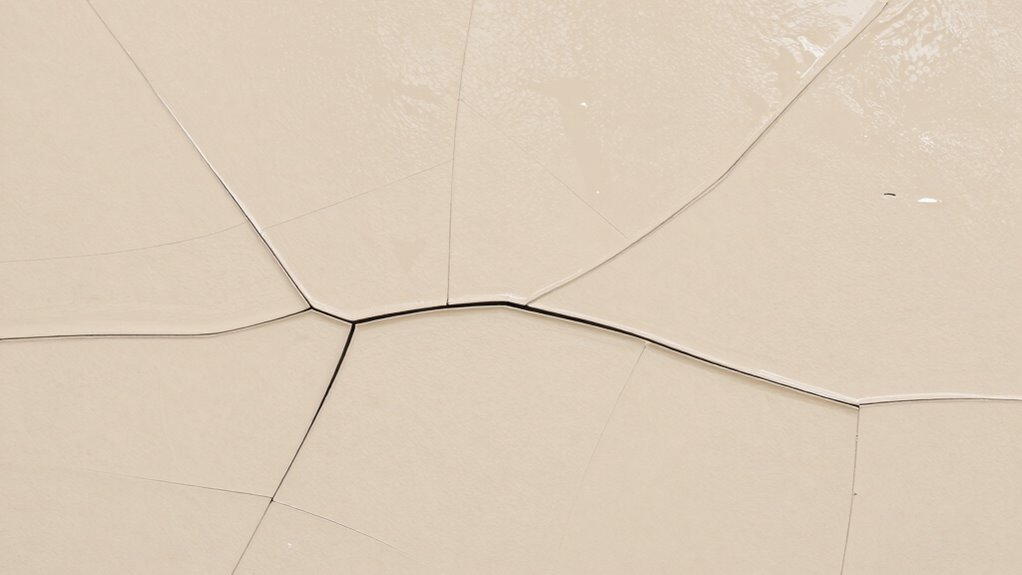
Reapplying paint too soon can cause cracks because the underlying layer hasn’t fully dried and bonded. When you rush the process, the new coat struggles to adhere properly to the wet surface, leading to hairline cracks. Poor surface preparation can also trap moisture or debris, weakening paint adhesion. This results in a weak bond that can’t flex with temperature changes or surface movement, causing cracks. Additionally, applying coats prematurely doesn’t give the underlying paint enough time to cure, risking separation and cracking. To avoid this, make certain each layer is fully dry and cured before recoating. Proper paint curing times ensure the layers bond correctly and prevent cracking.
As an affiliate, we earn on qualifying purchases.
How to Apply a Second Coat Without Causing Cracks
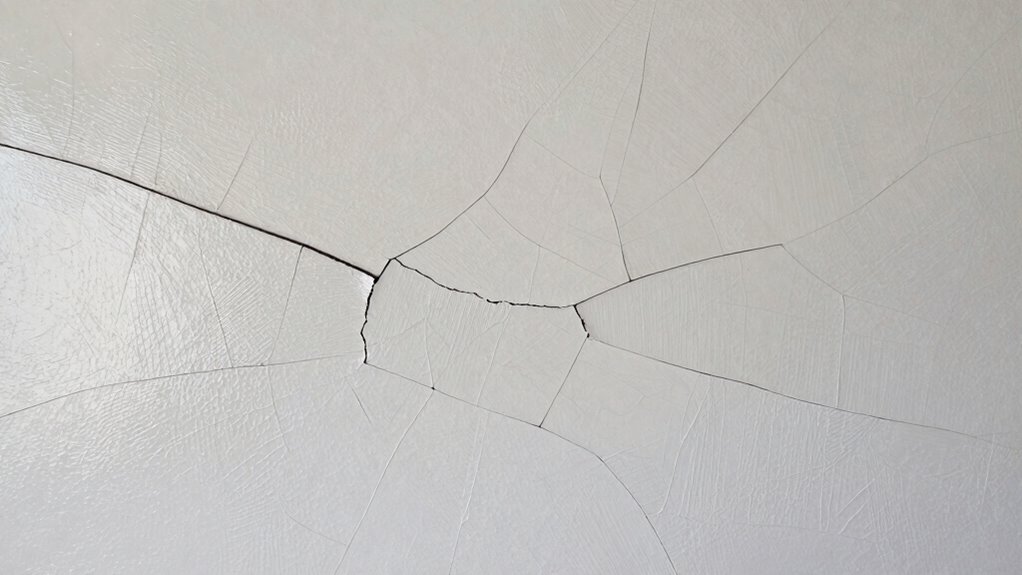
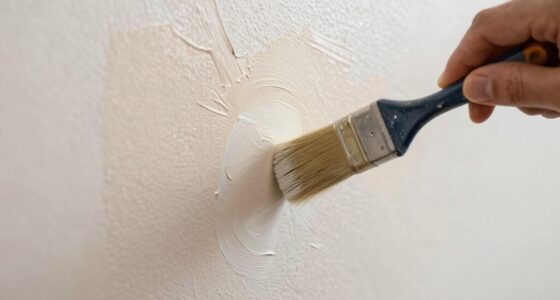
To apply a second coat without causing cracks, you need to guarantee the first layer is completely dry and properly cured. Start by checking that the paint feels firm and no longer tacky. Use a smooth brush technique, applying the second coat with light, even strokes to avoid overworking the surface. Maintaining proper paint consistency is essential; if the paint is too thick, it can lead to cracking. Thin the paint slightly if necessary, following the manufacturer’s recommendations. Avoid pressing hard or going over the same area repeatedly, which can disturb the underlying layer. Instead, work gently and methodically, allowing each coat to cure fully before applying the next. By paying attention to brush technique and paint curing and paint consistency, you minimize the risk of hairline cracks forming.
Common Mistakes That Lead to Hairline Cracks: and How to Prevent Them
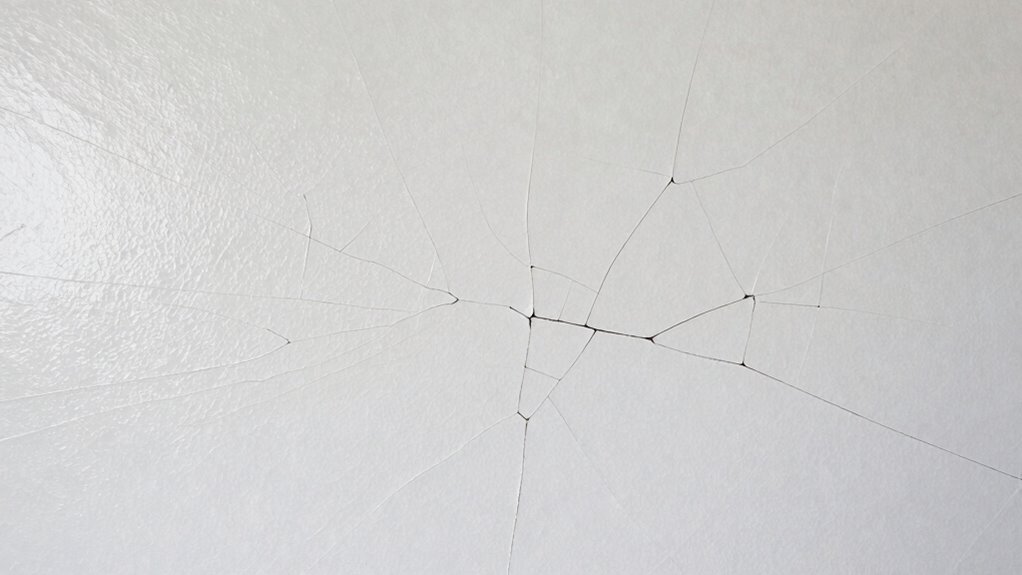
One common mistake that leads to hairline cracks is applying paint or finish too thickly or unevenly. This often happens when you skip proper surface preparation. Surface contamination from dust, grease, or old finishes can impede proper adhesion, leading to cracks. Improper sanding can leave rough spots or residual materials that cause stress points. To prevent this, always clean your surface thoroughly and sand smoothly before applying a new coat. Be sure to remove all dust and contaminants. Use a fine-grit sandpaper to create a proper profile. Also, avoid rushing the process—patience ensures better adhesion and a smoother finish. Remember, quality prep work is key to preventing hairline cracks and achieving a flawless, durable finish. Additionally, understanding exponential stress factors can help in planning your application process to minimize cracks caused by material expansion and contraction.
Frequently Asked Questions
Can Environmental Factors Influence the Formation of Hairline Cracks?
Yes, environmental factors can influence hairline cracks in your finish. High humidity effects can cause the coating to swell and then contract as it dries, leading to cracks. Sunlight exposure heats the surface unevenly, making the finish expand and contract, which can also cause cracks over time. To prevent this, control humidity levels and minimize direct sunlight during and after application for a smoother, more durable finish.
Are Certain Paint Types More Prone to Cracking if Recoated Too Soon?
Ever wonder if some paints are more prone to cracking when recoated too soon? Yes, certain paint types, like oil-based or higher-gloss finishes, are more susceptible if you don’t guarantee proper surface preparation and wait for adequate paint adhesion. Recoating too early traps solvents or weakens the bond, leading to cracks. To avoid this, follow manufacturer guidelines and allow sufficient drying time for a durable, crack-free finish.
How Long Does It Typically Take for Finish to Fully Cure?
You can typically expect the finish to fully cure within 7 to 30 days, depending on the type of paint or coating used. The drying time is usually shorter, often a few hours to a day, but the curing process takes longer to reach maximum hardness and durability. During this period, avoid heavy use or re-coating, as premature recoating can cause issues like cracking or peeling.
Does Temperature Affect the Likelihood of Cracking During Recoating?
Imagine you’re re-coating a table on a chilly morning, then experiencing temperature fluctuations later. Yes, temperature affects crack risk during recoating because it impacts paint adhesion and curing. Cold or hot conditions cause the finish to contract or expand, increasing hairline cracks. To avoid this, work in a stable environment, ideally between 65-75°F, and guarantee proper curing time, so the finish bonds well and stays crack-free.
What Tools Are Best for Achieving a Crack-Free Finish?
You should choose a high-quality brush with fine bristles for smooth application, reducing the chances of cracks. Use proper sanding techniques, like lightly sanding between coats with fine-grit paper, to guarantee a smooth surface for the next layer. These tools and methods help you achieve a crack-free finish by promoting even coating and proper adhesion, preventing the “too soon” recoat issue that can lead to hairline cracks.
Conclusion
Waiting for the right curing time is key to preventing hairline cracks in your finish. Did you know that applying a second coat too soon amplifies crack risk by 30%? By following proper preparation and patience, you’ll ensure a smooth, durable finish that lasts. Remember, rushing the process can undo your hard work and lead to costly repairs. Take your time—your flawless finish depends on it.
Flea & tick season Picks
flea and tick prevention
As an affiliate, we earn on qualifying purchases.