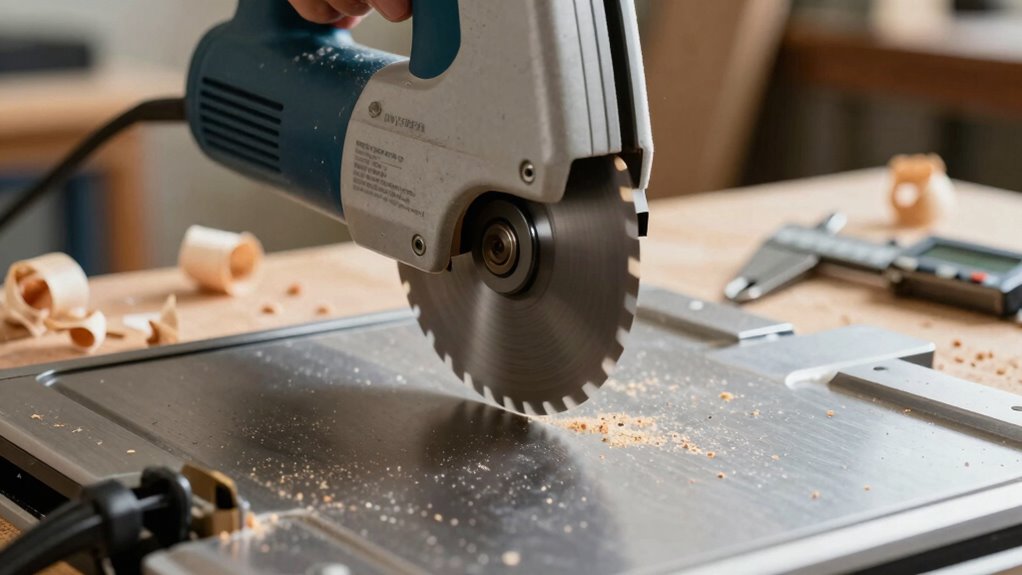
When it comes to table saw arbor runout, you should care when runout affects your cuts’ quality. A slight wobble can impact accuracy, but minor deviations aren’t always a cause for concern. If your cuts are clean and true, you can relax a bit. Just verify the blade is properly installed and maintained. If you’re unsure about your saw’s performance, knowing more about runout can help you make informed decisions for better results.
Play games included with Prime
Start a Prime free trial and play with Amazon Luna on your devices.
As an affiliate, we earn on qualifying purchases.
Key Takeaways
- Arbor runout affects cutting accuracy; minimal runout (around 0.001 inches) is ideal for optimal performance.
- Use a dial indicator to measure runout and identify significant deviations.
- Common causes include improper blade installation and misalignment with the miter slot.
- Regular maintenance and inspection of blades can prevent excessive runout issues.
- Minor deviations are often acceptable; focus on clean cuts rather than immediate panic.

When you’re setting up your table saw, understanding arbor runout is essential, as it can greatly affect your cutting accuracy. Arbor runout refers to the slight wobble or deviation in the saw blade as it spins, and it can lead to a variety of issues if not addressed. You might not realize it at first, but even a small amount of runout can compromise your blade alignment and ultimately impact your cutting precision.
To check for arbor runout, you’ll need a dial indicator. Place the indicator against the edge of the blade and rotate it slowly while observing the reading. If you notice significant variations, that runout could be a problem. Ideally, you want the runout to be minimal—around 0.001 inches or less. If your readings exceed this, it’s time to troubleshoot. Addressing arbor runout doesn’t mean you need to panic though; sometimes, it’s a simple fix.
One common source of runout is improper blade installation. Make sure the blade is firmly seated against the arbor and that the arbor nut is tightened correctly. If your blade’s not aligned properly, you’ll experience issues not just with runout but also with the quality of your cuts. Ensuring that your blade is parallel to the miter slot will also help maintain cutting precision. You can do this by adjusting the trunnions or using a straightedge to check alignment. Additionally, regular equipment maintenance can help prevent excessive runout caused by worn or loose parts. Being aware of common causes of runout can assist in diagnosing and fixing problems more efficiently.
If you’ve taken care of the installation and alignment but still notice runout, it could be be the blade itself. Consider checking the blade for warping or defects. A high-quality blade will make a significant difference in the overall performance of your table saw. Sometimes, even minor blade warping can contribute to increased runout, so inspecting for damage is a worthwhile step. Don’t hesitate to invest in a good blade if you find the current one lacking.
However, not all runout should cause concern. If your cuts are still clean and true, you might not need to worry too much about minor deviations. Focus on maintaining your equipment and regular checks instead. Remember, while arbor runout can affect cutting precision, knowing when to take action and when to let it slide is key. Balancing this knowledge will help you make informed decisions, allowing you to achieve the best results in your woodworking projects.
As an affiliate, we earn on qualifying purchases.
Frequently Asked Questions
How Can I Measure Arbor Runout Accurately?
To measure arbor runout accurately, you can use a dial indicator mounted on your saw’s table. Position the indicator’s tip against the edge of the arbor, then rotate it slowly. Note any fluctuations; that’s your runout. Common runout causes include misalignment or wear, so keep an eye on those. For consistent results, repeat the measurement several times and average the readings to guarantee accuracy. Don’t forget to check your setup regularly!
What Tools Are Best for Adjusting Table Saw Alignment?
For adjusting your table saw alignment, you’ll want reliable alignment tools like a combination square or a dial indicator. These help guarantee precision. Use adjustment techniques such as tweaking the trunnions or the blade elevation mechanism to achieve perfect alignment. Don’t forget to check the fence alignment as well. With the right tools and techniques, you can easily optimize your table saw for better cuts and improved accuracy.
How Often Should I Check for Arbor Runout?
You should check for arbor runout regularly, ideally every few months or after major adjustments. Think of it as a gentle tune-up for your saw. Runout can sneak in due to various causes like wear or misalignment. If you find any, don’t panic; simple runout remedies like adjusting the blade or checking the arbor can help restore precision. Keeping an eye on this guarantees smoother cuts and prolongs your saw’s life.
Can I Fix Arbor Runout Myself, or Should I Hire a Pro?
You can tackle arbor runout yourself with some DIY adjustments, but don’t hesitate to seek professional help if you’re unsure. Start by following troubleshooting tips, like checking the blade and arbor alignment. Just be cautious of common mistakes, like misadjusting the blade or not tightening bolts properly. If the runout persists after your efforts, a pro can guarantee everything’s set up correctly and safely, giving you peace of mind while you work.
Does Arbor Runout Affect Blade Life and Performance?
Yes, arbor runout does affect blade life and performance. When there’s runout, you’ll notice increased blade vibration, which can lead to premature wear. This vibration compromises cut quality, making your projects less precise. If you’re aiming for clean, accurate cuts, it’s essential to address any runout issues. Keeping your saw in top shape will enhance blade longevity and guarantee you get the best performance from your tools.
As an affiliate, we earn on qualifying purchases.
Conclusion
In woodworking, it’s often said, “A stitch in time saves nine.” When it comes to table saw arbor runout, knowing when to act is essential. If you’re noticing significant runout, it’s worth addressing to guarantee precision and safety. However, minor deviations might not warrant panic. Regular checks and adjustments can make all the difference in your projects. Trust your instincts, and remember that a little care now can prevent bigger headaches later on.
As an affiliate, we earn on qualifying purchases.
As an affiliate, we earn on qualifying purchases.
Fall Picks
fall essentials
As an affiliate, we earn on qualifying purchases.