If you’re choosing between diamond and water stones, consider your priorities. Diamond stones sharpen quickly and remove material fast, making them ideal for dull blades, and they’re low-maintenance. Water stones sharpen more slowly but give you greater control and a finer edge, though they need soaking and flattening regularly. The feel differs too: diamond stones offer immediate feedback, while water stones are softer and more forgiving. Stick around to discover more about how each stone can suit your sharpening style.

Get business pricing on tools and workshop supplies
- Business-only prices and quantity discounts
- Tax-exempt purchasing
- Multiple users, one account, clear invoices
Key Takeaways
- Diamond stones sharpen quickly and are ideal for dull or damaged blades, offering faster results than water stones.
- Water stones require soaking and flattening but provide more control and finesse in sharpening.
- Diamond stones are low-maintenance and durable, while water stones need regular care to maintain flatness.
- Diamond stones deliver a firm feel with immediate feedback, whereas water stones offer a softer, more forgiving touch.
- Choice depends on whether speed and convenience or precision and finesse are priority in sharpening.
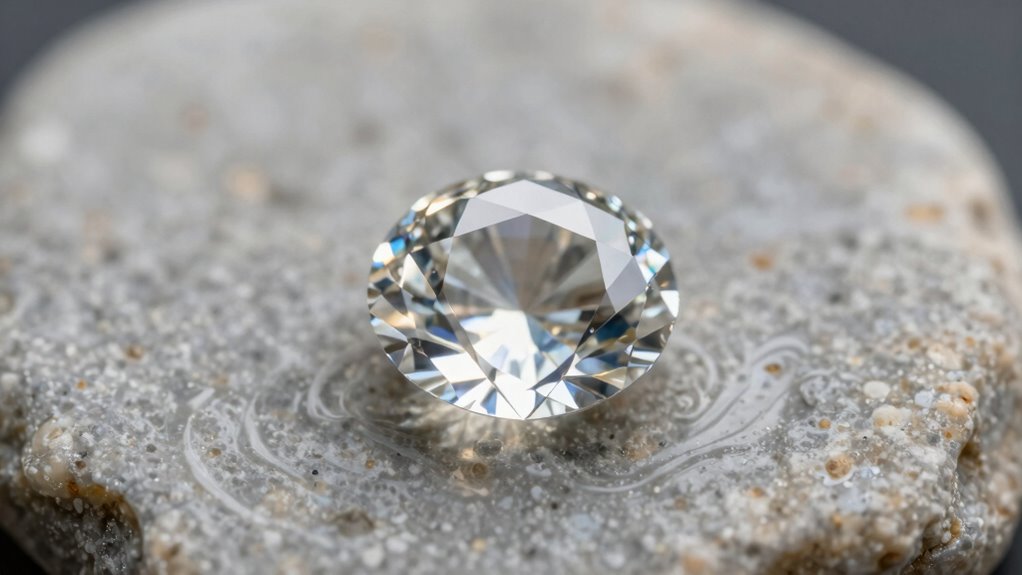
When choosing between diamond stones and water stones for sharpening, understanding their differences can help you make an informed decision. Both types have distinct advantages and challenges that can impact your sharpening experience, especially when it comes to edge retention, sharpening technique, and overall feel. Diamond stones are known for their speed; they cut through steel quickly, allowing you to reshape and hone edges in less time. This rapid material removal makes them ideal if you need quick results or are dealing with very dull or damaged blades. Water stones, on the other hand, sharpen more slowly but offer a different kind of control and feel, which can be advantageous for delicate or precise work. Their slower cutting action demands a more refined sharpening technique, helping you develop a better touch and control over the edge.
Edge retention plays a significant role in choosing your sharpening tool. Diamond stones tend to produce a sharper edge that lasts longer due to their aggressive cutting action and durability. This means that once you’ve sharpened your blade, it stays sharp for a good amount of time before needing another session. Water stones, however, often require more frequent sharpening, especially if you’re working with harder steels. But their finer grits can create a more refined edge, which some users prefer for tasks requiring precision. The maintenance of each stone type also varies; diamond stones are generally low-maintenance, as they don’t wear down easily and can be cleaned with simple methods. Water stones need soaking and regular flattening to maintain their flat surface, which ensures consistent sharpening. Additionally, the material properties of each stone influence their durability and performance over time. Proper understanding of abrasive materials can help prolong the life of your stones and improve your sharpening results. Furthermore, selecting the right stone based on sharpening goals can significantly impact your overall satisfaction with the process.
The feel of the stones under your hand influences your sharpening technique significantly. Diamond stones provide a firm, almost abrasive surface that offers immediate feedback, making it easier to gauge progress quickly. Water stones have a softer, more forgiving feel, giving you a smooth glide that allows for more nuanced control. This difference affects how you approach your sharpening—diamond stones might encourage faster, more aggressive passes, while water stones promote a more careful, deliberate touch. If you’re a beginner, water stones might help you develop a steady technique, but if you prefer speed and minimal fuss, diamond stones could be more suitable. Knowing the properties of abrasive materials and how they influence cutting action can help you choose the best tool for your sharpening style. Ultimately, your choice hinges on how you prefer to sharpen and the type of edge quality you aim for. Knowing these distinctions helps you pick the right stone for your needs, whether it’s speed, edge retention, or the feel of the sharpening process.
diamond sharpening stones for knives
As an affiliate, we earn on qualifying purchases.
As an affiliate, we earn on qualifying purchases.
Frequently Asked Questions
Which Type of Stone Is More Environmentally Friendly?
You’ll find water stones are more eco-friendly because they use natural or synthetic abrasive materials, making them better for sustainable sharpening. Diamond stones, while durable, often involve mining processes that impact the environment more. Water stones require less energy to produce and maintain, and they don’t need oils or chemicals, promoting eco-friendly materials and sustainable sharpening practices. So, choosing water stones helps reduce your environmental footprint.
How Do Diamond and Water Stones Compare in Cost Over Time?
You might think diamond stones cost more upfront, but over time, they’re more cost-efficient due to their longevity. Diamond stones maintain their edge longer, reducing the need for frequent replacements. Water stones, while cheaper initially, wear out faster and require more frequent resurfacing or replacement. So, in a longevity comparison, diamond stones save you money in the long run, making them a smarter investment for consistent, durable sharpening.
Can Water Stones Be Used on All Blade Types?
Water stones are versatile, but they may not suit all blade types due to blade compatibility concerns. They work well on softer metals and high-carbon steels, but can wear down more delicate blades over time. While water stones are generally durable, their stone durability varies depending on the grit and quality. Always check your blade’s material and manufacturer recommendations to guarantee safe and effective sharpening with water stones.
Are There Safety Concerns With Diamond Stones?
Yes, there are safety concerns with diamond stones. You should always follow safety precautions, like wearing safety glasses and gloves, to prevent injuries from sharp blades or accidental slips. Handle the stone carefully, keeping your fingers away from the abrasive surface, and use stable, secure surfaces for sharpening. Proper handling tips, like avoiding excessive pressure and working in a well-lit area, help guarantee safe, effective sharpening sessions.
How Do Storage Requirements Differ Between the Two?
Irony strikes again—you’d think storage would be straightforward, but water stones are moisture-sensitive, demanding a dry, airtight environment to prevent mold or cracking. Diamond stones, in contrast, boast impressive storage durability, tolerating various conditions without fuss. So, while water stones need tender loving care and moisture control, diamond stones are more resilient and easier to store, making your sharpening setup less of a headache.
As an affiliate, we earn on qualifying purchases.
Conclusion
Choosing between diamond stones and water stones is like picking the right tool for the job—each has its own rhythm and feel. Diamond stones cut through material like a hot knife through butter, offering speed and durability. Water stones provide a smoother, more forgiving sharpening experience, but require regular maintenance. Ultimately, your decision depends on your needs and preferences, but remember: the right stone can turn sharpening from a chore into a satisfying dance.
professional sharpening stone set
As an affiliate, we earn on qualifying purchases.
As an affiliate, we earn on qualifying purchases.
diamond and water stone comparison
As an affiliate, we earn on qualifying purchases.
As an affiliate, we earn on qualifying purchases.
Fall yard work Picks
leaf blowers
As an affiliate, we earn on qualifying purchases.