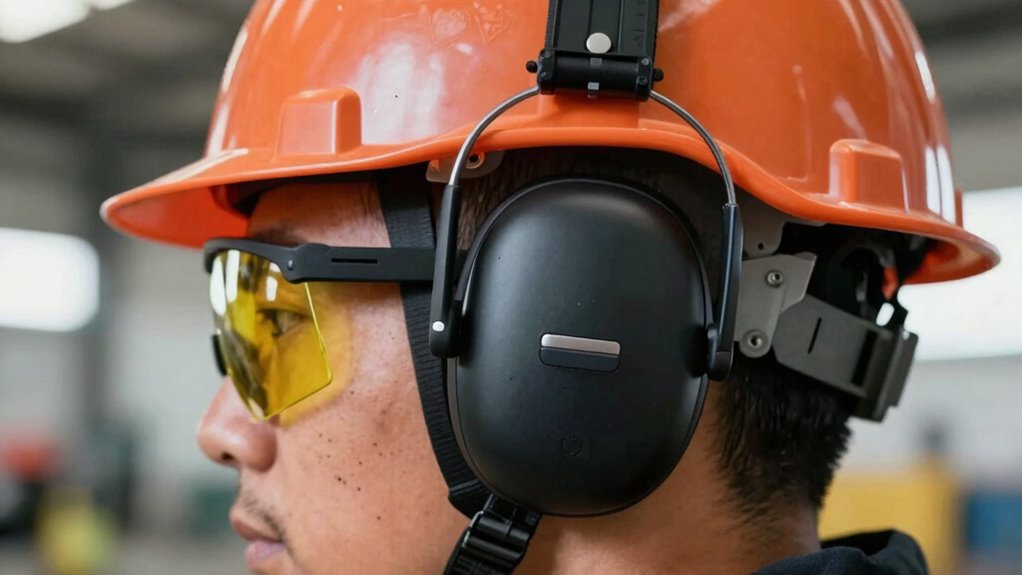

Bluetooth hearing protection can be useful by combining safety, sound clarity, and wireless connectivity, letting you listen to music or stay connected while working in noisy environments. However, it can also be distracting if notifications or calls interrupt your focus, potentially impacting safety. Balancing features like noise reduction and connectivity is key. Want to discover how to maximize benefits and minimize risks? Keep exploring to find advice tailored for your needs.

Get tools and workshop supplies delivered free — and shop member deals
- Fast, free delivery on millions of items
- Access to Prime Big Deal Days deals on October 6–7
- Prime Video, Amazon Music and more included
Key Takeaways
- Bluetooth hearing protectors enable communication and audio access while maintaining environmental awareness.
- Constant notifications and calls can distract users, potentially impacting safety in hazardous environments.
- Device features vary; some prioritize noise reduction, others focus on connectivity, influencing their suitability.
- Proper device selection balances noise attenuation, comfort, durability, and digital feature needs for specific environments.
- When used wisely, Bluetooth hearing protectors enhance safety and convenience without significant distraction risks.
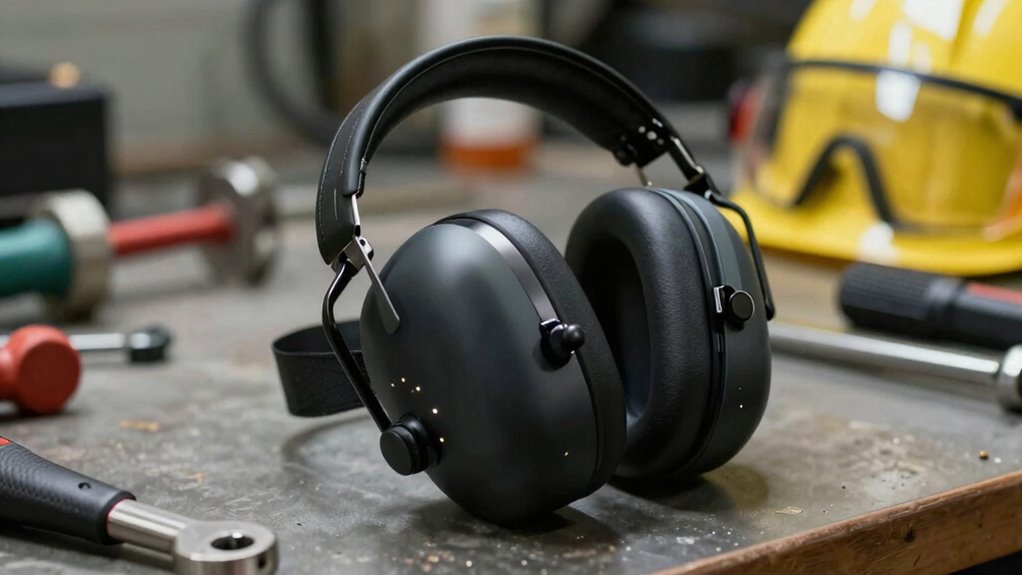
In today’s noisy world, protecting your hearing is more important than ever, especially if you work or spend a lot of time in loud environments. Hearing protection with Bluetooth has become increasingly popular, offering a blend of safety and convenience. These devices often feature noise reduction technology, which helps block out harmful sounds while allowing you to stay aware of your surroundings. With the right noise reduction, you can focus on your tasks or enjoy your environment without risking hearing damage. The addition of wireless connectivity means you can listen to music, take calls, or receive notifications without the hassle of cords. It’s a modern solution designed to keep you connected and protected at the same time.
Bluetooth hearing protectors combine safety, noise reduction, and wireless convenience for modern hearing protection.
However, the question is whether these devices are truly useful or if they become a distraction. For many, the appeal lies in the seamless wireless connectivity that lets you stay in touch without removing your ear protection. Imagine working on a noisy construction site or in a loud factory, yet still being able to communicate with colleagues or hear important alerts. That’s the advantage of Bluetooth hearing protectors—they combine safety with functionality. Yet, some argue that constant connectivity could lead to distraction, especially if notifications or calls interrupt your focus. It’s easy to get sidetracked when your device buzzes or rings, potentially compromising safety if you’re not paying full attention. Understanding distraction risk can help determine when these devices might be more beneficial than problematic.
Moreover, not all Bluetooth hearing protection devices are created equal. Some prioritize noise reduction and sound clarity, while others emphasize features like wireless connectivity at the expense of comfort or durability. You need to consider your specific environment and how much you rely on digital features. If your main goal is maximum noise reduction, some devices might sacrifice sound quality or connectivity stability. Conversely, if staying connected is vital, you might accept a slight compromise on noise reduction levels. Additionally, understanding noise reduction technology can help you choose a device that best fits your needs. Effective noise management plays a crucial role in ensuring safety and comfort. It’s also important to evaluate the durability and comfort of these devices, especially for prolonged use in demanding environments. Being aware of the technological features can also assist in selecting the most suitable device.
Ultimately, whether hearing protection with Bluetooth is useful or distracting depends on your priorities. If you value convenience and staying connected without sacrificing hearing safety, these devices can be incredibly beneficial. They allow you to communicate, listen, and monitor your environment more easily. But if you find notifications or calls distracting, or if your work demands undivided attention, you might prefer simpler, traditional hearing protection options. It’s all about balancing your need for noise reduction and wireless connectivity with your focus and safety requirements. When chosen wisely, Bluetooth hearing protectors can be a valuable tool rather than a distraction.
Bluetooth hearing protection headphones
As an affiliate, we earn on qualifying purchases.
As an affiliate, we earn on qualifying purchases.
Frequently Asked Questions
Are Bluetooth Hearing Protection Devices Safe for Long-Term Use?
Bluetooth hearing protection devices are generally safe for long-term use if you choose reputable brands. They pose minimal health implications when used responsibly, avoiding prolonged exposure to loud volumes. Guarantee the device’s durability to withstand daily wear and tear, and regularly check for any technical issues. As long as you follow manufacturer guidelines and take breaks from prolonged use, these devices can be a safe, convenient choice for ongoing hearing protection.
How Do Bluetooth-Enabled Earplugs Affect Ambient Sound Awareness?
Bluetooth-enabled earplugs are like a filter for your senses, reducing ambient sound and enhancing your hearing experience. They help you maintain situational awareness by allowing you to hear important sounds like voices or alarms, while blocking out background noise. This balance keeps you aware of your surroundings without distraction. So, these devices support safe, effective hearing protection without compromising your ability to stay alert.
Can Bluetooth Hearing Protection Interfere With Emergency Alerts?
Bluetooth hearing protection can potentially interfere with emergency alerts if the device’s settings or connection interfere with alert signals. This can compromise hearing protection safety, especially in environments where timely alerts are critical. To guarantee safety, you should choose devices that prioritize emergency alert compatibility and regularly check settings. Being proactive helps prevent emergency alert interference, maintaining both hearing protection and safety in critical situations.
What Is the Battery Life of Bluetooth Hearing Protection Devices?
They say “don’t put all your eggs in one basket,” and that’s true for Bluetooth hearing protection devices. Typically, their battery performance lasts between 8 to 20 hours, depending on usage. Most models have a charging duration of about 2 to 4 hours. To keep them ready, it’s smart to charge them overnight or during breaks, ensuring you’re never caught off guard when you need them most.
Are Bluetooth Hearing Protectors Compatible With All Smartphone Models?
Bluetooth hearing protectors are generally compatible with most smartphone models, but compatibility issues can arise depending on your device’s Bluetooth version and the protector’s features. You might experience device connectivity problems if your phone uses an outdated Bluetooth version or if there are interference issues. To guarantee smooth pairing, check the compatibility specifications of the hearing protector and your smartphone before purchasing, and keep your device’s software updated.
noise cancelling Bluetooth ear protection
As an affiliate, we earn on qualifying purchases.
As an affiliate, we earn on qualifying purchases.
Conclusion
Ultimately, Bluetooth hearing protection is like a double-edged sword—offering the convenience of staying connected while shielding your ears. But remember, it’s easy to get lost in the digital noise and forget the real world around you. Use it wisely, like a skilled sailor steering through a storm, balancing safety and connectivity. When you do, you’ll find these devices can be a helpful tool rather than a distracting distraction.
wireless hearing protection with noise reduction
As an affiliate, we earn on qualifying purchases.
As an affiliate, we earn on qualifying purchases.
Bluetooth ear muffs for industrial safety
As an affiliate, we earn on qualifying purchases.
As an affiliate, we earn on qualifying purchases.
Fall Picks
fall essentials
As an affiliate, we earn on qualifying purchases.