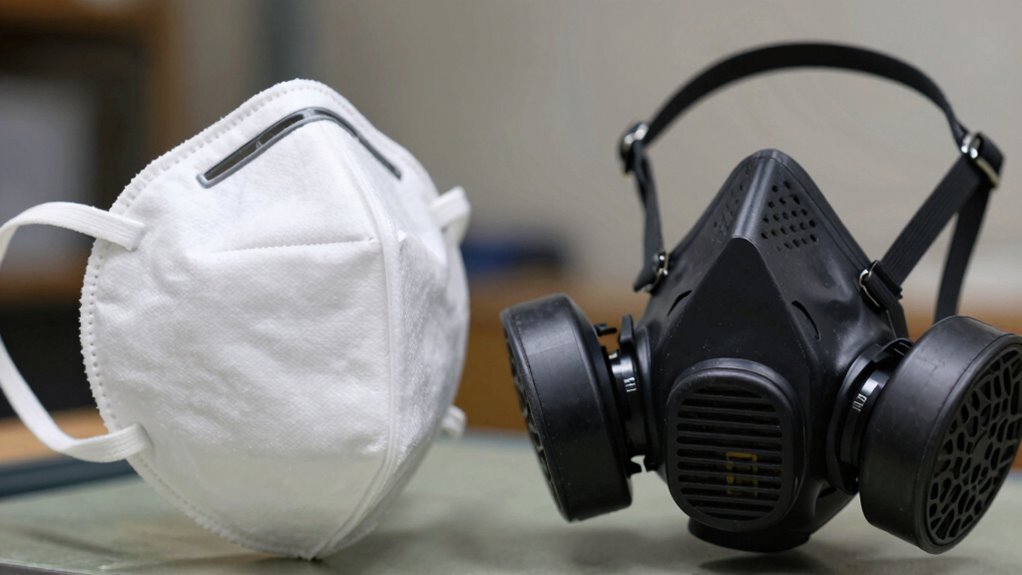

Choosing between a dust mask and a respirator depends on your protection needs. Dust masks are affordable, lightweight, and good for casual tasks like sweeping or dusting. Respirators offer higher filtration and a tighter fit, making them suitable for hazardous environments or prolonged use. Proper fit and filtration efficiency are key to safety. To make sure you’re protected, understanding these differences can help you pick the right one for your situation—learn more if you want better safety insights.
Key Takeaways
- Respirators provide higher filtration efficiency and a tighter seal than dust masks, offering better protection against hazardous airborne particles.
- Dust masks are inexpensive, lightweight, and suitable for low-risk tasks, while respirators are more costly but necessary for prolonged or hazardous exposure.
- Proper fit is critical for respirators to ensure effective protection, whereas dust masks are less dependent on a tight seal.
- Respirators often meet strict standards like NIOSH or CE, ensuring reliable filtration; dust masks may lack formal certification.
- Choose a respirator for industrial, medical, or high-risk environments, and a dust mask for basic household dust and short-term use.

3M 8511 Drywall Sanding N95 Cool Flow Valved Disposable Respirator, 10-Pack
- Filtration Efficiency: NIOSH-Approved N95 for 95% filtration
- Intended Uses: Sanding, drywall, woodworking, yard work
- Breathability: Advanced electrostatic media for easy breathing
As an affiliate, we earn on qualifying purchases.
As an affiliate, we earn on qualifying purchases.
Which Mask Is Right for You? Dust Masks or Respirators?
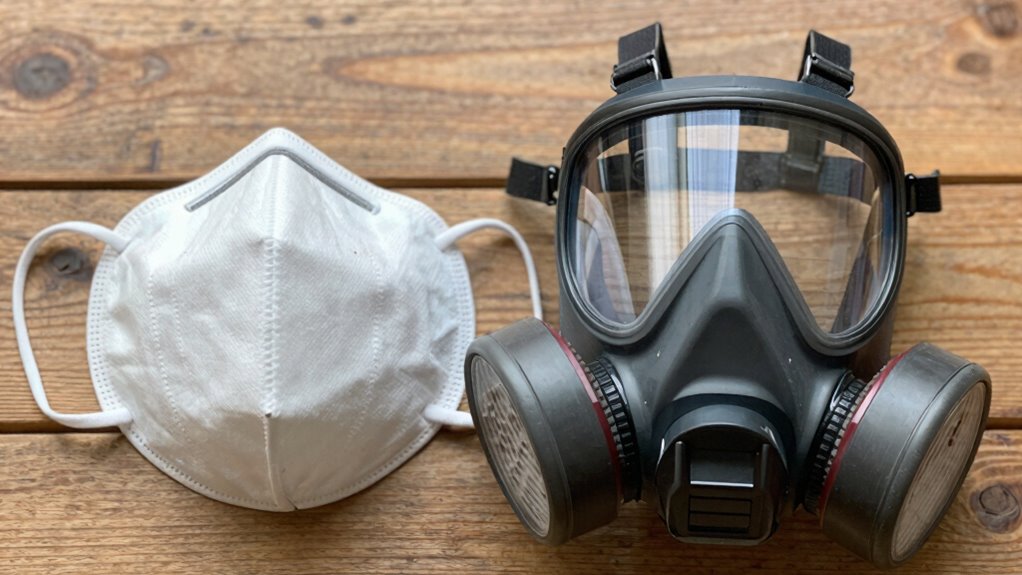
Choosing the right mask depends on the level of protection you need. If you’re prioritizing cost considerations, dust masks are typically less expensive and more budget-friendly. They’re lightweight and easy to wear for short periods, offering basic protection against dust and particles. Usage comfort also plays a big role; dust masks tend to be more comfortable for extended wear because they’re less bulky. However, if you require higher filtration efficiency or plan to wear the mask for longer durations, respirators might be the better choice, despite their higher cost. Respirators can provide a tighter fit and better protection, but they may feel less comfortable over time. Consider your specific needs, comfort level, and budget before making a decision. Proper fit and correct usage are essential to ensure maximum effectiveness of either type of mask.

AirGearPro G-500 Reusable Respirator Mask with A1P2 Filters | Anti-Dust Mask Ideal for Painting, Woodworking, Construction, Sanding, Spraying, Chemicals, DIY etc
- Protection Certification: CE certified for safety during various tasks
- Dual Filtration System: Filters vapours and airborne particles
- Reusable Design: Replaceable filters for extended use
As an affiliate, we earn on qualifying purchases.
As an affiliate, we earn on qualifying purchases.
When Should You Use a Dust Mask Versus a Respirator?
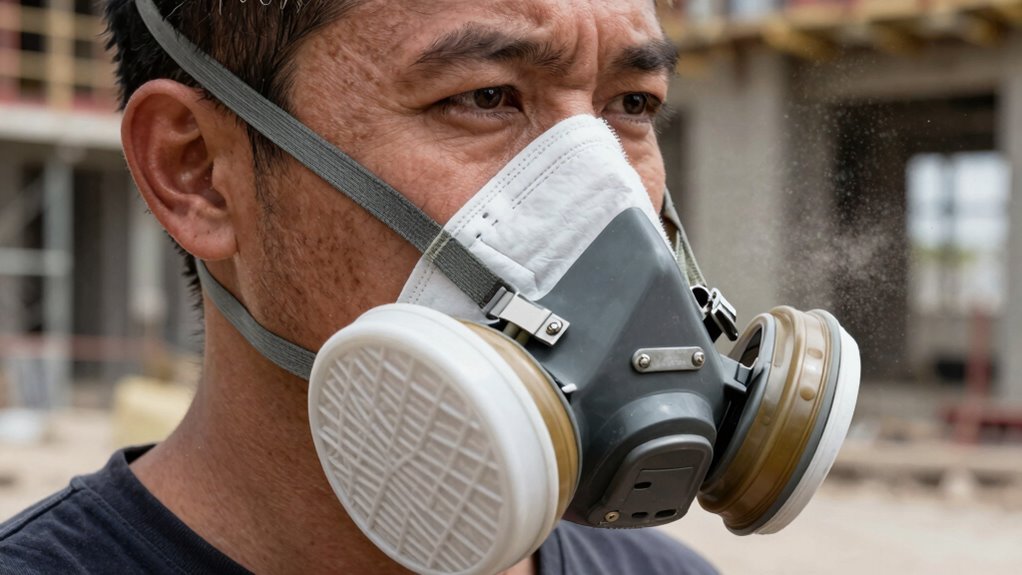
You should use a dust mask when you’re dealing with common household tasks like sweeping, dusting, or working in environments with minimal airborne particles. Dust masks are suitable for light-duty protection in settings such as home improvement projects or minor cleaning. For industrial use, where airborne particles are more concentrated or hazardous, a respirator provides higher filtration and a secure fit. In medical applications, dust masks help prevent the spread of germs during routine care, but they aren’t a substitute for specialized respirators used for airborne infection isolation. Use a dust mask for low-risk tasks and a respirator when exposure to hazardous dust, fumes, or airborne contaminants is significant. Choosing the right mask depends on the level of protection needed for your specific environment, especially considering the importance of air filtration in ensuring safety.

Full Face Organic Vapor Respirator – Protective Eye & Nose Shield with Anti-Fog Heavy Duty Lens & Adjustable – Chemical, & Particulate Respirator. Includes 2 Filter Cartridges – Industrial Grade
- Lightweight, Ergonomic Design: Comfortable fit with airtight silicone seal
- Anti-Fog Heavy Duty Lens: Clear vision in challenging environments
- Adjustable Fit: Customizable for secure comfort
As an affiliate, we earn on qualifying purchases.
As an affiliate, we earn on qualifying purchases.
What Are the Main Differences Between Dust Masks and Respirators?
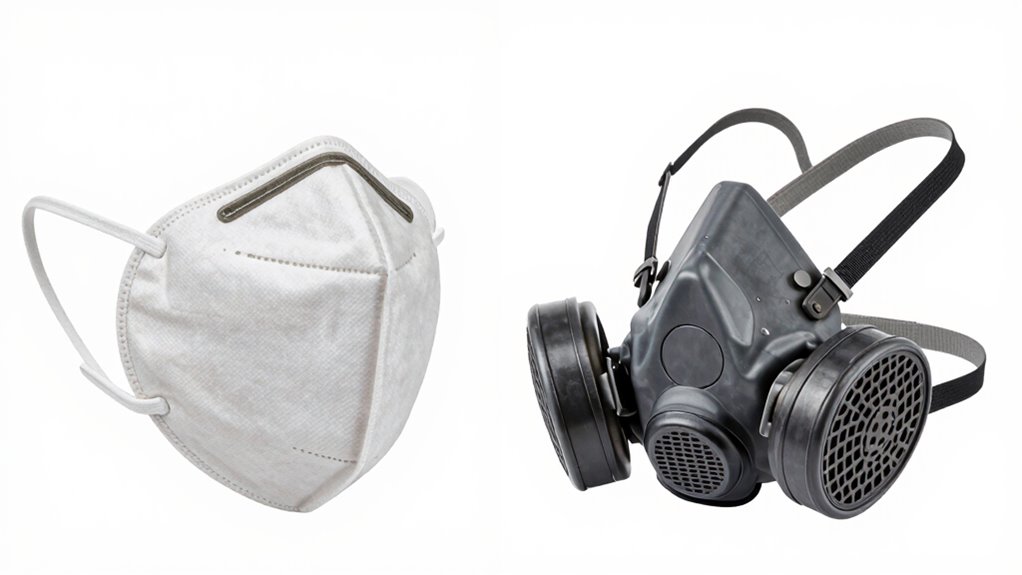
Dust masks and respirators serve different levels of protection, with key differences in design, filtration efficiency, and fit. Dust masks are typically made from simple materials like non-woven fabric, offering basic filtration. Respirators, however, use advanced materials designed to meet strict certification standards, providing higher filtration efficiency and a better seal. The table below highlights these distinctions:
| Aspect | Dust Mask | Respirator |
|---|---|---|
| Material Differences | Basic non-woven fabrics | Specialized, multi-layer filters |
| Certification Standards | Generally unregulated | Must meet standards like NIOSH or CE |
Understanding these differences helps you choose the right protection for your specific needs. Filtration materials are an important factor in determining the effectiveness of both dust masks and respirators.

LEMENT 50pcs KN95 Face Mask Black 5-Layer Filter≥95% Cup Dust Safety Masks
- Non-medical KN95 Masks: Made of multi-layer non-woven and melt-blown fabric
- 3D Face Fit Design: Ensures tight seal and safety with adjustable nose clip
- Comfortable Fit: Elastic ear loops reduce pressure and improve comfort
As an affiliate, we earn on qualifying purchases.
As an affiliate, we earn on qualifying purchases.
How Filtration Capabilities and Fit Affect Your Protection
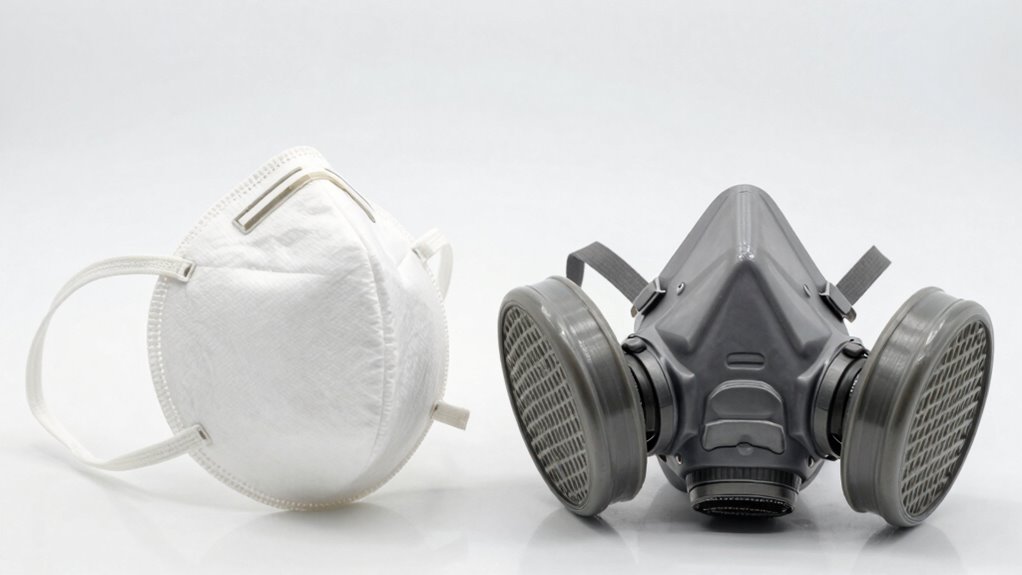
Have you ever wondered how the filtration capabilities and fit of a mask influence your level of protection? Your protection depends heavily on filtration efficiency and fit accuracy. A mask with high filtration efficiency can block smaller particles, preventing inhalation of harmful contaminants. However, even the best filter won’t help if the mask doesn’t fit well. An improper fit creates gaps, allowing unfiltered air to enter and compromise your safety. Effective filtration methods are essential for ensuring that your mask provides adequate protection against airborne hazards.
A mask’s fit and filtration efficiency are crucial for effective protection against airborne hazards.
- Proper fit ensures minimal leaks and maximum protection.
- Filtration efficiency determines what particles are filtered out.
- Tight seals prevent airborne contaminants from bypassing the filter.
- A well-fitting mask maintains consistent protection during movement.
Understanding these factors helps you choose a mask that provides reliable defense against hazards, emphasizing both filtration capabilities and fit accuracy for maximum safety.
Tips for Choosing the Best Respiratory Mask for Your Needs
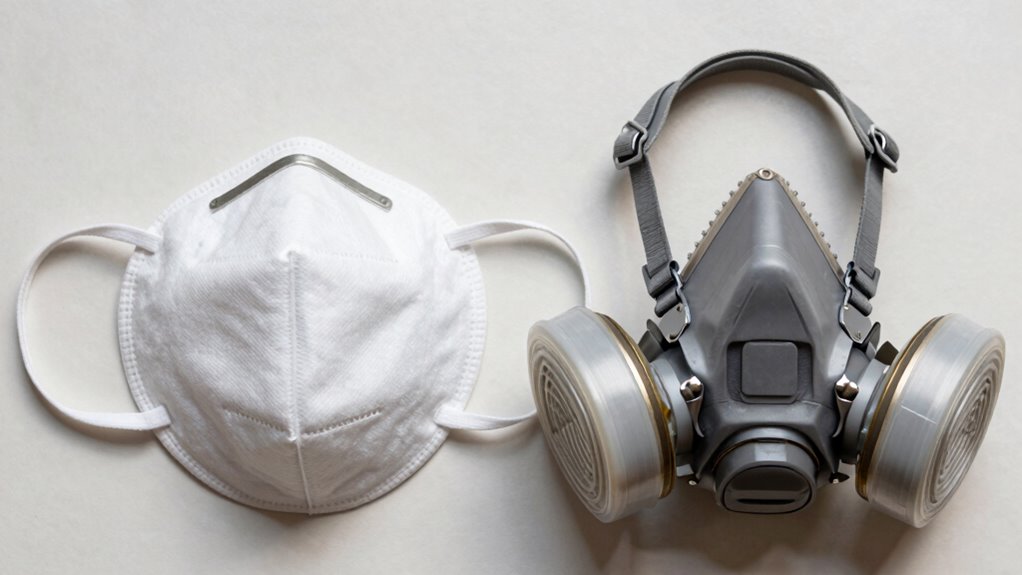
Choosing the right respiratory mask begins with evaluating your specific needs and the hazards you face. Consider the type of particles or fumes you’ll encounter and select a mask that meets relevant regulatory standards. Pay attention to mask materials, as durability and comfort vary; some materials are more suitable for prolonged use or sensitive skin. Confirm the mask’s filtration efficiency aligns with your protection requirements. Use the following table to compare options:
| Mask Type | Material Features | Regulatory Standards |
|---|---|---|
| Disposable | Lightweight, synthetic fibers | NIOSH, OSHA |
| Reusable | Silicone, rubber, filters | EN149, ANSI |
| Half Face | Adjustable straps, durable | CSA, AS/NZ |
Matching mask type with your needs ensures protection and comfort, as well as compliance with safety standards.
Frequently Asked Questions
Can Dust Masks Be Reused Safely After Exposure to Contaminants?
You shouldn’t reuse dust masks after exposure to contaminants because reusable safety gear can carry contamination risks. Once a dust mask has been exposed to dust or airborne particles, it’s best to replace it to guarantee continued protection. Reusing contaminated masks might expose you to health hazards. Always inspect your mask, and if in doubt, dispose of it and use a new one to maintain safety and hygiene.
Are There Specific Industries Where Respirators Are Legally Mandated?
You’ll find that respirators are legally mandated in industries like construction, healthcare, and manufacturing, where exposure to hazardous particles or fumes is common. Industrial regulations emphasize workplace safety, requiring proper respiratory protection to prevent health risks. By adhering to these rules, you guarantee safety for yourself and coworkers. Always check specific regulations for your industry, as compliance helps maintain a safe working environment and avoids penalties.
How Do You Properly Dispose of Used Respirators and Dust Masks?
You should properly dispose of used respirators and dust masks by sealing them in a plastic bag and throwing them in the trash, especially if contaminated. If they’re reusable, follow the manufacturer’s cleaning instructions for reuse safety. Always wash your hands afterward to prevent contamination. Proper disposal helps prevent the spread of germs and maintains safety, ensuring you protect yourself and others in your environment effectively.
Can a Dust Mask Provide Any Protection Against Airborne Viruses?
A dust mask offers limited protection against airborne viruses because its mask filtration isn’t designed for viral transmission. While it can help block larger droplets, it doesn’t filter tiny airborne particles effectively. For better protection, especially against viruses, you should opt for a respirator with a proper fit and high filtration efficiency. This guarantees you’re better shielded from airborne viruses and reduces the risk of viral transmission.
What Maintenance Is Required to Ensure Respirator Effectiveness Over Time?
Think of your respirator as a trusted shield that needs regular care. You should inspect the filter for dirt or damage before each use and replace it as recommended. Also, check the straps and adjust them to fit snugly, ensuring a proper seal. Regular maintenance like this keeps your respirator effective, just like tuning a finely crafted instrument, so it performs when you need it most.
Conclusion
Choosing between a dust mask and a respirator depends on your needs. Think of it as selecting the right shield for your journey—one offers a gentle barrier, while the other provides a more robust defense. By understanding their differences, you can better guard your health like a careful traveler. Remember, the right mask isn’t just about protection; it’s about feeling confident and prepared as you face whatever comes your way.