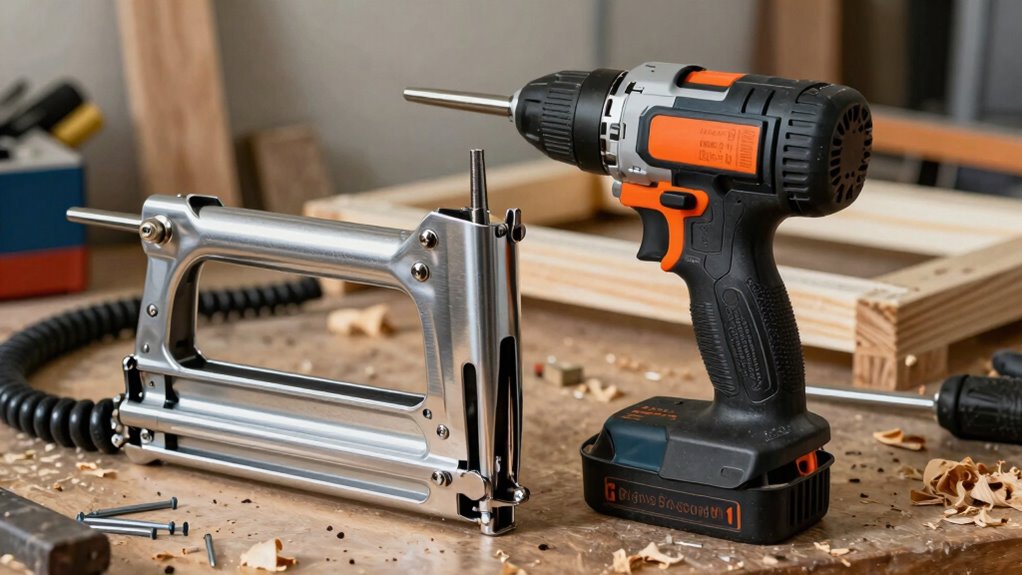

Choosing between pneumatic and cordless nailers affects your workflow and comfort. With pneumatic tools, you’ll get consistent power and handle larger nails, but you’ll need a reliable air compressor, which adds weight and requires maintenance. Cordless models are lightweight and portable, making them easier to maneuver and ideal for tight spaces, but may struggle with dense materials. If you want to learn exactly how these differences impact your projects, keep exploring the details.

Get business pricing on tools and workshop supplies
- Business-only prices and quantity discounts
- Tax-exempt purchasing
- Multiple users, one account, clear invoices
Key Takeaways
- Power source impacts mobility: pneumatic nailers require hoses and compressors, while cordless models offer greater portability and access in tight spaces.
- Weight and ergonomics differ: pneumatic nailers are heavier and may cause fatigue, whereas cordless tools are lighter and easier to handle.
- Maintenance routines vary: pneumatic nailers need regular cleaning, oiling, and leak checks; cordless models mainly require battery care.
- Performance consistency: pneumatic nailers deliver steady, high force suitable for heavy-duty tasks, while cordless models may struggle with dense materials.
- Setup and workflow speed: cordless nailers reduce prep time and enable quicker transitions between jobs, improving overall productivity.

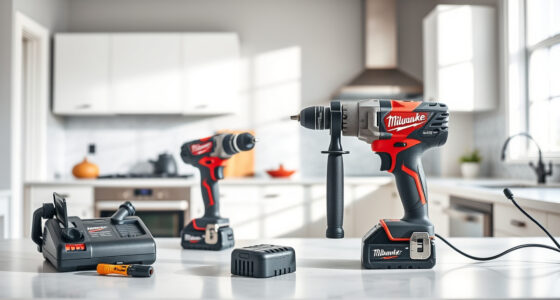
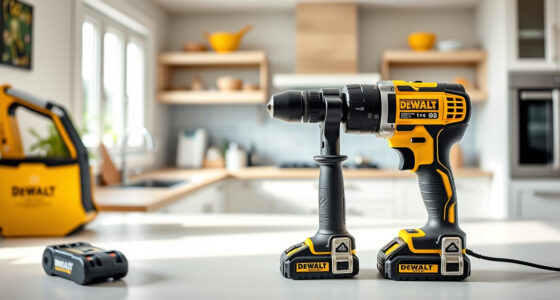
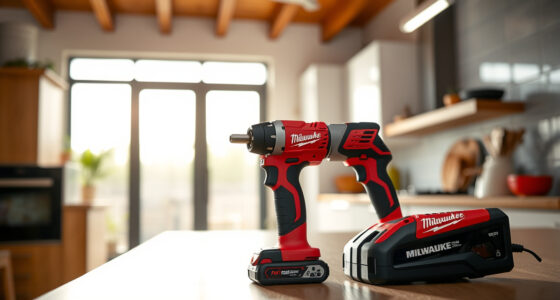
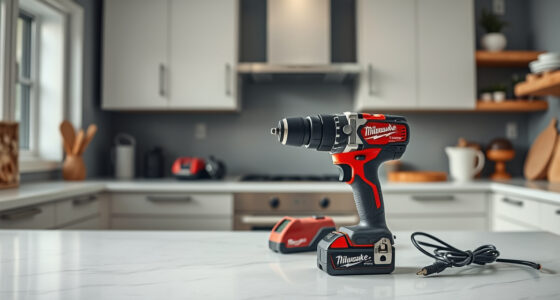
When choosing between pneumatic and cordless nailers, understanding their differences can make a considerable impact on your project’s efficiency and ease. One of the most noticeable differences is how they feel and handle during use. Pneumatic nailers often have a more substantial, rugged design, which can impact ergonomics. They tend to be heavier and require a stable air compressor setup, so long sessions might tire you out faster. Cordless nailers, on the other hand, are usually more compact and lightweight, offering better maneuverability, especially when working in tight or awkward spaces. This improved ergonomics means less fatigue and more precise control, which is critical for detailed work or prolonged projects. Additionally, the power source of each type influences their portability and convenience, impacting how and where you can work effectively. Maintenance is another key factor that influences your choice. Pneumatic nailers require more upkeep because they rely on an air compressor and hoses, which need regular checks for leaks and dirt. You’ll need to clean the tool frequently and ensure the air filters are functioning properly to prevent dust and debris from damaging internal components. Additionally, oiling the nailer periodically keeps the internal parts lubricated, reducing wear and extending the tool’s lifespan. The maintenance routine for pneumatic tools can be more involved compared to cordless options, which are generally designed for quick and easy upkeep. Regularly checking for air leaks and maintaining proper pressure levels is crucial to keep pneumatic tools performing optimally. Cordless nailers are simpler in this regard—they don’t involve hoses or compressors, so they generally need less maintenance. You mainly need to keep the battery charged and occasionally clean the nosepiece to prevent jams. This simplicity makes cordless nailers more convenient for quick jobs or if you prefer a low-maintenance tool. Moreover, advancements in battery technology have made cordless models increasingly powerful, narrowing the performance gap with pneumatic options. Performance also shifts between the two. Pneumatic nailers usually provide more consistent power and can handle larger nails or more demanding tasks without losing force. They’re ideal for heavy framing or projects requiring high precision and force. Cordless models have improved markedly but might still struggle a bit with very dense materials or when forcing larger nails. However, their portability means you don’t have to drag around hoses or worry about compressor availability, which can speed up your workflow and reduce setup time.
Pneumatic nailers are rugged and powerful but heavier; cordless models offer better maneuverability and less fatigue for detailed work.
Ultimately, your decision hinges on what matters most for your projects. If you prioritize strength, durability, and don’t mind the extra maintenance, a pneumatic nailer might be your best bet. But if you need mobility, easier handling, and lower upkeep, a cordless model could be more suitable. Both types alter your work experience in meaningful ways, affecting ergonomics, maintenance routines, and overall productivity. Understanding these differences helps you choose the right tool for your specific needs, making your work smoother and more efficient.
pneumatic nailer with air compressor
As an affiliate, we earn on qualifying purchases.
As an affiliate, we earn on qualifying purchases.
Frequently Asked Questions
How Long Do Cordless Nailers Typically Run on a Single Charge?
Cordless nailers typically run between 50 to 150 nails per charge, depending on battery life and nail size. When it’s time to recharge, charging time varies from about 30 minutes to a few hours. To maximize your work, keep an eye on the battery indicator and plan your tasks around the battery’s capacity. Investing in extra batteries can help guarantee you don’t run out of power mid-project.
Are Pneumatic Nailers Safer Than Cordless Options?
Pneumatic nailers are generally safer than cordless options if you follow proper safety protocols. They tend to have lower noise levels, reducing hearing damage risk, and their design minimizes accidental firing. However, they call for careful handling of hoses and compressed air. Cordless nailers eliminate hoses, but you should still wear safety gear and follow manufacturer guidelines to prevent misfires or injuries. Proper training ensures safe operation regardless of the tool type.
Can I Use Pneumatic Nailers Indoors Without Ventilation?
You shouldn’t use pneumatic nailers indoors without proper ventilation. They produce dust and fumes that can accumulate quickly, posing health risks. Guarantee good indoor ventilation and implement dust management strategies like using dust collection systems or wearing a mask. Proper ventilation helps remove airborne particles, keeping your workspace safer. Always follow safety guidelines and manufacturer instructions to protect yourself from potential hazards associated with indoor pneumatic nailing.
What Maintenance Is Required for Cordless Nailers?
Think of your cordless nailer as a garden needing regular tending. You should clean the tool after each use, inspecting for debris, and make sure the battery contacts stay clean to prolong battery lifespan. Follow a maintenance schedule that includes checking the battery, lubricating moving parts, and replacing worn-out components. This routine keeps your nailer running smoothly, preventing unexpected breakdowns and extending its life, so you can keep building without interruption.
Do Pneumatic Nailers Require Special Compressors?
Yes, pneumatic nailers do require specific air compressors. You need to guarantee air compressor compatibility, meaning the compressor’s CFM and PSI match the nailer’s requirements for ideal performance. Keep in mind, pneumatic nailers tend to have a higher noise level compared to cordless models, so hearing protection might be necessary. Choosing the right compressor helps you avoid delays and maintains efficiency on the job site.
As an affiliate, we earn on qualifying purchases.
Conclusion
So, whether you’re a seasoned carpenter or a weekend warrior, choosing between pneumatic and cordless nailers boils down to your needs. Pneumatics offer power and reliability, while cordless models bring freedom and convenience—like having a trusty steed versus a modern Tesla. Remember, no matter your choice, understanding the job at hand makes all the difference. Just don’t forget, even in this tech-savvy age, a good nailer is your best friend in the workshop—no DeLorean required.
best cordless nailer for tight spaces
As an affiliate, we earn on qualifying purchases.
As an affiliate, we earn on qualifying purchases.
air compressor for pneumatic tools
As an affiliate, we earn on qualifying purchases.
As an affiliate, we earn on qualifying purchases.
Halloween Picks
halloween
As an affiliate, we earn on qualifying purchases.