Understanding the difference between crosscuts and rip cuts is key to making accurate, quality cuts. Crosscuts cut perpendicular to the grain, creating smooth edges ideal for finishing, while rip cuts run parallel to the grain, useful for sizing and splitting. Your choice influences the strength, finish, and durability of your project. Mastering both techniques ensures cleaner cuts and better results—if you keep exploring, you’ll learn how to choose and execute the right cut for any job.

Get business pricing on tools and workshop supplies
- Business-only prices and quantity discounts
- Tax-exempt purchasing
- Multiple users, one account, clear invoices
Key Takeaways
- Crosscuts cut perpendicular to the grain for smooth, precise edges, ideal for finishing and detailed work.
- Rip cuts run parallel to the grain, maintaining strength and used for sizing or splitting boards.
- Proper blade selection (fine-tooth vs. rip blades) enhances cut quality and reduces splintering.
- Cutting along the grain preserves wood strength, while crosscuts improve surface finish and joint accuracy.
- Choosing the correct cut direction impacts project durability, appearance, and structural integrity.
As an affiliate, we earn on qualifying purchases.
What’s the Difference Between Crosscuts and Rip Cuts?
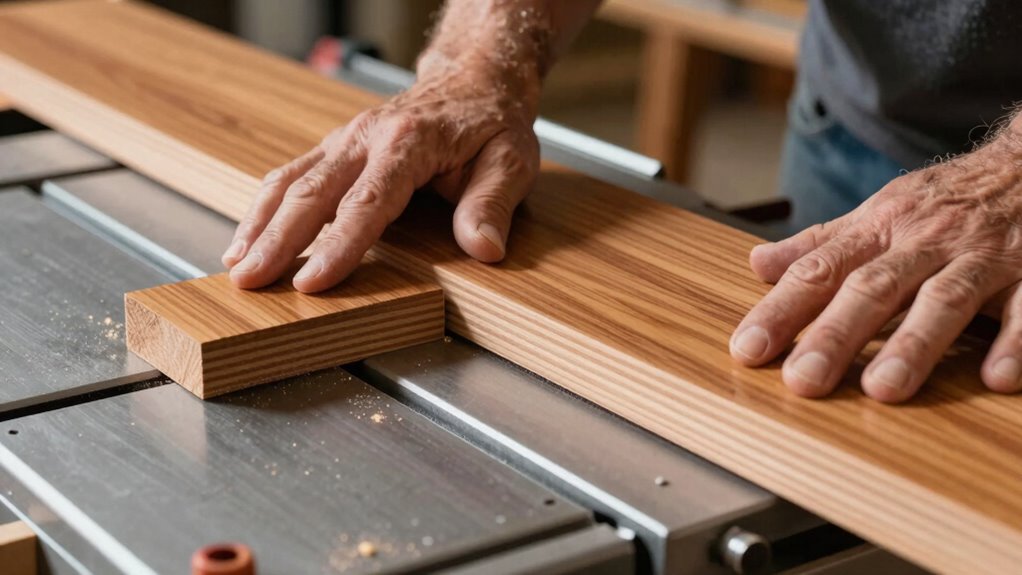
Understanding the difference between crosscuts and rip cuts is essential for any woodworking project. Crosscuts are made perpendicular to the wood’s grain orientation, allowing you to cut across the fibers cleanly. This type of cut is ideal for shortening boards or creating smooth, precise edges. You might also consider the importance of grain direction when planning your cuts, as it influences the finish quality. Recognizing the grain orientation helps you determine the best cutting method to minimize splintering and ensure a clean cut. Proper cutting techniques are vital for achieving professional results and preventing damage to your materials. Additionally, choosing the right saw and blade type based on your cut can greatly affect the outcome. Rip cuts, on the other hand, run parallel to the grain, following the wood’s natural fiber direction. They’re used to split or narrow boards to desired widths. Your cutting techniques vary based on the type of cut—crosscuts often require a saw with a fine tooth or a miter saw, while rip cuts benefit from a rip blade or a table saw. Recognizing these differences helps ensure your cuts are accurate, clean, and suited to the wood’s grain, avoiding splintering or rough edges. Proper cutting techniques are vital for achieving professional results and preventing damage to your materials. Incorporating safety precautions during cutting is essential to prevent accidents and ensure precision.
As an affiliate, we earn on qualifying purchases.
When Should You Use a Crosscut for a Precise, Clean Edge?
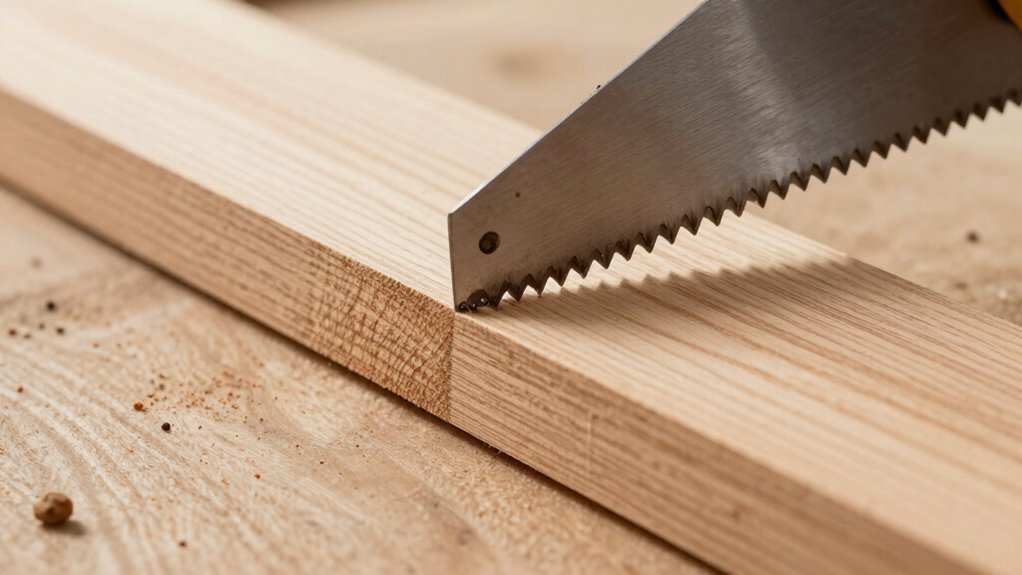
Use a crosscut when the grain direction is important for a clean edge, ensuring a smooth finish. If your project demands a precise cut for an edge joint or fine finish, a crosscut is the best choice. This helps maintain quality and accuracy in your work. Additionally, choosing the right cutting technique can optimize the performance of your tools and improve the overall results.
Precise Grain Direction
When precision matters, choosing a crosscut is essential for achieving a clean, accurate edge. Proper grain alignment plays a vital role in ensuring the cut’s accuracy and smoothness. Cutting across the grain minimizes tear-out, producing a cleaner surface and better cut aesthetics. If the grain runs parallel to your cut line, the wood may chip or splinter, compromising the finish. Using a crosscut when the grain direction is perpendicular helps you maintain control and achieve a precise, professional look. This approach reduces the risk of uneven edges or rough surfaces, especially on delicate or detailed projects. By understanding the grain direction, you can select the best cut method, ensuring your work looks polished and meets your exacting standards. Connected tools and techniques can further enhance your cutting accuracy and overall project quality.
Fine Finish Requirements
Achieving a fine finish often requires precise cuts that enhance the overall appearance of your project. When aiming for superior finish quality, a crosscut is your best choice for creating clean, accurate edges. Crosscuts cut perpendicular to the grain orientation, reducing tear-out and splintering that can mar the surface. This is especially important when the final look depends on smooth, crisp lines. Using a crosscut for detailed or visible edges ensures a professional, polished appearance. It minimizes roughness and maximizes the quality of the cut surface. If your project demands a refined finish, opting for a crosscut helps attain the clean, smooth edge necessary to elevate your craftsmanship and deliver a flawless result. Proper cutting techniques are essential for preserving the integrity of the material and achieving the desired aesthetic quality. Additionally, understanding the grain direction can help you decide when a crosscut will produce the best results for a polished, professional look.
Edge Joint Quality
A crosscut is vital for producing a precise, clean edge when joining boards, especially in projects that require tight, seamless fits. Using a crosscut ensures better grain alignment along the cut, reducing splintering and improving edge smoothness. This technique also helps prevent tear-out, which is crucial for achieving professional-quality results. Additionally, grain direction plays a significant role in how cleanly a cut can be made, further emphasizing the importance of crosscutting in woodworking. This makes the joint stronger and visually appealing. When aiming for high-quality edge joints, consider these points:
- Crosscuts minimize tear-out, preserving clean edges.
- They help maintain consistent grain orientation for seamless joins.
- A smooth edge reduces sanding time and enhances finish quality.
- Precise cuts improve fit and stability in the final assembly.
Choosing a crosscut for edge joints is ideal when you need accuracy, a smooth finish, and superior grain alignment, ensuring your project looks professional and lasts longer.
As an affiliate, we earn on qualifying purchases.
When Is a Rip Cut Better for Sizing or Splitting Lumber Along the Grain?
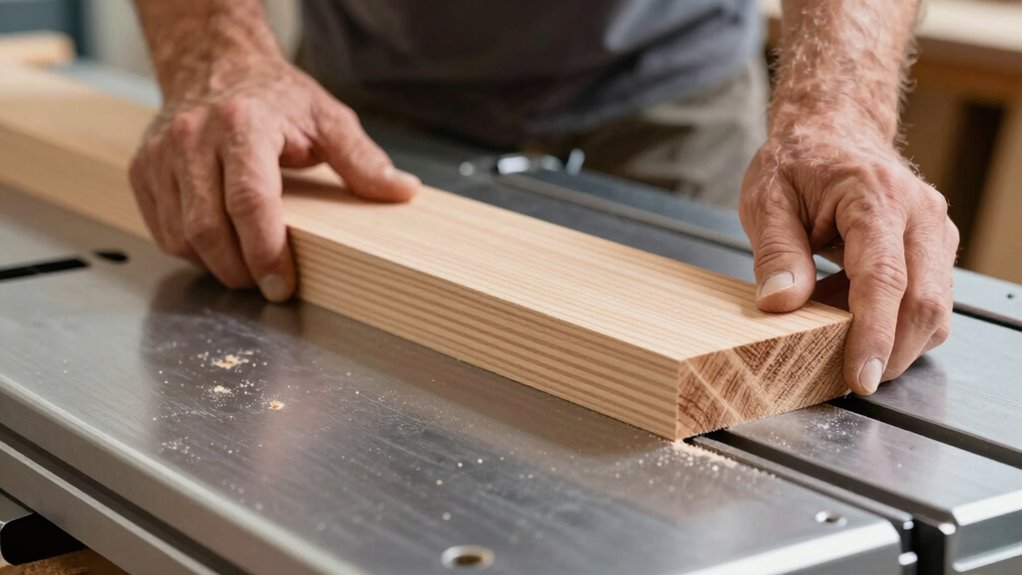
Rip cuts are ideal when you need to size or split lumber along the grain for strength or specific dimensions. They help you efficiently separate or shape wood without damaging the fibers. Understanding when to use a rip cut guarantees better results and more accurate project outcomes. Additionally, using the correct cutting technique ensures the longevity of your tools and the quality of your work. Properly aligning your saw blade and maintaining consistent pressure are essential for achieving clean, precise cuts.
When to Use Rip Cuts
Rip cuts are ideal when you need to shape or split lumber precisely along the grain, especially for sizing boards or creating custom widths. The key is understanding grain orientation and selecting the right blade. Use a rip blade designed for straight cuts along the grain to guarantee a clean, accurate finish. Consider these points:
- Match blade selection to the type of wood for maximum results
- Ensure the grain runs parallel to the cut line
- Use a straightedge or guide for consistent width
- Keep your saw blade sharp to prevent splintering
- Being aware of grain direction helps you make more precise cuts and avoid splintering or uneven edges. Additionally, understanding cutting techniques can improve your overall accuracy and safety during woodworking projects.
Knowing when to use rip cuts helps you achieve precise dimensions and clean splits. It’s especially important when working with lumber that requires splitting or sizing along its natural grain, ensuring your project stays accurate and professional-looking.
Benefits for Grain Splitting
Using a rip cut is especially beneficial when you need to split or size lumber precisely along its natural grain, as it guarantees a clean and straight division without damaging the wood. This method aligns with the wood’s grain, reducing splintering and ensuring strength in the final piece. The choice of saw blade types also plays a role; a rip blade with fewer teeth is ideal for smooth, efficient cuts along the grain. Proper grain alignment during ripping minimizes tear-out and maintains the wood’s integrity. Here’s a quick visual guide:
| Aspect | Benefit | Recommended Blade Type |
|---|---|---|
| Grain Alignment | Ensures straight, clean cut | Ripping blade with fewer teeth |
| Splitting Lumber | Facilitates splitting along grain | Ripping blade |
| Cut Quality | Reduces splintering | Proper saw blade type |
Additionally, using the appropriate piercing care and hygiene practices can help maintain healthy skin, especially when dealing with body modifications like piercings. Incorporating safety precautions during cutting can also prevent accidents and ensure a smooth workflow.
Sizing Lumber Along Grain
When you need to size lumber precisely along its natural grain, a rip cut often proves to be the better choice. This method aligns with the grain orientation, ensuring cleaner, more accurate cuts. Using the right saw blade types—like a rip blade with fewer teeth—reduces splintering and tears along the grain. Rip cuts are ideal when you want to split or resize boards lengthwise without damaging the fibers. They’re especially effective for creating strips or fitting pieces tightly along the grain. Keep in mind:
- Rip cuts follow the grain for cleaner edges
- Suitable saw blades minimize splintering
- Ideal for resizing or splitting along the grain
- Maintains the strength and integrity of the wood
Knowing the proper blade selection is essential to achieving quality cuts and avoiding damage. Choosing a rip cut here guarantees your lumber stays true to its grain orientation, making your project precise and durable.
As an affiliate, we earn on qualifying purchases.
How Cut Direction Impacts Strength, Finish, and Durability
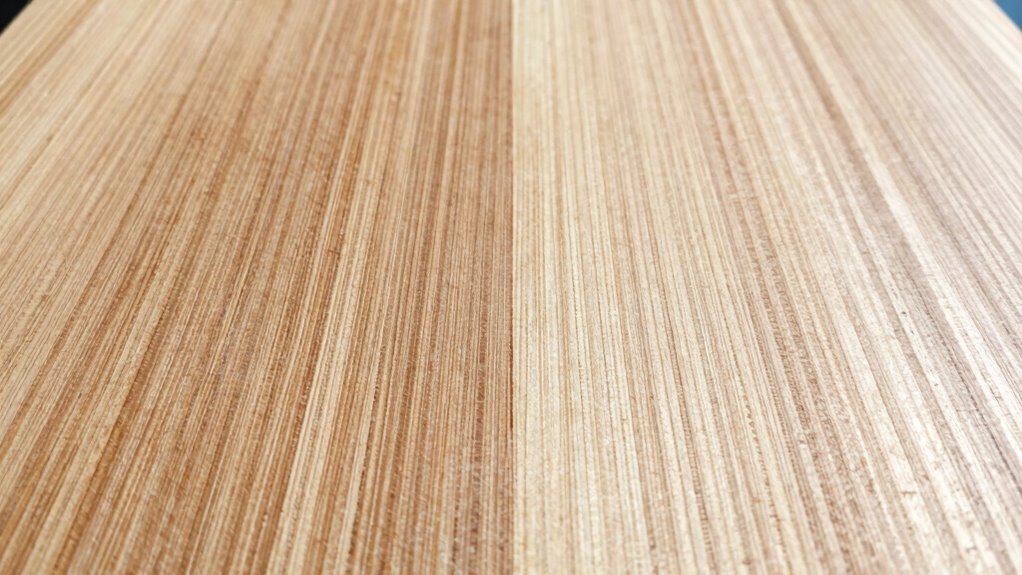
The direction in which you make your cut considerably influences the strength, finish, and durability of the wood. Cutting along the grain orientation maintains the wood’s natural strength, making it less prone to splitting or breaking under stress. Conversely, crosscutting across the grain can weaken the structural integrity, especially if the wood’s fibers are compromised. The cut direction also affects the finish; rip cuts often leave a smoother surface suitable for finishing, while crosscuts may require additional sanding. When it comes to wood durability, choosing the right cut direction ensures the piece withstands environmental factors longer. Properly aligned cuts preserve the wood’s natural resilience and appearance, enhancing both its functional lifespan and aesthetic appeal. Understanding grain orientation is key to making informed cutting decisions that optimize wood performance, especially when considering cutting techniques for different projects.
The Best Tools and Techniques for Accurate Crosscuts and Rip Cuts
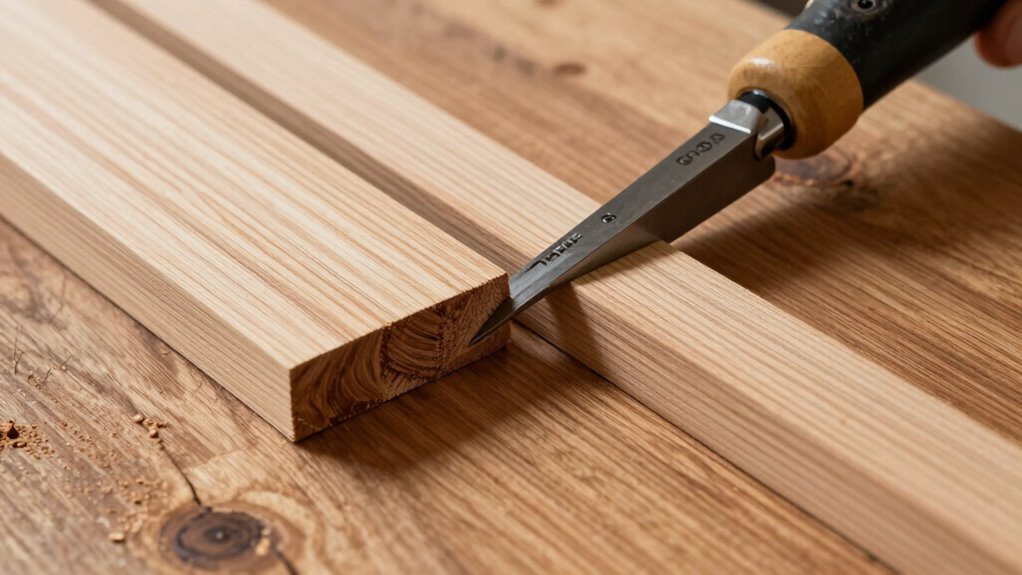
To achieve accurate crosscuts and rip cuts, selecting the right tools and mastering proper techniques are essential. Your choice of saw depends on the cut direction and grain orientation. Confirm your blade is sharp; a dull blade causes rough edges and inaccuracies. For rip cuts, a table saw with a rip fence helps maintain straightness along the grain. Crosscuts benefit from a miter saw or handsaw with a fine-tooth blade for clean edges. Consider using push sticks for safety and precision. Always align the wood correctly, and check grain orientation before cutting. Properly setting the blade height and maintaining consistent feed pressure will improve accuracy. Remember, sharp blades and correct technique are your best allies for achieving smooth, precise cuts every time. Additionally, understanding cut direction plays a crucial role in selecting the appropriate technique and tool for each cut. Recognizing the grain orientation of your material helps prevent splintering and ensures cleaner results. Being aware of proper blade alignment is also vital to maintain cut accuracy and safety during your project. To further enhance your craftsmanship, paying attention to proper feed rate can significantly impact the quality of your cuts.
Common Mistakes to Avoid When Cutting Along or Across the Grain
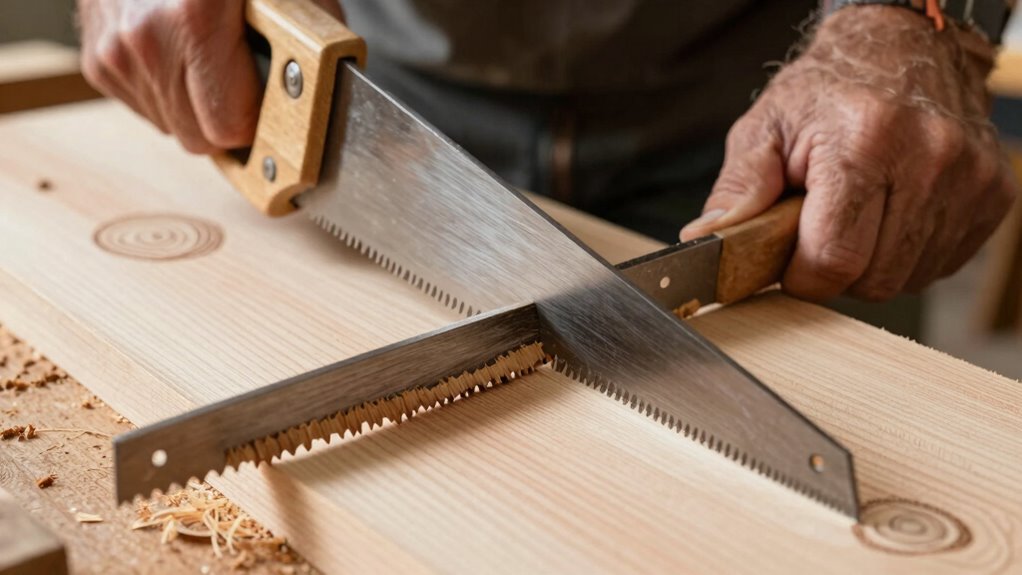
Cutting along or across the grain can lead to common mistakes that compromise your project’s quality. One mistake is ignoring grain orientation, which affects cut smoothness and strength. Using the wrong blade selection can cause tear-out or burn marks. Always match your blade to the cut direction: a fine-tooth blade for crosscuts and a rip blade for rip cuts. Be mindful of grain direction to avoid splintering. Here’s a quick reference:
| Grain Orientation | Common Mistakes |
|---|---|
| Along the grain (ripping) | Forcing the saw, causing tear-out |
| Across the grain | Using a dull blade, leading to rough cuts |
| Mixed grain directions | Not adjusting blade or technique accordingly |
| Irregular grain patterns | Applying the same technique across varied grain |
| Grain irregularities | Failing to support the wood properly |
Stay attentive to grain and blade choice to ensure clean, precise cuts.
Choosing the Right Cut Direction for Different Wood Types and Projects
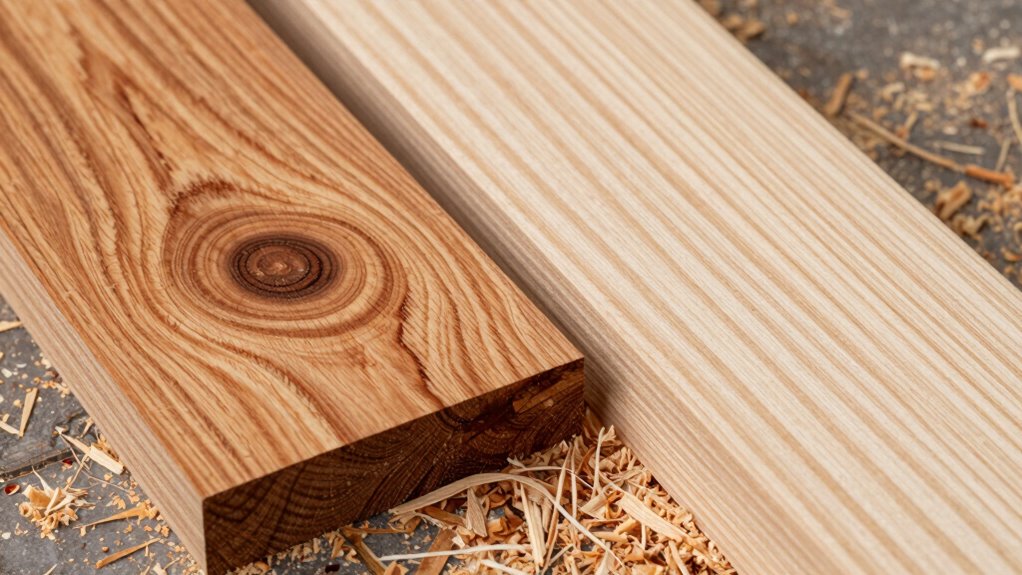
Choosing the right cut direction depends on the wood type and the project’s goals. Understanding grain orientation helps determine whether to make a crosscut or rip cut. For instance, hardwoods with a tight grain may require specific blade selection to reduce splintering, while softer woods allow more flexibility. Consider these factors:
- For fine finishes, cut against the grain for a smoother surface
- Ripping long boards benefits from aligning with the grain to prevent splintering
- Curved cuts or intricate shapes may need a different blade and cut direction
- Hardwoods often demand sharper blades and precise grain awareness
Tips to Improve Your Cutting Accuracy and Achieve a Professional Finish
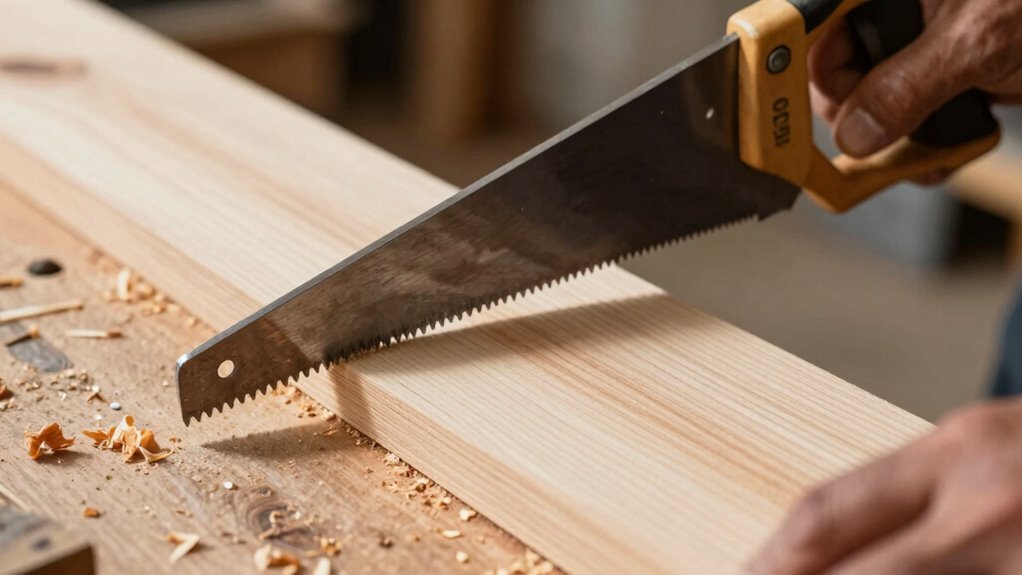
Mastering precise cuts begins with proper setup and technique. First, always check your blade’s sharpness—dull blades cause splintering and inaccuracies. Pay attention to grain orientation; cutting with the grain yields cleaner, more accurate results. To improve your technique, stabilize your wood and use a steady, controlled motion. Keep your saw aligned and avoid forcing cuts. Here’s a quick tip:
| Tip | Why it helps |
|---|---|
| Use a guide or fence | Ensures straight, consistent cuts |
| Check blade sharpness | Prevents splintering and inaccuracies |
| Cut with the grain | Reduces tear-out and improves finish |
Focusing on these details enhances your accuracy and gives your projects a professional look.
Frequently Asked Questions
How Does Grain Orientation Affect the Strength of the Finished Project?
Grain orientation markedly impacts the strength of your finished project. When you cut with the grain, you preserve grain strength and wood resilience, making the piece more durable. Conversely, cutting against the grain weakens the structure, increasing the risk of splitting or breaking. By paying attention to grain direction, you guarantee your project maintains its integrity, longevity, and overall quality, resulting in a stronger, more resilient finished product.
Can Using the Wrong Cut Direction Compromise Safety?
Ignoring grain direction can quietly undermine your safety precautions. Using the wrong cut direction, like cutting against the grain when it’s not advisable, can cause the wood to kick back or bind unexpectedly. This risk emphasizes the importance of paying close attention to grain orientation and following safety precautions. When you respect the grain, you reduce hazards and make your project safer, smoother, and more successful.
What Are the Signs of a Dull Blade Impacting Cut Quality?
A dull blade can lead to rough, uneven cuts, and increased effort. You’ll notice burn marks or chipping on your workpiece, and the blade may struggle to cut smoothly. Regular blade maintenance and proper sharpening techniques help prevent these issues. If you see these signs, sharpen or replace your blade promptly to guarantee clean cuts and maintain safety during your projects.
How Do Environmental Factors Influence Wood Cutting Accuracy?
Environmental factors like moisture content and temperature fluctuations markedly impact your wood cutting accuracy. When moisture levels are high, wood tends to warp or swell, making precise cuts difficult. Temperature changes can cause expansion or contraction, leading to inconsistencies. You should monitor these factors closely and adjust your tools accordingly. Keep your workspace stable and dry, so your cuts remain accurate and clean, regardless of environmental conditions.
Are There Specific Cuts Better Suited for Natural Wood Versus Engineered Wood?
Think of wood as a story told by its grain patterns. You’ll find that natural wood often responds better to crosscuts, highlighting its unique grain, while engineered wood, with its uniform structure, handles rip cuts with ease. Different wood types have their quirks, so choosing the right cut depends on whether you’re emphasizing the natural beauty or ensuring stability. Adapt your approach, and your craftsmanship will shine through.
Conclusion
So, next time you pick up your saw, remember—choosing between a crosscut and a rip isn’t just about cutting; it’s about shaping your project’s destiny. Ironically, the simplest decision can make or break your finish, yet many overlook it. Master these cuts, and you’ll craft with confidence, avoiding costly mistakes. After all, a perfect cut isn’t just skill—it’s knowing when to cut across or along the grain. Happy woodworking!
Fall Picks
fall essentials
As an affiliate, we earn on qualifying purchases.