Housed dados are a woodworking joint where a groove is cut into one piece to snugly fit another, creating a strong, stable shelf support. They prevent sagging better than simple butt joints because they distribute weight evenly. To guarantee durability, accurate cuts and precise fits are essential. Using the right tools and quality wood enhances strength. Keep learning to discover how mastering housed dados can improve your projects and keep your shelves sturdy over time.

Get business pricing on tools and workshop supplies
- Business-only prices and quantity discounts
- Tax-exempt purchasing
- Multiple users, one account, clear invoices
Key Takeaways
- Housed dados distribute load evenly, reducing stress and preventing sagging in shelves.
- Precise fitting of the dado joint enhances stability and maintains shelf integrity over time.
- Using durable hardwoods and sharp tools ensures strong, long-lasting housed dado joints.
- Proper measurement, support during cutting, and test fitting reduce the risk of weak or misaligned joints.
- Reinforcing joints with glue and clamps increases load capacity and minimizes sagging.
As an affiliate, we earn on qualifying purchases.
What Are Housed Dados and Why Use Them?
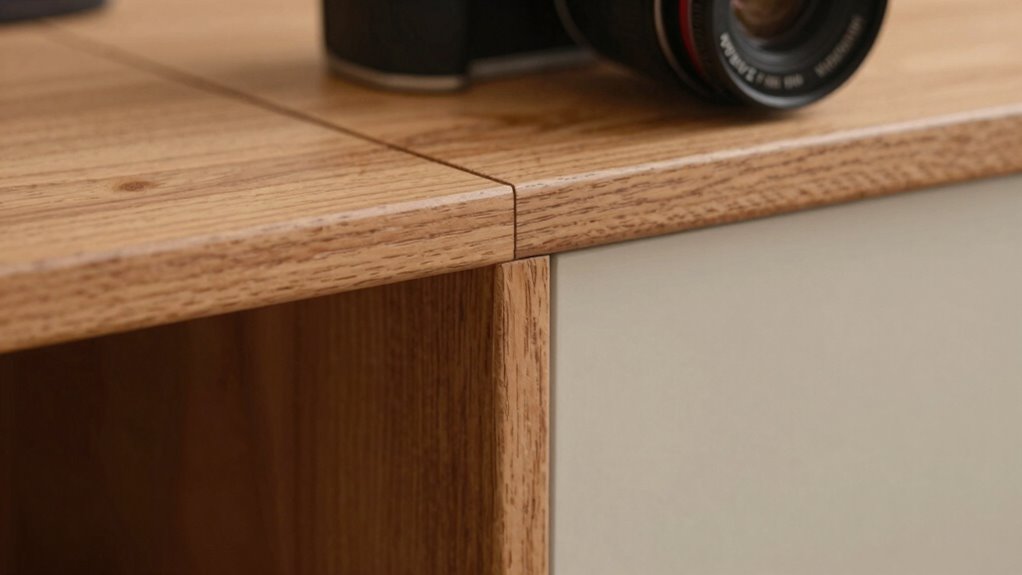
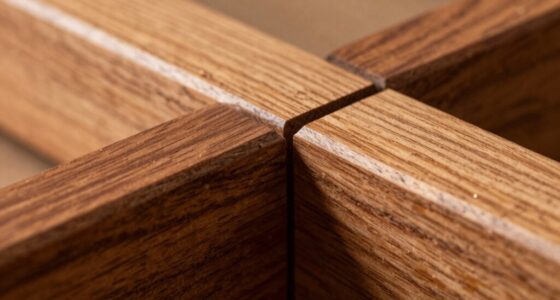
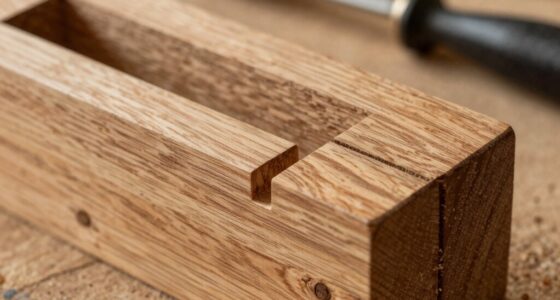
Have you ever wondered what housed dados are and why they’re essential in woodworking? Housed dados are grooves cut into one piece of wood to fit another piece snugly, creating a strong, stable joint. They’re commonly used in shelving units, cabinets, and drawers because they provide excellent support. One key reason to choose housed dados is their superior joint strength, which helps prevent sagging or wobbling over time. Additionally, using housed dados enhances woodworking safety since the joint’s tight fit reduces the risk of parts shifting or collapsing. This method guarantees your project remains durable and secure. Incorporating proper cutting techniques ensures precise fit and optimal joint quality. By incorporating housed dados, you create a reliable connection that stands the test of time, making your woodworking safer and more professional-looking.
As an affiliate, we earn on qualifying purchases.
How Do Housed Dados Offer Better Support Than Other Joints?
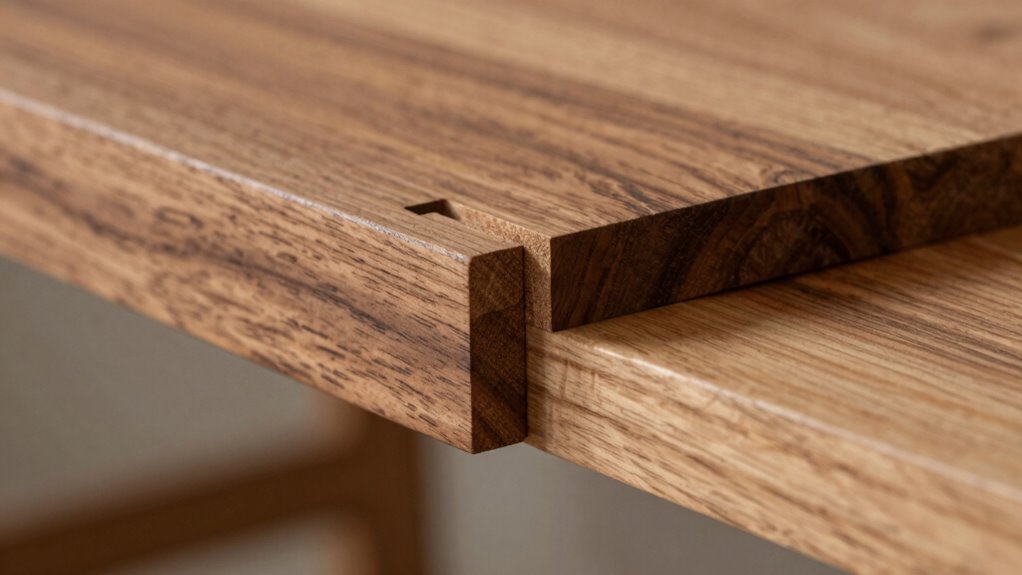
Housed dados distribute load more evenly across the joint, reducing stress on individual components. This design also provides greater stability and rigidity, keeping your project sturdy over time. Because of these benefits, housed dados often outperform other joints in supporting structural integrity.
Enhanced Load Distribution
Because of their design, housed dados distribute load more evenly across a joint, providing superior support compared to other types of joints. By embedding the shelf’s edge into a dado, the load is shared along a broader surface, enhancing overall load capacity. This even distribution reduces stress concentrations that can weaken the joint over time. As a result, housed dados improve joint strength, allowing shelves to bear heavier loads without sagging or failure. Unlike simple butt joints or nails, this method ensures the weight is supported across multiple contact points, making your furniture more durable. If you want a sturdy, long-lasting shelf that resists sagging under weight, housed dados deliver better load distribution and improved support than many other joint options.
Superior Stability and Rigidity
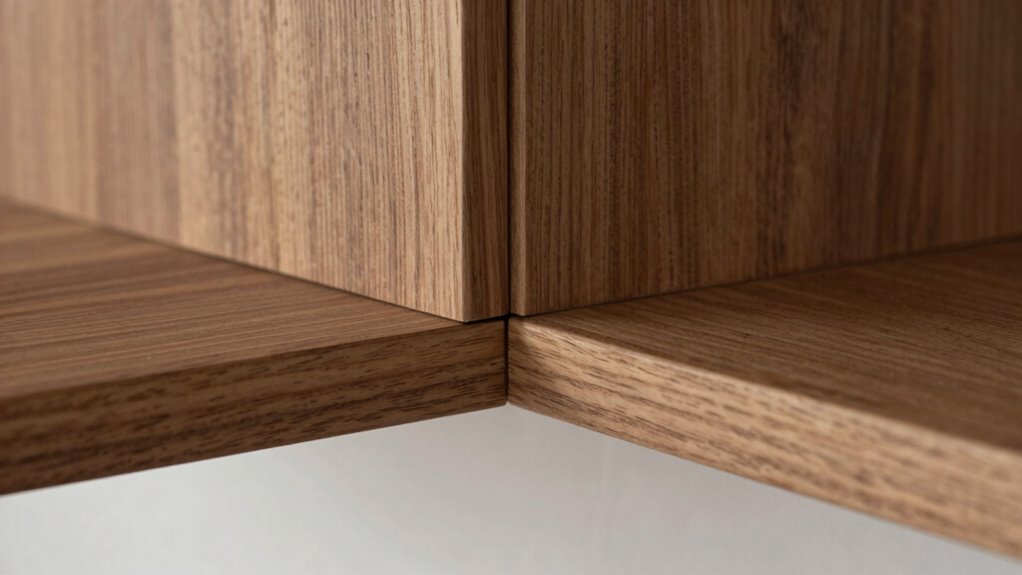
Housed dados enhance stability and rigidity by creating a tight, interlocking fit between the shelf and the supporting structure. This design minimizes movement, offering superior support compared to other joints. Because the joint is snugly housed within the material, it reduces wobbling and sagging, even under heavy loads. The interlocking nature also limits joint flexibility, ensuring the shelf stays securely in place over time. Additionally, housed dados provide a clean, seamless appearance that boosts the aesthetic appeal of your project. The joint’s strength comes from the precise fit, making it less prone to loosening or deterioration. Overall, this joint offers reliable support, maintaining your shelf’s shape and stability while contributing to a polished, professional look.
As an affiliate, we earn on qualifying purchases.
Step-by-Step: How to Cut and Install Housed Dados
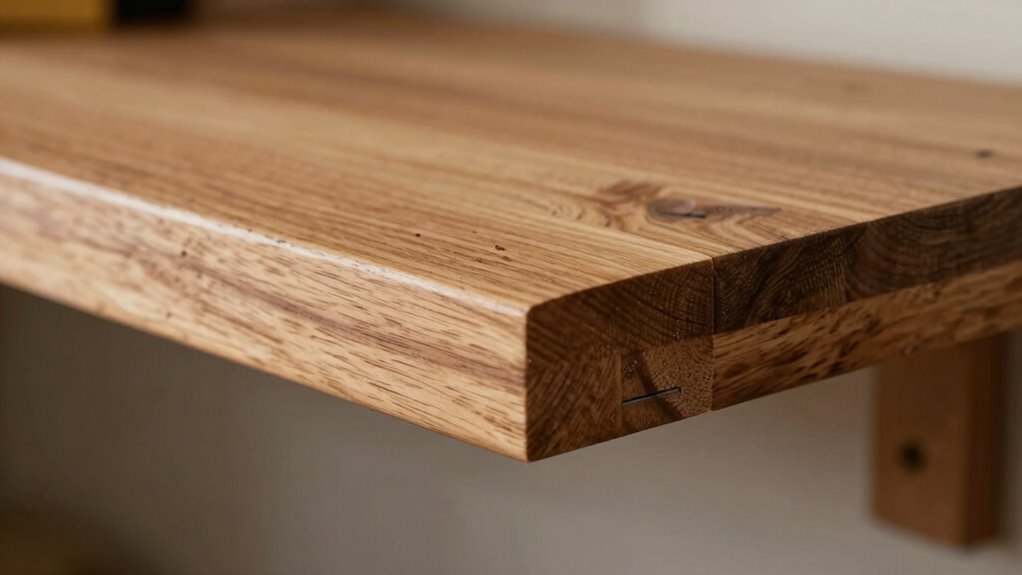
To start cutting and installing housed dados, gather your tools and materials first. Confirm your saws, chisels, and measuring tools are sharp and safe to prevent accidents, emphasizing woodworking safety. Measure carefully and mark the cut line for a precise fit. Use a router or table saw with a dado blade for clean, consistent cuts. When installing, align the dado with the panel edge, securing it with clamps. For joint reinforcement, double-check the fit before final assembly. Proper ventilation considerations are essential to ensure a safe and comfortable workspace when working with power tools and finishes. Here’s a quick reference:
| Step | Description |
|---|---|
| 1 | Measure and mark your workpiece |
| 2 | Set up your saw/router properly |
| 3 | Make the dado cut |
| 4 | Test fit the panel |
| 5 | Secure and reinforce the joint |
This process ensures a strong, sag-resistant shelf joint.
As an affiliate, we earn on qualifying purchases.
Tips for Achieving Precise Fits and Strong Joints
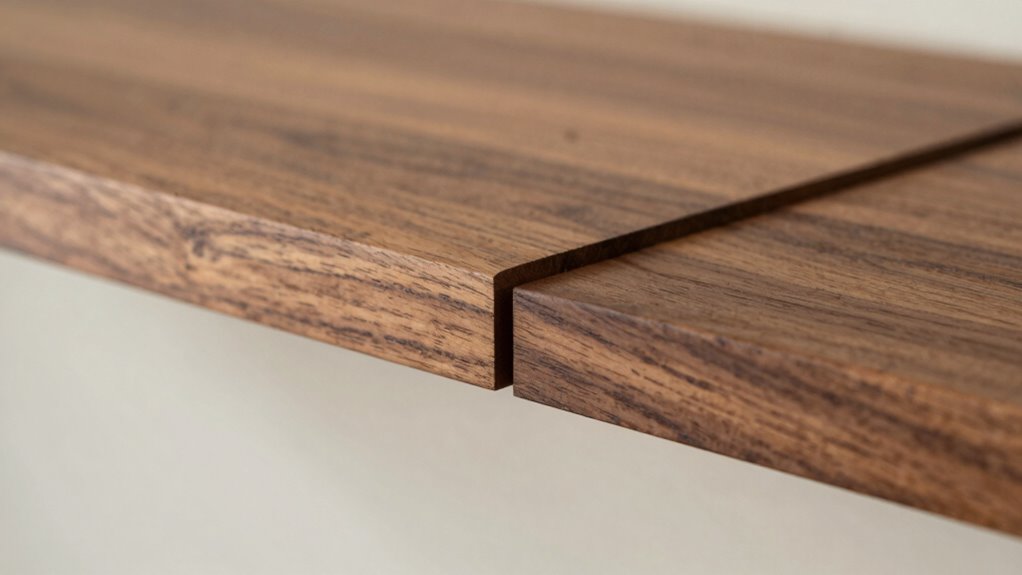
Achieving precise fits and strong joints starts with careful measurement and marking. Accurate measurements ensure your housed dados fit snugly, enhancing joint strength and stability. Pay attention to material compatibility; using woods with similar densities helps prevent gaps and reduces the risk of splitting. To improve your results:
- Use sharp, well-maintained tools for cleaner cuts and better fit
- Test fit pieces before final assembly to spot any adjustments needed
- Match the grain direction and thickness of materials to guarantee uniformity and durability
- Consider wood movement when planning joints, as seasonal changes can affect fit and stability
Common Mistakes to Avoid When Making Housed Dados
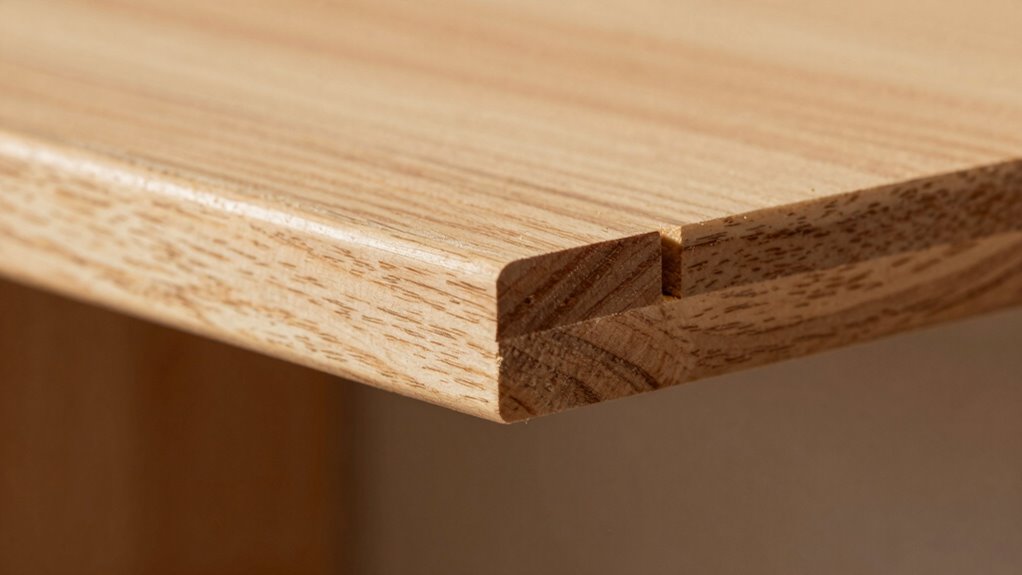
One common mistake is using inaccurate measurement techniques, which can lead to ill-fitting joints. You also need to select the proper tools to guarantee clean, precise cuts. Finally, failing to fit the joint properly can weaken the structure, so double-check your fitting before final assembly. Paying attention to accurate measurements ensures a strong, durable connection and a professional finish.
Precise Measurement Techniques
When making housed dados, precision is essential to guarantee a perfect fit and smooth operation. To achieve this, focus on measuring accuracy and ensure your tools are properly calibrated. Inaccurate measurements lead to gaps or overly tight joints, compromising strength and aesthetics. Always double-check measurements before cutting, and use quality tools that are well-maintained. Regularly calibrate your measuring devices to prevent discrepancies. Keep your workpiece steady and mark clearly to avoid slips. Also, verify your tool settings before each cut to maintain consistency. Mistakes in measurement can be costly and difficult to correct later, so precision is key. Paying attention to European cloud innovation can also inspire more sustainable and efficient measurement practices in your woodworking projects.
Proper Tool Selection
Choosing the right tools is crucial for making accurate housed dados. Using incompatible tools can lead to imprecise cuts and weakened joints, so always check tool compatibility before starting. Safety precautions are equally important; using the wrong tool or neglecting safety can cause accidents or damage your workpiece. Select tools designed specifically for dado cuts, like a dado blade set or router with proper guides. Here’s a quick guide:
| Tool Type | Purpose | Safety Tip |
|---|---|---|
| Dado blade set | Wide, clean grooves | Wear eye protection |
| Router | Precise, adjustable cuts | Secure workpiece firmly |
| Chisels | Fine adjustments | Keep blades sharp, handle carefully |
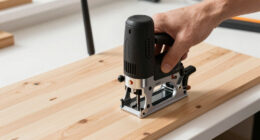
| Jigsaw | Curved or irregular cuts | Use a stable surface |
Choosing the right tool ensures safety and quality in your project. When selecting tools, consider their compatibility with your project, which is essential for achieving precise and durable results.
Accurate Joint Fitting
Achieving a perfect fit in housed dados requires careful attention, as common mistakes can compromise the strength and alignment of your joints. To guarantee joint accuracy, you must rely on precise measurement techniques. Mistakes like misreading dimensions or rushing the marking process can lead to gaps or tight fits, weakening the joint. Utilizing appropriate tools like calipers or marking gauges ensures measurements are accurate and reduces errors. Electric dirt bikes and their components, such as precise measurements and fitting, highlight the importance of accuracy in assembly and performance. To avoid these issues, keep these tips in mind:
- Double-check your measurements before cutting to prevent errors.
- Use reliable tools like calipers or marking gauges for accuracy.
- Test fit your pieces frequently during assembly to catch misalignments early.
Best Wood Types and Tools for Durable Housed Dados
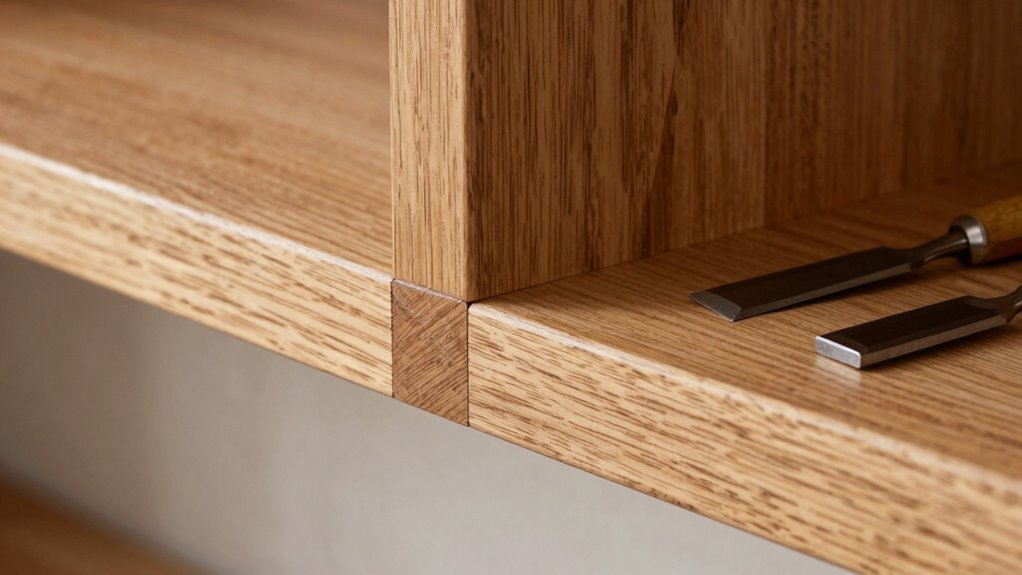
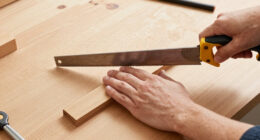
Selecting the right wood types and tools is essential for creating durable housed dados that hold up over time. Hardwoods like maple, oak, and cherry offer superior joint strength, ensuring your shelves won’t sag or weaken. These dense woods resist splitting and provide a solid foundation for housed dados. Softwoods like pine can work but may require careful handling to maintain joint integrity. When choosing tools, use sharp chisels, a fine-toothed saw, and quality clamps to ensure precise cuts and safe operation. Proper tool selection improves woodworking safety and results in cleaner, more accurate joints. Remember, the key to long-lasting housed dados is pairing the right wood with the appropriate tools, so your shelves stay sturdy and secure for years to come. Incorporating visual and auditory cues during assembly can also help in achieving more precise results and better understanding of the process.
Enhancing Your Shelving Projects With Proper Housed Dados Techniques
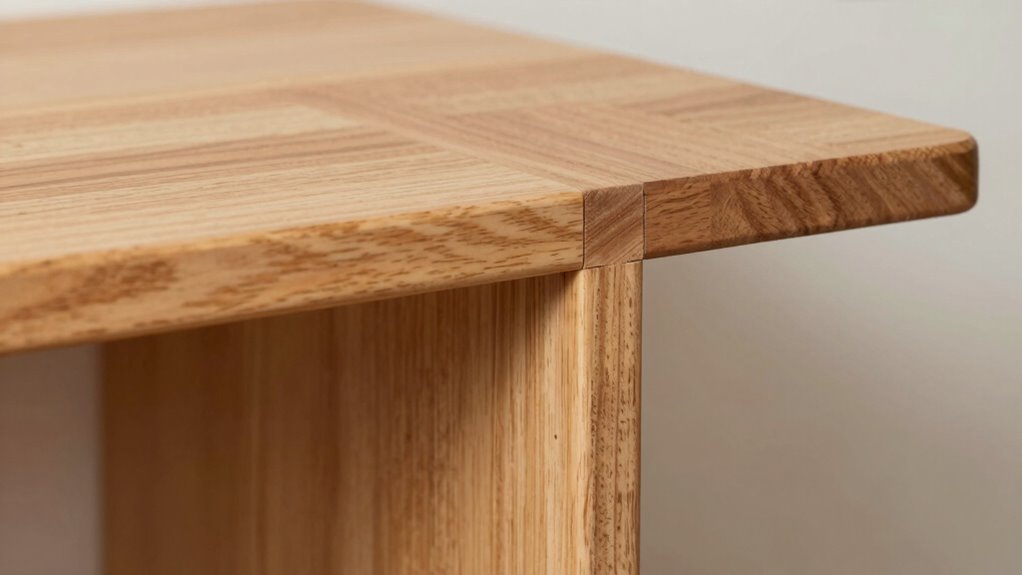
Using proper housed dados techniques can substantially improve the strength and appearance of your shelving projects. Mastering the dado joint and woodworking techniques guarantees your shelves are sturdy and visually appealing. To enhance your work, focus on precise measurements to create tight-fitting housed dados. Use sharp tools to achieve clean, smooth cuts that prevent gaps and weakening of the joint. Properly support the shelf during cutting to avoid splintering. Additionally, consider using glue and clamps to reinforce the joint for added durability. Proper quality assessment of your materials ensures the longevity of your project.
- Double-check measurements before cutting to ensure accuracy
- Use a dado blade or router for clean, consistent cuts
- Sand the edges for a smooth finish and better fit
Frequently Asked Questions
Are Housed Dados Suitable for Load-Bearing Shelves?
Housed dados are suitable for load-bearing shelves because they offer excellent joint stability, preventing sagging over time. Their design helps distribute weight evenly, reducing stress on the joint. Plus, because the dado is housed within the wood, it minimizes issues caused by wood movement, maintaining strength and integrity even with seasonal changes. This makes housed dados a reliable choice for sturdy, long-lasting load-bearing shelves.
Can Housed Dados Be Used With Metal or Plastic Materials?
A stitch in time saves nine, so you can use housed dados with metal and plastic applications. They’re compatible with metal, offering strong, secure joints, and work well with plastic when you choose the right fasteners and techniques. Just make sure your materials are suited for the joint type, and you’ll get durable, sag-resistant shelves. Always double-check compatibility to avoid issues down the line.
What Are the Environmental Considerations When Using Housed Dados?
When using housed dados, consider environmental factors like moisture resistance and wood finish. You should choose moisture-resistant materials or finishes if your project’s exposed to humidity, helping prevent warping or deterioration. Additionally, select eco-friendly finishes that reduce volatile organic compounds (VOCs). Properly sealing the wood enhances its durability, making your shelves last longer and stay stable, especially in environments with fluctuating moisture levels.
How Do Housed Dados Compare in Strength to Dovetail Joints?
Ever wondered which joint stands stronger? Housed dados generally offer less joint durability compared to dovetail joints because dovetails interlock more securely, providing superior strength. While housed dados excel in woodworking techniques for creating sturdy shelves, they tend to be less resistant to pulling apart under stress. If strength is your priority, especially in load-bearing furniture, dovetail joints are the better choice. Wouldn’t you want the most durable joints for your project?
Are There Safety Concerns When Cutting or Assembling Housed Dados?
When cutting or assembling housed dados, safety precautions and tool safety are essential. Always wear safety glasses and hearing protection to prevent injuries. Use proper clamps and guides to maintain control and accuracy, reducing the risk of slips or kickbacks. Keep your tools sharp and well-maintained, and follow manufacturer instructions carefully. Staying attentive and cautious guarantees safe, precise work, minimizing hazards during this woodworking process.
Conclusion
Think of housed dados as the sturdy backbone of your shelving masterpiece, holding everything together without sagging. When you master their technique, you’re like a skilled architect building a resilient bridge—strong, precise, and reliable. With careful cuts and proper fitting, your shelves will stand tall and unwavering, no matter what you place on them. Embrace these techniques, and your woodworking journey becomes a fortress of craftsmanship that lasts for generations.
Fall Picks
fall essentials
As an affiliate, we earn on qualifying purchases.