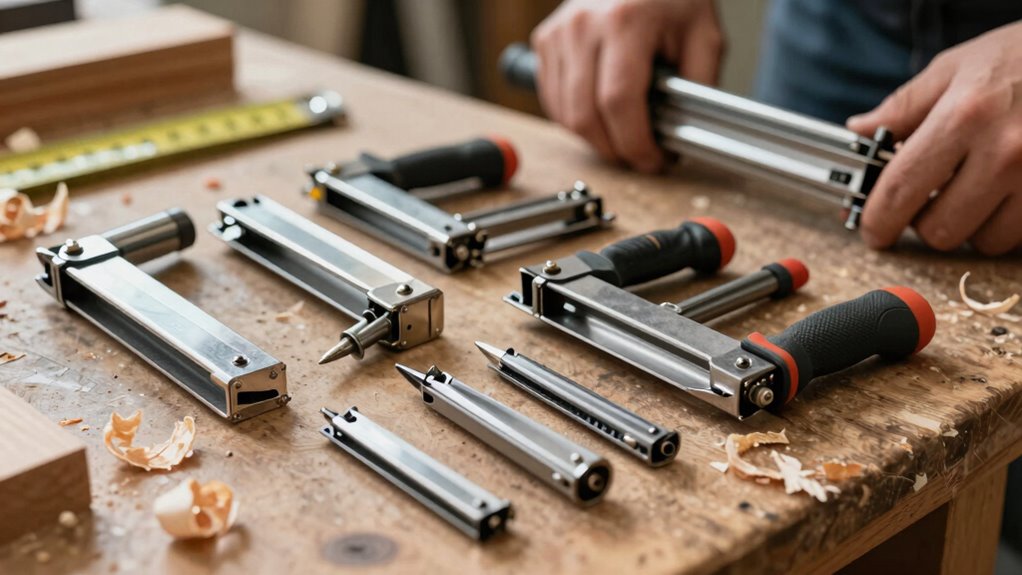

Choosing the right nailer isn’t just about popularity or general features—it’s about matching the tool to your specific project. Whether you’re framing, finishing, roofing, or upholstering, each task needs a different nailer for the best results. Heavy-duty jobs require sturdy tools, while detail work calls for lightweight options. Getting the right fit helps avoid frustration and guarantees efficiency. Keep exploring to discover how to select the perfect nailer for your projects.

Get business pricing on tools and workshop supplies
- Business-only prices and quantity discounts
- Tax-exempt purchasing
- Multiple users, one account, clear invoices
Key Takeaways
- The best nailer varies based on the specific project, such as framing, finishing, roofing, or upholstery work.
- Selecting a nailer suited to the task prevents inefficiency and reduces frustration during use.
- Different projects require different nailer features like power, size, and depth adjustment.
- Proper matching of the tool to the project enhances durability and performance.
- General lists often overlook project-specific needs, emphasizing the importance of tailored tool selection.
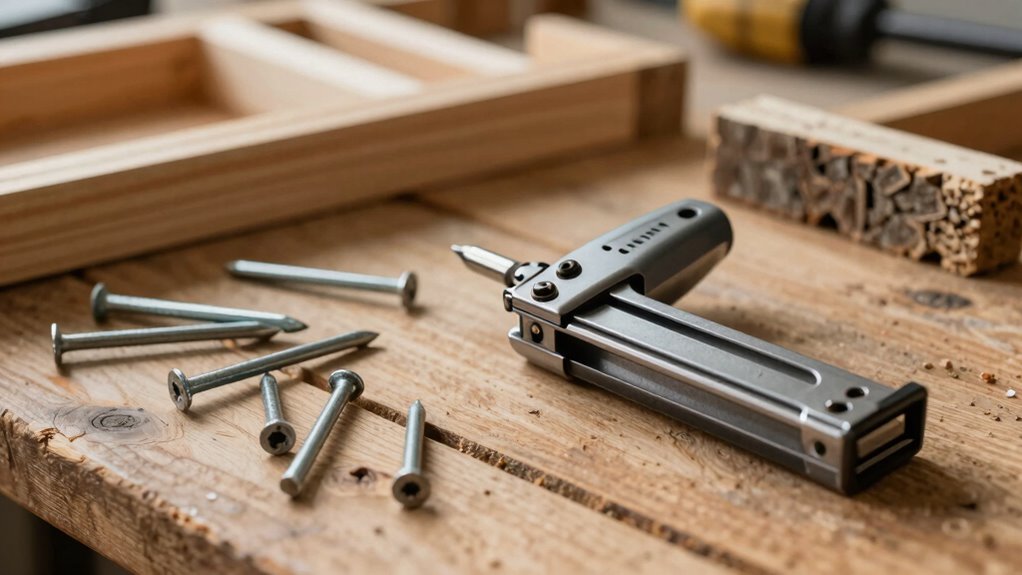
Have you ever looked at lists of the best nailers and wondered if they really fit your project? It’s easy to get caught up in top-rated models and assume they’ll work for everything, but the truth is, the best nailer depends more on your specific job than on what most lists highlight. When choosing a nailer, you should think about how well it aligns with the type of work you’re doing, rather than relying solely on general popularity or features.
One key factor often overlooked is nailer ergonomics. If you’re working on a project that requires extended use, a nailer with good ergonomics can make a huge difference. Look for models that feel comfortable in your hand, are lightweight, and have features like adjustable grips or balanced weight distribution. A well-designed nailer reduces fatigue and minimizes strain, helping you work more efficiently and safely over time. Poor ergonomics, on the other hand, can lead to discomfort, decreased accuracy, and even injury, especially during long sessions. So, think about how the tool fits your hand and your workflow before making a purchase.
Another vital aspect to consider is nailer maintenance. No matter how advanced or feature-rich your nailer is, neglecting regular maintenance will shorten its lifespan and compromise performance. For your projects, choose a model that’s easy to service—one with accessible parts, simple cleaning procedures, and clear instructions for upkeep. Maintaining your nailer involves checking for jammed nails, cleaning the air filter, and lubricating moving parts to keep everything running smoothly. Proper tool care can extend the life of your tools and ensure consistent results, saving you money in the long run. When you prioritize maintenance practices, you reduce downtime, avoid costly repairs, and ensure consistent results on your projects. Additionally, understanding tool specifications can help you select the most suitable model for your needs, enhancing your overall efficiency.
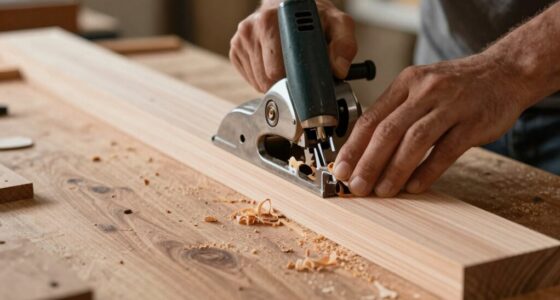
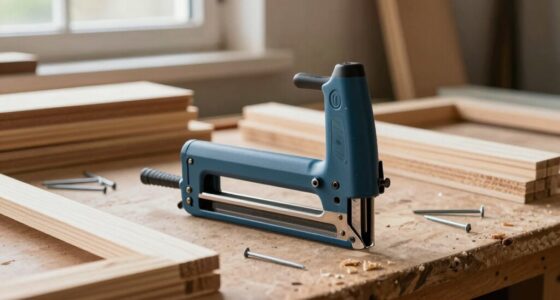
Furthermore, understanding the importance of biodiversity in the environment can remind us of the delicate balance needed to sustain ecosystems, just as choosing the right nailer depends on specific project needs. Recognizing the variety of tools available can help you better match your equipment to the task at hand, preventing frustration and ensuring efficiency. Beyond ergonomics and maintenance, your project type should dictate your choice of nailer. For framing jobs, a heavy-duty framing nailer is ideal, while finish or trim work calls for a lighter, more precise finish nailer. Roofing projects require specialized roofing nailers, and upholstery or delicate work benefits from smaller, more precise brad nailers. Each job demands a different tool, and focusing on your specific needs will save you frustration and money.
best framing nailer for construction
As an affiliate, we earn on qualifying purchases.
As an affiliate, we earn on qualifying purchases.
Frequently Asked Questions
How Do Nailer Types Differ in Durability?
You’ll find that nailer types differ in durability mainly based on nailer material and corrosion resistance. For instance, steel nailers are highly durable and withstand heavy use, while aluminum ones are lighter but less resistant to impact. If you work in damp environments, opt for corrosion-resistant coatings or materials like stainless steel. These features guarantee your nailer lasts longer and performs reliably, no matter the project.
Are Specific Nailers Better for Outdoor Projects?
A stitch in time saves nine, and choosing the right tool can make all the difference. For outdoor projects, select a nailer with superior weather resistance and material compatibility. Cordless or pneumatic nailers designed for harsh conditions withstand moisture and temperature changes better. By matching your nailer to your materials and environment, you guarantee durability and a quality finish, making your outdoor project both successful and long-lasting.
What Safety Features Should I Look for in a Nailer?
You should look for nailers with safety features like safety regulations compliance, such as trigger locks and blade guards, to prevent accidental firing. An ergonomic design helps reduce fatigue and improves control, keeping you safer during use. Features like adjustable exhausts to direct fumes away and non-slip grips also enhance safety. Prioritize models with clear safety labels and easy-to-use safety mechanisms to guarantee you work confidently and securely.
Can I Use One Nailer for Multiple Materials?
Can you use one nailer for multiple materials? Absolutely, but it’s like juggling fire—requires skill and the right tools. Focus on proper Nailer maintenance and check Nailer compatibility before switching tasks. Different materials might need specific nail types or pressures, so adjust settings accordingly. Using a versatile nailer suited for various materials can save time, but always guarantee it’s compatible to prevent damage or safety risks.
How Does Nailer Weight Affect Prolonged Use?
The weight of your nailer substantially affects prolonged use. A heavier tool can cause fatigue, especially without an ergonomic grip, leading to discomfort and reduced precision. Good weight distribution helps balance the tool, making it easier to handle over extended periods. If your nailer feels too heavy or unbalanced, it can strain your muscles and joints, so choose one with a comfortable ergonomic grip and proper weight distribution for better endurance and safety.
lightweight finish nailer for trim
As an affiliate, we earn on qualifying purchases.
As an affiliate, we earn on qualifying purchases.
Conclusion
So, the next time you’re choosing a nailer, ask yourself: are you really picking the right tool for your project? Don’t just follow generic lists—consider the specific tasks, materials, and finishes you need. Your craftsmanship deserves the perfect match, not just what’s popular. After all, isn’t it worth investing a little extra thought to guarantee your project turns out exactly how you envision? Choose wisely, and let your work speak for itself.
roofing nailer with adjustable depth
As an affiliate, we earn on qualifying purchases.
As an affiliate, we earn on qualifying purchases.
As an affiliate, we earn on qualifying purchases.
Fall Picks
fall essentials
As an affiliate, we earn on qualifying purchases.