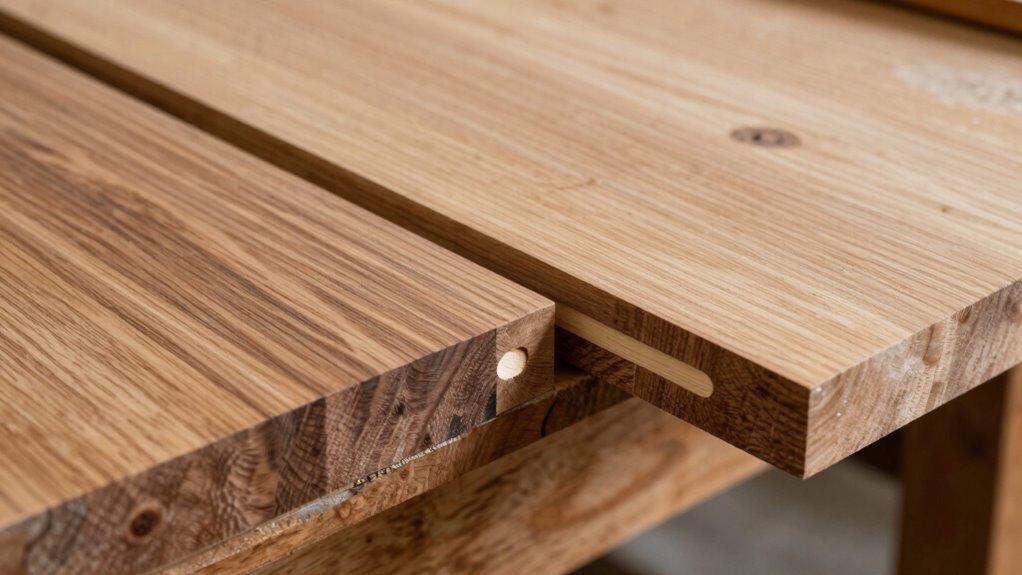

Biscuit joinery helps you quickly create strong, precise joints in flat projects like paneling or furniture assembly, thanks to thin oval-shaped biscuits that fit into matching slots. It’s ideal for DIY and beginner projects, offering effortless alignment and a clean finish. However, it’s less suited for heavy loads, outdoor use, or warped materials. To understand where biscuit joinery works best—and where it doesn’t—keep exploring these insights.

Get business pricing on tools and workshop supplies
- Business-only prices and quantity discounts
- Tax-exempt purchasing
- Multiple users, one account, clear invoices
Key Takeaways
- Biscuit joinery is ideal for quick, precise edge-to-face or face-to-face panel connections in DIY furniture projects.
- It provides strong, nearly invisible joints but is less suitable for structural or load-bearing applications.
- Proper alignment and material selection are crucial; misalignment or warped wood can weaken the joint.
- Biscuit joints are sensitive to moisture, making them unsuitable for outdoor or humid environments.
- For added strength or decorative purposes, consider alternative joinery methods like dovetails or pocket holes.
As an affiliate, we earn on qualifying purchases.
What Is Biscuit Joinery and How Does It Work?
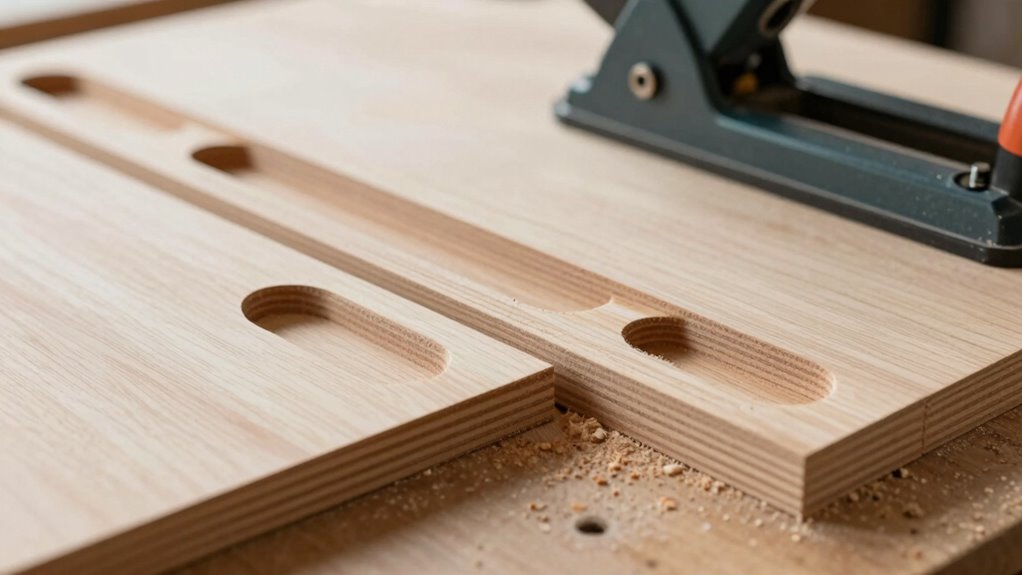
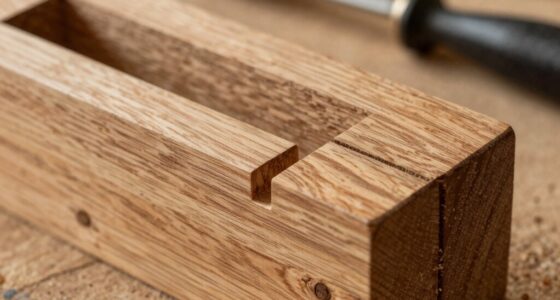
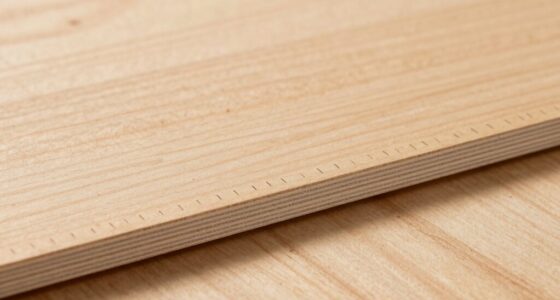
Have you ever wondered how woodworkers create strong, seamless joints? Biscuit joinery offers a quick, efficient way to connect pieces of wood, but it’s different from traditional methods like dovetail joints or mortise and tenon. Instead of intricate cuts, it uses thin, oval-shaped wooden biscuits that fit into matching slots. To make a joint, you first cut matching slots in the edges of your boards using a biscuit joiner. Then, you apply glue and insert the biscuits into the slots, pressing the pieces together. Once the glue dries, the joint becomes strong and nearly invisible. While biscuit joinery is great for quick alignment, it doesn’t provide the same mechanical strength or aesthetic appeal as dovetail or mortise-and-tenon joints.
woodworking biscuit joiner accessories
As an affiliate, we earn on qualifying purchases.
As an affiliate, we earn on qualifying purchases.
Is Biscuit Joinery Right for Your Woodworking Projects?
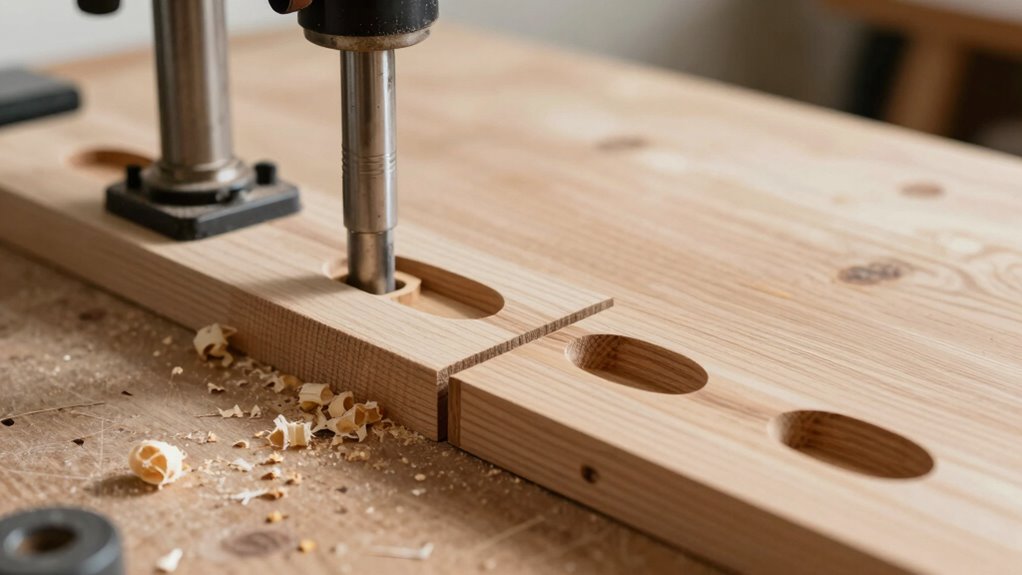
Deciding whether biscuit joinery suits your woodworking projects depends on your specific needs and priorities. If you’re into DIY furniture or just starting out with beginner woodworking, biscuit joints can be a helpful option for assembling panels and frames quickly. They offer alignment benefits and can strengthen joints without complex tools. Additionally, if your projects require high strength or precision, other joinery methods like dovetails or mortise and tenon may be better suited. Biscuit joinery excels in creating smooth, flat surfaces and is ideal for quick, less demanding tasks. Consider your skill level, project complexity, and the type of furniture you’re making before deciding. If simplicity and efficiency matter most, biscuit joinery could be a good fit for your DIY projects. Furthermore, understanding Free Floating mechanisms can help you evaluate whether this technique aligns with your project goals, especially when considering project stability and flexibility. Incorporating Glycolic Acid Benefits into your skincare routine can also influence your project’s success, especially if you aim for a polished final product. Exploring essential oils for relaxation can be beneficial for creating a calming workspace or environment during your woodworking process. Additionally, researching adhesive compatibility can ensure your chosen joinery method works well with your selected materials and finishes.
As an affiliate, we earn on qualifying purchases.
Benefits of Using Biscuit Joints in Your Projects
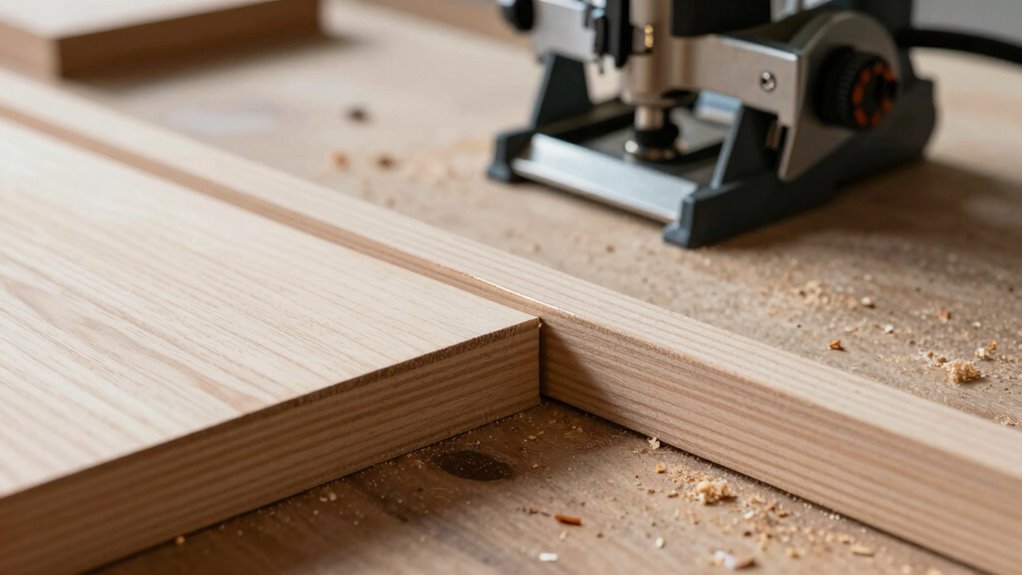
Biscuit joints offer several advantages that make them a popular choice for many woodworking projects. They help you create strong, precise connections quickly, making your diy home improvements smoother and more efficient. Using biscuits aligns well with furniture assembly tips because they simplify aligning parts, reducing the need for clamps and extra hands. This joint also helps distribute stress evenly across the joint, increasing durability. Plus, biscuit joinery is less messy than other methods, with minimal surface prep. It’s especially useful for edge-to-face or face-to-face paneling, giving your projects a seamless finish. Incorporating biscuit joints can save time, improve strength, and enhance the quality of your woodworking projects. Additionally, biscuit joinery can be particularly helpful when creating cozy spaces for families and seniors, as it facilitates sturdy and safe furniture construction. Understanding the tools and techniques involved in biscuit joinery can further improve your craftsmanship and project outcomes. Exploring innovative manufacturing methods can lead to even more efficient and sustainable woodworking practices. For example, advancements in automated machinery have made biscuit joinery even more precise and accessible for hobbyists and professionals alike.
As an affiliate, we earn on qualifying purchases.
Limitations of Biscuit Joinery and When to Avoid It
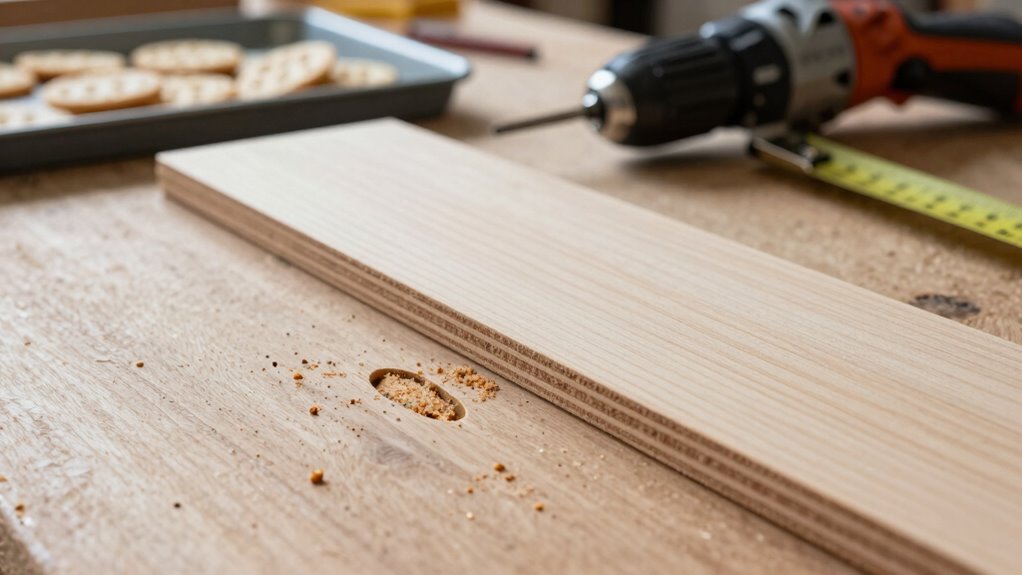
While biscuit joinery offers many benefits, it’s not suitable for every project or situation. One key limitation is its reliance on precise board alignment; if the boards aren’t perfectly aligned, the joint can weaken or become visible. Additionally, biscuit joints are moisture-sensitive, making them less ideal for outdoor or high-humidity environments, as swelling or shrinking can compromise the joint’s integrity. This method also doesn’t provide much lateral strength, so it’s not suitable for heavy loads or structural applications. If you’re working with warped or uneven boards, biscuit joinery might not deliver the stability you need. In these cases, exploring other joinery techniques guarantees better durability and stronger joints. Moreover, understanding the limitations of biscuit joinery can help you select the most appropriate method for your specific project needs. Proper material selection is crucial to ensure the longevity of biscuit joints, especially in demanding conditions. For optimal results, considering the moisture sensitivity of the materials involved can prevent future issues.
Alternative Joinery Methods to Consider Instead of Biscuit Joints
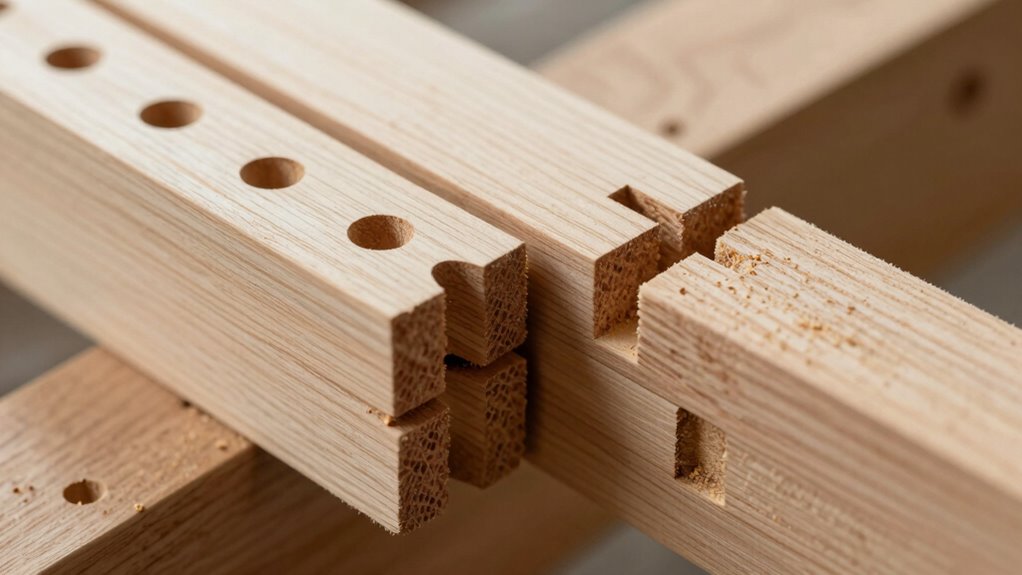
When biscuit joinery isn’t the best fit, there are several alternative methods that can provide stronger, more durable connections depending on your project’s needs. Consider these options:
- Dovetail alternatives—perfect for showcasing craftsmanship and creating tight, interlocking joints that resist pulling apart. These joints often require precise cuts but can significantly enhance a project’s aesthetic and structural integrity. Dovetails are also valued for their visual appeal and traditional craftsmanship. Utilizing interlocking joinery can sometimes offer better load-bearing capacity in certain applications.
- Pocket hole options—quick and strong, ideal for face frames or hidden joints where strength matters without visible fasteners. They also allow for faster assembly, saving time without sacrificing durability.
- Dado and rabbet joints—offer increased surface area for gluing, making them excellent for shelving or cabinet sides, providing stability beyond biscuit joinery. These methods are particularly effective in woodworking joinery where long-lasting bonds are essential. Additionally, these joints facilitate easier alignment during assembly.
- Polynesian symbols can also inspire decorative accents or motifs that add cultural significance and aesthetic appeal to your woodworking projects. Incorporating such elements can elevate the visual interest and uniqueness of your work.
Each method offers unique advantages, giving you flexibility based on your project’s demands and aesthetic preferences. Exploring these alternatives ensures your project stands the test of time with reliable, professional-quality joints.
Frequently Asked Questions
Can Biscuit Joinery Be Used for Load-Bearing Furniture?
You shouldn’t rely on biscuit joinery for load-bearing furniture, as it’s mainly designed for alignment and decorative inlays in artistic woodwork. While biscuits add strength to joints, they don’t handle heavy loads well. For load-bearing pieces, opt for stronger methods like dowels or mortise and tenon joints. Biscuit joints excel in creating seamless, decorative inlays, enhancing the aesthetic appeal of your furniture rather than providing structural support.
What Types of Wood Are Best Suited for Biscuit Joints?
You should choose hardwoods like oak, maple, or cherry for biscuit joints because their dense grain provides strong, durable connections. Softwoods like pine can work but aren’t ideal for load-bearing projects. Always consider wood selection and moisture content—avoid woods with high moisture, which can cause warping or joint failure. Properly dried, stable wood guarantees your biscuit joints stay secure and reliable over time.
How Do You Repair a Failed Biscuit Joint?
Coincidentally, fixing failed biscuits often starts with removing the damaged joint. You should carefully cut out the defective area, then clean and re-align the surfaces. Use a new biscuit, apply wood glue, and clamp the pieces firmly. For biscuit joint repair, guarantee the new biscuit fits snugly and dries thoroughly before stressing the joint. With patience, you’ll successfully restore the strength and stability of your project.
Is Special Equipment Required for Biscuit Joinery?
You don’t need much special equipment for biscuit joinery, just a biscuit joiner or a router with a biscuit joiner template. Proper maintenance of your biscuit joiner guarantees smooth operation and reliable results. Always check biscuit joint compatibility with your project’s materials and thicknesses before starting. Using the right tools and maintaining them helps you achieve stronger, more precise joints, making your woodworking projects look professional and durable.
How Does Humidity Affect the Strength of Biscuit Joints?
Humidity effects can turn your biscuit joints into a fragile dance of swelling and shrinking. When humidity rises, moisture seeps into the wood, causing joint swelling that weakens the glue bond. Conversely, dry conditions shrink the wood, risking gaps and joint failure. You must monitor humidity levels to maintain joint strength, as fluctuating moisture content can compromise the stability and durability of your biscuit joints over time.
Conclusion
Think of biscuit joinery as a trusty bridge across a river—you can cross it swiftly and with ease, but sometimes the river’s currents are too strong, requiring a sturdier crossing. Knowing when to use biscuits is like choosing the right bridge: perfect for quick, light tasks but not for heavy loads or long spans. By understanding its strengths and limits, you’ll build stronger, more reliable projects—avoiding weak spots and crossing safely every time.
Fall yard work Picks
leaf blowers
As an affiliate, we earn on qualifying purchases.