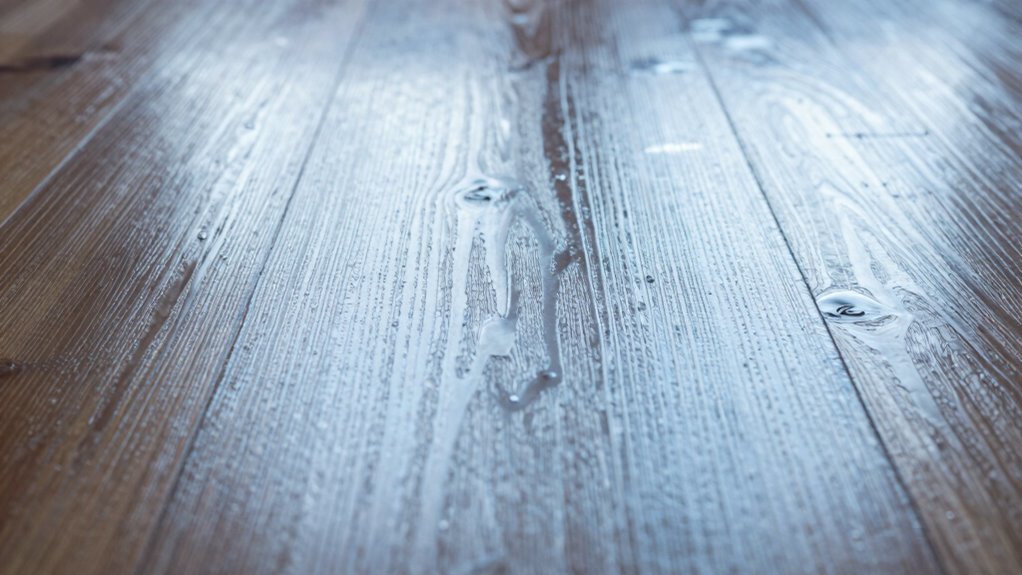

Some clear finishes can make wood look colder because of their gloss level and color tones. High-gloss finishes reflect more light, creating a shiny, sterile appearance that strips warmth from woods like cherry and walnut. Additionally, clear finishes with cool undertones can wash out the natural hues of lighter woods, like maple and birch. Choosing the right finish and application technique is essential for maintaining warmth in your wood. Want to learn how to achieve a more inviting look?

Get business pricing on tools and workshop supplies
- Business-only prices and quantity discounts
- Tax-exempt purchasing
- Multiple users, one account, clear invoices
Key Takeaways
- High-gloss finishes reflect more light, creating a shiny, sterile appearance that can strip warmth from wood.
- Cool undertones in clear finishes can wash out subtle warmth, leading to a lifeless look.
- Rushing application can result in uneven coverage, affecting the final perception of warmth in the wood.
- Different wood types absorb finishes variably, impacting the overall color and warmth of the final appearance.
- Clear finishes can alter the natural beauty of wood, making careful selection and application crucial for an inviting look.
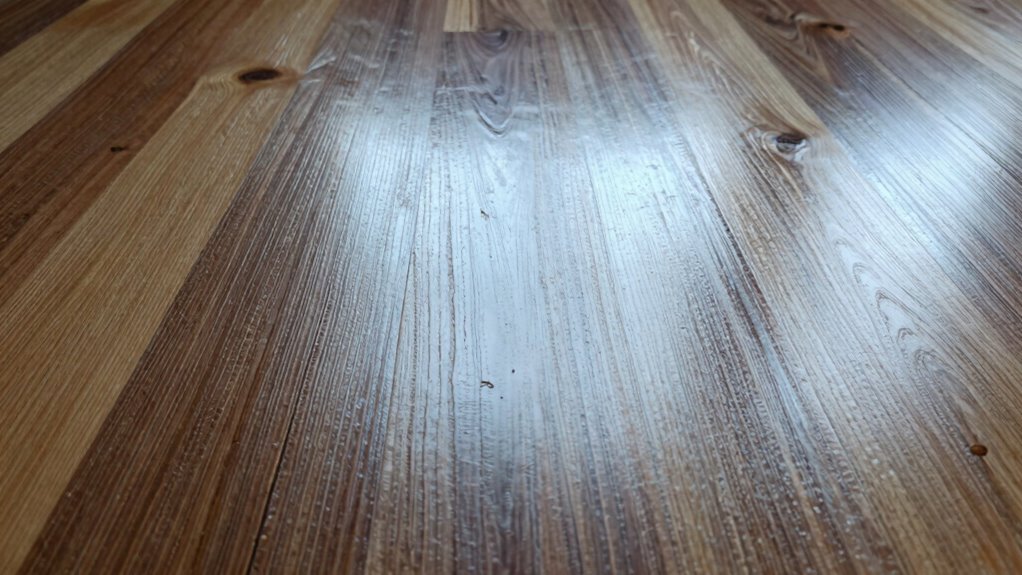
When you want to enhance the natural beauty of wood, clear finishes can make all the difference. They can highlight the grain and color tones, but not all finishes yield the same warmth. Some clear finishes can actually make your wood look colder, and understanding why can help you choose the right one for your project.
A significant factor in this perception is the gloss level of the finish. High-gloss finishes often reflect more light, creating a shiny surface that may seem sterile or overly polished. When you apply a high-gloss finish to a rich, warm wood type like cherry or walnut, it can strip away some of the inherent warmth and character, leaving a colder impression. On the other hand, a satin or matte finish can soften the light, allowing the natural hues to shine through more authentically, making the wood feel inviting. Additionally, the gloss level can influence how warm or cool the final appearance feels.
The gloss level of your finish can profoundly impact wood’s warmth, with high-gloss options often leaving a colder impression.
Color tones also play an essential role. If you’re working with lighter wood types like maple or birch, a clear finish can sometimes wash out the subtle warmth, especially if the finish has an undertone that leans toward the cooler side. This can result in a finish that feels almost lifeless. To counter this, you might consider finishes that contain additives to enhance warmth or those that are specifically formulated to enrich the wood’s natural color tones.
Application techniques matter too. If you rush through the process or don’t apply the finish evenly, you might end up with a patchy look that can emphasize the coldness of the finish. Taking your time, using the right tools, and making sure to apply even coats can lead to a more harmonious appearance. Techniques like brushing or rolling can also impact how the finish settles into the wood grain, affecting the overall warmth or coldness of the final look.
Lastly, the specific wood types you choose can affect how finishes interact with the wood. Some species absorb finishes differently, which can lead to variations in color and texture. By selecting the right combination of wood type and finish, you can achieve a look that enhances the beauty of the wood while maintaining its warmth. Additionally, understanding how wood absorption impacts the final appearance can help you make more informed finishing choices. So, when you’re ready to finish your project, keep these elements in mind to make sure your wood looks as inviting as it should.
As an affiliate, we earn on qualifying purchases.
Frequently Asked Questions
How Do Different Wood Species Affect Finish Appearance?
Different wood species can considerably affect finish appearance. For instance, fine wood grain like maple often highlights a glossy finish sheen, enhancing its natural beauty. In contrast, woods with more pronounced grain, like oak, might absorb the finish differently, resulting in a more muted sheen. You’ll notice how the wood’s characteristics interact with the finish, sometimes amplifying the warmth or coolness of the color, depending on the species you choose.
Can I Apply a Clear Finish Over Paint?
Yes, you can apply a clear finish over paint, but you need to guarantee paint compatibility. Choose a clear finish that’s designed for this purpose, as it’ll enhance durability and protect the painted surface. Clear finish benefits include adding a glossy sheen and improving resistance to wear and moisture. Before you start, make certain the paint is fully cured for the best results, or you might run into issues down the line.
What Tools Are Best for Applying Clear Finishes?
For applying clear finishes, you’ve got several great options. Spray application provides an even coat and is quick, while brush techniques allow for detailed work and control. If you prefer a smoother finish, roll application can cover larger areas efficiently. For touch-ups or smaller projects, the wipe method is effective and easy to manage. Choose the tool that best fits your project’s size and desired finish for best results.
How Can I Remove a Clear Finish From Wood?
To remove a clear finish from wood, you can use various strip methods like chemical strippers or sanding. Chemical strippers work well for tougher finish types, while sanding is effective for lighter finishes. If you choose sanding, start with coarse grit to remove the bulk, then switch to finer grit for a smooth surface. Always wear protective gear and test a small area first to guarantee you don’t damage the wood underneath.
Do Clear Finishes Change Color Over Time?
Yes, clear finishes can change color over time. You’ll notice color fading, especially with exposure to sunlight or harsh conditions. While some finishes maintain their clarity, others might yellow or darken, affecting the wood’s overall appearance. To keep your wood looking vibrant, consider applying UV-resistant finishes or re-coating periodically. Regular maintenance helps preserve the finish clarity and enhances the wood’s natural beauty for years to come.
As an affiliate, we earn on qualifying purchases.
Conclusion
In the world of wood finishes, think of clear coats like sunglasses on a sunny day. They can enhance or obscure the natural beauty beneath. Just like how a pair of dark shades can cool the warmth of sunlight, certain finishes can give wood a colder, more sterile appearance. Next time you choose a finish, remember: it’s not just about protection; it’s about preserving the soul of the wood, allowing its warmth to shine through.
As an affiliate, we earn on qualifying purchases.
As an affiliate, we earn on qualifying purchases.
Fall yard work Picks
leaf blowers
As an affiliate, we earn on qualifying purchases.