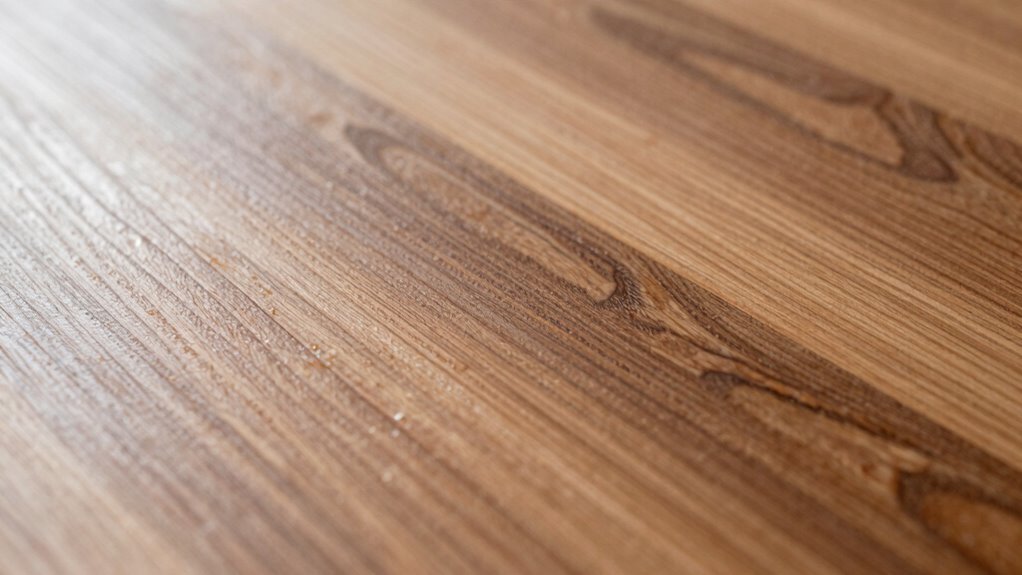

Water-based grain raising is an essential prep step that turns rough wood into a smooth canvas. By dampening a cloth and wiping it over the surface, you raise the grain effectively. After it dries, a light sanding with fine-grit sandpaper smooths out the raised fibers without removing much material. This process guarantees better finish adhesion and enhances the wood’s natural beauty. Discover how this simple technique can elevate your woodworking projects even further.

Get business pricing on tools and workshop supplies
- Business-only prices and quantity discounts
- Tax-exempt purchasing
- Multiple users, one account, clear invoices
Key Takeaways
- Water-based grain raising prepares wood surfaces, ensuring a smoother finish and reducing roughness in the final appearance.
- Dampening the wood slightly raises the grain, making it easier to sand down for a polished result.
- Fine-grit sanding after grain raising smooths out any raised fibers, improving overall surface quality.
- Cleaning the surface of dust and particles before applying finish enhances adhesion and prevents imperfections.
- Proper preparation with grain raising elevates craftsmanship and highlights the wood’s natural beauty in finished projects.
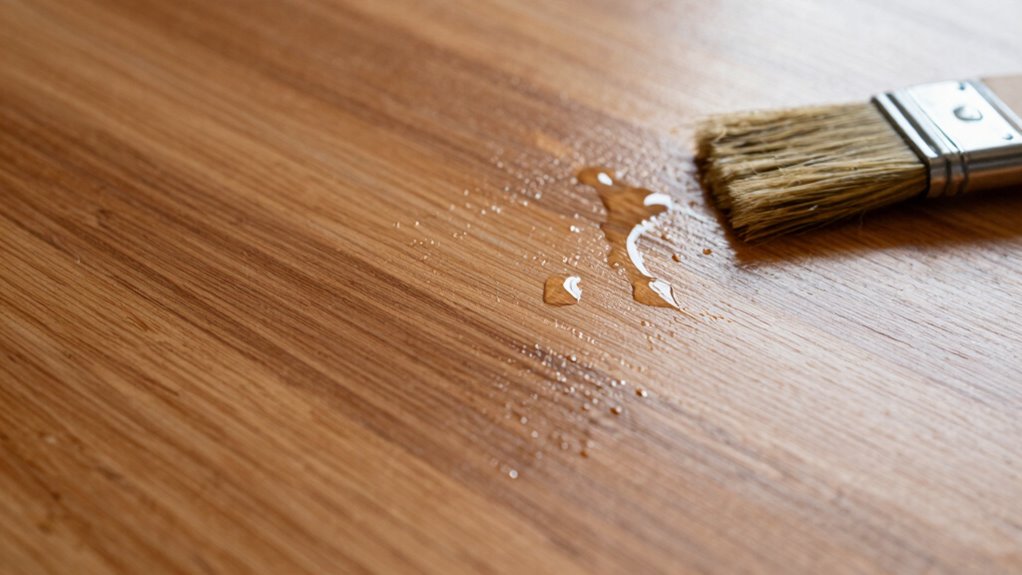
When you’re finishing wood surfaces, water-based grain raise can be a game changer. This technique prepares the wood for a smoother, more polished finish, ensuring that your final result looks professional. If you’ve ever dealt with a rough surface after applying a finish, you know how frustrating it can be. By addressing grain raise early on, you can save yourself a lot of hassle down the line. Understanding the water-based finishes and how they interact with wood is crucial for achieving the best results. Start by dampening a clean cloth with water, and wipe it over the wood surface. You don’t want to soak it—just enough moisture to raise the grain. Let it dry completely, which may take around 30 minutes to an hour. This initial hydration allows you to see how the wood reacts, and it sets the stage for your next steps. Once dry, grab some fine-grit sandpaper, like 220-grit, and gently sand the surface. You’re not trying to remove material; instead, you’re smoothing out the raised fibers. This process might seem minor, but it’s essential for achieving an excellent surface finish. Additionally, using proper sanding techniques can help prevent additional damage or uneven surfaces. Properly preparing the wood surface with these methods can also enhance the adhesion of finishes, leading to a more durable and attractive result. Incorporating wood preparation techniques like this can significantly improve the longevity of your project. Understanding the interaction of water and wood is key to mastering this process and achieving optimal results.
After sanding, make sure to clean off any dust with a tack cloth or a vacuum. Any leftover particles can interfere with the adhesion of subsequent coats, so don’t skip this step. You’ll notice that the wood feels much smoother to the touch, which translates to a more attractive final appearance.
Now, you can confidently apply your water-based finish. By taking the time to use a water-based grain raise, you’re ensuring that your finish adheres properly and looks stunning. The result will be a surface that not only feels great but also showcases the natural beauty of the wood. Don’t underestimate this prep step; it’s one of the simplest ways to enhance your woodworking projects and elevate your craftsmanship. So, the next time you’re working with wood, remember the power of water-based grain raise and enjoy a flawless finish.
As an affiliate, we earn on qualifying purchases.
Frequently Asked Questions
How Does Grain Raise Affect the Final Finish Appearance?
Grain raise considerably affects the final finish appearance by altering the grain texture. When wood absorbs moisture, the fibers swell, creating a rough surface. If you don’t address this before finishing, you’ll end up with a less smooth and uneven finish quality. To achieve a polished look, it’s essential to sand the raised grain before applying your final finish. This prep step guarantees your project looks professional and well-crafted.
Can I Use Oil-Based Finishes After Grain Raising?
Yes, you can use oil-based finishes after grain raising techniques. However, it’s essential to guarantee that the grain is fully dry and smoothed out before applying the oil finish. Oil-based compatibility is generally good, but any residual moisture from the grain raising process can lead to issues. To achieve the best results, sand the surface lightly after raising the grain, ensuring a smooth base for your oil finish.
Is Grain Raising Necessary for All Wood Types?
Grain raising isn’t necessary for all wood types, but it can be beneficial depending on the grain characteristics of the wood you’re using. Softer woods, like pine, often raise grain more than hardwoods, so you might want to sand them after applying water. If you’re working with fine-grained woods, you may skip this step. Ultimately, consider how the finish will interact with your chosen wood type before deciding.
What Tools Are Best for Sanding After Grain Raising?
When you’re ready to sand after grain raising, which tools will give you the best finish? Start with a random orbital sander for larger areas, then switch to hand sanding for detailed spots. For grit selection, begin with 120-150 grit to smooth the raised grain, and finish with 220 grit for a silky touch. Employing these sanding techniques guarantees you achieve a flawlessly smooth surface, making your project look stunning.
How Long Should I Wait Before Applying Finish After Grain Raising?
You should wait about 30 minutes to an hour after grain raising before applying your finish. This timing consideration allows the wood to settle and the raised grain to dry fully. Make certain the finish compatibility is suitable for the wood type and any previous treatments. If you’re unsure, always test on a small area first. This way, you guarantee a smooth application and avoid any unexpected issues with your project.
As an affiliate, we earn on qualifying purchases.
Conclusion
In the world of woodworking, water-based grain raise is your secret weapon against rough surfaces. By taking this simple prep step, you’re ensuring a smooth finish that feels like silk to the touch. Just like a painter lays a solid foundation before the first stroke, you’re setting the stage for a beautiful project. So don’t skip this step—embrace the grain raise, and watch your work transform from ordinary to extraordinary!
As an affiliate, we earn on qualifying purchases.
As an affiliate, we earn on qualifying purchases.
Halloween Picks
halloween
As an affiliate, we earn on qualifying purchases.