![There Will Come Soft Rains (1950) [Pdf]](https://woodworkslibrary.com/wp-content/uploads/2026/08/there-will-come-soft-rains-1950-pdf-featured-200x110.jpg)
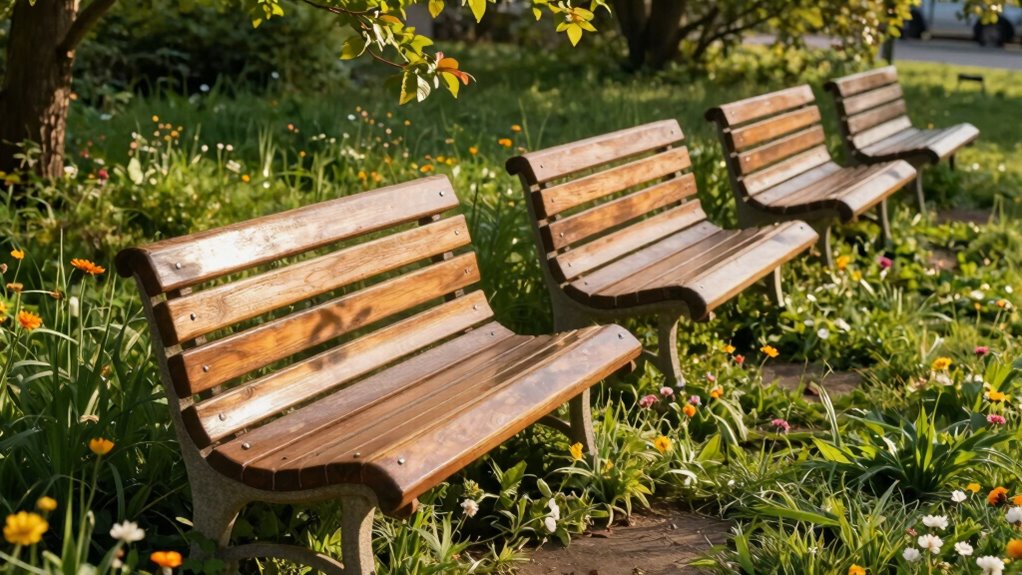
When choosing outdoor benches, the seat angle matters. A slight backward tilt—around 15 to 20 degrees—can improve your comfort over time, allowing you to relax without strain. This angle helps distribute weight evenly and encourages better posture. You’ll find it enhances your overall experience in parks or backyards, making your outdoor space feel inviting. Curious about material choices or styles that work best? There’s more to discover for creating your perfect outdoor seating area.

Get business pricing on tools and workshop supplies
- Business-only prices and quantity discounts
- Tax-exempt purchasing
- Multiple users, one account, clear invoices
Key Takeaways
- A seat angle between 15 to 20 degrees enhances comfort and promotes relaxed seating for extended periods.
- Ergonomic designs with slight recline support natural posture and reduce strain on the back.
- Proper seat depth, typically 18 to 20 inches, complements the angle for optimal comfort.
- Materials like teak or eucalyptus can enhance the overall seating experience due to their durability and natural feel.
- Regular maintenance ensures the bench’s angle and structure remain effective and inviting for prolonged enjoyment.

Outdoor benches offer a perfect spot to relax and soak in your surroundings. Whether you’re enjoying a sunny day in the park or unwinding in your backyard, the right bench can elevate your experience. When choosing an outdoor bench, consider its seating angle. An ergonomic design can make all the difference in how you feel after sitting for a while. You want something that supports your body comfortably, allowing you to enjoy the moment without strain.
Different wood materials can greatly impact both comfort and aesthetics. Teak, for instance, is known for its durability and natural oils, which provide excellent weather resistance. This means you won’t have to worry much about wood decay or fading from the sun. Other options like cedar or eucalyptus offer appealing looks and decent resistance to the elements, but they might require a bit more maintenance. If you’re leaning toward a more modern look, you might explore benches made from metal or recycled plastic, which can come in various colors and styles, ensuring you find something that fits your taste.
When considering style variations, think about how the bench will fit into your outdoor space. Do you prefer a classic, rustic look or something sleek and contemporary? Your choice can influence the overall vibe of your garden or patio. If you often have guests over, consider benches with a larger seating capacity. A bench that comfortably accommodates multiple people not only invites conversation but also enhances the communal feel of your outdoor area. Additionally, selecting weather-resistant materials is crucial for longevity and ease of maintenance, especially in climates with diverse weather conditions.
Maintenance tips are essential for keeping your bench in top shape. Regular cleaning with mild soap and water can go a long way in preserving the wood’s finish. If you’ve chosen a wooden bench, applying a sealant every couple of years can help maintain its weather resistance. This simple step not only protects your investment but also extends the lifespan of the bench, ensuring it remains a relaxing spot for many seasons to come. Additionally, understanding weather resistance can help you select materials that will last longer with less upkeep.
Ultimately, selecting an outdoor bench that suits your needs involves balancing comfort, style, and durability. With the right ergonomic design, wood materials, and weather resistance, you’ll find a bench that not only feels good but also enhances your outdoor experience. So, take the time to explore your options, and you’ll discover a beautiful seating solution that fits perfectly into your life.
ergonomic outdoor bench with slight recline
As an affiliate, we earn on qualifying purchases.
As an affiliate, we earn on qualifying purchases.
Frequently Asked Questions
What Materials Are Best for Outdoor Benches?
For outdoor benches, you’ll want to contemplate a mix of wood types and metal durability. Teak and cedar are excellent choices for wood, offering natural resistance to weather and insects. If you prefer metal, aluminum and stainless steel are durable options that withstand rust and corrosion. Combining these materials can enhance both comfort and longevity, ensuring your bench remains a stylish and functional addition to your outdoor space for years to come.
How Do I Maintain My Outdoor Bench?
“An ounce of prevention is worth a pound of cure.” To maintain your outdoor bench, start with regular cleaning techniques—use a soft brush and mild soap to remove dirt. Rinse thoroughly and let it dry. Apply protective finishes like sealants or oils to guard against weather damage. Check for any loose screws or cracks periodically, tightening and repairing as needed. With these steps, your bench will stay inviting for years to come.
Can Outdoor Benches Withstand Extreme Weather?
Yes, outdoor benches can withstand extreme weather, but their durability depends on the materials used. Look for benches with good weather resistance, like teak or metal, as they handle temperature fluctuations better. Regular maintenance, like sealing wood or applying protective coatings, helps enhance their longevity. If you live in an area with harsh conditions, consider storing your bench during extreme weather to prolong its life and maintain its appearance.
What Styles of Outdoor Benches Are Available?
You’ll find plenty of styles for outdoor benches. Modern designs often feature sleek lines and materials like metal or recycled plastic, perfect for contemporary spaces. On the other hand, classic styles boast timeless appeal, using wood or wrought iron, adding charm to traditional gardens. Whether you prefer minimalist aesthetics or ornate details, there’s a bench that fits your taste and enhances your outdoor area beautifully. Choose one that resonates with your style!
Are There Eco-Friendly Options for Outdoor Benches?
Absolutely, there are eco-friendly options for outdoor benches! You can find benches made from sustainable sourcing, ensuring the materials come from responsibly managed forests. Many manufacturers also use recycled materials, like plastic or metal, to create durable and stylish designs. By choosing these options, you’re not only enhancing your outdoor space but also supporting environmentally friendly practices. It’s a great way to enjoy nature while being kind to the planet!
weather-resistant teak outdoor bench
As an affiliate, we earn on qualifying purchases.
As an affiliate, we earn on qualifying purchases.
Conclusion
Choosing the right seat angle for outdoor benches can make all the difference in comfort over time. Just like a well-angled chair cradles you in a warm embrace, the right design supports your body and encourages relaxation. So, whether you’re sipping coffee or enjoying a book, remember that a little thought into the angle can enhance your outdoor experience. Invest in comfort, and your time spent outdoors will feel like a mini-vacation every time you sit down.
outdoor bench with 15 degree tilt
As an affiliate, we earn on qualifying purchases.
As an affiliate, we earn on qualifying purchases.
recycled plastic outdoor seating
As an affiliate, we earn on qualifying purchases.
As an affiliate, we earn on qualifying purchases.
Fall Picks
fall essentials
As an affiliate, we earn on qualifying purchases.