
To build a garden gate that won’t sag by mid-summer, choose durable materials like cedar, redwood, or metal. Use heavy-duty hinges and position them properly to distribute weight evenly. Adding a diagonal brace from the latch side to the hinge side enhances stability. Be sure to apply weather-resistant finishes to protect your gate and extend its life. Regular maintenance, like checking for rust and tightening screws, can also keep it in top shape. There’s more to discover!

Get business pricing on tools and workshop supplies
- Business-only prices and quantity discounts
- Tax-exempt purchasing
- Multiple users, one account, clear invoices
Key Takeaways
- Choose durable materials like cedar, redwood, or metal to minimize warping and sagging throughout the summer heat.
- Install heavy-duty or self-closing hinges to evenly distribute weight and maintain gate alignment.
- Incorporate a diagonal brace from the top latch corner to the bottom hinge corner to counteract sagging caused by gravity.
- Apply weather-resistant finishes regularly to protect your gate from moisture and heat, extending its lifespan and functionality.
- Conduct routine maintenance, checking for rust and warping, to ensure your gate remains functional and aesthetically appealing.

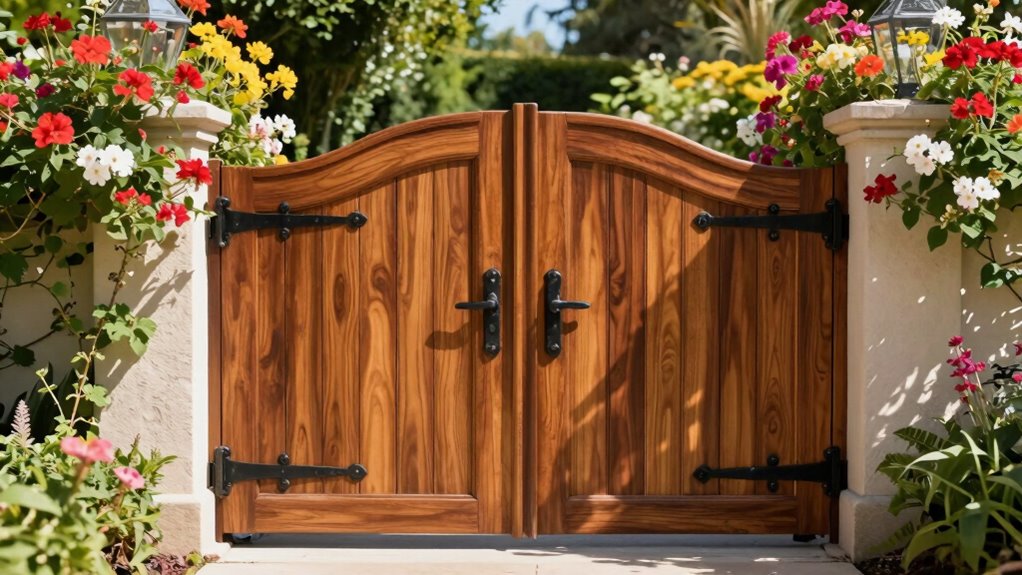
When you decide to build a garden gate, you’re not just adding a functional element to your yard; you’re creating an inviting entryway that enhances your garden’s charm. However, if you want your gate to stand the test of time, you need to pay attention to the details. One common issue gardeners face is sagging gates by mid-summer. Thankfully, with the right gate materials and hinge types, you can prevent this problem and guarantee your gate operates smoothly throughout the season.
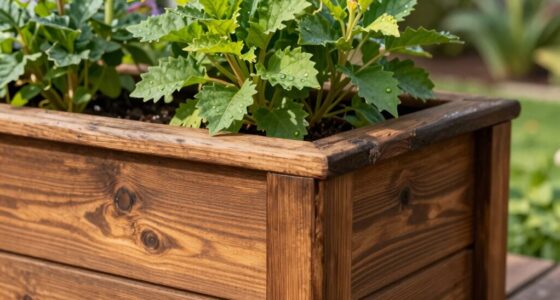
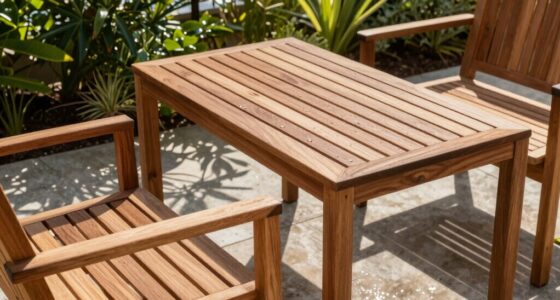
First, consider the gate materials you choose. Wood is a popular option, but it can warp or bow under the heat and moisture. If you opt for wood, select a dense variety like cedar or redwood, known for their durability. Alternatively, metal gates—whether wrought iron or aluminum—are sturdy and less prone to sagging. Composite materials can also be a great choice, offering the look of wood without the maintenance hassles. Whichever material you select, make sure it’s treated for outdoor use to withstand the elements. Using proper materials is essential for long-lasting results. Choosing the right outdoor-grade materials ensures your gate remains resilient against weather conditions. Additionally, considering weather-resistant finishes can further protect your gate from the elements and extend its lifespan.
Next, focus on the hinge types. You might think any hinge will do, but that couldn’t be further from the truth. Standard hinges can wear out quickly, causing your gate to sag over time. Instead, consider using heavy-duty hinges designed specifically for gates. These usually feature a larger surface area that distributes the weight more evenly. Additionally, self-closing hinges can help maintain tension, further preventing sagging. Positioning your hinges correctly is also essential; they should be installed about a third of the way down from the top and a third of the way up from the bottom of the gate.
Don’t forget to install a diagonal brace on the back of your gate. This simple addition can dramatically increase stability and reduce the chances of sagging. The brace should run from the top corner of the latch side to the bottom corner of the hinge side. This design counters the downward pull of gravity and keeps your gate aligned. Using proper support structures ensures your gate remains functional for years to come.
Finally, regular maintenance is vital. Check the hinges for rust and the gate for any signs of warping. Tighten screws and bolts as needed to make sure everything stays in place. A little proactive care goes a long way in keeping your garden gate looking great and functioning properly.
As an affiliate, we earn on qualifying purchases.
Frequently Asked Questions
What Materials Are Best for Building a Garden Gate?
For building a garden gate, you’ll want to choose sturdy wood types like cedar or redwood, as they resist warping and decay. These materials give your gate durability and an attractive look. Don’t overlook quality gate hardware, too; heavy-duty hinges and a robust latch will keep your gate functioning smoothly. Make sure to apply a weatherproof finish to protect your wood and hardware from the elements, ensuring your gate lasts for years.
How Can I Prevent Rust on Metal Gates?
Imagine your metal gate as a knight, bravely standing guard. To prevent rust, armor him with a high-quality rust inhibitor and apply a protective paint. Regular gate maintenance is key—check for scratches and touch them up promptly. Keep your gate dry and clear of debris, like a vigilant sentinel. With these steps, your gate will remain strong and steadfast against the elements, much like a knight defending his kingdom.
What Tools Do I Need for Gate Installation?
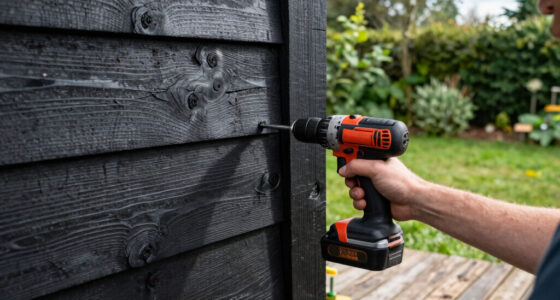
For gate installation, you’ll need a few essential tools. Start with a power drill for securing the gate frame and hinges. A level guarantees your gate hangs straight, while a tape measure helps you get precise dimensions. Don’t forget a screwdriver for hinge selection—choose the right type for your gate material. Finally, a wrench will help tighten bolts securely. With these tools, you’re set for a successful installation!
How Long Does It Take to Build a Garden Gate?
Building a garden gate can feel like crafting Excalibur for your yard—it’s that important! Typically, it takes you about a day to complete a sturdy, well-designed gate. Focusing on gate design and durability guarantees it stands the test of time. You’ll want to allocate time for measuring, cutting, and assembling materials. If you’re new to woodworking, consider budgeting an extra day for adjustments and practice. Your garden deserves a gate that lasts!
Can I Install a Gate on Uneven Ground?
Yes, you can install a gate on uneven ground. You’ll want to use gate leveling techniques like adjustable hinges and a sturdy frame to accommodate the terrain. Consider using uneven terrain solutions such as adding gravel or constructing a small retaining wall to create a level base. This way, your gate swings smoothly and stays aligned, preventing sagging. With the right approach, you’ll guarantee your gate functions well, no matter the landscape.
weather-resistant wood stain for outdoor gates
As an affiliate, we earn on qualifying purchases.
As an affiliate, we earn on qualifying purchases.
Conclusion
To sum up, building a sturdy garden gate can save you from the frustration of sagging by mid-summer. Did you know that nearly 30% of wooden gates sag within just two years due to improper installation? By following the right techniques and using quality materials, you can guarantee your gate stands the test of time. So, roll up your sleeves and take the time to build a gate that not only looks good but also lasts!
As an affiliate, we earn on qualifying purchases.
As an affiliate, we earn on qualifying purchases.
Fall yard work Picks
leaf blowers
As an affiliate, we earn on qualifying purchases.