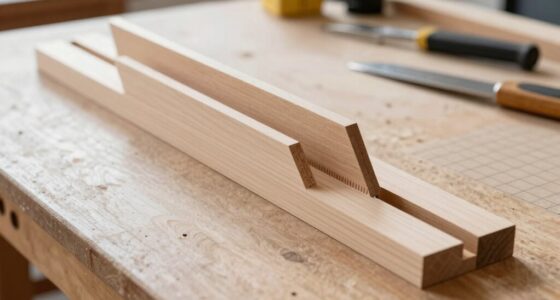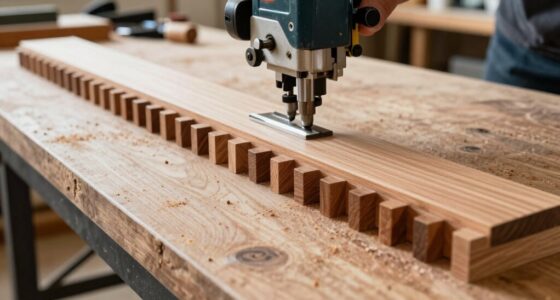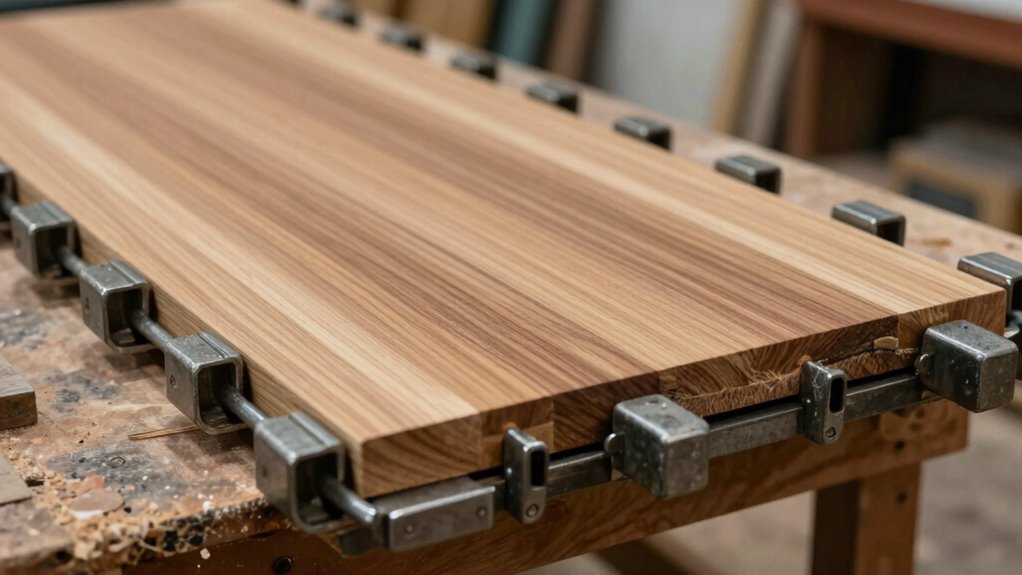

To clamp panels flat and prevent bowing, select sturdy, flat cauls made of softwood or hardwood that match your panel size. Place cauls across the surface, ensuring full contact, and tighten clamps gradually from the center outward or in a crisscross pattern. Using proper caul placement and even pressure during clamping helps maintain flatness and avoids warping. Continue with the right technique, and you’ll achieve perfectly flat panels every time.
Key Takeaways
- Use flat, sturdy cauls made of softwood or hardwood to evenly distribute clamping pressure and prevent dents.
- Position cauls directly across the panel’s surface, ensuring full contact and avoiding gaps for uniform force.
- Place multiple cauls along the panel’s length and width, especially on larger surfaces, to maintain flatness.
- Gradually tighten clamps starting from the center and working outward to apply even pressure and prevent bowing.
- Regularly check panel flatness during clamping, adjusting cauls and clamps as needed to maintain a straight, smooth surface.
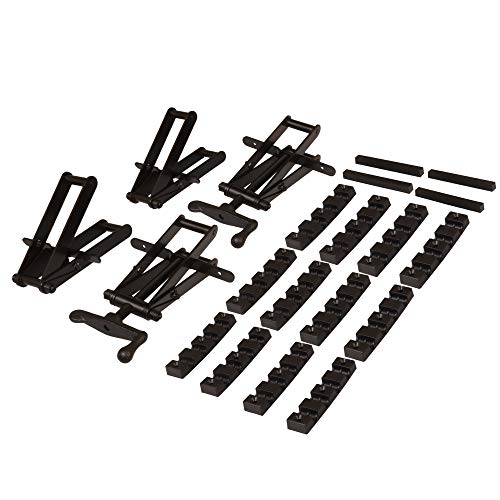
Peachtree Woodworking Supply 2 Pack of 4 Way Pressure Clamps for Clamping Panels From All Four Directions. For Woodworkers, Cabinet and Furniture Makers (2 four way pressure clamps)
Clamping panels can certainly be a challenge. Especially when we try to use everyday pipe clamps or bar…
As an affiliate, we earn on qualifying purchases.
As an affiliate, we earn on qualifying purchases.
Why Panels Bow and How It Affects Your Projects
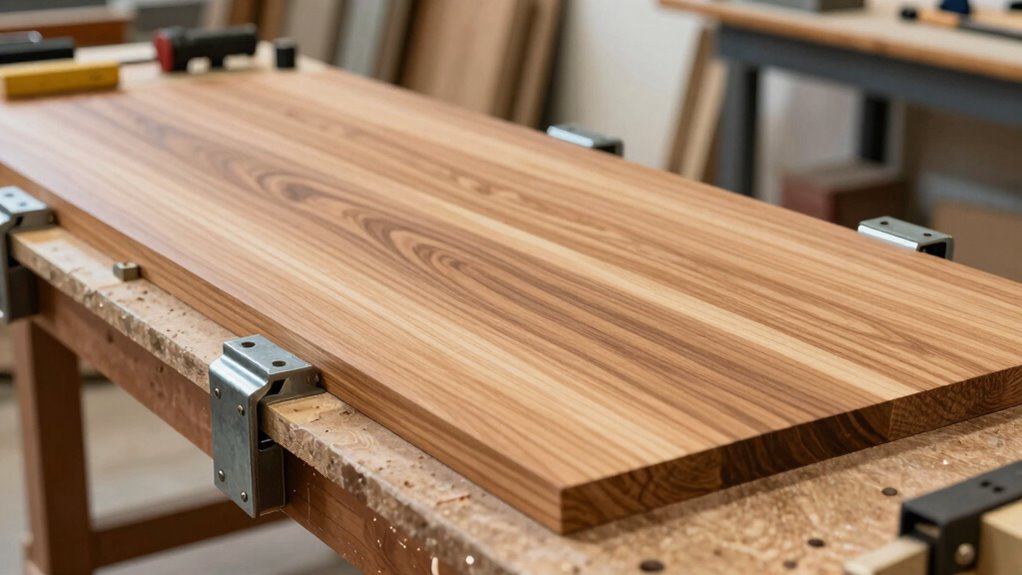
Panels tend to bow when they’re exposed to moisture, temperature changes, or uneven pressure during handling and installation. This bowing often results from improper grain orientation, where the wood’s grain runs in a direction that’s vulnerable to expansion or contraction. When the grain isn’t aligned correctly, the panel can warp, leading to distorted surfaces and compromised structural integrity. Warping not only affects the appearance but also makes subsequent assembly more difficult, as panels may no longer fit flush. If you ignore these factors, your project’s craftsmanship suffers, and finishing becomes more challenging. To prevent this, it’s essential to understand how grain orientation influences panel stability and take precautions during storage and installation to minimize warping risks. Additionally, European standards for wood products emphasize proper grain alignment to ensure durability and dimensional stability.
Peachtree Woodworking Supply 2 Pack of 4 Way Pressure Clamps for Clamping Panels From All Four Directions. For Woodworkers, Cabinet and Furniture Makers (2 four way pressure clamps)
Clamping panels can certainly be a challenge. Especially when we try to use everyday pipe clamps or bar…
As an affiliate, we earn on qualifying purchases.
As an affiliate, we earn on qualifying purchases.
How to Choose the Best Cauls: Materials and Sizes
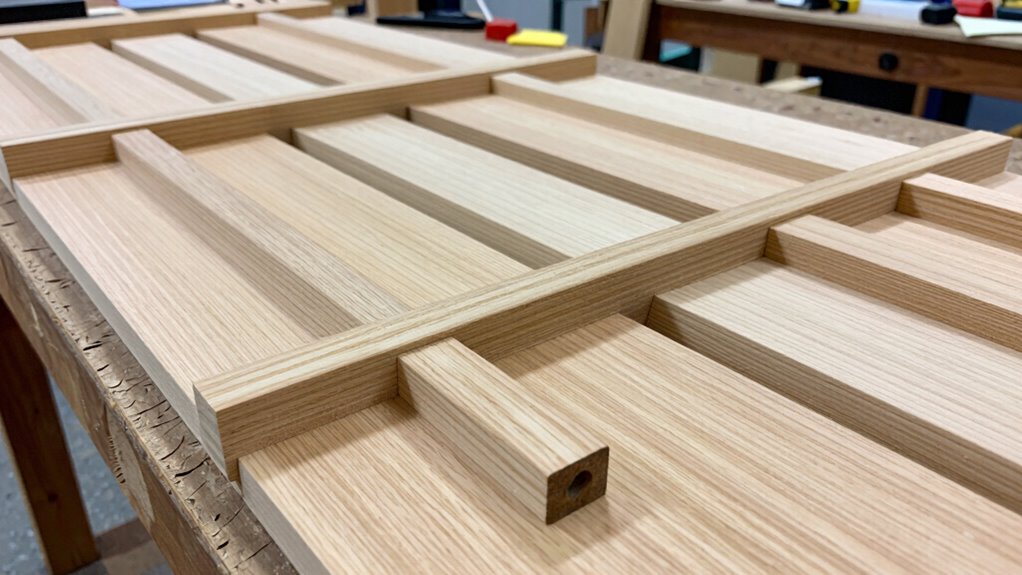
Choosing the right cauls is key to ensuring your panels stay flat during gluing and clamping. When selecting wood types, opt for softwoods like pine or cedar, as they’re gentle on your panels and less likely to leave marks. Hardwoods such as maple or oak offer durability but can be heavier and more prone to imprinting if not used carefully. Consider caul sizes that match your panel dimensions—longer cauls provide even pressure across wide surfaces, while smaller ones are better for detailed work. Always choose cauls thick enough to prevent bending under pressure but not so thick that they unevenly distribute clamping force. Proper material and size choices help you achieve a flat, professional-looking panel without risking bowing or warping. Additionally, selecting cauls with appropriate surface finishes can prevent marring and ensure a smooth, even pressure distribution during clamping.
Peachtree Woodworking Supply 2 Pack of 4 Way Pressure Clamps for Clamping Panels From All Four Directions. For Woodworkers, Cabinet and Furniture Makers (2 four way pressure clamps)
Clamping panels can certainly be a challenge. Especially when we try to use everyday pipe clamps or bar…
As an affiliate, we earn on qualifying purchases.
As an affiliate, we earn on qualifying purchases.
How to Use Cauls for Flat, Bow-Free Panels : Step-by-Step
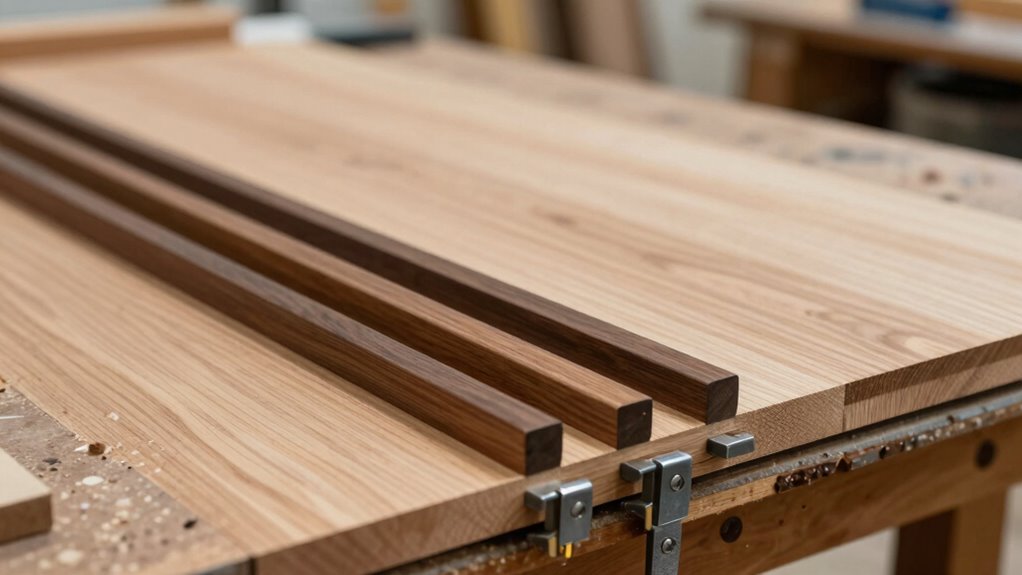
To guarantee your panels stay flat and free of bows, you need to use cauls effectively. Start by selecting the right cauls, then position them carefully to support the panel evenly. Finally, apply consistent pressure to achieve a perfectly flat surface. Incorporating nanotechnology-enabled materials into your cauls can further enhance their effectiveness by providing superior strength and flexibility.
Selecting Proper Cauls
Selecting the right cauls is essential to guarantee your panels stay flat and free of bows during clamping. First, choose cauls made from stable, straight-grain wood to prevent warping over time. The wood grain should run parallel to the panel’s length for ideal pressure distribution. Moisture control is also critical—use dry, well-seasoned wood to avoid swelling or shrinking that can cause uneven surfaces. Thick cauls provide better support and reduce indentation, especially on larger panels. Avoid soft or warped wood that can transfer uneven pressure or introduce new distortions. Proper caul selection ensures even clamping force and helps maintain the panel’s flatness. When you select cauls thoughtfully, you set a solid foundation for a bow-free, pristine surface. Additionally, understanding the importance of consistent feedback during the clamping process can help you make adjustments and ensure optimal results.
Positioning Cauls Correctly
Ever wondered how to guarantee your cauls effectively keep panels flat during clamping? Proper caul placement is key to achieving even pressure distribution and preventing bowing. Position your cauls across the panel, ensuring they sit flat and contact the entire surface. Use your hand or a straightedge to verify contact points, adjusting as needed. To visualize, consider this table:
| Caul Placement | Pressure Distribution |
|---|---|
| Centered cauls | Even across the panel |
| Edge cauls | Prevents dips and bows |
| Multiple cauls | Supports larger surfaces |
Align cauls carefully, avoiding gaps or uneven contact. Correct positioning ensures consistent pressure, reducing the risk of warping and ensuring a flat, stable finish. For added stability, consider employing simple strategies that can help maintain panel flatness throughout the process.
Applying Even Pressure
Achieving a flat, bow-free panel hinges on applying even pressure across its surface. Proper clamping techniques ensure that force is distributed uniformly, preventing panel warping. Start by placing your cauls and clamps strategically, avoiding hotspots that could cause uneven pressure. Tighten the clamps gradually, moving from the center outward or in a crisscross pattern. This approach helps avoid stress concentrations that lead to warping. Check the panel frequently as you tighten to ensure consistent contact. Remember, uneven pressure can cause the panel to bow or develop dips, undermining your efforts. Using multiple clamps and cauls properly spaced ensures that pressure remains balanced, resulting in a flat, smooth surface free of warping or distortions. Additionally, understanding the importance of pressure distribution can significantly improve your results.

VANROUG 4Pcs Drawer Front Installation Clamps, Drawer Fixing Clips, Adjustable Drawer Face Clamp jig C Clamps, Easy and Stable Drawer Front Mounting Tool for Woodworking, Black
Durable – The cabinet installation clamps structure is stable and reliable, the surface is specially treated to prevent…
As an affiliate, we earn on qualifying purchases.
As an affiliate, we earn on qualifying purchases.
Tips for Applying Even Pressure When Clamping

To get the best results, you need to guarantee the pressure from your clamps is spread evenly across the panel. Using clamping cauls can help distribute force and prevent uneven bending. Keep these tips in mind to achieve a flat, professional finish every time. Proper clamping techniques involve careful planning of pressure points and understanding wood movement to maintain panel flatness.
Distribute Pressure Evenly
Applying even pressure when clamping is essential to guarantee your panels lay flat without causing damage. Uneven clamp pressure can lead to panel warping or gaps, compromising your project’s integrity. To distribute pressure evenly, adjust your clamps gradually and systematically, ensuring each clamp applies similar force. Use a pressure-sensitive pad or scrap wood between the clamp and panel to prevent localized pressure points. Consider the following approach:
| Clamp Position | Pressure Adjustment | Result |
|---|---|---|
| Center | Slightly tighter | Reduces bowing in middle |
| Edges | Uniform tightening | Prevents warping edges |
| Corners | Gentle tightening | Maintains panel shape |
| Overall | Check with level | Ensures flatness |
Consistent clamp pressure helps avoid panel warping and ensures a smooth, flat surface. Proper clamping technique is crucial for achieving optimal results in woodworking projects.
Use Clamping Cauls
Using clamping cauls helps distribute pressure more evenly across your panels, reducing the risk of warping or damage. Position the cauls so they follow the natural wood grain, which helps prevent uneven pressure that could distort the panel. Make certain the cauls are wide enough to cover a large area, spreading the force uniformly. This technique also aids moisture control by minimizing stress points that could trap or release moisture unevenly. When applying the clamps, tighten them gradually, checking that pressure remains consistent across the panel. Proper use of cauls prevents bowing caused by uneven clamping force, especially important with panels that are sensitive to moisture fluctuations. Additionally, choosing the right clamping technique enhances the overall flatness and stability of the panel surface. Overall, clamping cauls are essential for achieving a flat, stable panel surface.
Common Clamping Mistakes and How to Fix Them
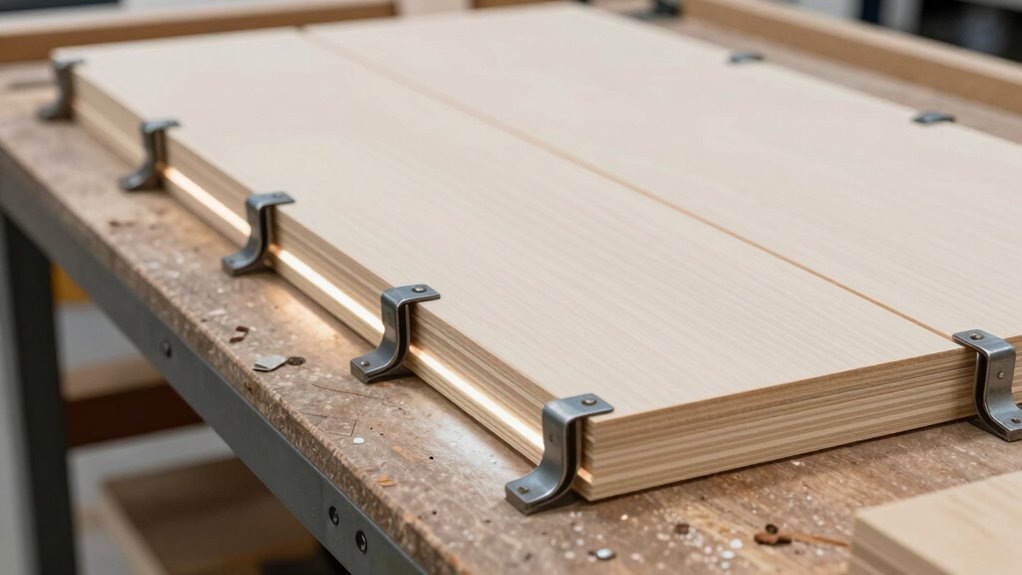
One common mistake when clamping panels is not ensuring even pressure across the entire surface, which can cause warping or uneven joints. Poor clamp alignment often results in uneven distribution of force, leading to bowed panels or gaps. To fix this, double-check your clamp placement before tightening, ensuring they’re spaced evenly and aligned properly. Additionally, pay attention to caul material selection; a sturdy, flat caul helps distribute pressure uniformly and prevents dents or impressions. Avoid using flexible or warped cauls, as they won’t provide consistent pressure. Consistent, even clamping is essential for flat, professional results. Proper clamp alignment combined with the right caul material makes all the difference in achieving perfectly flat panels without distortion or bowing. Remember that water-based techniques can also help in controlling moisture and ensuring the panels stay flat during the drying process.
Troubleshooting Caul Techniques for Perfect Results
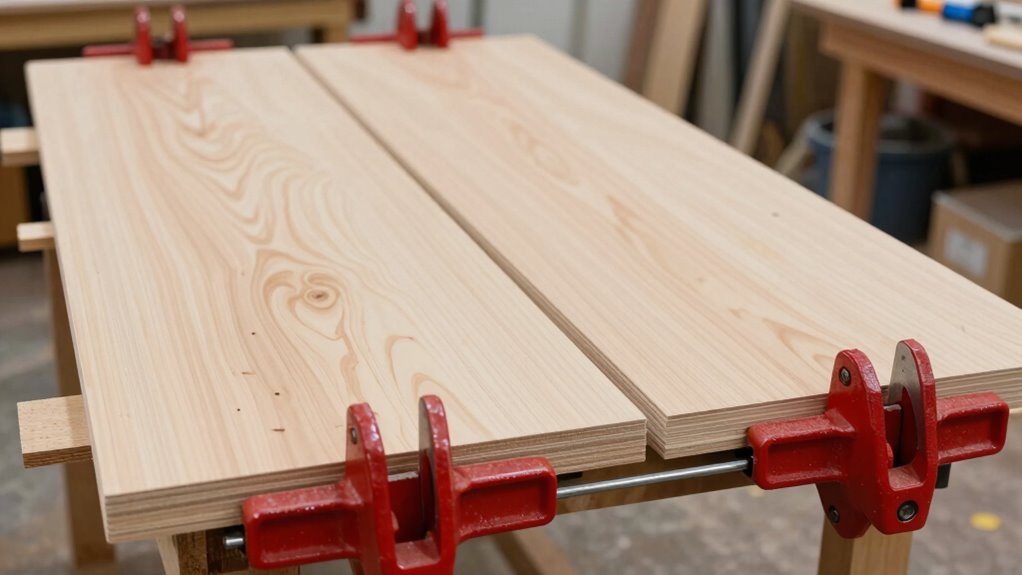
When troubleshooting caul techniques, the key is to identify and correct issues that prevent even pressure distribution. First, check your clamping pressure; too much can cause bowing or dents, while too little won’t hold the panel flat. Adjust your clamps for consistent pressure across the entire caul. Next, review your material prep—ensure your panel and caul are free of debris, moisture, or rough spots that can cause uneven contact. Properly plan your caul placement to distribute force evenly, avoiding high-pressure points. If you notice uneven results, tweak your technique by repositioning clamps or adding more support. Remember, balanced clamping pressure combined with meticulous material prep is essential for achieving perfectly flat panels without defects.
Frequently Asked Questions
Can Cauls Be Reused for Different Projects Effectively?
Yes, you can reuse cauls for different projects effectively. Just guarantee you select the right caul materials suited for each task, like hardwood or plywood, which are durable and easy to clean. Proper caul maintenance, including cleaning and inspecting for damage, helps prolong their usability. By taking good care of your cauls, you’ll save money and time, making them a reliable tool across multiple projects.
What Are the Signs of Improper Caul Application?
Think of caul placement like tuning a musical instrument—you want just the right tension. Signs of improper caul application include uneven pressure, visible bowing, or gaps between the caul and panel. If you notice these issues, it indicates proper pressure isn’t being maintained, risking warping. Always make certain your caul is snug and evenly pressing across the panel to prevent damage and achieve a flawless finish.
How Do Environmental Conditions Affect Clamping Success?
Environmental conditions greatly impact your clamping success. High humidity effects can cause wood to swell, making it harder to clamp flat and increasing the risk of bowing. Temperature fluctuations also affect wood stability, leading to expansion or contraction that hampers proper adhesion. To guarantee effective clamping, control humidity levels and maintain consistent temperatures in your workspace, preventing these environmental factors from undermining your efforts and ensuring a flat, professional finish.
Are There Specific Safety Precautions When Using Cauls?
When using cauls, you should wear safety gear like gloves and eye protection to prevent injuries. Always guarantee proper handling by applying even pressure and avoiding excessive force that could cause the cauls to slip or break. Keep your workspace clear of obstructions, and double-check that the cauls are securely positioned before tightening. These precautions help you work safely and achieve the best results without risking damage or personal harm.
How Long Should Cauls Stay in Place for Optimal Results?
You should leave the cauls in place for at least 24 hours to guarantee the panels stay flat. Use a sturdy caul material that distributes clamping pressure evenly, preventing bowing. Keep the clamps tight but not overly so, as excessive pressure can damage the material. During this time, avoid moving or disturbing the panels to achieve the best results. Patience ensures your panels stay perfectly flat.
Conclusion
By mastering the caul strategy, you’re building a sturdy bridge across the project’s potential pitfalls. Think of your panels as delicate sails—proper clamping keeps them steady against gusts of warping. When you apply even pressure, it’s like tuning a fine instrument, ensuring every note rings true. With these techniques, you’ll steer your woodworking ship smoothly, arriving at perfectly flat, professional panels that stand tall against the test of time.