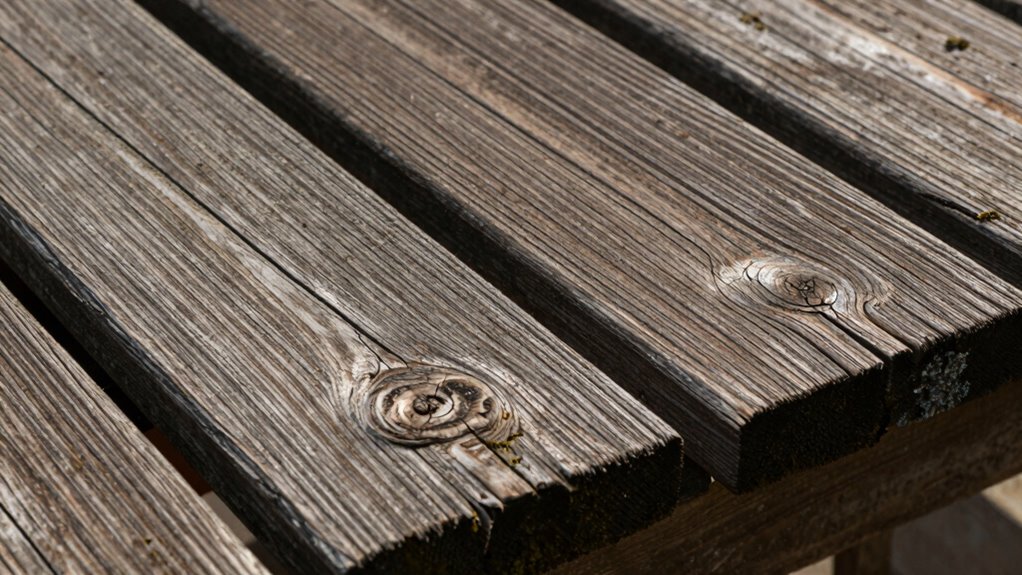

To make wood survive outdoors, look for natural traits like high oil content, tight grain, and dense structures that resist moisture, decay, and pests. Woods such as cedar, redwood, teak, and ipe are naturally durable because they contain tannins and oils that fend off fungi and insects. Proper treatment with sealants or preservatives boosts durability even more. By choosing and maintaining the right wood, you’ll guarantee your outdoor projects last longer—discover how to do it effectively.
Key Takeaways
- Natural oils, tannins, and dense grain structures in certain woods repel moisture, fungi, and pests, enhancing rot resistance.
- Selecting woods like cedar, redwood, or ipe with inherent durability traits extends outdoor lifespan.
- Proper seasoning, sealing, and treatment create barriers against water infiltration and decay-causing organisms.
- Maintaining wood with regular sealing, drainage, and inspections prevents moisture buildup and pest intrusion.
- Dense, tight grain patterns and minimal knots reduce water pathways, improving long-term outdoor rot resistance.
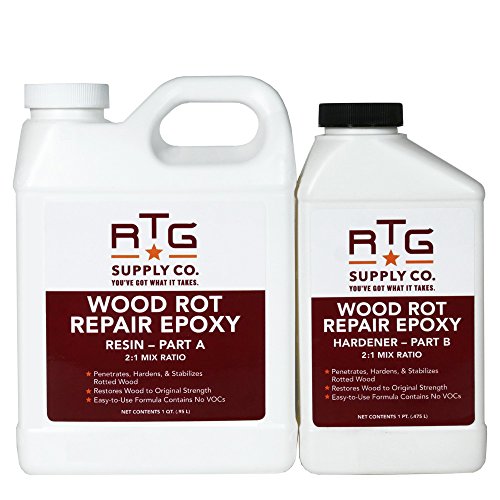
RTG Supply Co – Wood Rot Repair Epoxy (Quart)
Clear, two-part, liquid epoxy treatment penetrates deeply to stabilize, harden, & seal damaged wood.
As an affiliate, we earn on qualifying purchases.
As an affiliate, we earn on qualifying purchases.
Why Choosing Rot-Resistant Wood Matters for Your Outdoor Projects
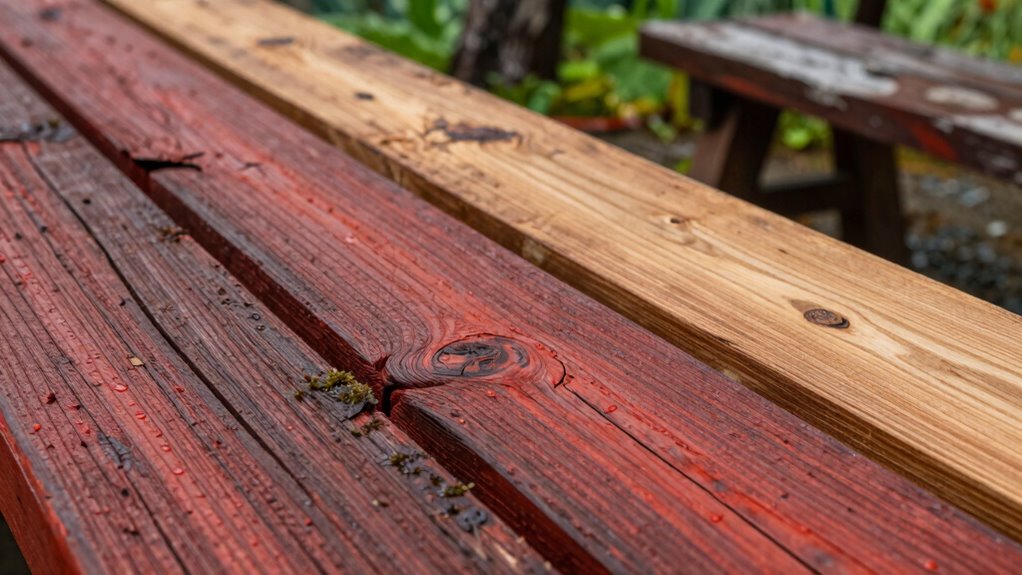
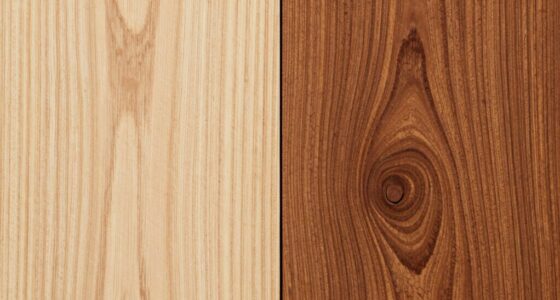
Choosing rot-resistant wood for your outdoor projects is essential because it guarantees your structures last longer and require less maintenance. The wood grain plays a vital role, as tighter, more uniform grain reduces pathways for moisture to penetrate. Additionally, managing moisture content is crucial; wood with lower moisture levels resists decay better. Rot-resistant woods naturally have properties that limit absorption, preventing water from lingering in the fibers. When selecting wood, look for species with a dense, tight grain pattern and proper moisture content to ensure durability. Proper wood treatment methods can further enhance resistance to decay and extend the lifespan of your outdoor structures. By prioritizing these factors, you improve your project’s longevity, reducing the need for frequent repairs and replacements. Ultimately, choosing the right wood not only saves money but also guarantees your outdoor structures withstand the elements over time.

DEFY Essential Semi-Transparent Outdoor Wood Stain and Sealer in One, 1 Gallon, Redwood – Wood Sealer Outdoor Waterproof Deck Stain
Wood Stain and Sealer in One – This product works as a wood stain and water sealer for…
As an affiliate, we earn on qualifying purchases.
As an affiliate, we earn on qualifying purchases.
What Are the Key Traits That Make Wood Naturally Durable Outdoors
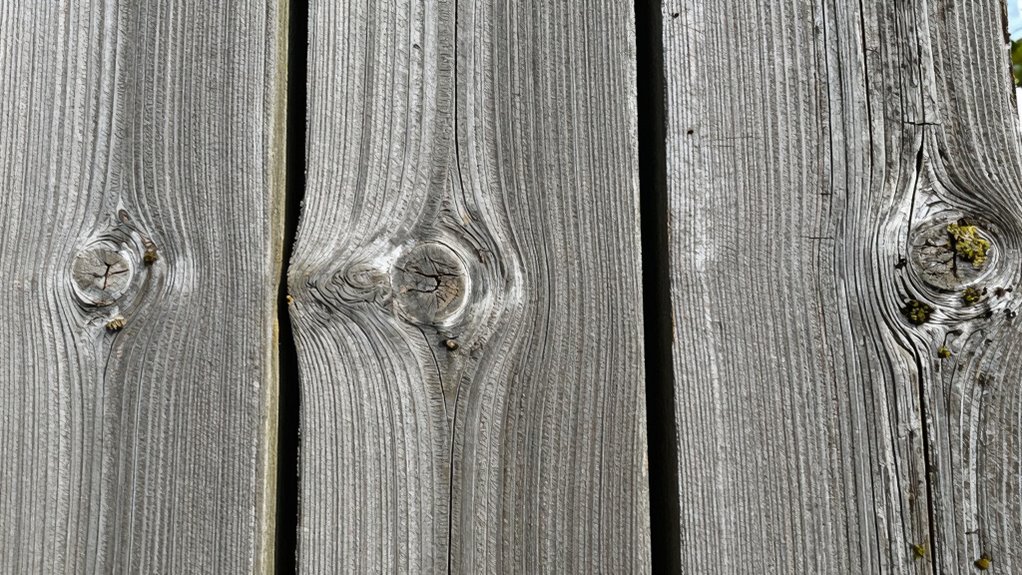
To understand what makes wood naturally durable outdoors, you need to look at its key traits. Wood with high natural oil content resists moisture and decay better, while dense grain structures add strength and longevity. These qualities work together to help wood withstand the elements and last longer without rot. Additionally, selecting free floating wood options can further enhance outdoor durability by reducing susceptibility to environmental damage.
Natural Oil Content
Natural oil content is a key trait that gives certain woods their durability outdoors. Woods rich in natural oils resist moisture, decay, and pests better than those lacking oils. These oils act as a protective barrier, preventing water infiltration that leads to rot. Additionally, many of these woods contain high levels of wood tannins, which deter fungi and insects. Tannins are natural chemical compounds that contribute to the wood’s resistance by creating an inhospitable environment for decay organisms. This combination of natural oils and tannins makes the wood inherently more resilient without needing chemical treatments. Recognizing best-rated pinball machines of 2024 can inspire you to choose durable, high-quality materials for your outdoor projects. When selecting wood for outdoor projects, considering the natural oil content can help ensure your structure withstands the elements and lasts longer in harsh conditions.
Density and Grain Structure
Density and grain structure substantially influence a wood’s ability to withstand outdoor conditions. Higher wood density typically means fewer voids, making it less susceptible to moisture absorption and decay. The grain pattern also plays a vital role; tight, straight grains create a uniform surface that resists splitting and water penetration. When selecting durable outdoor wood, consider these traits:
- Dense wood species with high wood density for durability.
- Tight, consistent grain patterns that reduce water ingress.
- Minimal knots or irregularities that can weaken the structure.
- Straight grain orientation to improve stability and resistance.
Additionally, grain orientation is crucial, as it affects the natural strength and longevity of the wood in outdoor environments.
Resistance to Decay
Certain traits make wood inherently resistant to decay when used outdoors. Fungal resistance is key, as it prevents harmful fungi from breaking down the wood’s fibers. Woods with natural fungicidal properties, like cedar and redwood, resist decay longer than softer species. Moisture protection also plays a crucial role; woods that repel water or dry quickly are less likely to foster fungal growth. Properly seasoned or treated wood enhances this resistance, reducing moisture absorption. When choosing outdoor wood, look for species with inherent fungal resistance and good moisture protection. These traits ensure that your wood withstands the elements, prolonging its lifespan and maintaining its structural integrity in outdoor environments. Combining these qualities is indispensable for durable, rot-resistant outdoor wood. Additionally, selecting pressure-treated wood can provide extra protection against decay and pests, further extending the life of outdoor wooden structures.

Olympic WaterGuard 11 oz. Clear Exterior Waterproofing Wood Sealer Spray
Ready to use clear sealant and waterproofer
As an affiliate, we earn on qualifying purchases.
As an affiliate, we earn on qualifying purchases.
The Best Rot-Resistant Woods and How to Use Them
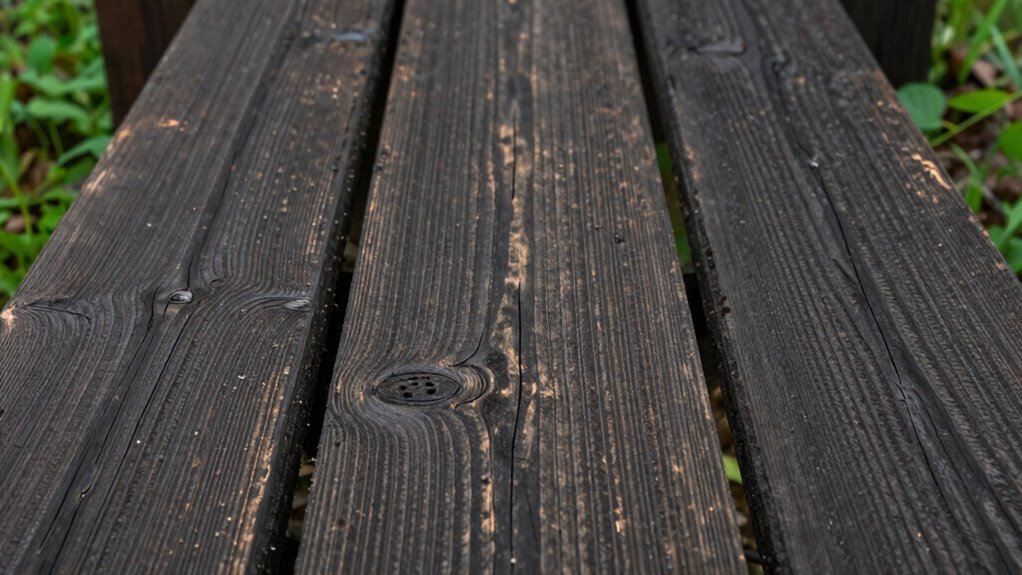
When choosing wood for outdoor projects, selecting rot-resistant options can markedly extend their lifespan. Some woods naturally resist decay due to their dense wood grain and natural oils, making them ideal for longevity. Be aware that these woods often have distinct color variations, adding visual appeal. To help you select the best options, consider:
Choosing rot-resistant woods like cedar and teak enhances outdoor project durability and beauty.
- Teak – Known for its tight wood grain, rich color, and durability, perfect for furniture and structural elements.
- Cedar – Light in color with a fine, straight grain, ideal for fencing and siding.
- Redwood – Exhibits warm hues and consistent grain, great for decks and outdoor furniture.
- Ipe – Dense, dark-colored wood with tight grain, suitable for high-traffic outdoor surfaces. Additionally, understanding wood treatment methods can further enhance the rot resistance and longevity of your outdoor projects.

Cedarcide Cedarshield (1 Gallon) | Non-Toxic Wood Treatment and Stabilizer | Protects Wood from Moisture and Decay
✔️ Perfect for fences, decks, woodwork, garden boxes, docks, and outdoor furniture ✅ USE ON ALL WOOD TYPES:…
As an affiliate, we earn on qualifying purchases.
As an affiliate, we earn on qualifying purchases.
How Treatments Can Make Your Wood Last Even Longer
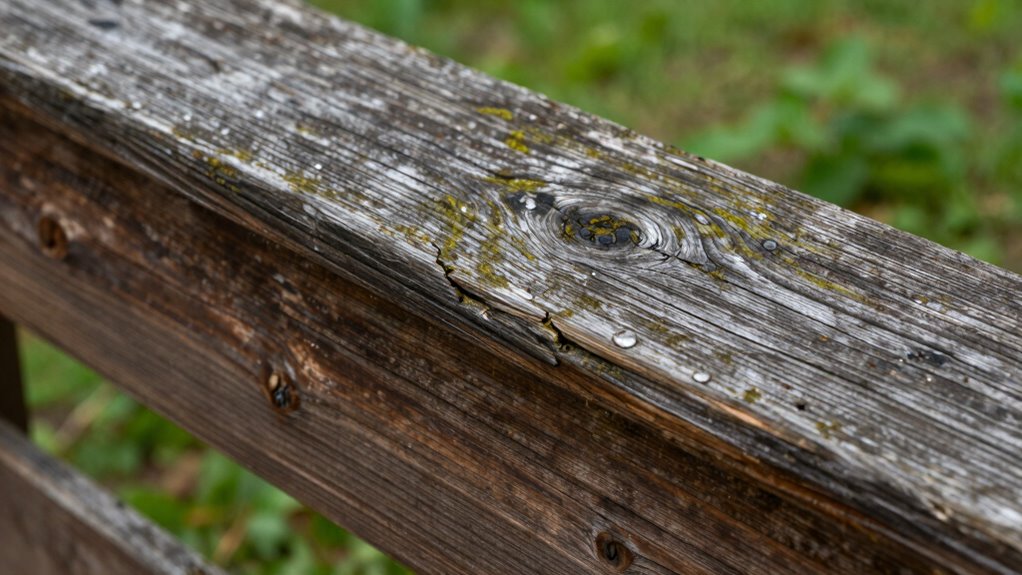
Treatments can substantially extend the lifespan of your wood by protecting it from moisture and pests. You’ll need to choose between chemical and natural options and learn proper application techniques for the best results. Understanding these choices helps guarantee your wood stays durable for years to come. Incorporating appropriate protective treatments can also improve the overall resistance of wood to the elements.
Types of Wood Treatments
Applying wood treatments can considerably extend the lifespan of your wood by protecting it from moisture, pests, and decay. These treatments help preserve the wood grain and minimize weathering effects that cause surface damage over time. Here are four common types:
- Sealants – Create a barrier against water infiltration, preventing swelling and cracking.
- Oil finishes – Penetrate deeply, enhancing natural beauty while offering moisture resistance.
- Varnishes – Form a hard, protective surface that guards against weathering effects like UV rays.
- Preservatives – Treat wood internally to inhibit pests and fungal growth, extending durability in outdoor environments. Proper application of these treatments can also enhance long-term durability and protect your investment.
Chemical Versus Natural Options
Choosing between chemical and natural wood treatments depends on your priorities for longevity and environmental impact. Chemical wood preservatives often provide stronger, longer-lasting protection against rot and pests, but may contain harmful substances. Natural oils, like tung or linseed oil, are eco-friendly options that enhance durability without toxic chemicals. While natural oils nourish the wood, chemical preservatives penetrate deeply for maximum resistance. Additionally, auditory feedback therapy techniques can be used to monitor and improve the application process for both treatment types.
Proper Application Techniques
To guarantee your wood treatment lasts as long as possible, proper application techniques are essential. Start by examining the wood grain to ensure even penetration of the chemical treatments. Clean the surface thoroughly, removing dirt and debris, to allow for better absorption. When applying, use a brush or sprayer to follow the natural flow of the grain, avoiding missed spots. Ensure each coat is applied uniformly and allow sufficient drying time between layers. Proper coverage prevents water ingress and decay. Additionally, consider weather conditions; avoid applying treatments in direct sunlight or rain. By following these steps, you maximize the effectiveness of chemical treatments and extend your wood’s outdoor lifespan. Proper application is key to long-lasting rot resistance. Consistent maintenance routines also play a vital role in preserving your wood’s durability over time.
Picking the Right Wood for Your Climate and Project Needs
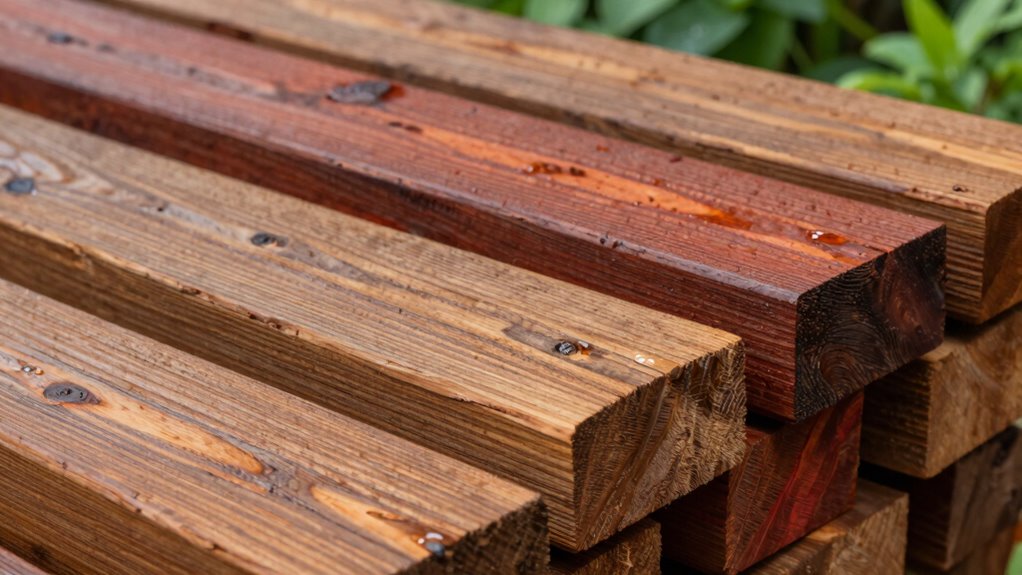
Selecting the right wood for your project depends largely on your climate and specific needs. Consider how the wood grain affects moisture control—tight, straight grains resist water penetration better, making them ideal for outdoor use. In humid or rainy environments, choose woods with naturally dense grain patterns that help shed moisture and prevent rot. If your climate experiences dry spells, softer woods with more open grain might suffice, but guarantee they’re treated properly. Think about how your project interacts with its surroundings; for example, decking needs wood that handles fluctuating moisture levels. By understanding your climate’s moisture challenges and selecting wood with appropriate grain characteristics, you can improve rot resistance and longevity for your outdoor project.
Cost, Availability, and Durability: Which Rot-Resistant Woods Are Worth It?
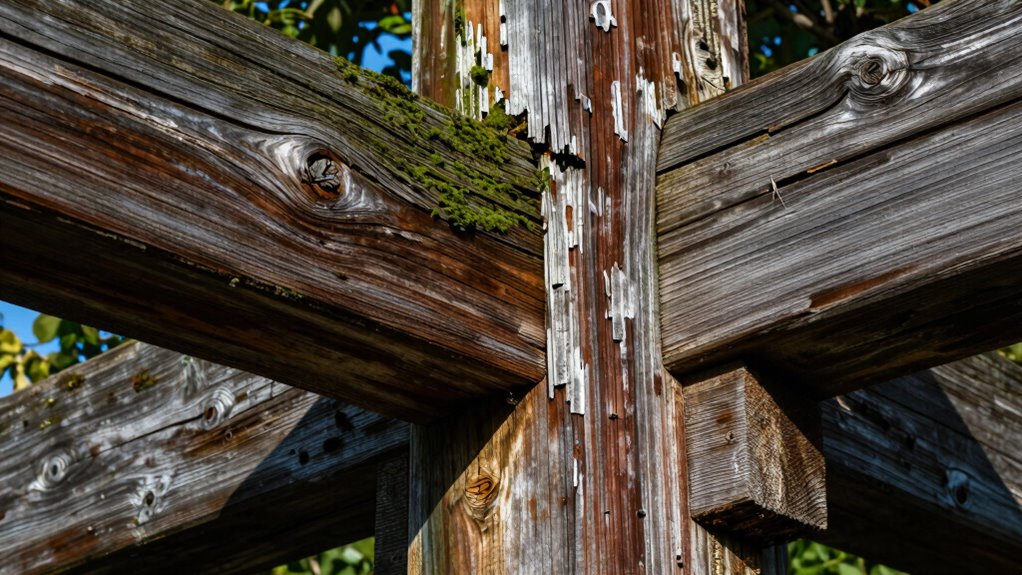
While some rot-resistant woods come with a higher price tag, their durability often justifies the investment, especially for outdoor projects that face harsh weather. When choosing, consider the wood grain, as tighter grains resist moisture penetration better. Moisture content is essential; woods with low moisture levels are less prone to rot. Here are four options worth considering:
- Teak – Its dense, oily wood grain resists moisture and decay, but it’s costly and sometimes hard to find.
- Ipe – Known for its tight grain and durability, it’s a long-lasting choice despite its premium price.
- Cedar – More affordable, with a distinct grain pattern, it’s naturally resistant but may require treatment.
- Redwood – Offers a balance of availability and rot resistance, especially when moisture content is kept low.
Tips for Maintaining Outdoor Wood to Keep It Rot-Free
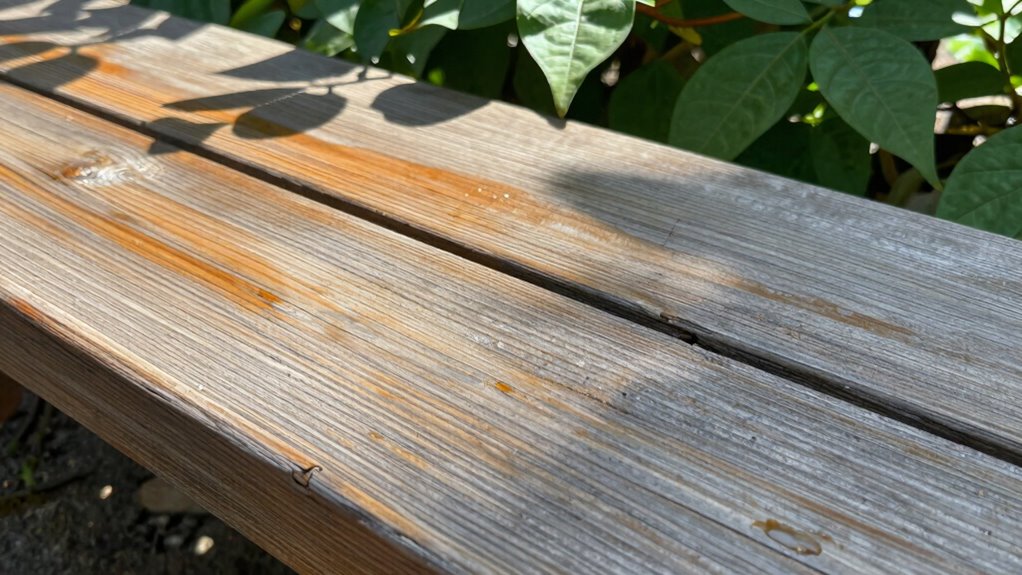
Maintaining outdoor wood properly can substantially extend its lifespan and keep it rot-free. Regular wood preservation is essential; apply sealants or stains designed for outdoor use to create a barrier against moisture. Guarantee proper drainage around your wood structures to prevent water pooling, which accelerates rot. Keep the wood clean and dry by removing debris and dirt that can harbor fungi. Insect prevention is equally important—treat the wood with insect-repellent solutions to deter pests like termites and beetles that can cause damage. Inspect your wood periodically for signs of rot or insect activity, and address problems promptly. Proper maintenance not only preserves the appearance but also protects your investment by preventing decay and insect infestations, ensuring your outdoor wood stays strong and durable over time.
Common Mistakes When Choosing and Using Rot-Resistant Wood
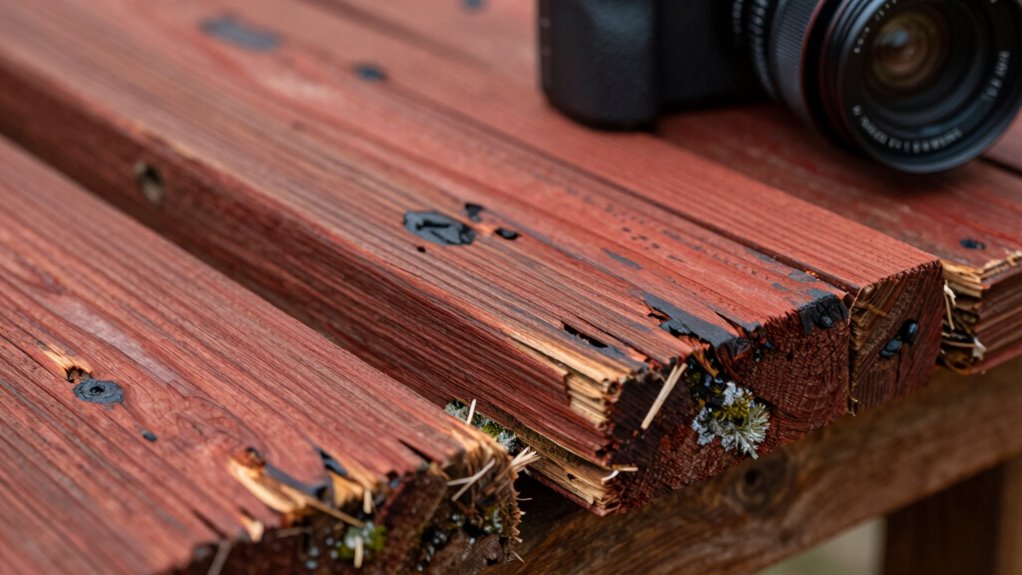
Choosing the wrong type of rot-resistant wood or misapplying it can undermine your efforts to protect outdoor structures. Common mistakes include overlooking essential treatment details, which can lead to fungus growth or insect infestation. Here are key errors to avoid:
- Selecting wood based solely on appearance rather than durability, risking inadequate resistance to moisture.
- Failing to properly seal or treat the wood, allowing fungi and insects to penetrate.
- Installing untreated or improperly treated wood in contact with soil or standing water, increasing rot risk.
- Ignoring maintenance, which can allow moisture buildup, fostering fungus growth and pest infestation.
Frequently Asked Questions About Rot Resistance and Outdoor Wood Durability
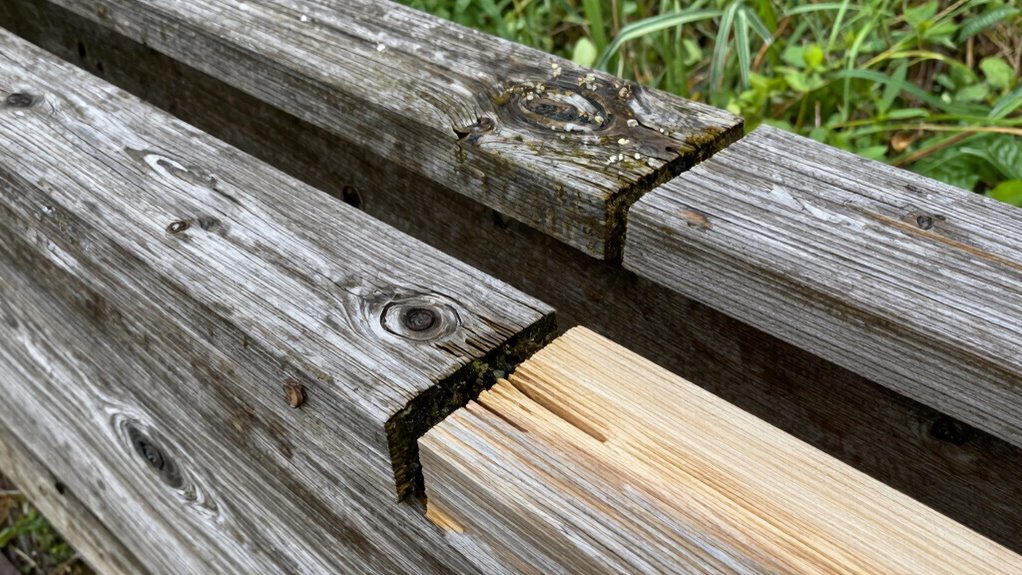
Are you wondering how to select the most durable outdoor wood that resists rot effectively? It all comes down to understanding wood preservation and how moisture barriers work. Properly treated or naturally rot-resistant woods can last longer outdoors, but applying moisture barriers like sealants or stains adds extra protection. These barriers help prevent water from penetrating the wood, reducing the risk of decay. Keep in mind that no wood is entirely rot-proof; maintenance is key. If you’re unsure which wood type suits your project, ask about its natural durability and recommended preservation methods. By combining the right wood choice with effective moisture barriers, you’ll considerably improve outdoor wood’s lifespan and ensure your project withstands the elements.
Frequently Asked Questions
How Long Does Rot-Resistant Wood Typically Last Outdoors?
Rot-resistant wood typically lasts 10 to 30 years outdoors, depending on your wood treatment and decay resistance. If you choose pressure-treated or naturally decay-resistant wood like cedar or redwood, it’ll endure longer. Properly sealing and maintaining your wood also extend its lifespan, protecting it from moisture and pests. Keep in mind that environmental factors and exposure will influence how long your rot-resistant wood stays in good condition.
Can Rot-Resistant Wood Be Recycled or Environmentally Friendly?
Yes, rot-resistant wood can be recycled and is generally more environmentally friendly. You can explore recycling options like repurposing or mulching it, which helps reduce waste. Its durability means it lasts longer, decreasing the need for frequent replacements and minimizing environmental impact. When it’s time to dispose of it, check with local facilities about eco-friendly options to verify you’re making a sustainable choice for the environment.
Are There Specific Tools Needed to Work With Rot-Resistant Wood?
You’ll need specialized cutting tools, like carbide-tipped blades, to work with rot-resistant wood because it’s denser and tougher. Wearing protective coatings, such as gloves and safety glasses, is essential to prevent splinters and chemical exposure. These tools help you make clean cuts without damaging the wood’s structure, ensuring durability. Always follow safety guidelines, and consider using power tools for efficiency and safety when handling this resilient material.
How Do Weather Conditions Affect the Longevity of Rot-Resistant Wood?
Weather conditions considerably impact the longevity of rot-resistant wood. You’ll notice that moisture fluctuations caused by rain or humidity, combined with temperature variations, can accelerate decay despite the wood’s natural resistance. To extend its lifespan, guarantee proper sealing and ventilation, especially in areas prone to weather extremes. Keeping the wood dry and stable minimizes these environmental effects, helping your rot-resistant wood last longer outdoors.
Is Rot-Resistant Wood Suitable for All Types of Outdoor Projects?
Rot-resistant wood is suitable for many outdoor projects, but you should consider treatments’ compatibility and aesthetic considerations. Some treatments may alter the wood’s appearance or interfere with its durability, so check compatibility before applying. Also, assess if the wood’s natural look matches your design goals, as certain rot-resistant options have distinct textures or colors. When chosen wisely, rot-resistant wood offers long-lasting, low-maintenance results for your outdoor projects.
Conclusion
Choosing the right rot-resistant wood is like planting a sturdy tree—you want it to stand strong through storms and seasons. By understanding key traits, selecting the best types, and maintaining your wood, you’re giving your outdoor projects a fighting chance against decay. Think of it as investing in a reliable friend who endures over time. With the right knowledge and care, your outdoor wood can last decades, even when the weather tries to wear it down.