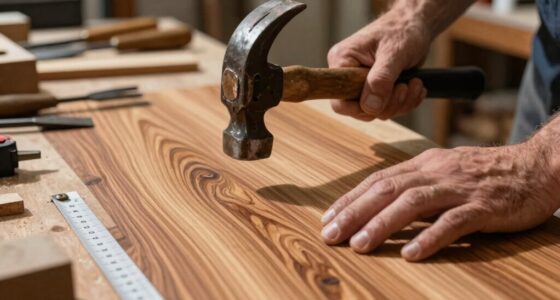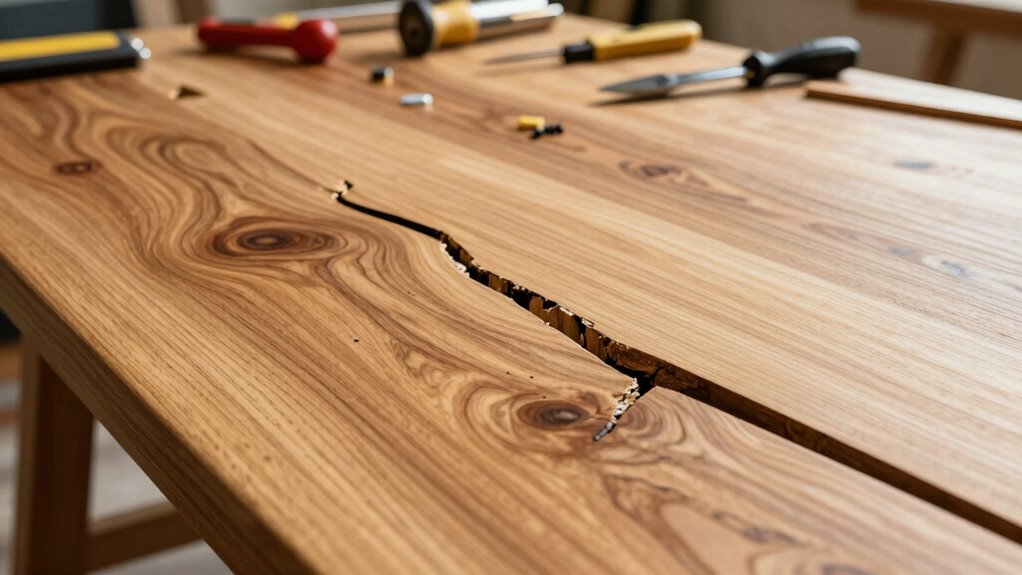

Veneer cracks can happen suddenly, often when you least expect it. Fluctuating humidity and temperature changes put stress on the material, leading to unsightly cracks. Over time, wear and tear can also play a role, making your furniture vulnerable. Without proper maintenance, issues can escalate quickly. To avoid these surprises and keep your veneer looking its best, it’s essential to stay proactive. There’s more to learn about preserving your furniture and tackling cracks effectively.
Key Takeaways
- Changes in humidity often occur unexpectedly, leading to cracks in veneer when conditions fluctuate rapidly.
- Temperature variations can cause stress, resulting in cracks appearing at inopportune moments.
- Everyday wear and tear can accumulate, making cracks more noticeable during important events.
- Environmental factors, such as sudden weather changes, can exacerbate existing vulnerabilities in veneer.
- Proactive management of humidity and temperature can help prevent cracks from appearing unexpectedly.
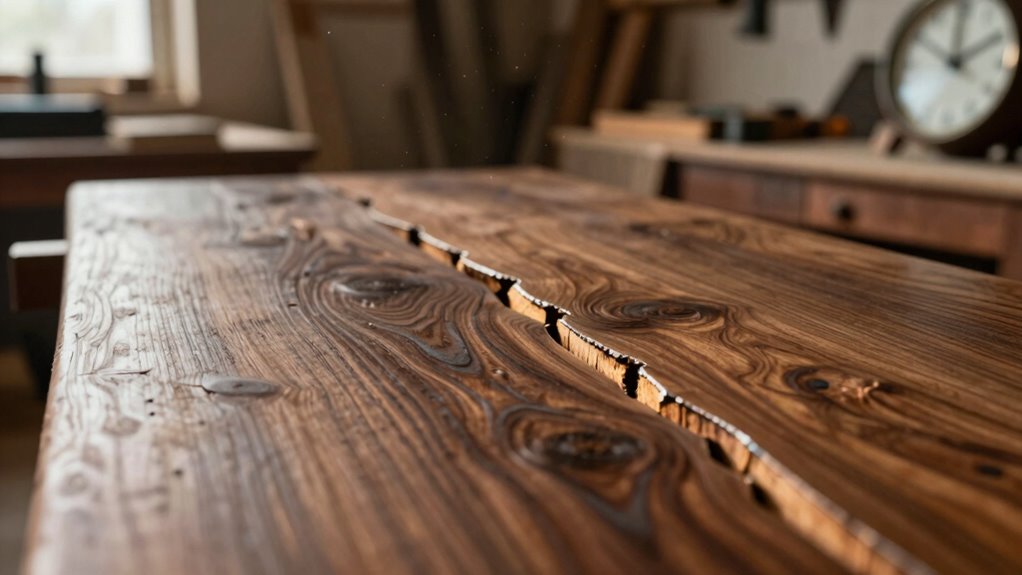
When you notice veneer cracks, it’s vital to act quickly to prevent further damage. Cracks can happen at the worst times, often when you’re least prepared to deal with them. Maybe you’re hosting a dinner party, or perhaps you’ve just finished rearranging your furniture. Whatever the situation, veneer cracks can throw a wrench in your plans and leave you feeling stressed. But don’t worry; by following some veneer maintenance tips and knowing basic veneer repair techniques, you can take control of the situation.
First, identify the cause of the cracks. It could be due to changes in humidity, temperature fluctuations, or simply wear and tear over time. Understanding the root cause will help you prevent future issues. If your home’s humidity fluctuates widely, consider investing in a humidifier or dehumidifier to maintain stable conditions. This proactive approach can save you from dealing with more cracks later. Environmental factors often play a significant role in veneer deterioration, so managing these can be key to long-term preservation. Additionally, keeping a consistent climate can help reduce stress on veneer surfaces, minimizing the chances of cracks developing unexpectedly.
Identifying the cause of veneer cracks, such as humidity or temperature changes, is crucial for preventing future damage.
Next, let’s talk about veneer maintenance tips. Regular cleaning is important. Use a soft, damp cloth to wipe down your veneer surfaces, avoiding harsh chemicals that can strip away the finish and make cracks more likely. Additionally, avoid placing hot items directly on veneer surfaces, as heat can warp the material. Using coasters and placemats can go a long way in protecting your furniture from damage. Maintaining stable environmental conditions is also crucial, as fluctuations in humidity and temperature can cause veneer to expand and contract, leading to cracks caused by environmental factors. Proper veteran veneer maintenance can help extend the life of your furniture and prevent issues before they arise.
If you do encounter cracks, don’t panic. You can often fix minor cracks yourself with some simple veneer repair techniques. First, clean the area around the crack thoroughly. Then, apply a small amount of wood glue into the crack, using a toothpick for precision. Once the glue is in place, clamp the area gently until it dries. Afterward, you might want to sand the area lightly to guarantee it’s smooth and even with the surrounding surface. Remember, proper surface preparation can significantly improve the effectiveness of repairs. Also, addressing cracks promptly can help avoid more extensive repairs or replacements in the future.
For larger cracks or damage, it might be wise to consult a professional. They can offer more advanced veneer repair techniques that preserve the integrity of your furniture. Remember, the earlier you address cracks, the less likely they’ll evolve into larger issues that require extensive repairs or replacement.
humidifier for furniture protection
As an affiliate, we earn on qualifying purchases.
As an affiliate, we earn on qualifying purchases.
Frequently Asked Questions
How Can I Prevent Veneer Cracks in the First Place?
To prevent veneer cracks, focus on preventive measures like maintaining consistent humidity levels in your space. Avoid exposing your veneer to direct sunlight or extreme temperatures. Regularly clean with a soft, damp cloth and apply a protective finish as needed. Use maintenance tips such as coasters and placemats to shield surfaces from heat and moisture. By staying proactive, you can keep your veneer looking great and minimize the risk of cracks.
What Materials Are Best for Repairing Veneer Cracks?
When tackling veneer cracks, consider that about 30% of DIY repairs fail due to improper materials. You’ll want to use high-quality wood adhesives for a strong bond, ensuring durability. For filling gaps, options like epoxy or wood filler work best. Epoxy’s strength is unmatched, while wood filler can be sanded down for a smooth finish. Choose wisely, and you’ll restore your veneer beautifully!
Can Climate Affect Veneer Cracking?
Yes, climate can definitely affect veneer cracking. Temperature fluctuations can cause the wood to expand and contract, leading to cracks. If you live in an area with high humidity levels, moisture can also seep into the veneer, weakening its structure. To protect your furniture, maintain a stable environment by using humidifiers or dehumidifiers, and avoid placing your pieces near heat sources. Keeping consistent conditions helps prevent those unsightly cracks from forming.
Is Veneer Repair a DIY Project?
Yes, veneer repair can definitely be a DIY project! With the right DIY techniques, you can restore your veneer surfaces effectively. Start by gathering repair tools like wood glue, clamps, and a putty knife. Clean the area, apply the glue, and clamp it until it dries. For small cracks, use a wood filler to smooth the surface. Just remember to sand and finish it to match your original veneer for a seamless look!
When Should I Consult a Professional for Veneer Issues?
You should consult a professional for veneer issues when you notice significant cracks, discoloration, or peeling that DIY repairs can’t fix. A professional assessment can pinpoint underlying problems and guarantee your veneer maintains its beauty. Regular veneer maintenance tips can help prevent future issues, but when the damage is extensive, it’s best to rely on an expert. Don’t hesitate; addressing problems early can save you time and money in the long run.
As an affiliate, we earn on qualifying purchases.
Conclusion
Veneer cracks can catch you off guard, often when you least expect it. Did you know that nearly 65% of furniture owners experience this issue at some point? It’s frustrating, but understanding why it happens can help you prevent future mishaps. Regular maintenance and choosing the right environment for your veneer pieces can make all the difference. So, keep your furniture in top shape, and you’ll enjoy its beauty without the stress of unexpected cracks.
As an affiliate, we earn on qualifying purchases.
As an affiliate, we earn on qualifying purchases.