When you explore inlay materials beyond wood, brass, stone, and acrylic can elevate your projects considerably. Brass adds elegance and contrasts beautifully with darker woods. Stone inlays bring natural textures and durable beauty, creating striking focal points. Acrylic offers versatility and depth, allowing light to play through your designs. Mixing metals enhances visual interest and maintains durability. Curious about how to incorporate these materials effectively? There’s a lot more to discover in creating stunning contrasts!

Get business pricing on tools and workshop supplies
- Business-only prices and quantity discounts
- Tax-exempt purchasing
- Multiple users, one account, clear invoices
Key Takeaways
- Brass alternatives add elegance and warmth, creating stunning contrasts with darker woods in furniture and decorative art.
- Stone inlays, such as marble and granite, enhance durability and visual interest, transforming simple pieces into captivating focal points.
- Acrylic options offer versatility in colors and finishes, allowing designers to create depth and contemporary aesthetics in inlay projects.
- Blending metals like brass with copper or aluminum increases visual interest while maintaining structural integrity and durability in designs.
- Additional materials, such as glass and resin, enable creative customization and dynamic effects, enriching the overall aesthetic without overwhelming the design.
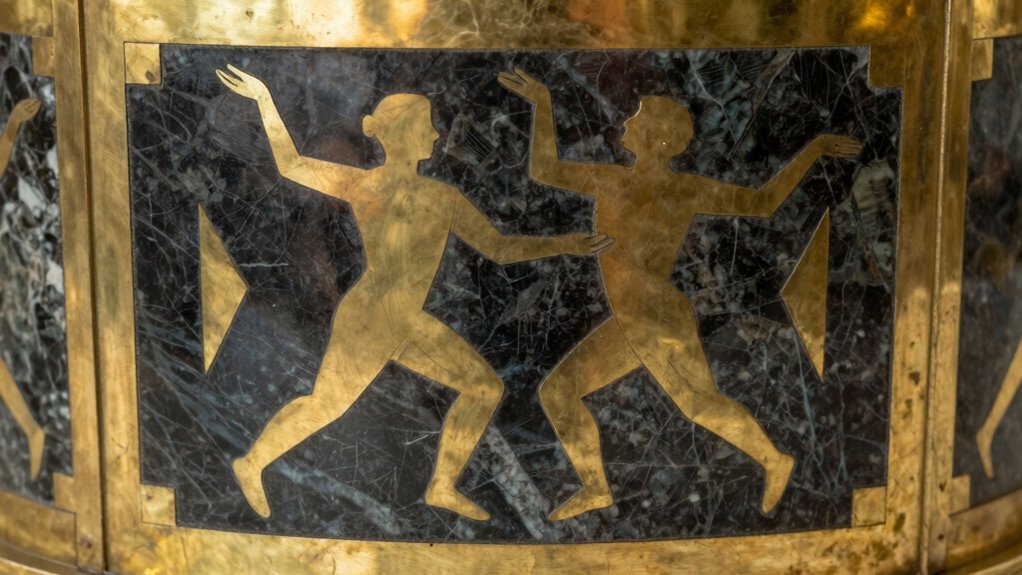
When you think of inlay materials, wood often comes to mind, but there’s a whole world of alternatives that can elevate your projects. Exploring brass alternatives can add a touch of elegance and sophistication. Think about how the warm, golden tones of brass can create stunning contrasts against darker woods or lighter materials. Whether you’re designing furniture or decorative art, incorporating brass can give your work a refined look that wood alone can’t achieve. Additionally, understanding different inlay techniques can help you achieve more precise and durable results. Stone techniques also offer an exciting avenue for inlays. The natural variations in color and texture of stones like marble, granite, or even semi-precious stones can turn a simple piece into a breathtaking focal point. Imagine inlaying a mosaic of colorful stones into a tabletop, creating a tactile and visual experience. This approach not only enhances aesthetic appeal but also brings a level of durability that wood lacks. If you’re aiming for a more modern twist, acrylic options are worth considering. Acrylic is versatile, available in an array of colors and finishes that can mimic glass or even wood grain. You can layer different colors to create depth, or use translucent acrylic to allow light to play through your inlays. This innovation opens up creative possibilities that can give your projects a contemporary edge. Then there are metal combinations, where you might blend brass with copper or aluminum. The interplay of different metals can create striking contrasts and visual interest. Mixing metals in your inlays allows for a unique expression, showcasing your artistic flair while maintaining structural integrity. Incorporating metal combinations can also enhance the durability of your designs, making them suitable for everyday use. Additionally, experimenting with layering techniques can add complexity and richness to your inlay work. Glass designs can also serve as engaging inlay materials. Whether you opt for stained glass pieces or clear glass for a more understated effect, the way glass interacts with light adds a dynamic element to your projects. It’s a great way to infuse color without overwhelming your design. Finally, don’t overlook resin choices. Resin can encapsulate various materials like dried flowers or glitter, giving you endless customization options. Understanding the properties of different resins can help you select the best type for your project’s durability and aesthetic goals. You can pour resin into intricate molds or use it to fill voids in wood, creating a seamless blend of nature and artistry. Exploring these inlay materials beyond wood not only broadens your creative toolkit but also allows you to craft pieces that are truly one-of-a-kind. So, go ahead and experiment with these alternatives; the results might surprise you!
brass inlay materials for woodworking
As an affiliate, we earn on qualifying purchases.
As an affiliate, we earn on qualifying purchases.
Frequently Asked Questions
What Tools Are Needed for Inlaying Materials Like Brass and Stone?
To successfully inlay materials like brass and stone, you’ll need a few essential tools. Start with a chisel for precise cuts, a router for shaping, and a hammer for setting pieces. A fine saw helps with intricate designs, while sandpaper smoothens edges. Make certain your tools are compatible with your chosen materials, as different inlay techniques may require specific equipment. Safety gear like goggles and gloves is also vital to protect yourself during the process.
How Do I Choose the Right Adhesive for Inlay Projects?
To choose the right adhesive for your inlay projects, consider the adhesive types and their material compatibility. For brass, a strong epoxy or cyanoacrylate (super glue) works well, while stone often requires a specialized stone adhesive. Investigate each option’s curing time and strength; not every adhesive performs equally with different materials. Make certain you test a small area first to guarantee a solid bond without damaging your inlay or substrate.
Can I Mix Different Inlay Materials in One Piece?
Yes, you can mix different inlay materials in one piece, but you need to take into account design and material compatibility. Think about how colors and textures will work together to achieve the look you want. Make certain the materials bond well with your chosen adhesive, as some may react differently. Testing combinations on a small scale can help you avoid issues and guarantee a cohesive final piece that highlights your creativity.
What Finishes Work Best With Non-Wood Inlays?
To enhance non-wood inlays, use finishes that complement contrasting colors. You might try oil-based finishes for a rich, warm look or water-based finishes for a clearer, more vibrant appearance. If you’re working with brass, a clear lacquer can protect and maintain its sheen. Experiment with different finishing techniques to see what best highlights the unique textures and hues of your materials, ensuring your inlay stands out beautifully.
Are There Specific Safety Precautions for Working With Stone Inlay?
When you’re sculpting a masterpiece from stone, think of it as traversing a mountain trail. Safety gear is your sturdy boots—wear a dust mask, goggles, and gloves to protect against stone dust. Master your cutting techniques, using the right tools to minimize splintering. Proper material handling is like using a walking stick to maintain your balance; it guarantees you work safely and efficiently, keeping accidents at bay while you create.
As an affiliate, we earn on qualifying purchases.
Conclusion
Exploring inlay materials like brass and stone opens up a world of creativity beyond traditional wood. Imagine a custom coffee table where shimmering brass accents contrast beautifully with deep blue lapis lazuli. This striking combination not only showcases craftsmanship but also tells a story of innovation and personal style. By diversifying your inlay choices, you can transform ordinary pieces into extraordinary works of art that truly reflect your unique vision. So, why not experiment and elevate your designs?
translucent acrylic sheets for inlay
As an affiliate, we earn on qualifying purchases.
As an affiliate, we earn on qualifying purchases.
metal inlay strips for furniture
As an affiliate, we earn on qualifying purchases.
As an affiliate, we earn on qualifying purchases.
Fall Picks
fall essentials
As an affiliate, we earn on qualifying purchases.