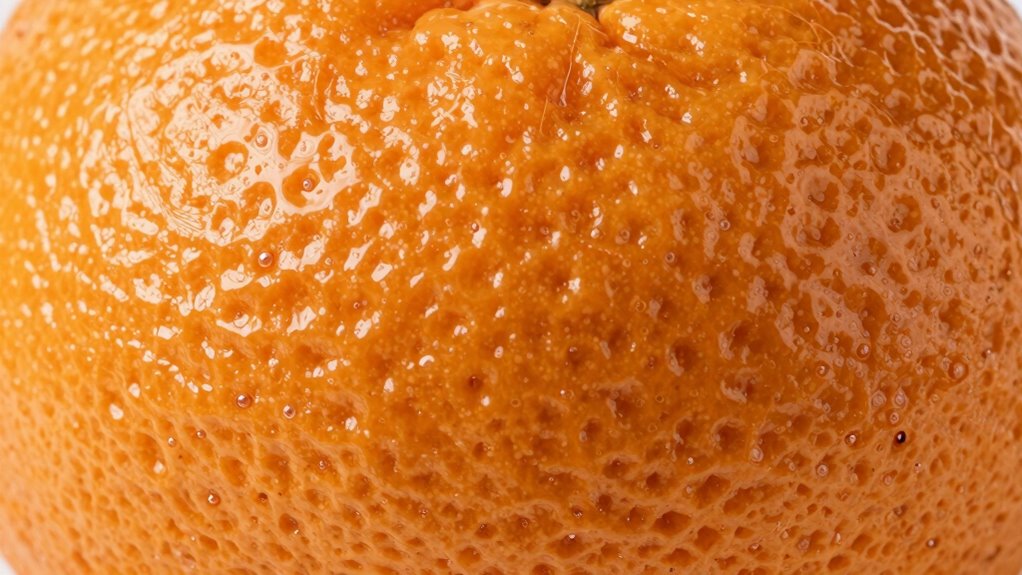
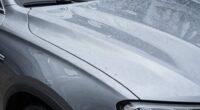
Orange peel texture happens when your spray finish looks uneven and bumpy, similar to an orange’s surface. This usually occurs because of incorrect spraying techniques, fast drying, or environmental factors like humidity and temperature. Poor surface prep or improper material flow can also cause this rough look. If you want smooth, glossy results, understanding the main causes and how to prevent or fix orange peel will help you achieve a professional finish—keep exploring for detailed tips.
Key Takeaways
- Orange peel appears as a bumpy, dimpled surface similar to an orange’s peel, caused by uneven paint application.
- It results from improper spraying techniques, such as incorrect distance, speed, or inconsistent flow rate.
- Environmental factors like high humidity, cold, or wind speed up drying, preventing proper leveling and causing texture.
- Poor surface preparation or using thick, improperly thinned paint can lead to uneven finish and orange peel.
- Correcting orange peel involves proper technique, surface prep, controlling environmental conditions, and lightly sanding before recoating.

Homax Aerosol Wall Texture with Orange Peel Finish, Oil Based, 10 oz.
Great orange peel wall texture – convenient aerosol application for textured orange peel or splatter drywall repair
As an affiliate, we earn on qualifying purchases.
As an affiliate, we earn on qualifying purchases.
What Is Orange Peel Texture and Why Does It Happen?
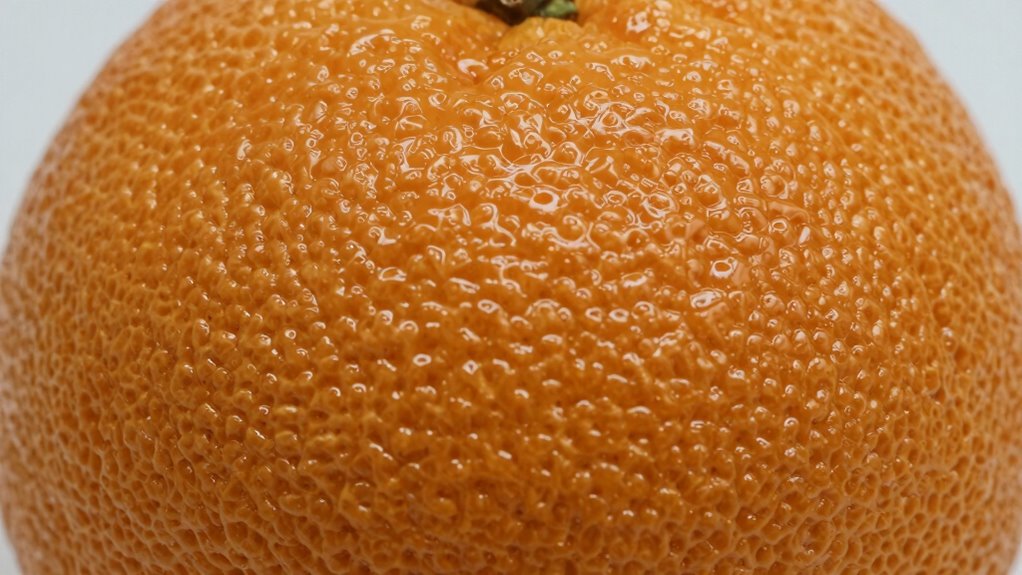
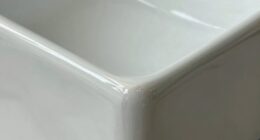
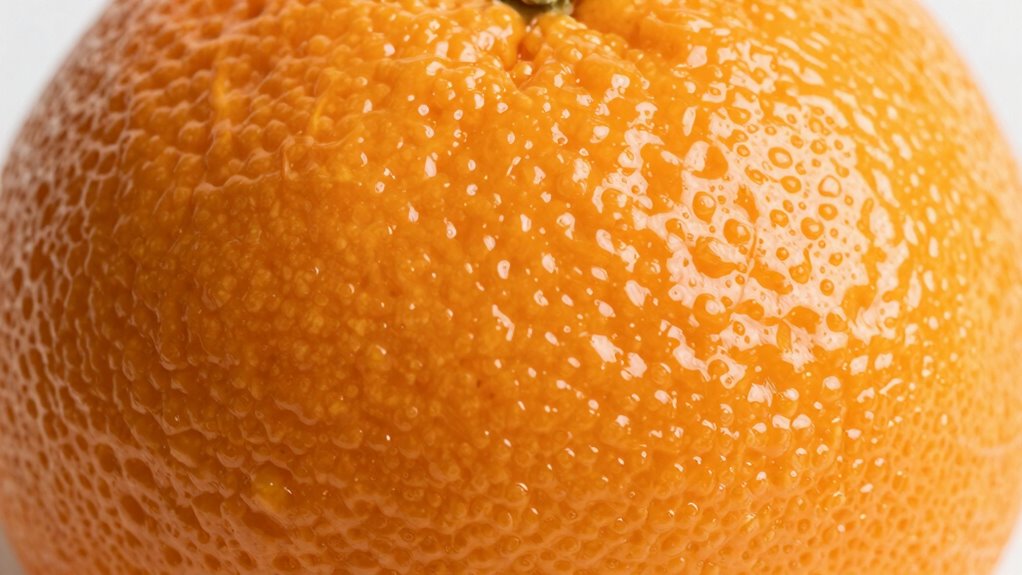
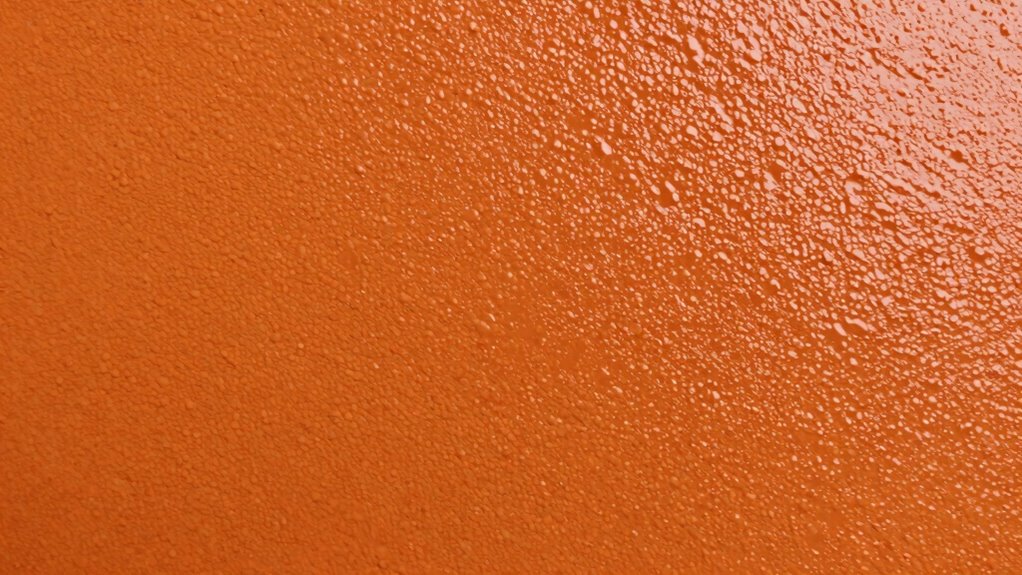
Orange peel texture gets its name from its resemblance to the surface of an orange, characterized by a bumpy, dimpled appearance. This texture can affect the surface gloss, making the finish look uneven and dull. When orange peel occurs, it often indicates issues with paint adhesion, where the paint doesn’t settle smoothly onto the surface. Poor surface preparation, incorrect spraying techniques, or fast drying can contribute to this rough texture. The bumps create a tactile, uneven feel and can diminish the overall quality of your finish. Understanding what causes orange peel helps you recognize it early and take steps to correct it. Addressing the underlying factors ensures a smoother, more professional-looking surface with better gloss and adhesion.

VONFORN Paint Sprayer, 700W HVLP Spray Gun with Cleaning & Blowing Joints, 4 Nozzles and 3 Patterns, Easy to Clean, for Furniture, Cabinets, Fence, Walls, Door, Garden Chairs etc. VF803 Yellow
【4 Nozzles & 3 Spray Patterns】VONFORN 700W paint sprayer equipped with 4 size nozzles(1mm,1.5mm,2mm, 3.0mm) for most painting…
As an affiliate, we earn on qualifying purchases.
As an affiliate, we earn on qualifying purchases.
Main Causes of Orange Peel in Spray Finishes
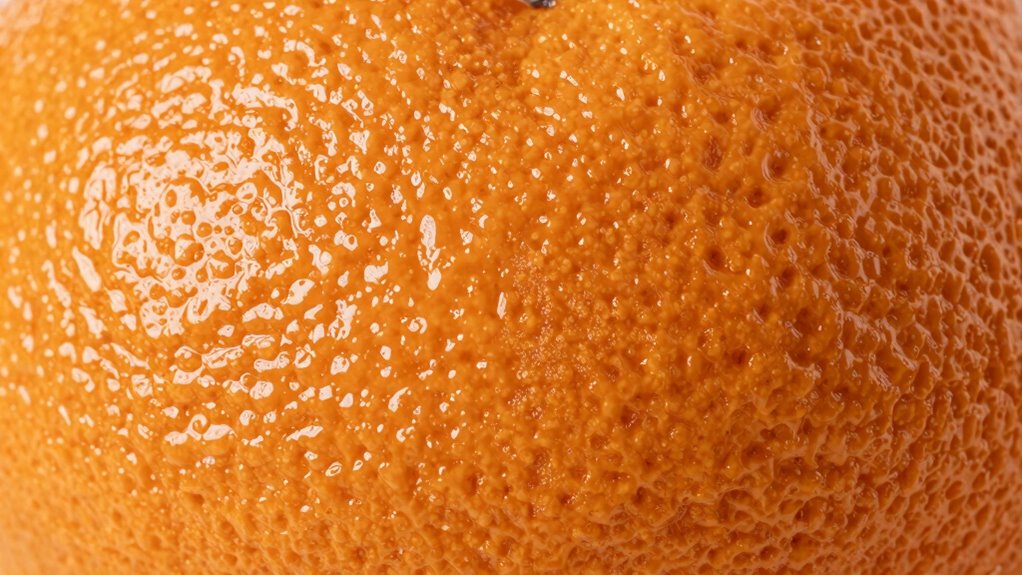
One of the primary causes of orange peel in spray finishes is incorrect spraying technique, which can lead to uneven paint application and surface tension issues. When you don’t spray at the right distance or speed, the paint may not adhere properly, causing an inconsistent surface. Environmental factors also play a significant role; high humidity or extreme temperatures can affect paint adhesion and drying times, resulting in a textured finish. If the air is too humid, moisture can interfere with the paint’s ability to level out smoothly. Similarly, spraying in cold or windy conditions can cause the paint to dry too quickly or unevenly, increasing the risk of orange peel. Paying attention to your spray technique and environmental conditions helps ensure a smooth, flawless finish. Additionally, understanding proper equipment maintenance can prevent issues that contribute to texture problems in spray finishes.
VONFORN Paint Sprayer, 700W HVLP Spray Gun with Cleaning & Blowing Joints, 4 Nozzles and 3 Patterns, Easy to Clean, for Furniture, Cabinets, Fence, Walls, Door, Garden Chairs etc. VF803 Yellow
【4 Nozzles & 3 Spray Patterns】VONFORN 700W paint sprayer equipped with 4 size nozzles(1mm,1.5mm,2mm, 3.0mm) for most painting…
As an affiliate, we earn on qualifying purchases.
As an affiliate, we earn on qualifying purchases.
How Spray Technique and Materials Affect a Smooth Finish
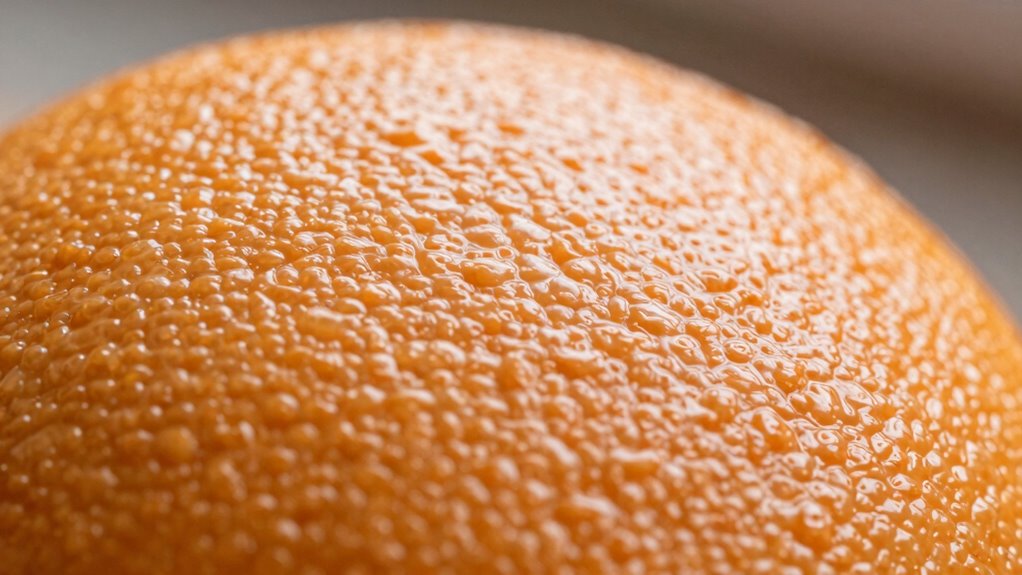
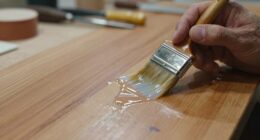
Your spray technique and choice of materials directly influence whether you achieve a smooth, professional finish or end up with an orange peel texture. Using proper brush techniques, like consistent, even strokes, helps prevent uneven material application. Material selection is equally critical; thin, well-mixed paints or finishes produce better results than thick or improperly thinned products. Ensuring proper ventilation during application also helps improve finish quality by reducing issues caused by trapped fumes or uneven drying.

U.S. Art Supply 4-Ounce Airbrush Thinner Reducer and Extender Base for Acrylic Paints – Airbrush Paint Thinner, Reduces Viscosity, Improves Flow, Thins Acrylic Pouring Paint
Formulated for Acrylics: A 4-ounce pint bottle of water-based acrylic airbrush paint thinning reducer and extender base. This…
As an affiliate, we earn on qualifying purchases.
As an affiliate, we earn on qualifying purchases.
Preventing and Fixing Orange Peel: Tips You Can Use
To effectively prevent and fix orange peel, paying close attention to your spraying technique and material preparation is vital. Use appropriate paint additives to improve flow and leveling, which helps achieve a smoother finish. Make certain your spraying equipment is properly calibrated and maintain consistent distance and speed to avoid uneven application. Controlling curing conditions is also essential; avoid high temperatures or rapid drying that can cause surface tension issues. If orange peel appears after spraying, lightly sanding the surface with fine grit and reapplying a thin, even coat can help. Always allow proper curing time before sanding or recoating. Additionally, understanding the smart home gym environment can help you optimize drying conditions for better results. By customizing your spray technique, adjusting paint additives, and managing curing conditions, you’ll considerably reduce the occurrence of orange peel and achieve a professional finish.
Best Methods to Minimize Orange Peel in Different Projects
To minimize orange peel in your projects, focus on proper surface preparation to guarantee smooth paint application. Using ideal spray techniques, like maintaining consistent distance and speed, makes a big difference. When you combine these methods, you’ll achieve a flawless finish with fewer imperfections. Additionally, selecting the right spray finish technology can significantly improve the overall surface texture.
Proper Surface Preparation
Have you ever wondered why some paint jobs turn out smooth while others develop a rough, orange peel texture? Proper surface preparation is key to achieving a flawless finish. Start by ensuring the surface is thoroughly clean—dust, grease, and previous coatings can cause uneven spray and texture issues. Using the right brush techniques during prep helps smooth out imperfections and promotes even application. Before spraying, sand the surface lightly to create a smooth base, and always wipe away dust afterward. Incorporating energy-efficient equipment during application can also help achieve more uniform results and reduce the risk of orange peel.
Some tips to minimize orange peel include:
- Prioritize surface cleanliness to prevent imperfections.
- Use consistent brush techniques to prepare and smooth surfaces.
- Sand lightly to create an even, receptive surface for paint.
Optimal Spray Techniques
Wondering how to achieve a smooth, professional finish while avoiding orange peel? The key lies in ideal spray techniques. Start by using the right spray equipment, ensuring it’s clean and properly calibrated for even application. Maintain a consistent distance between the spray gun and the surface—usually about 6 to 12 inches—and keep the gun moving smoothly to prevent thick coats. Incorporate proper brush techniques when blending or touching up, using light, even strokes to avoid uneven texture. Adjust your spray pattern and flow rate to control the amount of finish applied. Practice on scrap material first to refine your technique. Regular cleaning and proper piercing care and hygiene also help ensure a smooth finish without contamination or imperfections. Consistency, patience, and the right equipment are your best tools for minimizing orange peel and achieving a sleek, flawless finish.
When Is Orange Peel a Style, Not a Flaw?
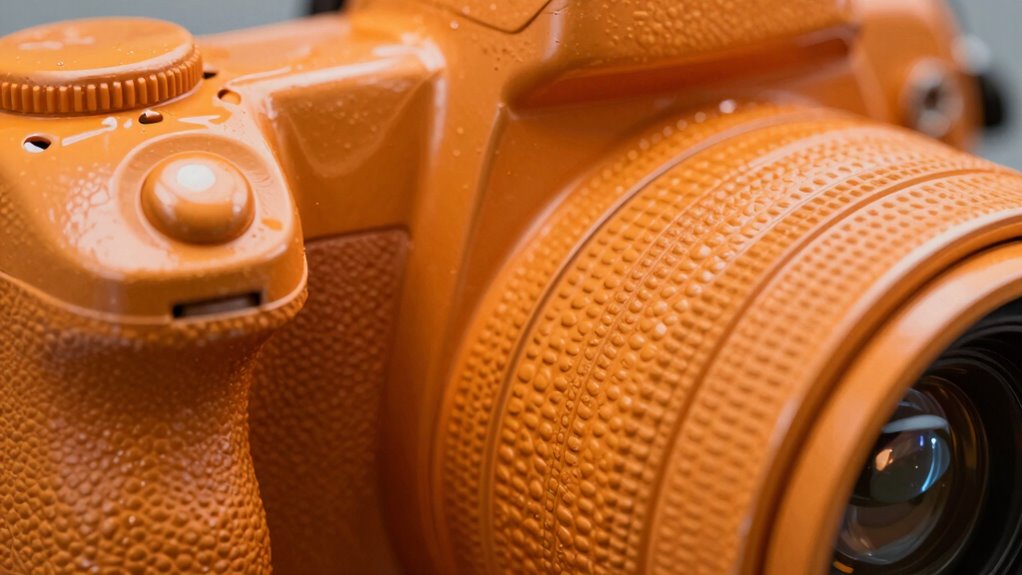
Orange peel texture can sometimes be be mistaken for a flaw, but in certain situations, it’s actually a deliberate stylistic choice. When used intentionally, this textured finish adds character and depth to decorative finishes, creating a unique look. It’s especially popular in artistic textures where the surface becomes a visual feature rather than a defect. If you’re aiming for a rustic or vintage appeal, a controlled orange peel can enhance the overall aesthetic. Additionally, understanding free floating techniques in painting can help achieve a consistent and intentional orange peel texture.
Frequently Asked Questions
Can Environmental Factors Influence Orange Peel Formation During Spraying?
Yes, environmental factors can influence orange peel formation during spraying. Humidity effects are significant; high humidity can cause the finish to dry unevenly, leading to a textured surface. Poor air circulation also plays a role, as it can cause overspray and uneven drying. To minimize orange peel, you should regulate humidity levels and guarantee proper air circulation in your workspace, helping the finish to dry smoothly and evenly.
Does the Type of Paint or Finish Affect Orange Peel Likelihood?
Absolutely, the type of paint or finish you choose can dramatically increase the chances of orange peel. Thick or uneven paint formulation acts like a rollercoaster ride on your surface, creating unpredictable textures. Your sprayer settings, like pressure and spray pattern, also play a huge role. Using the wrong paint or improper settings can turn a smooth finish into a bumpy nightmare, so pick carefully and dial everything in perfectly.
How Does Temperature Impact the Drying Process Related to Orange Peel?
Temperature plays a vital role in the drying process, affecting airflow efficiency and curing temperature. When it’s too hot, the finish can dry too quickly, causing orange peel textures. Conversely, low temperatures slow airflow efficiency, leading to uneven curing and increased surface tension, which also creates texture. Maintaining a consistent curing temperature guarantees proper drying and minimizes orange peel, allowing the finish to look smooth and professional.
Are There Specific Tools Better Suited to Prevent Orange Peel?
Think of your spray gun as a magic wand for smooth finishes. To prevent orange peel, choose a spray gun with a well-matched nozzle size, typically between 1.3 to 1.8 mm. A quality gun with adjustable pressure allows you to fine-tune the spray, reducing texture. Using the right tools helps you achieve a flawless surface, making your project look professional and polished without the unwanted texture.
Can Applying a Second Coat Reduce Existing Orange Peel Texture?
Yes, applying a second coat can help reduce existing orange peel texture if you use proper sanding techniques and adjust spray pressure. After the first coat dries, lightly sand the surface to smooth out peaks, then reduce spray pressure for a finer spray. When applying the second coat, maintain consistent distance and pressure to minimize texture. This careful approach results in a smoother, more even finish.
Conclusion
Understanding orange peel helps you tame its wild texture and turn it into a deliberate design choice or a smooth finish. With the right techniques and materials, you can keep your projects looking flawless or embrace the texture as a unique style. Think of orange peel as a brushstroke—sometimes it’s a flaw, but other times, it’s a textured masterpiece waiting to be appreciated. Master these tips, and your finishes will always leave a lasting impression.