
Even with a decent motor, your bandsaw can feel underpowered if the blade isn’t properly tensioned, or if the wheels and drive system are misaligned. Poor setup, loose belts, or a rigid frame can also reduce cutting efficiency and cause the motor to seem weaker. Maintaining proper blade tension, aligning components, and ensuring routine upkeep can make a big difference. Keep exploring to discover the key adjustments that restore your bandsaw’s power and performance.
Open a free Amazon Business account
Business pricing, bulk buying and tax-exempt orders.
As an affiliate, we earn on qualifying purchases.
Key Takeaways
- Incorrect blade tension causes inefficient cutting, making the saw feel underpowered despite a strong motor.
- Poor wheel alignment or belt tension reduces effective power transfer to the blade.
- Inadequate machine setup, such as speed mismatch or loose components, hampers performance.
- Frame vibration or lack of rigidity absorbs power and causes blade drift, reducing cut effectiveness.
- Overlooking maintenance and proper tuning prevents the saw from reaching its full cutting potential.
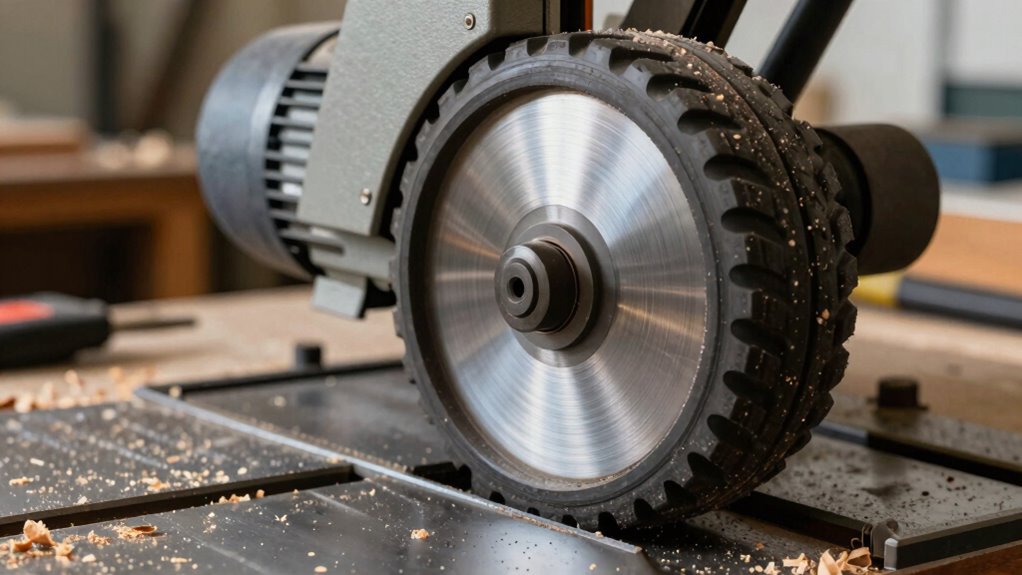
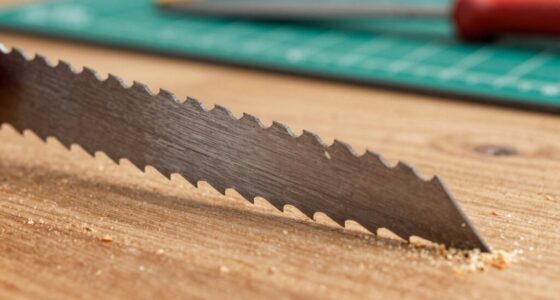
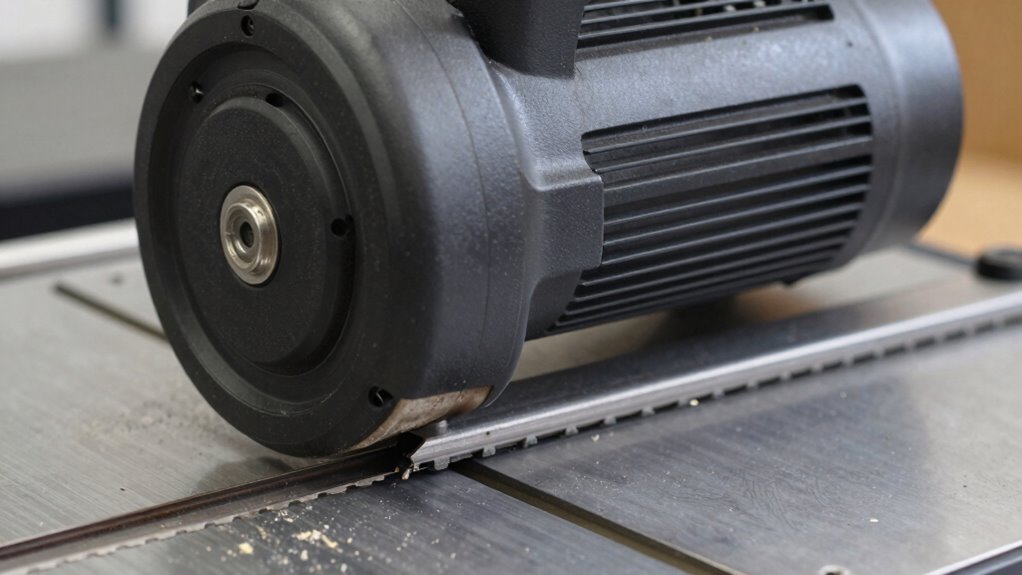
Even with motors that seem powerful enough, some bandsaws still feel underperforming because of how the machine’s design and components work together. One of the most common issues is blade tension. If the blade isn’t tensioned properly, even a strong motor can’t do its job effectively. Too loose, and the blade wobbles or slips, causing sluggish cuts and excessive wear. Too tight, and you risk damaging the blade or putting undue stress on the motor and wheels. Proper blade tension ensures the blade remains straight, reduces vibration, and allows the motor’s power to transfer efficiently into cutting action. Many users overlook this vital step, assuming that a robust motor alone will handle any task, but inadequate tension can negate that power entirely. Additionally, motor compatibility plays a crucial role in ensuring the machine’s overall performance and efficiency. Motor size is another factor that influences perceived performance. You might have a bandsaw with a 1.5 or 2 horsepower motor, which sounds substantial. However, if the motor isn’t matched to the blade size or the material you’re working with, it might seem underpowered. Larger blades require more torque to cut smoothly, especially through thick or tough wood. If the motor isn’t adequately rated or if it’s not designed to deliver consistent power at higher loads, you’ll notice stalls, slow cuts, or overheating. Sometimes, a motor’s continuous rating isn’t clearly marked, leading users to overestimate its capability. It’s not just about horsepower—how that power is delivered, the motor’s efficiency, and its compatibility with the blade and material all play roles in performance. Beyond just the motor size, the overall design of the bandsaw influences how effectively power translates into cutting. The drive system, pulley ratios, and wheel alignment all impact performance. If the wheels are misaligned or if the belt tension isn’t correct, even a decent motor can seem weak. Proper machine setup and maintenance are essential for optimal operation. Also, ensuring that the cutting speed matches the material can help maximize efficiency and performance. Additionally, if the machine’s frame isn’t rigid enough, vibrations can sap power and cause the blade to drift or chatter. Proper maintenance, correct blade tension, and ensuring the machine’s components are aligned and in good condition are just as important as having a powerful motor. In essence, feeling underpowered isn’t solely about the motor’s strength. It’s about how well the entire machine is tuned and maintained. Blade tension needs to be just right, and the motor should be appropriately rated for the task at hand. When these elements work in harmony, your bandsaw will perform closer to its potential, making even tough cuts smoother and faster.
As an affiliate, we earn on qualifying purchases.
Frequently Asked Questions
Can Blade Size Affect Bandsaw Power Perception?
Blade size can considerably affect your bandsaw’s power perception. Larger blades require more motor effort, making the saw feel less powerful even if the motor design is solid. Poor blade quality can exacerbate this, causing sluggish cuts. To improve performance, choose appropriately sized blades for your tasks and guarantee you’re using high-quality blades. Upgrading to a well-designed motor also helps, ensuring your bandsaw handles bigger blades and tougher cuts with ease.
How Does Blade Tension Influence Cutting Performance?
Blade tension directly impacts your bandsaw’s cutting performance by ensuring blade stability. When tension is properly adjusted, the blade stays straight and reduces wobbling, allowing for cleaner, more efficient cuts. If tension is too loose or too tight, it hampers performance and may cause burning or blade breakage. Regularly check and fine-tune your tension adjustment to optimize blade stability, which helps your bandsaw cut smoothly and with more power.
Do Dust Buildup and Debris Impact Bandsaw Power?
Imagine trying to run a race with a heavy backpack—that’s what dust buildup and debris interference do to your bandsaw’s power. Dust accumulation clogs air vents and motor components, reducing efficiency. Debris can obstruct the blade path, making cutting harder and slower. Regular cleaning prevents these issues, ensuring your bandsaw runs smoothly and maintains peak power. Keep it dust-free, and your machine will perform like new.
Does Blade Type Impact Perceived Motor Power?
Yes, blade type impacts perceived motor power. Different blade materials, like high-speed steel or carbide, cut at varying speeds, which can make your bandsaw feel underpowered if the blade isn’t suited for the task. A blade with a higher cutting speed requires more power, so choosing the right blade material for your project helps optimize performance and reduces the impression that your motor isn’t strong enough.
How Does User Technique Alter Bandsaw Efficiency?
A stitch in time saves nine, so proper technique is key to bandsaw efficiency. You can improve cuts by checking blade alignment regularly and adjusting your feed rate to avoid forcing the blade. Rushing the cut causes strain on the motor and dulls the blade faster. When you work smoothly and follow these practices, your bandsaw feels more powerful, making your projects safer and more precise.
As an affiliate, we earn on qualifying purchases.
Conclusion
So, next time your bandsaw feels sluggish, remember it’s not just about the motor’s power but how you utilize it. Think of your bandsaw as a dance partner—if you don’t match its rhythm or neglect proper adjustments, it’ll stumble. Check the blade tension, guarantee proper alignment, and don’t overload it. With these small tweaks, you’ll keep your cuts smooth and your workflow humming like a well-oiled machine, turning frustration into finesse.
As an affiliate, we earn on qualifying purchases.
As an affiliate, we earn on qualifying purchases.
Flea & tick season Picks
flea and tick prevention
As an affiliate, we earn on qualifying purchases.